
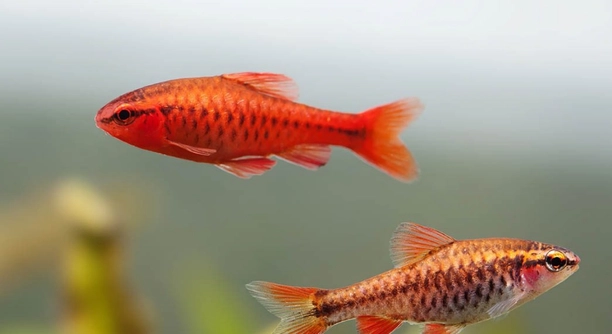
Cherry Barbs are a popular freshwater fish, known for their bright colors and lively behavior. However, their tank aggression can sometimes become a problem, especially in smaller or overcrowded tanks. Understanding how to reduce aggression can help create a more peaceful environment.
The best way to reduce aggression in Cherry Barb tanks is by ensuring the fish have enough space, providing plenty of hiding spots, and keeping the tank well-maintained. Proper feeding routines and the introduction of compatible tank mates also play a key role.
There are simple ways to reduce aggression and keep your tank peaceful. With the right strategies, you can create a comfortable and healthy environment for your Cherry Barbs.
Provide Adequate Tank Space
Cherry Barbs can become aggressive if they feel cramped or crowded. A tank that’s too small will cause stress, leading to territorial behavior. It’s recommended to have at least 20 gallons of water for a small group of Cherry Barbs. More space allows them to swim freely and establish their own territories without frequent conflict. If you plan on adding more fish, make sure there’s enough space for everyone. Overcrowding is one of the easiest ways to increase aggression in any aquarium, so proper planning is essential for keeping peace.
Smaller tanks also result in poor water quality, which can further stress the fish. A larger tank gives you more control over water parameters, keeping your Cherry Barbs healthier and less prone to aggressive behavior.
To keep your Cherry Barbs relaxed, always ensure that the tank is large enough for all your fish. The more space they have, the less likely they are to clash over territory, food, or mates.
Add Hiding Spots
Hiding spots are crucial for reducing aggression in Cherry Barbs. When fish feel threatened, they need somewhere to retreat and calm down. Plants, rocks, and decorations provide places to hide, helping to lower stress and prevent conflicts.
By creating a more complex environment with plenty of hiding spots, you give your Cherry Barbs a way to escape aggression and establish their own personal spaces. Make sure there are enough spots for every fish to feel secure. These hideouts can prevent fights, as fish can avoid each other when needed.
In addition, plants and rocks help mimic their natural habitat, which is full of hiding spots and areas for exploration. A well-decorated tank will keep your Cherry Barbs content and calm, reducing aggression naturally.
Keep the Tank Clean and Well-Maintained
Regular maintenance is key to keeping your Cherry Barbs happy and healthy. Dirty water can stress them out, leading to increased aggression. Frequent water changes, proper filtration, and checking water parameters like pH and temperature help keep the environment stable. A clean tank reduces harmful toxins, making the water more comfortable for your fish.
The cleaner the tank, the more likely your Cherry Barbs will feel secure and less threatened. Keeping everything in top condition also helps maintain healthy fish, who are less likely to lash out in defense of themselves. Regular maintenance ensures your Cherry Barbs have the best chance of thriving without aggression taking over.
A clean tank also promotes healthy bacteria growth, which is vital for water quality. When the conditions are right, your Cherry Barbs can live peacefully and avoid unnecessary aggression toward each other.
Control Feeding Routines
Aggressive behavior often comes from competition over food. If there isn’t enough food or if it’s not being distributed properly, Cherry Barbs can become territorial and fight over their share. To avoid this, establish a regular feeding schedule with portions that everyone can finish without leftovers.
Feeding your fish in different areas of the tank helps distribute the food more evenly. This minimizes the chance that one fish will dominate the food source. Use sinking pellets or spread the food out in various spots to encourage all fish to get their share without fighting.
Feeding routines that reduce competition create a calmer tank where fish can focus on swimming and exploring rather than guarding their food. Over time, your Cherry Barbs will adapt to a stress-free feeding routine, lowering aggression in the tank.
Choose Compatible Tank Mates
Not all fish get along well with Cherry Barbs. Choosing tank mates that are peaceful and share similar water requirements is essential to avoid aggression. Avoid aggressive species or fish that might stress your Cherry Barbs.
Peaceful fish like tetras, guppies, and small rasboras make great companions. These species will not provoke your Cherry Barbs and are more likely to coexist without conflict. Ensure all tank mates are similar in size and temperament to maintain harmony.
Overcrowding with aggressive or larger fish can trigger territorial behavior, so always choose tank mates carefully. By pairing Cherry Barbs with compatible fish, you create a balanced, less stressful environment for everyone in the tank.
Monitor Water Parameters
Maintaining stable water conditions plays a significant role in reducing aggression. Fish become stressed when water quality fluctuates, which can lead to aggressive behaviors. Regularly monitor key parameters such as temperature, pH, and ammonia levels to ensure they remain within the ideal range for Cherry Barbs.
Temperature should be kept between 74–79°F (23–26°C) and the pH level between 6.0 and 7.5 for optimal health. Uneven water parameters can stress your fish, making them more likely to become aggressive or sick. A water testing kit is a simple but effective way to stay on top of these levels.
A stable and healthy environment helps keep your Cherry Barbs calm and prevents aggression. If you notice any fluctuations, take action to correct them quickly. Keeping everything in check ensures a peaceful, thriving aquarium.
Provide Proper Lighting
Proper lighting can influence the behavior of your Cherry Barbs. Too much light can stress them out, while too little can disrupt their natural behavior patterns. A balanced light cycle is essential for their well-being.
A consistent 10-12 hours of light a day will help mimic natural conditions and promote a more relaxed atmosphere in the tank. Avoid overly bright or harsh lighting, as it can increase stress and aggression in Cherry Barbs.
Setting up a timer for the lighting can help create a predictable day-night cycle. This helps your fish feel more at ease and reduces territorial aggression.
Avoid Aggressive Breeding Behavior
During breeding, Cherry Barbs can become more territorial and aggressive, especially if there is competition for mates. If you’re breeding them, separate males and females during non-breeding periods to reduce aggression.
During the breeding season, ensure the tank has plenty of hiding spots for the females. This gives them a chance to escape if the males become overly aggressive while courting. Males can fight for attention, which can lead to stress and aggression if not properly managed.
Ensuring a peaceful environment during breeding will help maintain a calm atmosphere in the tank and reduce unwanted aggression.
FAQ
How do I know if my Cherry Barbs are being too aggressive?
If your Cherry Barbs are being too aggressive, you’ll notice behavior like chasing, fin nipping, or constant posturing. They may target one specific fish, which can lead to stress or injury. Aggression can also show up as fish constantly hiding or refusing to eat due to intimidation. If the behavior continues for a long period, it’s essential to adjust the tank environment.
Can Cherry Barbs live peacefully with other species?
Cherry Barbs can live peacefully with many species, but it’s important to choose tank mates that are non-aggressive and similar in size. Small peaceful fish like tetras, guppies, or other barbs can usually co-exist without problems. Avoid larger or more dominant species that could intimidate or bully your Cherry Barbs.
Is it necessary to have a school of Cherry Barbs to reduce aggression?
Yes, keeping a group of Cherry Barbs can help reduce aggression. These fish feel safer and more secure when they are in groups. A small school (around 5-6 fish) will minimize territorial behavior, as they are less likely to focus on one individual. With more companions, aggression tends to spread out, creating a more balanced tank environment.
Can I keep just one male Cherry Barb in the tank?
It’s generally better to keep at least two males or a group of females with one male. A single male can become overly territorial and aggressive toward other males, particularly during breeding time. If you only have one male, make sure the tank is large enough with enough hiding spots to reduce potential aggression.
Do Cherry Barbs fight with each other?
Yes, Cherry Barbs can fight with each other, especially if there aren’t enough hiding spots or if they feel their territory is being threatened. Males are more likely to engage in fights, particularly during the breeding season when they compete for attention from females. Providing a well-planted tank with plenty of space and hiding spots can reduce this behavior.
What is the ideal tank size for Cherry Barbs to prevent aggression?
A tank size of at least 20 gallons is recommended for a small group of Cherry Barbs. This provides enough space for the fish to spread out and establish territories, reducing stress and aggression. Larger tanks with more space help create a peaceful environment, especially if you plan to keep other fish with them.
How can I reduce aggression during feeding times?
To avoid competition and aggression during feeding, distribute the food evenly around the tank. This allows all fish to access food without the need for chasing or fighting. You can also feed in different spots or use a feeding ring to keep the food in one area. Feeding at the same time every day helps create a routine, making it less likely for fish to become overly aggressive.
Can Cherry Barbs become stressed from poor water conditions?
Yes, poor water conditions can cause Cherry Barbs to become stressed, leading to aggression. High levels of ammonia, nitrites, or fluctuating temperatures can make fish feel unsafe, prompting defensive behavior. Regular water changes, good filtration, and maintaining stable water parameters are essential to reduce stress and keep aggression at bay.
Do Cherry Barbs need a heavily planted tank to reduce aggression?
While Cherry Barbs don’t require a heavily planted tank, having plenty of plants and decorations can help reduce aggression. Plants provide hiding spots, break up sightlines, and give fish areas to explore. A well-planted tank helps create a natural environment where Cherry Barbs can feel secure and less stressed, reducing territorial disputes.
How do I know if my Cherry Barbs are stressed?
Stressed Cherry Barbs may display unusual behavior like hiding, lethargy, or erratic swimming. They might also show signs of physical damage, such as torn fins or bite marks. Stress can be caused by overcrowding, poor water conditions, or aggression from other fish. If you notice these signs, check your tank’s environment and consider making adjustments to improve their well-being.
Can Cherry Barbs live with shrimp or snails?
Yes, Cherry Barbs generally get along well with shrimp and snails. These peaceful creatures can coexist with Cherry Barbs without causing conflict. However, be cautious with small or very slow-moving shrimp, as the Barbs might pick at them, especially if they’re hungry. Make sure the shrimp have plenty of hiding spots to escape potential attention.
What’s the best way to introduce new Cherry Barbs into an existing tank?
When introducing new Cherry Barbs, it’s important to acclimate them slowly to avoid stress. Use the drip acclimation method to gradually adjust their water temperature and pH. Make sure your tank has enough hiding places for both the new and existing fish. Introducing them in groups rather than individually can help reduce aggression from established fish.
How often should I clean my Cherry Barb tank?
Cleaning your Cherry Barb tank is essential to maintain water quality and reduce stress. Perform partial water changes (about 25-30%) weekly to keep ammonia and nitrates at safe levels. Check the filter and clean it monthly to ensure proper filtration. Avoid cleaning everything at once to prevent disrupting the tank’s beneficial bacteria.
Can lighting cause aggression in Cherry Barbs?
Yes, excessive or inconsistent lighting can contribute to stress and aggression in Cherry Barbs. Bright lights can make them feel exposed or unsettled, while too little light can disrupt their natural behavior. Aim for a consistent light cycle with moderate lighting, mimicking day and night patterns to keep your fish calm.
Final Thoughts
Reducing aggression in Cherry Barb tanks is a matter of providing the right environment. By giving them enough space, adding plenty of hiding spots, and maintaining a clean tank, you create a peaceful atmosphere that encourages less territorial behavior. Cherry Barbs, like most fish, will thrive when their needs are met, and their natural instincts are respected. It’s important to consider factors like tank mates, water quality, and tank size. All of these play a role in how your fish interact with each other.
Keeping Cherry Barbs healthy and calm requires a bit of effort, but it’s worth it. Regular maintenance, such as monitoring water parameters, cleaning the tank, and ensuring proper lighting, all contribute to a more stable environment. Avoiding overcrowding and ensuring that your fish have enough space to swim freely helps reduce stress and aggression. Cherry Barbs are naturally peaceful fish, but when their living conditions aren’t ideal, they may become stressed or territorial, leading to fights.
In the end, the key is balance. The more attention you pay to your tank’s environment, the more likely you are to prevent aggression and ensure that your Cherry Barbs live happily. By following these simple guidelines, you’ll create a harmonious space for your fish, allowing you to enjoy their beauty and lively behavior without worrying about constant fighting. With a little planning and care, your Cherry Barb tank can be a peaceful and thriving ecosystem.

Hello,
If you enjoy the content that we create, please consider saying a "Thank You!" by leaving a tip.
Every little bit helps us continue crafting quality advice that supports the health, happiness, and well-being of pets around the world, for pets of all shapes, sizes, and species.
We really appreciate the kindness and support that you show us!