
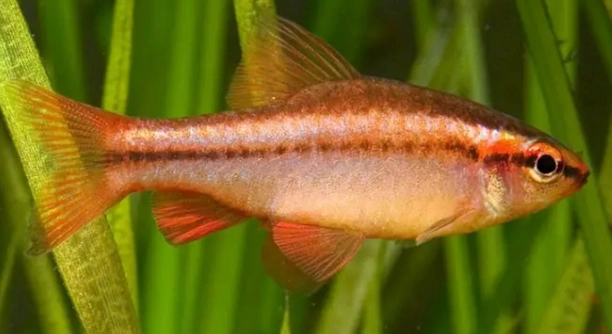
Raising Cherry Barb fry in small tanks can be a rewarding experience, especially for those who enjoy caring for aquarium fish. However, it does come with its own set of challenges that every hobbyist should know.
To raise Cherry Barb fry in small tanks, it’s important to focus on maintaining proper water quality, offering the right food, and providing ample hiding spaces. These elements help ensure the fry grow and thrive in a confined space.
Ensuring their health and growth can be tricky in small spaces, but with the right care, your Cherry Barb fry will flourish. Keep reading for simple tips on making their environment work for them.
Creating the Right Environment for Cherry Barb Fry
When raising Cherry Barb fry in small tanks, the water quality is crucial. Fry are sensitive to changes in their environment, and poor water conditions can quickly lead to stress or illness. To maintain a healthy environment, regular water changes are essential. A small tank may require more frequent attention, especially when it comes to removing waste and debris. A good filtration system can help, but be mindful of strong currents as they can overwhelm the tiny fry.
Filling the tank with plants and decorations provides fry with places to hide. They need protection from adult fish that might see them as food. Live plants like java moss or floating plants create natural hiding spots. This will also help reduce stress for the fry and encourage healthier growth.
Small tanks also need to be kept at the right temperature. Cherry Barbs thrive in warm water, so make sure your tank is consistently between 75°F and 80°F (24°C to 27°C). A reliable heater is key to maintaining these temperatures without fluctuations. You’ll also want to avoid placing the tank in direct sunlight, as it can cause the water temperature to spike unexpectedly.
Feeding Your Cherry Barb Fry Properly
The right food for Cherry Barb fry can make a big difference in their development. Fry need food that is small enough for them to consume and rich in nutrients. Infusoria, finely crushed fish flakes, and baby brine shrimp are ideal options. Start with small portions several times a day to encourage steady growth.
Feeding should be done in small amounts to avoid polluting the water. Overfeeding can lead to excess waste, which harms water quality. Ensure the food is consumed within a few minutes to maintain a clean tank. Keep a watchful eye on the fry during feeding time to ensure they’re eating.
As the fry grow, you can gradually introduce larger foods, but they must be able to handle them. The key to successful feeding is variety and moderation, so you can ensure healthy, active fry without overwhelming the tank with leftover food.
Maintaining Proper Water Parameters
Maintaining the right water parameters is critical for healthy fry. Ensure the pH level is stable, ideally between 6.5 and 7.5. Regular testing of water parameters will help keep everything in check. Don’t ignore ammonia or nitrite spikes, as these can harm the fry.
Use a high-quality water test kit to monitor ammonia, nitrites, and nitrates. Regular water changes help dilute these harmful substances, keeping your fry safe. Keep the tank well-filtered but make sure the filter’s flow is gentle enough to prevent stressing out the fry. Consistency in water conditions leads to healthy, thriving fish.
It’s also a good idea to keep an eye on the hardness of the water. Soft water can be beneficial for fry, but if your tap water is hard, consider using a water softener. Monitoring these parameters will reduce the chances of any water-related issues and improve the fry’s growth rate.
Separating the Fry from Adult Fish
Adult Cherry Barbs are known to eat smaller fish, especially their own fry. To protect the fry, you must separate them from the adults as soon as they hatch. This can be done using a breeding box or a separate grow-out tank.
Without this separation, the adult fish might prey on the fry, causing a significant loss. A breeding box is an easy and temporary solution, but a separate tank will provide the fry more space to grow and explore. Make sure the fry’s new environment has similar water conditions to avoid stress.
Remember, the fry are small and vulnerable. Creating a safe space free of adult fish will give them the best chance to grow strong and healthy. Keep the fry in a tank with gentle filtration, and be prepared for regular water changes to maintain a clean environment.
Providing the Right Lighting
Cherry Barb fry benefit from moderate lighting. Too much light can stress them out, while too little can stunt their growth. Keep the light on for about 8-10 hours a day to mimic natural day and night cycles.
A gentle light encourages healthy fry development. If your tank has live plants, the light will also promote their growth. Avoid placing the tank in direct sunlight, as it can cause temperature fluctuations.
The lighting setup should be simple, but ensure it’s sufficient for the fry’s needs. A soft LED light is ideal to keep things comfortable for both fry and plants.
Water Temperature Consistency
Maintaining a consistent temperature is vital for the fry’s well-being. Cherry Barb fry thrive in warm water, typically between 75°F and 80°F (24°C to 27°C).
An adjustable aquarium heater will help maintain a steady temperature. It’s crucial to avoid sudden temperature changes, as this can lead to stress or even death. A thermometer is essential to check the water regularly and ensure it stays within the optimal range.
Small fluctuations in temperature can weaken the fry’s immune system, making them more susceptible to disease. Stability in water temperature is key to raising healthy Cherry Barb fry.
Monitoring Fry Growth
You’ll want to keep track of your fry’s growth regularly. It’s normal for them to grow at different rates, but the ones that lag behind may need extra care.
If you notice any fry struggling, adjust their food intake or water quality to help them catch up. Providing extra hiding spots can reduce stress and encourage better growth. Keep the tank free of debris to avoid any contamination that could affect their health.
Fry grow quickly when conditions are right, so keep monitoring their size to ensure they’re developing properly.
FAQ
How long does it take for Cherry Barb fry to grow?
Cherry Barb fry typically grow to a noticeable size within 4 to 6 weeks, depending on water quality, food, and the environment. If conditions are optimal, they may start showing their distinctive color within 3 months. However, full maturity can take around 6 months or longer.
The key to fast growth is proper nutrition and consistent water parameters. Feed them small amounts of nutritious food multiple times a day, and maintain the right water temperature and pH. Also, keep the tank free from debris to ensure they aren’t exposed to harmful bacteria.
What is the best food for Cherry Barb fry?
Cherry Barb fry need food that’s small and easy to digest. Start with infusoria or newly hatched brine shrimp. These foods are ideal for their size and nutritional needs. As they grow, you can introduce finely crushed fish flakes or daphnia.
When feeding, always ensure the food is appropriate for their size. Avoid overfeeding, as excess food can lead to water contamination and unhealthy growth. For fry that are slightly larger, you can begin introducing micro pellets, but always ensure they’re small enough to consume.
Do Cherry Barb fry need special care after hatching?
Yes, Cherry Barb fry require special attention right after hatching. The first few days are crucial, as they are very fragile and need calm, stable conditions. Make sure the water quality is optimal and feed them small amounts of food frequently.
During the early stages, fry do not need lighting 24/7, but it’s important to have a day-night cycle. You can offer live foods like brine shrimp, as they are more nutritious for tiny fry. Avoid adult fish near the fry to reduce stress and prevent them from being eaten.
How can I prevent my Cherry Barb fry from getting eaten by adults?
Adult Cherry Barbs may see fry as food, so separating the fry from the adults is necessary. A breeding box or separate fry tank works best for this. Ensure the fry have hiding spots, such as plants or decorations, to keep them safe.
If you cannot separate the fry, try to add plenty of plants to the tank. Floating plants or dense vegetation create a more secure environment where the fry can hide. You should also feed the adult fish well to keep them from looking for the fry as a food source.
Can I keep Cherry Barb fry with other fish?
Keeping Cherry Barb fry with other fish can be tricky. In a small tank, it’s best to keep them alone or with very peaceful fish that won’t harass them. Avoid species that may view the fry as food, especially larger or more aggressive fish.
If you plan to add other fish later, wait until the fry are big enough to fend for themselves. In a community tank, smaller species like rasboras or other peaceful barbs might be okay, but always monitor interactions closely to ensure the fry are safe.
What size tank do Cherry Barb fry need?
Cherry Barb fry can be raised in a smaller tank, but space is still essential. A 10-gallon tank can comfortably house the fry, but if you plan to raise a large number, you may need a 20-gallon tank or larger. The tank should provide enough swimming space and hiding areas.
Larger tanks also help maintain better water quality, which is critical for fry development. Smaller tanks will require more frequent water changes and close monitoring of water parameters. Avoid overcrowding, as this can lead to poor water quality and stress for the fry.
When can I move my Cherry Barb fry to a larger tank?
Cherry Barb fry can be moved to a larger tank once they are big enough to avoid being eaten by adult fish. Usually, when they reach about 1 inch (2.5 cm), they’re ready for a community tank. Ensure the new tank is appropriately prepared with similar water conditions.
Before moving the fry, check that the tank has been cycled and is free from any potential stress factors. Introduce them gradually and observe how they interact with any other fish. This helps prevent stress or aggression towards the young barbs.
How often should I change the water in a fry tank?
Water changes are essential for keeping the fry healthy, as small tanks can quickly accumulate waste. In a fry tank, it’s best to change about 20-30% of the water every two to three days. Regular changes prevent toxins like ammonia and nitrites from building up, which can harm the fry.
Ensure the new water matches the tank’s temperature and pH. Avoid making the water change too drastic, as sudden shifts can stress the fry. It’s also a good idea to vacuum the substrate to remove any leftover food and waste.
How can I tell if my Cherry Barb fry are healthy?
Healthy Cherry Barb fry should be active, with bright coloration (though the red color will come with age) and a healthy appetite. They should swim around the tank without difficulty and show no signs of lethargy.
Check their bodies for any visible signs of illness, such as white spots, red streaks, or frayed fins. Fry that are not eating or hiding excessively could be stressed or ill. Maintaining water quality and providing the right food can help prevent most health issues.
Final Thoughts
Raising Cherry Barb fry in small tanks can be a rewarding experience, but it requires patience and careful attention to detail. Ensuring the right water conditions, such as proper temperature, pH levels, and clean water, is essential for the fry’s survival and growth. Keeping the tank free of waste and making regular water changes can go a long way in keeping the fry healthy. Regularly monitoring water parameters is important to avoid any sudden shifts that could harm them.
In addition to water quality, providing proper nutrition is key. Cherry Barb fry need small, nutrient-rich food to grow, such as infusoria, baby brine shrimp, or finely crushed fish flakes. Feeding them multiple small portions throughout the day will help them grow stronger and avoid overfeeding, which can lead to water contamination. As the fry grow, they can be introduced to larger food items, but it’s important to ensure they are always able to handle the size of the food.
Lastly, ensuring the fry are safe from adult fish is crucial. Since adult Cherry Barbs may see fry as food, keeping them separated in a breeding box or a separate tank will help ensure they have the best chance to grow. Adding hiding spots in the tank, like plants or decorations, also helps protect them from being preyed upon. With the right care, Cherry Barb fry can grow into healthy, vibrant fish, ready to be introduced into a larger tank or community setup. Keeping things simple and consistent will lead to success in raising them.

Hello,
If you enjoy the content that we create, please consider saying a "Thank You!" by leaving a tip.
Every little bit helps us continue crafting quality advice that supports the health, happiness, and well-being of pets around the world, for pets of all shapes, sizes, and species.
We really appreciate the kindness and support that you show us!