
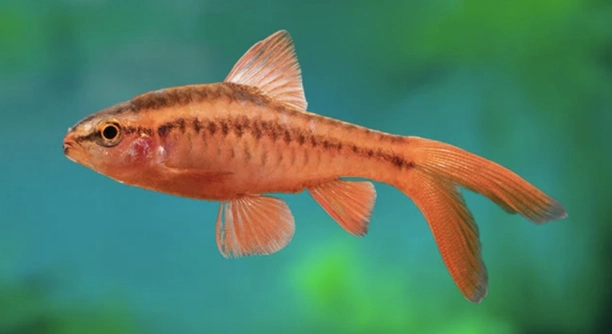
Cherry barbs are small, vibrant fish popular in aquariums. As with any pet, proper care is essential to keep them healthy, especially when it comes to their diet. Overfeeding can lead to several health issues.
Overeating in cherry barbs can cause a variety of problems, including obesity, digestive issues, and water quality deterioration. When overfed, these fish may become lethargic and prone to more serious health conditions, shortening their lifespan.
Being mindful of portion sizes and feeding frequency is crucial for cherry barb health. Understanding the impact of overfeeding can help maintain a balanced, healthy aquarium environment for your fish.
The Risks of Overfeeding Cherry Barbs
Overfeeding cherry barbs can lead to serious health issues. These small fish have specific dietary needs, and giving them too much food can create problems. When they consume more than they can process, it may result in bloating, constipation, and even obesity. As they become overweight, their movement slows down, and they are less active. This can make them more vulnerable to infections and diseases.
If your cherry barbs are overfed, their digestion suffers, and waste is released into the aquarium, which can negatively affect water quality. Dirty water leads to an unhealthy tank environment, making it harder to maintain proper conditions. As the water becomes more polluted, it increases the risk of algae growth, affecting both the fish and the plants in the tank.
In the long run, overfeeding can decrease the lifespan of your cherry barbs. Not only will they be less active, but their weakened immune systems will make them more prone to various infections. Therefore, it’s important to carefully monitor the amount of food given to these fish.
How Much Should You Feed Cherry Barbs?
Feeding cherry barbs the right amount is crucial for their health. A good rule of thumb is to feed them only what they can consume within a few minutes.
Feed your cherry barbs twice a day, offering a small portion each time. If any food is left uneaten after a few minutes, remove it from the tank to avoid polluting the water. It’s important to feed them high-quality fish food to ensure they get all the necessary nutrients for growth and energy.
Overfeeding not only harms the fish but also disrupts the balance of the aquarium. Too much food will decompose and release excess nutrients into the water, which can encourage algae blooms and poor water conditions. Regular water changes and monitoring food amounts can prevent this issue and keep your fish healthy.
The Impact on Water Quality
Overfeeding cherry barbs doesn’t only affect their health; it can also disrupt water quality. Excess food that isn’t consumed breaks down, releasing organic matter into the water. This increases the levels of ammonia and nitrates, which can be harmful to your fish. When these compounds build up, they reduce oxygen levels, making it harder for your fish to thrive.
Poor water quality also contributes to the growth of harmful bacteria and algae. Algae blooms can cloud the water and make it difficult for your fish to find food. Additionally, bacteria can cause infections, putting your cherry barbs at risk. Maintaining clean water is essential for their health, so it’s important to control how much you feed them.
A good filtration system can help manage excess waste, but it isn’t a substitute for controlling feeding habits. Regular water changes and careful monitoring of food intake are key to keeping your aquarium environment stable and healthy. With balanced feeding, you can maintain clean water that supports your fish’s well-being.
How Overfeeding Affects Growth
Overfeeding can also hinder the natural growth process of cherry barbs. While they may initially grow faster with excess food, it can lead to problems later on. Overweight fish are often less active, which reduces their muscle development and overall fitness. This can cause stunted growth, even though they may appear to be gaining weight.
Obesity can cause long-term damage to their internal organs, slowing down metabolism and impairing bodily functions. When cherry barbs are overfed, they are more prone to developing fatty liver disease, which can severely affect their health. This results in poor growth, making it harder for them to reach their full potential.
The balance between food and activity is crucial for healthy growth. By feeding them the right amount, you ensure that your fish grow at a steady pace while maintaining their physical fitness. Avoid overfeeding, as it can lead to health complications that affect their growth and longevity.
Feeding Frequency for Cherry Barbs
Feeding cherry barbs too often can contribute to overfeeding. A feeding schedule of twice a day is ideal, offering them just enough food to consume within a few minutes. This prevents excess food from accumulating and polluting the tank.
Feeding your fish at regular intervals helps maintain their health. It also ensures they don’t become overfed, which can lead to obesity and digestive issues. Stick to small portions to keep your cherry barbs in top shape and avoid unwanted problems.
The Role of Tank Size
The size of the tank plays a role in how much you should feed your cherry barbs. In larger tanks, food is spread out more, making it easier for fish to find and consume their meal. Overfeeding in a small tank can quickly lead to water contamination.
Properly-sized tanks help maintain a balance between food and water quality. Be mindful of the number of fish and how much they’re eating to avoid creating an unhealthy environment. Regular tank maintenance ensures that the fish remain healthy and that the water stays clean.
FAQ
What is the best food for cherry barbs?
Cherry barbs thrive on a balanced diet of high-quality flake food, along with occasional live or frozen foods like brine shrimp, daphnia, or bloodworms. They are omnivores, so their diet should consist of both plant and animal-based foods. Offering a variety of foods ensures they get all the nutrients needed for healthy growth and vibrant colors. Be sure to select food that is specifically designed for small tropical fish, as they will be more suited to their dietary needs.
How do I know if I’m overfeeding my cherry barbs?
You can tell you’re overfeeding cherry barbs if food is left uneaten after a few minutes, or if the water quality starts to deteriorate. Excess food will break down and pollute the tank, leading to cloudy water, high nitrate levels, and potential algae growth. Overfed fish may also become lethargic and show signs of obesity, such as an increased belly size or sluggish movements. If you notice these signs, it’s time to adjust their feeding habits.
Can cherry barbs eat vegetables?
Yes, cherry barbs can eat vegetables. Leafy greens like spinach, lettuce, and zucchini are great choices. You can blanch the vegetables before feeding them to soften them, making it easier for the fish to eat. Vegetables provide fiber and essential nutrients that help with digestion and overall health. However, make sure to remove any uneaten vegetable matter after a few hours to prevent water contamination.
How much should I feed my cherry barbs?
Feed cherry barbs small portions, about the size of their eyes, twice a day. Only offer as much as they can eat within 2-3 minutes to avoid excess food lingering in the tank. If any food remains after this time, remove it promptly. Regular portion control will help prevent obesity and ensure the water quality stays optimal. It’s important to remember that it’s always better to slightly underfeed than to overfeed.
Do cherry barbs need supplements?
If you are providing a varied diet of high-quality flake food along with occasional live or frozen foods, your cherry barbs likely don’t need additional supplements. However, if you are feeding them primarily one type of food, it might be worth adding a vitamin supplement to ensure they are getting all the necessary nutrients. Always consult a fish care guide or your local pet store for recommendations on the best supplements for your cherry barbs.
Can cherry barbs overeat?
Yes, cherry barbs can overeat if fed too much. Overfeeding leads to obesity, digestive issues, and poor water quality. As they eat more than their bodies can handle, the extra food breaks down in the tank, causing ammonia and nitrate levels to rise. This can lead to poor health for your fish and a polluted aquarium environment. Stick to the recommended feeding guidelines to avoid this issue.
How often should I change the water in my cherry barb tank?
Water changes should be done regularly to maintain a healthy environment for your cherry barbs. Typically, you should change 20-30% of the water every week. If the tank is smaller or if there are more fish than usual, you may need to change the water more often. Regular water changes help remove excess waste and maintain clean water, which is essential for the health of your fish.
What should I do if my cherry barbs are not eating?
If your cherry barbs are not eating, first check the water parameters. Poor water quality, such as high ammonia or nitrite levels, can cause fish to lose their appetite. Next, check the temperature of the water—cherry barbs prefer temperatures between 72-79°F (22-26°C). If the water conditions are stable and the temperature is ideal, try offering a variety of foods. If they still refuse to eat, they could be stressed or unwell, and you may need to consult a vet or aquatic specialist.
Can cherry barbs live with other fish?
Cherry barbs are peaceful and social, making them ideal for community tanks. They can live with other peaceful species of similar size. However, avoid keeping them with aggressive fish that may stress them out. Ideal tank mates include other small, non-aggressive species such as tetras, rasboras, and corydoras catfish. Ensure that the tank is large enough to accommodate all the fish comfortably.
What is the lifespan of a cherry barb?
Cherry barbs typically live for around 3 to 5 years in a well-maintained aquarium with proper care. Their lifespan can be influenced by factors such as water quality, diet, and tank conditions. Keeping the tank clean, feeding them the right amount of food, and maintaining stable water parameters will help them live a long, healthy life.
Final Thoughts
Cherry barbs are beautiful, low-maintenance fish that can thrive in a well-balanced aquarium. They are relatively easy to care for, but like all pets, they require attention to their diet and living conditions. Overfeeding can lead to several health problems, including obesity, digestive issues, and poor water quality. It’s important to feed them the right amount and avoid leaving excess food in the tank, as this can negatively impact both the fish and the aquarium environment.
By offering a varied diet that includes both plant-based and animal-based foods, you can ensure your cherry barbs get the nutrients they need to stay healthy. Feeding them twice a day, with just enough food to consume in a few minutes, is usually the best approach. Keeping an eye on how much they eat and removing any leftover food helps prevent overfeeding and keeps your water quality in check. Proper feeding habits will not only improve the health of your cherry barbs but also maintain a clean, stable environment in your tank.
In conclusion, cherry barbs are hardy and peaceful fish that make great additions to a community aquarium. To keep them healthy and vibrant, it’s essential to follow proper feeding guidelines, maintain good water quality, and monitor their overall health. With careful attention to their needs, cherry barbs can live a long, happy life and bring a splash of color to your aquarium. By understanding how overfeeding affects them and adjusting feeding practices, you’ll create an environment where your fish can thrive.

Hello,
If you enjoy the content that we create, please consider saying a "Thank You!" by leaving a tip.
Every little bit helps us continue crafting quality advice that supports the health, happiness, and well-being of pets around the world, for pets of all shapes, sizes, and species.
We really appreciate the kindness and support that you show us!