
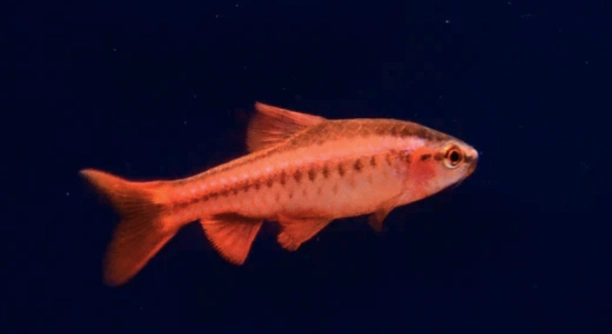
Cherry barbs are popular freshwater fish in aquariums, known for their small size and active behavior. As a fish owner, you may have noticed your cherry barb gasping for air after a water change, raising concerns about their well-being.
The most common reason your cherry barb gasps after a water change is due to sudden changes in water parameters such as temperature, pH, or oxygen levels. These fluctuations can stress the fish, causing them to breathe more rapidly as they adjust.
Understanding what happens after a water change will help you take better care of your fish and maintain a healthy environment.
Why Do Water Changes Affect Your Cherry Barb?
When you change the water in your tank, it can upset the balance of the aquarium, which may cause stress to your fish. Cherry barbs, like most fish, thrive in stable conditions. A sudden shift in water quality can make them gasp for air. Common changes during water changes include temperature fluctuations, pH shifts, or lower oxygen levels. These changes force your fish to adjust, which can lead to respiratory stress.
Water changes, while necessary, can sometimes make your fish uncomfortable. If the water temperature in your tank drops too much or changes too quickly, it can be shocking to your cherry barb. Similarly, if the water’s pH level shifts dramatically, it can irritate their gills and cause them to breathe rapidly. These adjustments can put unnecessary strain on their system.
Adding oxygen to the water can help your cherry barb adjust better after a change. Try using an air stone or increasing water movement with a filter to improve oxygen levels. Stable water conditions should help keep your cherry barb healthy and comfortable.
How to Prevent Gasping After Water Changes
After a water change, keep an eye on your fish to ensure they are not overly stressed.
The key to preventing gasping is to make gradual adjustments. Try to match the water temperature and pH of the new water with the existing tank conditions. Make sure to also aerate the water well, so there’s enough oxygen available for the fish.
To minimize stress on your cherry barb, make water changes gradually. Start by using a thermometer to monitor the temperature and avoid dramatic shifts. Additionally, always treat tap water with a dechlorinator before adding it to the tank. Changing about 10% to 20% of the water at a time can also help keep things stable. The smoother the transition, the less likely your fish will gasp for air.
The Importance of Consistent Water Temperature
Fluctuations in water temperature can stress your cherry barb, causing them to gasp after a water change. Fish are very sensitive to temperature shifts, which can lead to weakened immune systems or respiratory issues. Keeping the temperature consistent will help your fish feel safe and reduce stress.
To avoid temperature-related stress, use a reliable aquarium heater to maintain a steady water temperature. Always check the temperature of the new water before adding it to the tank. A difference of even a few degrees can cause shock. Aim for a gradual temperature adjustment during the water change, especially if you’re using cooler or warmer water.
By keeping the water temperature stable, your cherry barb will have a better chance of adjusting quickly and staying healthy. If you notice your fish struggling after a change, it’s a good idea to check the temperature right away. Consistent conditions are key to ensuring your fish thrive.
The Role of pH Levels in Your Tank
When your pH level shifts too much after a water change, it can lead to discomfort for your cherry barb. These fish prefer a slightly acidic to neutral pH range of around 6.5 to 7.5. Rapid changes in pH can affect their gill function, making them breathe heavily.
Test your aquarium’s water before and after changes to ensure the pH level is consistent. If the pH is off, consider using a buffer solution to gradually adjust it back to the ideal range. Adding too much or too quickly can cause sudden swings, which can stress the fish.
Make it a habit to check pH regularly. If your water source has fluctuating pH levels, it’s better to add small amounts of water changes over time, instead of large amounts all at once. This slow process will help your cherry barb avoid the shock of sudden changes.
Oxygen Levels After Water Changes
Low oxygen levels in the water can also cause your cherry barb to gasp after a water change. Freshwater fish like cherry barbs need adequate oxygen to breathe easily. If the water lacks oxygen, they’ll work harder to get air, leading to stress.
To improve oxygen levels, you can use an air stone or a sponge filter. These tools help keep the water moving and oxygenated, making it easier for your fish to breathe. Aerating the tank is especially helpful if you have a large aquarium or if you’ve just changed a significant portion of the water.
How to Maintain Stable Water Conditions
Maintaining stable water conditions means monitoring your tank regularly to prevent rapid changes that can stress your fish.
Use a test kit to regularly check parameters like ammonia, nitrites, nitrates, pH, and temperature. Keeping track of these factors can prevent sudden changes and help you avoid any problems with your fish. Make sure to adjust the water gradually, avoiding extreme shifts.
Tank Size and Water Changes
Larger tanks tend to be more stable, but smaller tanks can experience quick changes in water quality.
In small tanks, water changes should be done more cautiously. When you change the water, the levels can fluctuate rapidly, making it hard for your fish to adjust. You may need to do smaller, more frequent water changes to keep things steady.
FAQ
Why is my cherry barb gasping after every water change?
Your cherry barb may be gasping after a water change due to sudden changes in water quality. Fluctuations in temperature, pH, or oxygen levels can stress the fish and make them breathe more rapidly. These changes are often more noticeable after water changes, as they can cause a shift in the stability of the tank. If the water temperature or pH has changed too much, or if oxygen levels are low, the fish may struggle to adjust. Make sure to test the water before and after a change to keep conditions consistent.
How can I prevent my cherry barb from gasping after a water change?
To prevent your cherry barb from gasping after a water change, ensure that the water parameters, like temperature and pH, are as close to the tank’s original conditions as possible. Gradually adjust the water temperature and pH to avoid sudden shifts. Adding aeration to the tank, such as using an air stone or sponge filter, can also help ensure that oxygen levels remain stable. This will reduce the stress on your fish and prevent excessive gasping.
How often should I change the water in my cherry barb tank?
For a cherry barb tank, a partial water change of 20-30% once every 1-2 weeks is recommended. This helps to maintain water quality and reduce the buildup of waste products, such as ammonia and nitrates. Smaller, more frequent water changes are generally better than large, infrequent ones. This allows the tank’s environment to stay stable and minimizes stress on your fish. If you have a heavily stocked tank, you may need to do more frequent water changes to maintain healthy water conditions.
What should I do if the water temperature in my tank drops too much?
If the water temperature in your tank drops too much, you should immediately address it by slowly raising the temperature. Do not make the change too quickly, as a rapid increase can also stress your fish. Use a reliable aquarium heater and check the temperature regularly to ensure it stays within the ideal range for your cherry barb (around 72-80°F). You can also temporarily place the tank in a warmer room or add warm water gradually. Consistency is key to avoiding temperature shock.
Is it okay to add water conditioner after a water change?
Yes, it’s perfectly fine to add a water conditioner after a water change. Most tap water contains chlorine or chloramine, which can be harmful to fish. Using a water conditioner helps neutralize these harmful chemicals and makes the water safe for your cherry barb. Make sure to follow the manufacturer’s instructions on how much conditioner to use, as overdosing can also affect water quality.
Can I use tap water for my cherry barb tank?
You can use tap water, but it’s important to treat it first. Tap water often contains chlorine, chloramine, or other chemicals that can be harmful to fish. Always use a water conditioner to remove these chemicals before adding the water to your tank. It’s also a good idea to test the water for pH, hardness, and other important parameters before using it in your aquarium. If your tap water is not ideal for your cherry barb, consider using filtered or aged water for changes.
How do I know if my cherry barb is stressed?
Signs of stress in your cherry barb include rapid breathing or gasping for air, lack of appetite, hiding, faded or darkened colors, and erratic swimming behavior. Stress can be caused by poor water quality, temperature fluctuations, overcrowding, or aggressive tankmates. If your fish show any of these signs, it’s important to check the water parameters immediately and make any necessary adjustments. Stress can weaken their immune system and lead to health problems, so addressing the cause as soon as possible is important.
Can I add fish to my tank right after a water change?
It’s best to wait a little while after a water change before adding new fish. The tank’s water quality might still be settling, and introducing new fish during this time could stress both the newcomers and the existing fish. After a water change, test the water’s temperature, pH, and oxygen levels to make sure everything is stable before introducing any new fish. This will help your cherry barb and any new fish adjust better to their environment.
How do I check if my tank has enough oxygen for my fish?
To check if your tank has enough oxygen, observe your fish’s behavior. If they are gasping at the surface, it could indicate that the oxygen levels are too low. You can also use a dissolved oxygen test kit to measure the oxygen levels in the water. If the levels are low, adding an air stone or adjusting the filtration system can help increase oxygen flow. Proper water movement can also aid in oxygen exchange, so make sure your tank has enough water circulation.
What is the ideal pH range for cherry barbs?
Cherry barbs prefer a slightly acidic to neutral pH, typically between 6.5 and 7.5. Keeping the pH within this range will help your fish stay healthy and reduce stress. If the pH is too low or too high, your fish may experience respiratory problems or other health issues. You can use a pH testing kit to monitor the levels and adjust them slowly if necessary. Avoid drastic changes to the pH, as this can cause stress to your cherry barb.
Can I use a sponge filter for my cherry barb tank?
Yes, a sponge filter is a great choice for a cherry barb tank, especially if you have a smaller aquarium. Sponge filters provide gentle filtration and aeration, which is perfect for delicate fish like cherry barbs. They also help maintain stable water conditions without creating strong currents that could stress your fish. Sponge filters are easy to maintain and are a good option if you’re looking to reduce the impact of water changes on your tank’s inhabitants.
Final Thoughts
It’s important to keep your cherry barb’s environment stable to avoid any stress or health problems. Gasping after a water change can be a sign that something in the tank is not quite right, but it is usually manageable. By paying attention to factors like water temperature, pH levels, and oxygen availability, you can reduce the likelihood of your fish experiencing discomfort. It’s always a good idea to test the water before and after changes to make sure the conditions are just right for your cherry barb. Small changes in how you approach water changes can go a long way in improving the overall well-being of your fish.
Another important thing to consider is how often you change the water and how much you change at a time. Large, sudden changes can disrupt the tank’s balance, leading to stress for your fish. By performing smaller, more frequent water changes, you can keep the environment stable and avoid stressing your cherry barb. A gradual approach helps the fish adjust without shocking them, reducing the chance of them gasping for air or experiencing other signs of stress. Additionally, ensuring that your fish have enough oxygen and clean water can prevent a variety of issues, making the tank a healthier place for all its inhabitants.
Lastly, understanding your cherry barb’s needs and monitoring the tank regularly can help prevent many common problems. Maintaining a consistent environment and making gradual adjustments to water conditions will help your fish feel safe and thrive. Don’t forget to check for any signs of stress, like gasping or changes in behavior, and address them promptly. With a little care and attention, your cherry barb will be much happier and healthier in the long run.

Hello,
If you enjoy the content that we create, please consider saying a "Thank You!" by leaving a tip.
Every little bit helps us continue crafting quality advice that supports the health, happiness, and well-being of pets around the world, for pets of all shapes, sizes, and species.
We really appreciate the kindness and support that you show us!