
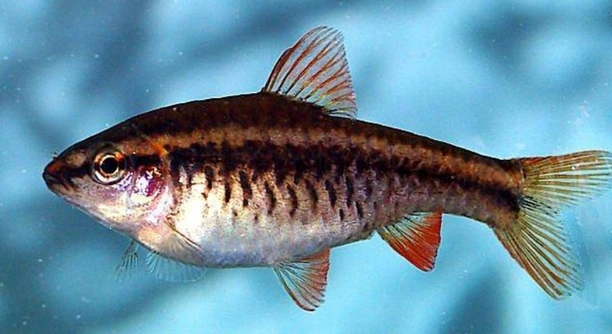
Cherry Barbs are a popular and colorful choice for aquarium hobbyists. Their peaceful nature and vibrant appearance make them a favorite among beginners. But can they thrive in uncycled tanks? This article explores the answer to that question.
Cherry Barbs require a stable and healthy environment to thrive. An uncycled tank lacks the beneficial bacteria necessary for proper filtration, which can lead to toxic ammonia buildup and harm the fish. Therefore, it’s not ideal for long-term housing.
Understanding the importance of tank cycling can help you provide a better home for your fish. Knowing what steps to take to prevent water quality issues is essential to maintaining their health.
What Happens in an Uncycled Tank?
An uncycled tank doesn’t have the essential beneficial bacteria needed to break down waste. Without these bacteria, ammonia levels rise, causing toxic conditions for your fish. This imbalance in water quality can harm Cherry Barbs, leading to stress, weakened immune systems, and even death. Keeping an aquarium properly cycled helps create a stable environment where fish can thrive.
While it may seem like a minor concern, the lack of proper filtration can quickly escalate. In a new tank, ammonia spikes are common due to fish waste and uneaten food breaking down. If left unchecked, the ammonia becomes deadly. Cherry Barbs, though hardy, are still vulnerable to these poor water conditions. Proper cycling helps convert harmful substances into less toxic compounds, ensuring a safer environment for your fish.
Once your tank is cycled, water quality becomes easier to manage. Regular maintenance and water testing can help you keep things in check. For Cherry Barbs, this means a longer, healthier life in your aquarium.
How to Cycle Your Tank Properly
Cycling a tank might take a bit of time, but it’s crucial for your fish’s health. To start, you need to establish the beneficial bacteria necessary to break down waste products. This process can take anywhere from 3 to 6 weeks. During this time, it’s important to test water parameters regularly. Ensure ammonia and nitrites are kept low while nitrates slowly increase as the cycle progresses. You can speed up the process by adding a small amount of fish food to provide an ammonia source.
Once your tank is cycled, you’ll have a more stable environment. Cherry Barbs will benefit from clean, oxygen-rich water. You can gradually add fish after the cycle is complete, ensuring they have a healthy home. It may take some patience, but the payoff is worth it. A cycled tank means healthier fish and fewer problems down the road.
Risks of Keeping Cherry Barbs in Uncycled Tanks
Without a cycled tank, Cherry Barbs face an increased risk of ammonia poisoning. Ammonia, which comes from fish waste and decaying food, is highly toxic to them. In high levels, it damages their gills, causes stress, and can even lead to death if left untreated.
The toxic effects of ammonia aren’t always immediately visible. At first, your Cherry Barbs may seem fine, but over time, they will begin to show signs of stress, like gasping at the surface or swimming erratically. Their immune systems weaken, leaving them more susceptible to diseases. Keeping them in an uncycled tank puts their health in constant jeopardy.
Even if you change the water frequently, ammonia still builds up quickly in an uncycled tank, and changing water does not address the root problem: the lack of bacteria to break it down. Long-term exposure to these conditions leads to irreversible damage to your fish, leaving them with short lifespans.
How to Test for Ammonia and Nitrites
Testing your water regularly is essential to maintaining a healthy tank. Invest in an aquarium test kit to monitor ammonia, nitrite, and nitrate levels. These kits are simple to use and can provide accurate readings. Ammonia and nitrites should ideally be at 0 ppm (parts per million) in a healthy, cycled tank. If you notice any readings above 0 ppm, it’s a sign your tank is not fully cycled, and adjustments are needed.
Testing water weekly, or more often in new tanks, is a good habit. Keep track of readings to notice any changes over time. As the tank cycles, you will see ammonia drop to zero, followed by nitrites. Nitrates should then increase but remain at safe levels. These consistent readings confirm the tank is properly cycled. Until you achieve this, avoid adding new fish, as they could suffer due to the toxic environment.
Alternative Methods to Cycle Your Tank
If you’re impatient to cycle your tank, there are alternative methods you can try. One of the quickest ways is adding a product that introduces beneficial bacteria to speed up the process. These products can jumpstart the cycling process, though it still takes time for the tank to stabilize.
Another method involves adding hardy fish that can tolerate higher ammonia levels temporarily. However, this practice can stress out the fish, and it’s not the most recommended approach. It’s still crucial to monitor water parameters closely. Using these methods, while helpful, still requires attention to ensure that ammonia levels drop to safe levels before adding sensitive species like Cherry Barbs.
The Importance of Regular Water Changes
Water changes are a key part of maintaining a healthy aquarium, especially in an uncycled tank. Even though they don’t completely resolve the issue of harmful substances, frequent water changes help reduce ammonia, nitrites, and nitrates to safer levels. Be sure to change 20-30% of the water every few days.
Maintaining regular water changes can give your tank some temporary stability. However, it is important to note that water changes alone are not a substitute for a fully cycled tank. Without proper cycling, harmful substances continue to build up, putting the health of your Cherry Barbs at risk.
Monitoring Fish Behavior
Observing your fish behavior is another critical step. Stress from poor water quality often leads to erratic swimming, loss of appetite, and unusual gill movement. If you notice any of these signs, it’s a red flag that something in the tank is wrong. Take immediate action.
FAQ
Can Cherry Barbs survive in an uncycled tank for a short period?
Cherry Barbs can survive in an uncycled tank for a short period, but it’s not ideal. In the initial stages of setting up a tank, they might be able to tolerate temporary conditions. However, the lack of proper filtration and beneficial bacteria means ammonia and nitrites will quickly build up. Over time, this stress will weaken their immune system and put them at greater risk of illness. It’s better to wait until the tank is fully cycled to ensure the environment is safe for the long term.
How long can a Cherry Barb live in an uncycled tank?
A Cherry Barb may survive for a few weeks in an uncycled tank if water changes are frequent and ammonia levels are kept in check. However, this is not sustainable. Over time, the toxic buildup of ammonia and nitrites will begin to affect their health. The stress caused by these poor water conditions can shorten their lifespan significantly. For the well-being of your fish, it’s best to wait until the tank is properly cycled before introducing them.
What should I do if I accidentally put Cherry Barbs in an uncycled tank?
If you accidentally place Cherry Barbs in an uncycled tank, immediate action is necessary. Start by testing the water to check ammonia and nitrite levels. If either of these is elevated, perform a water change to reduce their concentration. Continue testing the water daily and change 20-30% of the water every other day until the tank cycles. Keep an eye on your fish for any signs of stress and monitor their health closely. If conditions worsen, consider temporarily moving the fish to a fully cycled tank while you work on getting the current one ready.
How can I speed up the cycling process?
There are a few ways to speed up the cycling process, but they still require patience. One of the most common methods is to use a bottled bacteria starter. These products introduce beneficial bacteria into the tank, helping establish the biological filtration system more quickly. Another option is to transfer some filter media or substrate from an established tank to the new one. This gives the new tank a head start on building up the necessary bacteria. While these methods can speed things up, it still takes time to properly cycle a tank.
What signs indicate that my tank is cycled?
A cycled tank shows stable water parameters over time. The most obvious sign that your tank is fully cycled is that ammonia and nitrite levels stay at 0 ppm, while nitrate levels rise. You should also see consistent, healthy fish behavior without signs of stress. Additionally, the tank will have a clear and stable water environment. You’ll be able to perform water changes without worrying about harmful toxins building up so quickly. Regular testing for ammonia, nitrites, and nitrates will confirm that your tank is fully established.
Can I add fish to an uncycled tank?
It’s not recommended to add fish to an uncycled tank, especially sensitive species like Cherry Barbs. In an uncycled tank, ammonia and nitrites spike rapidly, which can cause serious harm or death to fish. If you must add fish, opt for hardier species that can tolerate poor water conditions temporarily. However, even these fish will eventually suffer in an uncycled tank, so it’s better to wait until the tank has gone through its nitrogen cycle. Once the tank is cycled, you can gradually add your fish for a safer and more sustainable environment.
How do I prevent ammonia spikes in my aquarium?
Ammonia spikes in an aquarium happen when there’s an overload of waste, such as fish droppings, uneaten food, or dead plant matter. To prevent ammonia spikes, perform regular water changes, clean the substrate, and remove any leftover food. Avoid overfeeding your fish, as uneaten food is a primary source of ammonia. It’s also essential to ensure your tank is properly cycled so that beneficial bacteria can break down waste efficiently. Adding live plants can also help absorb excess nutrients and reduce ammonia in the tank.
What is the role of beneficial bacteria in a cycled tank?
Beneficial bacteria are essential for breaking down harmful substances in the aquarium. In a cycled tank, bacteria convert ammonia into nitrites and then into nitrates, which are less harmful to fish. This biological filtration process keeps the tank environment stable and safe for fish. Without these bacteria, ammonia and nitrites build up, causing toxic conditions. The process of cycling your tank allows these bacteria to establish themselves, which is why it’s so important for maintaining a healthy aquarium.
How often should I test the water in a new tank?
When setting up a new tank, test the water daily or every other day to keep track of ammonia, nitrite, and nitrate levels. During the cycling process, ammonia and nitrites will fluctuate before reaching safe levels. Regular testing helps you monitor these levels and ensure the tank is cycling properly. Once the tank has cycled and you see consistent 0 ppm readings for ammonia and nitrites, you can reduce testing to once a week or every two weeks. Testing ensures that the water quality stays safe for your Cherry Barbs and other fish.
Is it okay to use tap water for my aquarium?
Tap water is often used in aquariums, but it must be treated first. Many tap waters contain chlorine or chloramine, which can harm fish and beneficial bacteria. To make tap water safe for your tank, use a water conditioner to neutralize chlorine or chloramine. It’s also important to test the water for hardness, pH, and other minerals to ensure they’re within the ideal range for your fish. If you’re unsure about the quality of your tap water, you can also use filtered or dechlorinated water as an alternative.
Final Thoughts
Setting up an aquarium requires patience and careful planning, especially when it comes to cycling your tank. For Cherry Barbs and other fish, an uncycled tank presents serious risks due to harmful toxins like ammonia and nitrites. While Cherry Barbs are hardy fish, they still require stable water conditions to thrive. A properly cycled tank allows beneficial bacteria to break down waste, keeping harmful substances in check. Without this cycle, the water quickly becomes unsafe, which can lead to stress, illness, or even death for your fish.
It’s important to remember that cycling a tank takes time, typically between 3 to 6 weeks. During this period, ammonia and nitrites will spike before gradually decreasing. Adding fish to an uncycled tank may seem tempting, but it’s not worth the risk. Instead, focus on properly cycling the tank first. This not only ensures your Cherry Barbs will be safe, but it also creates a healthier environment for any other fish you may want to add in the future. You can speed up the process using beneficial bacteria supplements or by transferring filter media from an established tank, but there are no shortcuts to a fully cycled tank.
By maintaining proper water quality, regularly testing water parameters, and performing necessary water changes, you can create a safe and comfortable home for your Cherry Barbs. This will not only improve their quality of life but also help them thrive for a longer period. Patience and attention to detail are essential when keeping aquarium fish. Ensuring your tank is cycled properly is the foundation for a healthy, vibrant aquarium, and with the right care, your Cherry Barbs can live a happy, stress-free life.

Hello,
If you enjoy the content that we create, please consider saying a "Thank You!" by leaving a tip.
Every little bit helps us continue crafting quality advice that supports the health, happiness, and well-being of pets around the world, for pets of all shapes, sizes, and species.
We really appreciate the kindness and support that you show us!