
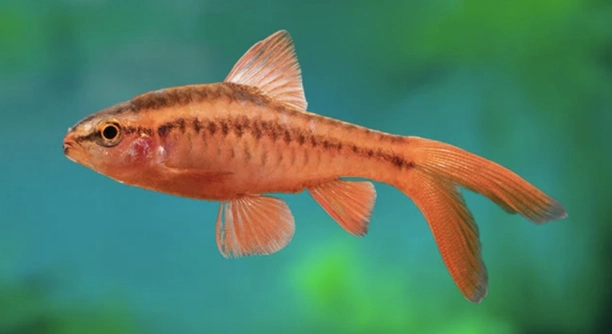
Cherry Barbs are popular aquarium fish known for their vibrant colors and active behavior. However, when they refuse to swim together, it can cause concern. Understanding the reasons behind this behavior can help resolve the issue effectively.
The most common reason Cherry Barbs fail to swim together is stress or discomfort. Stress can result from factors like poor water quality, inadequate tank size, or incompatible tankmates. Ensuring a suitable environment and proper care can encourage group swimming.
Resolving the issue requires evaluating water conditions and tank setup.
Common Stressors for Cherry Barbs
Cherry Barbs are sensitive fish, and several factors can cause them to act differently than expected. Poor water quality is often the leading issue. If the water parameters like pH, hardness, or temperature are not ideal, it can cause stress. Tank size is also crucial; when they don’t have enough space, they can feel trapped and may not interact with each other as they should. Additionally, overcrowded tanks or the presence of more aggressive species can make them uneasy. Even something as simple as the type of substrate can affect their behavior, as certain surfaces may not feel comfortable for them. All these stressors can disrupt their natural instinct to swim together.
Tankmates play a big role as well. If the Cherry Barbs are in a tank with more territorial or aggressive fish, they may not feel safe enough to group together.
With proper adjustments, you can quickly ease stress and restore their natural behavior. Begin by checking the water conditions, ensuring the right tank size, and choosing compatible tankmates. Small changes can lead to big improvements in their social behavior.
Tank Size and Environment
Cherry Barbs need plenty of swimming space to feel comfortable. If the tank is too small, they may feel confined and less likely to swim together. A tank that’s too crowded can also lead to stress, causing them to scatter rather than swim in groups.
A 20-gallon tank is a good starting point for a small school of Cherry Barbs. If you plan to keep more, a larger tank is recommended. Providing plants, hiding spots, and gentle filtration helps create a peaceful environment. This setup encourages natural behaviors and improves their overall health.
Lack of swimming space is a major cause of discomfort for Cherry Barbs. Make sure your tank size aligns with the number of fish you have. Offering them a tank with enough room and hiding spots will reduce stress and help them feel more secure, encouraging group swimming.
Tankmates and Compatibility
The fish you choose to keep with Cherry Barbs affects how well they interact. They are generally peaceful but can be easily intimidated by more aggressive species. It’s best to choose tankmates that are similar in temperament.
Fish like Tetras, Rasboras, and peaceful Gouramis make great companions. Aggressive species, such as Cichlids, can disrupt the peaceful environment needed for Cherry Barbs to thrive. Keep an eye on any signs of aggression. If necessary, separate incompatible species to reduce stress.
By carefully selecting tankmates that are non-aggressive, you ensure that your Cherry Barbs feel safe. This peace of mind will allow them to swim together in harmony, enhancing their overall behavior and happiness in the tank.
Water Conditions
Water quality directly impacts the behavior of Cherry Barbs. Inconsistent parameters like pH, ammonia levels, and temperature can cause stress, leading to swimming problems. Regular water testing ensures they live in ideal conditions.
Aim for a temperature range of 74–80°F and a pH of 6.5 to 7.5. Consistency is key.
Maintaining good water conditions is essential to prevent stress and promote group behavior. Perform regular water changes and monitor ammonia, nitrite, and nitrate levels. The cleaner the water, the healthier your Cherry Barbs will be. This will encourage them to swim together more naturally.
Feeding and Nutrition
Overfeeding or an unbalanced diet can lead to poor health and inactive behavior in Cherry Barbs. Ensure you provide a varied diet of high-quality flakes, pellets, and occasional live or frozen foods. This keeps them energetic and healthy.
Be mindful of feeding portions to avoid overfeeding. Too much food can also affect water quality. Regular feeding routines promote better health, helping your fish maintain an active lifestyle and stronger social behavior.
Lighting and Tank Setup
The lighting in your tank can influence Cherry Barbs’ behavior. Too bright can cause stress, while dim lighting can make them feel insecure. A gentle, natural lighting setup creates a balanced environment.
Use LED lights or light timers to mimic a natural day-night cycle. This helps your Cherry Barbs feel more comfortable and secure.
FAQ
Why are my Cherry Barbs not swimming together?
Cherry Barbs may not swim together due to stress, poor water quality, or inappropriate tank conditions. A small tank, lack of hiding spots, or aggressive tankmates can make them feel unsafe. To resolve this, ensure your tank is large enough, with gentle filtration and compatible companions. Check water quality regularly and make sure the environment is peaceful.
What is the ideal tank size for Cherry Barbs?
A 20-gallon tank is a good starting point for a small group of Cherry Barbs. A larger tank may be necessary if you plan to keep more. A bigger tank ensures enough swimming space and reduces stress. Ensure that there are plenty of hiding spots and plants to create a comfortable environment for your fish.
Can Cherry Barbs live with other fish?
Yes, Cherry Barbs are peaceful and generally get along well with other non-aggressive fish. Ideal tankmates include Tetras, Rasboras, and Gouramis. Avoid keeping them with territorial or aggressive fish like Cichlids, as this can cause stress and disrupt their natural behavior.
What is the best water temperature for Cherry Barbs?
The ideal temperature range for Cherry Barbs is between 74°F and 80°F (23°C to 27°C). Consistent temperature is crucial to their well-being. Significant fluctuations can cause stress, so it’s important to maintain a stable environment using an aquarium heater if needed.
How often should I change the water for my Cherry Barbs?
Water changes should be done regularly to maintain good water quality. It’s recommended to change 25-30% of the water every two weeks. In heavily stocked tanks or tanks with poor filtration, you may need to change the water more frequently. Regular water changes prevent the buildup of harmful toxins.
What do Cherry Barbs eat?
Cherry Barbs are omnivores, and their diet should include high-quality flakes, pellets, and occasional live or frozen foods like brine shrimp or daphnia. A varied diet helps keep them healthy and active. Avoid overfeeding, as it can lead to poor water quality and health problems.
Can I keep male and female Cherry Barbs together?
Yes, male and female Cherry Barbs can be kept together. However, if you have multiple males, there may be some competition for the attention of females. This can sometimes result in the males becoming more territorial. Ensure there’s enough space and hiding spots to reduce stress.
How do I know if my Cherry Barbs are stressed?
Signs of stress in Cherry Barbs include erratic swimming, loss of color, hiding more than usual, or aggressive behavior towards other tankmates. They may also stop eating or display signs of illness. Stress can be caused by poor water quality, overcrowding, or aggressive tankmates.
Are Cherry Barbs easy to care for?
Cherry Barbs are relatively easy to care for, as long as their basic needs are met. Providing proper tank conditions, maintaining good water quality, and ensuring appropriate tankmates are essential for their health. They are a hardy species, but neglecting their environment can lead to behavioral problems.
What kind of filtration do Cherry Barbs need?
Cherry Barbs do best with gentle filtration. Strong currents can stress them, so choose a filter with adjustable flow. A sponge filter or a filter with a flow rate suitable for the tank size will keep the water clean without disturbing the fish too much.
Why is my Cherry Barb hiding?
Hiding can be a sign of stress or discomfort. Cherry Barbs may seek shelter if they feel threatened, either by tankmates or environmental conditions like poor water quality or inadequate lighting. Providing plants, caves, and other hiding spots can help reduce stress and give them a place to retreat when needed.
Can Cherry Barbs breed in a community tank?
Yes, Cherry Barbs can breed in a community tank, though it’s important to have a separate breeding space for optimal results. Males will often display vibrant colors to attract females, and the female will lay eggs among plants. Once the eggs are laid, it’s best to remove the adults to prevent them from eating the eggs.
Do Cherry Barbs need a lot of plants in their tank?
Yes, Cherry Barbs enjoy having plants in their tank. Plants provide hiding spots and help reduce stress, creating a more natural environment for the fish. They also appreciate a well-planted tank to graze on microorganisms and algae. Adding both live and artificial plants can be beneficial.
What is the lifespan of a Cherry Barb?
Cherry Barbs typically live for 3-5 years, though some may live longer with proper care. Maintaining good water quality, feeding a balanced diet, and avoiding stress can help your Cherry Barbs live a long, healthy life. Regular tank maintenance is essential for their well-being.
Can Cherry Barbs tolerate low oxygen levels?
Cherry Barbs can tolerate slightly lower oxygen levels, but they do best in well-oxygenated water. It’s important to provide adequate surface agitation, either with a filter or an air stone, to ensure sufficient oxygen exchange. Low oxygen levels can cause stress and negatively impact their health.
Why are my Cherry Barbs losing color?
Faded colors in Cherry Barbs can be a sign of stress or poor water conditions. If the water quality isn’t optimal or the fish are stressed by tankmates or temperature fluctuations, their colors may dull. Ensure the water parameters are stable and address any sources of stress to restore their vibrant colors.
What should I do if my Cherry Barbs aren’t eating?
If your Cherry Barbs aren’t eating, it could indicate stress or illness. First, check the water quality, as poor conditions can reduce their appetite. Ensure they’re not being bullied by tankmates. If they continue to refuse food, monitor them closely for other signs of illness and consider consulting an aquarium specialist.
When caring for Cherry Barbs, understanding their needs is key to ensuring they thrive. These fish require stable water conditions, with the right temperature, pH, and ammonia levels. A well-maintained tank with regular water changes helps keep them healthy. Additionally, creating a peaceful environment with compatible tankmates is crucial to reducing stress, which can lead to them not swimming together. The more you can provide them with a stable, secure environment, the more likely they are to engage in natural behavior, including swimming as a group.
Feeding also plays a significant role in Cherry Barbs’ overall well-being. A balanced diet, with high-quality flakes, pellets, and occasional live or frozen foods, ensures that they get the nutrients needed for energy and good health. Overfeeding should be avoided, as it can lead to poor water quality, which directly impacts the fish’s behavior. By feeding them in appropriate portions and at the right intervals, you can help maintain a stress-free and active environment for your Cherry Barbs.
Lastly, patience and observation are key. If your Cherry Barbs are not swimming together, it could take some time for them to adjust, especially after introducing new tankmates or adjusting water conditions. Regularly monitoring their behavior and making any necessary adjustments will help improve their overall health. With attention to water quality, diet, and tank conditions, you can ensure that your Cherry Barbs will not only swim together but thrive in their environment.

Hello,
If you enjoy the content that we create, please consider saying a "Thank You!" by leaving a tip.
Every little bit helps us continue crafting quality advice that supports the health, happiness, and well-being of pets around the world, for pets of all shapes, sizes, and species.
We really appreciate the kindness and support that you show us!