
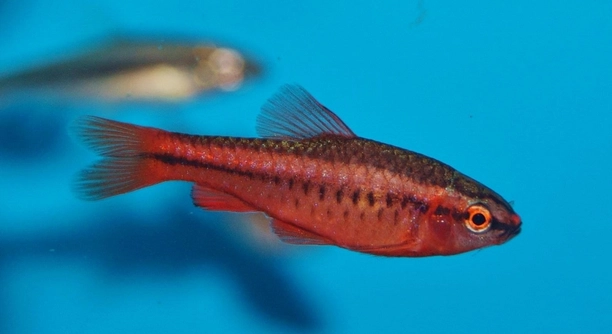
Are your Cherry Barbs showing signs of stress, unusual behavior, or sudden loss of appetite in your tank setup? These may be early signals of ammonia spikes affecting the quality of their environment.
Ammonia spikes in aquariums are primarily caused by excess waste, overfeeding, and insufficient filtration. To reduce ammonia levels, regular water changes, controlled feeding, proper tank cycling, and monitoring with test kits are essential for maintaining a stable environment.
Knowing how to manage these levels can help your Cherry Barbs stay active, healthy, and vibrant for the long haul.
Tip 1: Test Ammonia Levels Regularly
Keeping track of ammonia levels is one of the most reliable ways to protect your Cherry Barbs. Using an aquarium test kit helps you catch rising ammonia before it becomes harmful. These kits are simple to use and only take a few minutes. Make it a habit to test the water once or twice a week, especially after feeding or cleaning. Monitoring consistently gives you a better sense of your tank’s stability. If you notice a spike, take action right away. This small routine helps create a safer, more predictable environment where your fish can thrive without added stress.
Testing allows you to respond quickly and avoid long-term problems that are harder to fix.
Your Cherry Barbs rely on consistent water quality. Testing the tank regularly ensures that you are one step ahead of sudden ammonia changes. It’s one of the easiest ways to keep your aquarium safe and healthy for your fish.
Tip 2: Control Feeding Habits
Overfeeding is one of the fastest ways to raise ammonia levels in your tank. Uneaten food sinks, breaks down, and releases harmful substances into the water.
Feed your Cherry Barbs only what they can eat in two to three minutes. Watch them as they feed—this helps you see if you’re giving the right amount. Remove leftover food immediately to prevent it from decaying. Use high-quality, easily digestible fish food, which reduces waste and keeps the water cleaner for longer. Feeding once or twice a day is usually enough. If you notice cloudy water or your fish losing interest in food, it may be a sign that adjustments are needed. Cherry Barbs are active eaters, but that doesn’t mean they need large portions. Proper feeding supports their energy and keeps your tank cleaner, making it easier to maintain low ammonia levels.
Tip 3: Do Frequent Partial Water Changes
Changing a portion of your aquarium water every week helps keep ammonia under control. It removes waste before it breaks down and maintains overall water quality without disturbing the beneficial bacteria already present.
A good rule is to change 20 to 30 percent of the water weekly. Use a gravel vacuum to clean the substrate while removing water, as this helps get rid of hidden debris. Always treat tap water with a water conditioner before adding it to the tank. If your ammonia levels are high, increase the frequency of changes until levels drop. Sudden large water changes can stress Cherry Barbs, so stay consistent with small amounts. This method keeps your tank environment stable, supporting your fish’s health and reducing the chances of ammonia-related issues. Regular partial water changes are one of the most effective ways to manage tank cleanliness.
Consistency is key when it comes to water changes. Sticking to a weekly schedule helps prevent waste buildup that leads to ammonia spikes. Make sure to match the new water’s temperature with the tank to avoid shocking your Cherry Barbs. Keep your tools clean and dedicate them to aquarium use only. Over time, this routine becomes second nature and supports a healthier aquatic setup. Watching your fish stay active and vibrant makes the effort worthwhile. These small steps help maintain better control over your tank’s balance and protect your Cherry Barbs from unnecessary stress.
Tip 4: Add Live Plants to the Tank
Live plants help reduce ammonia naturally by absorbing waste products and providing extra filtration support. They also improve the tank’s appearance and make Cherry Barbs feel more comfortable and secure in their environment.
Plants like Anubias, Java Fern, Hornwort, and Water Wisteria are low-maintenance and do well in a community tank. These plants not only help filter the water but also compete with algae for nutrients, keeping the tank cleaner overall. More oxygen is produced during the day, which benefits both your fish and beneficial bacteria. Make sure your tank has adequate lighting, and trim dead leaves to keep things healthy. Live plants also give Cherry Barbs shelter, making them feel more at ease. The benefits go beyond aesthetics—they’re a natural part of a balanced system that supports ammonia reduction. With the right plant setup, your aquarium becomes more self-sustaining, reducing the need for constant adjustments.
Tip 5: Avoid Overstocking the Tank
Too many fish in a tank can quickly lead to high ammonia levels. Each fish adds to the waste, and your filter can only handle so much. Stick to the recommended number of Cherry Barbs for your tank size to avoid overloading the system.
A general guideline is one inch of fish per gallon of water, but it’s better to understock slightly if you’re unsure. This gives your fish more room to swim and reduces the amount of waste that builds up. Less stress means better health and fewer problems with ammonia buildup.
Tip 6: Use a Quality Filter System
A good filtration system does more than just clean the water—it helps control ammonia. Mechanical, chemical, and biological filtration all work together to remove waste and break down harmful substances. Choose a filter rated for your tank’s size or slightly above it for better performance. Biological filters are especially important for Cherry Barbs because they promote healthy bacterial colonies that convert ammonia into less harmful compounds. Make sure to clean the filter media gently in tank water to preserve these bacteria. Replace parts only as needed to avoid removing too much beneficial bacteria at once. Keeping the filter running properly plays a huge role in keeping your water clean and your fish safe.
Tip 7: Let the Tank Cycle Properly
Setting up your aquarium takes time. Give it a few weeks to cycle fully before adding fish. This allows beneficial bacteria to grow and handle ammonia. Rushing this process can harm your Cherry Barbs.
FAQ
How can I tell if my Cherry Barbs are stressed from ammonia?
Cherry Barbs that are stressed from high ammonia may become less active, lose their bright red color, or start hiding more than usual. You might notice them gasping near the surface or having clamped fins. In some cases, they may also stop eating. These signs usually appear when ammonia levels get too high for them to handle comfortably. A good way to confirm this is by testing your water with an aquarium ammonia test kit. If levels are above 0 ppm, it’s time to take action to lower them and support your fish’s recovery.
How often should I test the water for ammonia?
It’s best to test the water once or twice a week, especially if your tank is still new or if you’ve recently added more fish. Keeping a close eye on ammonia helps you catch problems before they get worse. If you’re cycling your tank, daily tests during the first few weeks are a good idea. Once your tank is established and stable, you can reduce testing to a weekly routine. Use a liquid test kit for more accurate results compared to test strips. Staying on top of water quality keeps your Cherry Barbs healthy and stress-free.
Can plants completely remove ammonia from the water?
Live plants help reduce ammonia, but they can’t eliminate it completely on their own. They absorb ammonia and other nitrogen compounds through their roots and leaves as part of their natural process. However, for a balanced aquarium, plants should be used alongside filtration and regular maintenance. Heavily planted tanks with a light fish load might show very low ammonia levels, but this balance takes time and attention to achieve. Treat plants as a support tool—not a full solution—and make sure they’re thriving, as dying plants can add to the waste and make the problem worse.
What kind of filter is best for Cherry Barbs?
A hang-on-back or sponge filter works well in small to medium tanks with Cherry Barbs. Both provide gentle flow, which is good for these active but peaceful fish. Make sure the filter includes biological filtration to support the bacteria that process ammonia. Sponge filters are great for tanks under 20 gallons and are easy to clean. For tanks over 20 gallons, a hang-on-back filter offers better water movement and extra space for media. Choose a filter rated slightly above your tank’s capacity to ensure efficient cleaning and ammonia control.
Do I need to use ammonia detox products?
Ammonia detox products can be helpful in emergencies, especially if your levels are dangerously high and you need quick relief. These products neutralize ammonia temporarily, giving your fish a better chance to recover. However, they are not a long-term solution. It’s more important to find and fix the cause—whether that’s overfeeding, overstocking, or poor filtration. Use detox products alongside regular water changes and proper maintenance. If used too often, they can mask the problem rather than solve it, so always treat the root issue to maintain a stable environment for your Cherry Barbs.
Is overfeeding a big factor in ammonia spikes?
Yes, overfeeding is one of the most common causes of high ammonia. Leftover food breaks down quickly and releases ammonia into the water. Cherry Barbs only need a small amount of food once or twice a day. If food remains in the tank after a few minutes, you’re likely feeding too much. Stick to small portions and remove uneaten food right away. This simple habit can prevent ammonia buildup and help maintain clean water. Feeding less also encourages healthier eating patterns and keeps your filter from becoming overwhelmed with excess waste.
How long does it take to cycle a tank for Cherry Barbs?
Cycling a tank typically takes 4 to 6 weeks. During this time, beneficial bacteria develop and start converting ammonia into nitrite, then into nitrate. This process happens gradually, and water testing will show when your ammonia and nitrite reach 0 ppm. Don’t rush to add fish before the cycle is complete, as it can be dangerous for Cherry Barbs. You can use fish food or pure ammonia to start the cycle without harming any fish. Once the cycle is complete, do a water change and begin stocking slowly to keep levels stable.
Can I keep Cherry Barbs with other fish during an ammonia spike?
It’s not ideal to add or keep other fish during an active ammonia spike. Ammonia affects all fish, not just Cherry Barbs, and can be harmful to tank mates too. If your tank has multiple species, they’ll all show signs of stress when ammonia levels are high. It’s better to pause new additions until the tank stabilizes. Focus on lowering ammonia first, then slowly reintroduce fish once levels are safe. Using a quarantine tank can also help protect healthy fish while you manage your main tank’s condition.
Why is my ammonia level still high after water changes?
If your ammonia level stays high even after water changes, the issue may be ongoing waste buildup or a weak biological filter. Test your tap water to make sure it doesn’t contain ammonia or chloramine, which can affect results. Overfeeding, overstocking, and dirty filters can also slow ammonia reduction. Make sure your filter is functioning well and not clogged. Add beneficial bacteria products if needed, and continue water changes until the balance returns. Reducing feeding and cleaning debris regularly will also help bring ammonia levels back down and support healthier tank conditions.
Final Thoughts
Caring for Cherry Barbs in an aquarium with ammonia concerns takes patience and steady effort. Ammonia is harmful even at low levels, and your fish will show signs when something isn’t right. Watching their behavior, testing your water regularly, and making small adjustments are all part of building a healthy tank. It’s not always easy, especially if you’re new to fishkeeping, but with time, these steps become routine. Keeping things simple—like not overfeeding and cleaning the tank weekly—can go a long way. The main idea is to catch problems early and respond quickly before things get worse.
If your ammonia levels keep going up or don’t go down after water changes, take a closer look at how much waste your tank produces. Leftover food, dying plants, and clogged filters can all contribute to ammonia buildup. Make sure your filter is running well and has a good balance of mechanical and biological filtration. Live plants can also help, but they’re not enough on their own. Every tank is different, so what works well in one setup might not be as effective in another. Testing your water helps you figure out what your tank needs. It also helps you avoid overcorrecting and creating new issues.
Cherry Barbs are peaceful fish and can live happily in small groups when their environment is stable. They show their best colors and behavior when they’re not stressed. A clean tank, steady water quality, and low ammonia levels help them thrive. Once you’ve handled the ammonia problem, continue with a simple routine to prevent it from coming back. Feed in small amounts, remove any waste, and make sure your tank isn’t overcrowded. These habits not only protect your fish but also make the tank easier to manage in the long run. Staying consistent is the best way to keep your Cherry Barbs healthy and active.

Hello,
If you enjoy the content that we create, please consider saying a "Thank You!" by leaving a tip.
Every little bit helps us continue crafting quality advice that supports the health, happiness, and well-being of pets around the world, for pets of all shapes, sizes, and species.
We really appreciate the kindness and support that you show us!