
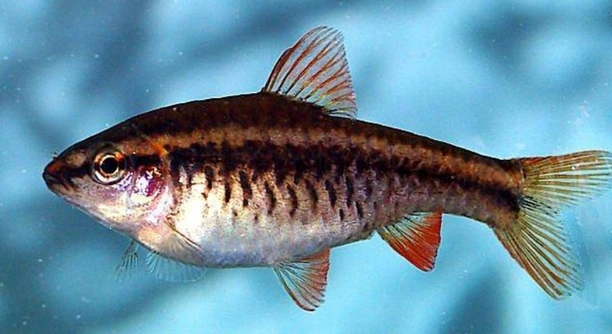
Cherry barbs are a popular choice for aquarium enthusiasts, but when they stop eating, it can be puzzling. Understanding why your cherry barb may be ignoring food is crucial to their care and well-being.
The main reason why your cherry barb may be ignoring food is stress, illness, or an inappropriate environment. Factors like water quality, tank mates, and even the type of food being offered can all play a role in their behavior.
There are several steps you can take to help your cherry barb return to its regular eating habits. Knowing how to address these issues is important for keeping your fish healthy and happy.
Stress and Environmental Factors
Fish are very sensitive to their environment. If there’s any change in their surroundings, it can cause stress, which might make them lose interest in food. Things like sudden temperature changes, water quality problems, or new tank mates can make your cherry barb feel anxious. Even loud noises or a lot of movement around the tank can stress them out. Stress weakens your fish’s immune system and can make them stop eating.
The water temperature in your tank should be consistent, and the pH level should match what your cherry barb prefers. Make sure your filtration system is working properly, and try to keep the tank calm and quiet.
Keeping a stable environment is crucial for your cherry barb’s health. If there’s any sudden change, they might feel stressed and lose their appetite. Be patient and observe if any specific factors are affecting them, such as loud sounds or drastic changes in the tank’s layout.
Illness or Injury
Sometimes, when a fish stops eating, it’s due to illness or injury. Cherry barbs are prone to common fish diseases like fin rot or parasitic infections, which can make them lose their appetite. Injuries from fighting with tank mates or accidents can also cause pain and stress, making them unwilling to eat.
If you notice signs like faded colors, lethargy, or unusual swimming patterns, it might be time to look for health problems. Treating your fish early is important to prevent further health issues.
Your cherry barb’s lack of appetite could be due to a health issue. Checking for physical signs of illness can help you pinpoint the cause and take action. Treating health problems early will increase the chances of a full recovery.
Water Quality Issues
Water quality plays a big role in your cherry barb’s health. If the water parameters aren’t right, your fish may feel uncomfortable and stop eating. It’s important to test the water regularly for ammonia, nitrites, and nitrates. High levels of these chemicals can cause stress and illness in fish, which could lead to a loss of appetite.
A proper filtration system is key to maintaining good water quality. Regular water changes are also essential to remove toxins. Check the water temperature and pH to ensure they’re within the range your cherry barb prefers. Maintaining a stable environment will encourage your fish to eat.
If your cherry barb isn’t eating, don’t ignore water quality. Poor conditions could be the reason for their behavior. By checking and adjusting the water regularly, you can create a healthier, more stable environment, allowing your fish to feel safe and comfortable enough to eat again.
Tank Mates and Social Behavior
Sometimes, the issue might not be the environment, but the social dynamics in the tank. Cherry barbs are peaceful fish, but aggressive tank mates can intimidate them and cause stress. If you’ve recently added new fish to the tank, they might be affecting your cherry barb’s eating habits.
Aggressive fish can chase or nip at cherry barbs, leading them to feel unsafe. This makes them less likely to come out and eat, especially during feeding time. Keep an eye on any interactions and make sure your fish are getting along.
To improve the situation, consider rearranging the tank or separating the more aggressive fish temporarily. If you find that certain tank mates are causing stress, you might need to find a more peaceful environment for your cherry barb. Social harmony is key to their well-being.
Feeding Habits and Preferences
Cherry barbs can be picky eaters. If you’re offering food that they don’t like, they might just ignore it. Experiment with different types of food, such as flakes, pellets, or live food, to see what they prefer. Sometimes, they might be uninterested if the food is too big or too small for them to eat.
You might need to adjust your feeding schedule as well. Some fish prefer smaller, more frequent feedings rather than large, infrequent meals. Paying attention to your cherry barb’s eating habits will help you provide food that matches their preferences.
Overfeeding or Underfeeding
Overfeeding is a common issue that can lead to a loss of appetite in fish. When you give your cherry barb too much food, the excess can affect water quality and make them less interested in eating. Make sure to feed small portions and remove any leftover food after a few minutes.
Underfeeding can also cause your cherry barb to lose interest in food. If they aren’t getting enough nutrients, they might become lethargic and stop eating. Be sure to provide a balanced diet to keep them healthy and encourage proper feeding habits.
Tank Size and Space
A cramped tank can make your cherry barb feel stressed and affect their appetite. They need enough space to swim and explore freely. If your tank is too small or overcrowded, your fish may not feel comfortable enough to eat. Consider upgrading to a larger tank if needed.
FAQ
Why is my cherry barb hiding and not eating?
Cherry barbs may hide when they are stressed, sick, or uncomfortable. Changes in water quality, aggressive tank mates, or sudden environmental shifts can cause them to seek shelter. Stress affects their appetite, making them less likely to come out and eat. Keep an eye on water conditions, temperature, and any aggressive fish in the tank to see if this is the cause. If they continue to hide, it might be worth checking for any signs of illness.
How often should I feed my cherry barb?
Cherry barbs are small fish and don’t need large meals. Feeding them once or twice a day with small portions is typically enough. It’s important not to overfeed as it can lead to water quality issues and loss of appetite. A few flakes or pellets at a time, with any leftover food removed after a few minutes, is a good feeding routine.
What should I do if my cherry barb stops eating for a long time?
If your cherry barb has gone without eating for several days, it could be a sign of stress or illness. Check the water quality, tank conditions, and tank mates for any potential issues. If the problem persists, consider separating your fish from the tank to observe them more closely or consult a veterinarian specializing in fish care for advice.
Can my cherry barb eat live food?
Yes, cherry barbs can eat live food, such as brine shrimp, daphnia, or bloodworms. Live food can sometimes encourage fish to eat if they’re not responding to regular pellets or flakes. However, live food should be given in moderation and properly cleaned to avoid introducing harmful bacteria into your aquarium.
What temperature is ideal for my cherry barb?
Cherry barbs thrive in temperatures between 75°F and 80°F (24°C to 27°C). Keeping the tank within this temperature range will help reduce stress and encourage normal feeding behavior. A stable environment is crucial, as fluctuations in temperature can negatively affect their appetite and overall health.
Can cherry barbs eat vegetables?
Yes, cherry barbs can eat certain vegetables. Blanched spinach, zucchini, and peas are some good options to include in their diet. Just be sure to remove any uneaten vegetables to prevent water contamination. Vegetables can add variety to their diet and keep them healthy, but they shouldn’t make up the majority of their food.
Why do cherry barbs ignore certain types of food?
Cherry barbs can be picky when it comes to food. They may avoid food that is too large, has an unusual texture, or is unfamiliar. Try offering different brands or types of flakes, pellets, or frozen foods to see what they prefer. If your cherry barb isn’t eating a specific food, try soaking the food in tank water to make it more appealing.
What is the best tank size for cherry barbs?
Cherry barbs are small and can live comfortably in a 20-gallon tank with proper filtration. They enjoy swimming in open spaces, so providing a larger tank with plenty of swimming room is ideal. Overcrowding can stress your cherry barb and impact their eating habits, so always ensure your tank size is appropriate for the number of fish you have.
Can my cherry barb be stressed by other fish in the tank?
Yes, cherry barbs can become stressed by more aggressive tank mates. If they feel threatened or harassed, they may stop eating or become more reclusive. Choose peaceful fish that won’t bully or chase your cherry barb. Additionally, make sure that your tank has enough hiding places so your cherry barb can feel safe.
How can I improve my cherry barb’s appetite?
To encourage your cherry barb to eat, make sure the water conditions are optimal. A stable temperature, clean water, and peaceful tank mates are essential. Offer a variety of foods to see what your fish prefers. Adding live food occasionally can also help spark their interest. Keep the tank environment calm and stress-free to promote healthy eating habits.
Should I remove uneaten food from the tank?
Yes, removing uneaten food is important. Leftover food can decay, causing poor water quality, which may lead to health issues and loss of appetite in your cherry barb. After a few minutes of feeding, take out any uneaten food to maintain clean water and ensure your fish has a healthy environment.
Can cherry barbs eat too much?
Yes, overfeeding your cherry barb can lead to health problems, including obesity and poor water quality. It’s important to feed them only as much as they can eat in a few minutes, ensuring there is no leftover food. Overfeeding can also cause your fish to stop eating due to the stress it causes in the tank. Stick to a consistent feeding schedule and monitor their food intake.
What are signs that my cherry barb is sick?
If your cherry barb stops eating, becomes lethargic, or shows abnormal swimming patterns, it could be a sign of illness. Other symptoms include faded colors, clamped fins, or spots on the body. If you notice these signs, check the water quality and consider isolating your fish to prevent the spread of disease. Consulting a veterinarian can help determine the cause.
Can cherry barbs eat frozen food?
Yes, cherry barbs can eat frozen food, such as bloodworms, brine shrimp, or daphnia. Frozen food is a good way to provide variety in their diet and can be more appealing to fish than dry food. Just make sure to thaw the food before offering it to your fish and remove any uneaten portions to avoid water contamination.
Why do my cherry barbs swim near the surface but not eat?
If your cherry barbs are swimming near the surface but not eating, they might be feeling stressed or uncomfortable with the water conditions. Check the oxygen levels and make sure the water temperature and quality are suitable. Sometimes, fish swim near the surface due to low oxygen or high ammonia levels in the tank.
Can cherry barbs go without food for a few days?
Cherry barbs can go without food for a couple of days without harm, especially if they are healthy and not stressed. However, if your fish stops eating for more than three days, it could indicate a health issue. Always monitor your fish’s behavior and look for any signs of stress or illness if they refuse food.
Final Thoughts
If your cherry barb is ignoring food, it’s important to consider all the factors that might be affecting them. Fish, like all pets, are sensitive to their environment. Stress, poor water quality, tank mates, or even illnesses can cause your cherry barb to lose interest in food. It’s crucial to regularly monitor the water quality, temperature, and general tank conditions to ensure that they’re in a stable and comfortable environment. If any issues are found, addressing them promptly will help restore your fish’s appetite.
It’s also worth considering your fish’s diet and feeding habits. Cherry barbs can be picky eaters, so offering a variety of foods might encourage them to eat. Live food, for instance, can sometimes spark their interest if they’ve turned away from regular pellets or flakes. Keep feeding times consistent and avoid overfeeding, as this can negatively affect their eating habits and overall health. Experimenting with different types of food may help determine what your fish prefers and encourage them to eat.
In some cases, cherry barbs might stop eating due to stress from their tank mates. If there are aggressive or dominant fish in the tank, it can create an environment where your cherry barb feels threatened. Keeping peaceful and compatible fish together is key to maintaining a healthy tank and a happy cherry barb. Additionally, if the problem persists despite addressing the environment, food, and tank mates, it may be time to consult a veterinarian who specializes in fish care. Taking a comprehensive approach will help you keep your cherry barb healthy and ensure they’re getting the nutrients they need.

Hello,
If you enjoy the content that we create, please consider saying a "Thank You!" by leaving a tip.
Every little bit helps us continue crafting quality advice that supports the health, happiness, and well-being of pets around the world, for pets of all shapes, sizes, and species.
We really appreciate the kindness and support that you show us!