
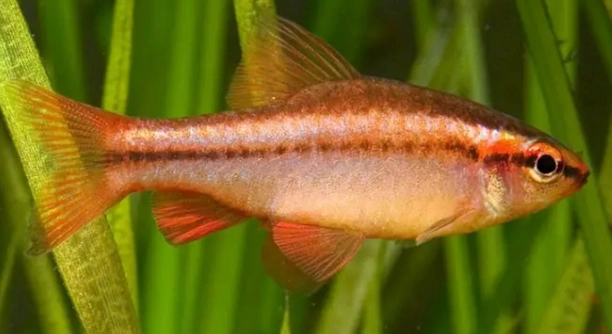
Cherry barbs are a popular species among aquarium enthusiasts. They are known for their vibrant colors and active behavior. Understanding why they prefer to be in groups can help improve their care and well-being.
Cherry barbs are social fish that thrive in groups. In the wild, they form schools to feel secure and reduce stress. Being around others provides them with a sense of safety and encourages natural behaviors, such as feeding and swimming.
Group living offers cherry barbs the security and social interaction they need to thrive. Their behavior is greatly influenced by the presence of other fish in their environment.
Why Do Cherry Barbs Feel More Comfortable in Groups?
Cherry barbs are not solitary creatures. In their natural habitat, they swim in schools to stay safe. When kept in aquariums alone, they often display stress-related behaviors like hiding or becoming lethargic. In contrast, in a group, they interact with one another and feel more secure. This social structure is important for their overall health. Without the presence of other cherry barbs, they can become anxious, affecting their appetite and activity levels.
The key to a healthy, thriving cherry barb tank is ensuring that they are not alone. Their need for social interaction is just as essential as proper water conditions and food. A group allows cherry barbs to express natural behaviors like schooling and exploring.
When cherry barbs are kept in groups, they exhibit more vibrant colors and more active behavior. They are less likely to hide or become overly territorial. The social environment helps to reduce stress and supports their health, making the experience more rewarding for both the fish and the keeper.
The Right Size Group for Cherry Barbs
A group of at least five cherry barbs is recommended for a balanced, stress-free environment. In a larger school, they feel more comfortable and can establish a natural social structure.
The size of the group influences how the cherry barbs behave. A smaller group may not provide enough social interaction, leaving fish more prone to stress. By maintaining a larger group, the fish can spread out, allowing them to interact without feeling crowded.
Benefits of Group Living for Cherry Barbs
Being in a group offers cherry barbs a sense of safety, which reduces their stress levels. They feel more secure and active, allowing them to engage in their natural behaviors. This can also lead to better health and longer lifespans.
Cherry barbs in groups are more likely to exhibit their full range of behaviors. They swim together, explore their tank, and even establish social hierarchies. In the absence of other fish, they may become withdrawn, lose color, or even refuse to eat. A group helps them maintain healthy, active lives, mimicking their behavior in the wild.
Group living also encourages cherry barbs to be more visible and social. In a solitary environment, they tend to hide more and may appear inactive. With the company of others, they swim around more, showing off their colorful markings and engaging with their environment in a more lively way.
Maintaining a Healthy Group of Cherry Barbs
Providing enough space for a group of cherry barbs is essential to prevent overcrowding. It’s important to keep at least five barbs together in a well-maintained aquarium.
A larger tank with proper filtration and water conditions helps ensure that the group remains healthy. Cherry barbs are relatively small fish, but they still require enough space to swim freely. When kept in cramped conditions, they may become stressed or aggressive. Regular water changes and monitoring water quality also play a role in keeping the fish comfortable and happy. With adequate space, they can engage in natural schooling behavior without feeling restricted.
Social Hierarchy in Cherry Barb Groups
In a group, cherry barbs naturally form a social hierarchy. Dominant individuals lead, while others follow. This social structure provides stability and can help reduce stress by giving each fish a sense of purpose and role.
A healthy hierarchy helps cherry barbs feel secure in their environment. The more dominant fish tend to swim at the front, while others stay towards the middle or rear. This behavior mimics their natural habitat, where they stick together for safety. As a result, the entire group feels more cohesive and less anxious.
Cherry Barbs and Tankmates
Cherry barbs are peaceful fish and do well with other calm species. In a community tank, they interact with other fish without showing aggression.
When choosing tankmates, ensure the fish are similar in size and temperament. Avoid aggressive or overly active species, as they could cause stress to the barbs. A calm community setup encourages better social behavior and reduces competition for space and food.
The Importance of Varied Diets
Cherry barbs thrive on a balanced diet that includes both plant-based and protein-rich foods. Offering variety ensures they get the nutrients they need for good health.
A diet rich in high-quality flakes, pellets, and occasional live or frozen food helps cherry barbs stay active. They are omnivores and benefit from a mix of vegetables and proteins. Regular feeding boosts their immune system, supports growth, and helps maintain vibrant colors.
FAQ
Why do cherry barbs need to be in groups?
Cherry barbs are social fish that thrive in groups. In nature, they live in schools to protect themselves from predators and feel more secure. When kept alone, they often become stressed, which can impact their health, behavior, and overall well-being. A group helps them engage in their natural activities, such as schooling, interacting, and foraging, leading to happier, healthier fish. Keeping them in groups reduces their stress and allows them to express their natural behaviors.
How many cherry barbs should be kept together?
The ideal number of cherry barbs in a group is at least five. This number provides enough social interaction, allowing the fish to feel secure and active. While a smaller group might seem manageable, it can cause the fish to experience stress and even show signs of aggression. A group of five or more allows them to interact freely and maintain healthy social structures, which is essential for their overall well-being.
Can cherry barbs live with other fish?
Yes, cherry barbs are peaceful and make great tankmates for other non-aggressive species. They do well in community tanks with other calm, similar-sized fish. Avoid placing them with aggressive or overly active species, as these could cause stress or territorial disputes. Best tankmates include other small peaceful fish, such as tetras, rasboras, or small catfish.
What size tank do cherry barbs need?
A minimum tank size of 20 gallons is recommended for a small group of cherry barbs. This provides enough swimming space and ensures the water remains stable, as cherry barbs are sensitive to changes in water quality. A larger tank is always better, especially if you’re keeping a group of five or more. Ensure the tank is well-filtered to maintain water quality and prevent stress.
What should I feed cherry barbs?
Cherry barbs are omnivores and thrive on a varied diet. High-quality flakes or pellets should form the base of their diet, supplemented with occasional live or frozen food, such as brine shrimp, daphnia, or bloodworms. They also enjoy leafy greens like spinach or blanched zucchini. Providing a balanced diet helps maintain their color and supports overall health.
How often should I feed cherry barbs?
Feed cherry barbs small amounts of food 2-3 times per day. They have small appetites, and overfeeding can lead to water quality issues. Only feed them what they can consume in a few minutes to prevent uneaten food from polluting the tank. A varied diet ensures they get all the nutrients they need without overfeeding.
Are cherry barbs easy to care for?
Yes, cherry barbs are relatively low-maintenance and easy to care for. They are hardy fish that can adapt to a variety of water conditions, although they prefer a slightly acidic to neutral pH. Regular water changes, good filtration, and a balanced diet are all that is needed to keep them healthy. Their peaceful nature and small size make them a great choice for beginner aquarists.
How can I tell if my cherry barb is stressed?
Stressed cherry barbs may exhibit signs like fading colors, reduced activity, or hiding more than usual. They may also stop eating or show aggressive behavior towards other fish. If you notice these signs, check the water quality, ensure they are not overcrowded, and ensure they are in a group of at least five fish. Stress can also be caused by sudden changes in water temperature or poor water conditions.
Can cherry barbs breed in captivity?
Yes, cherry barbs can breed in captivity if given the right conditions. They are egg scatterers, meaning the female releases eggs that the male fertilizes. To encourage breeding, provide a separate breeding tank with soft, slightly acidic water and plenty of plants for the eggs to attach to. After spawning, remove the adult fish to protect the eggs from being eaten. The fry hatch in about 24-48 hours and should be fed with finely crushed food or infusoria.
Do cherry barbs need a heater?
Cherry barbs prefer a temperature range of 72-80°F (22-27°C). While they can tolerate slight temperature fluctuations, it’s best to keep a heater in the tank to maintain a consistent temperature. Fluctuating temperatures can cause stress, so a reliable heater ensures they stay in their preferred range for optimal health.
What are the common diseases cherry barbs face?
Like many fish, cherry barbs are prone to common aquarium diseases, such as ich, fin rot, and fungal infections. Keeping the tank clean and maintaining good water quality is key to preventing these issues. If a disease is suspected, it’s important to isolate the affected fish and treat them accordingly. Regular water changes and avoiding overcrowding can help prevent illness in the first place.
Can cherry barbs live with other species of barbs?
Yes, cherry barbs can live with other species of barbs, as long as the other species are peaceful and not too aggressive. Barbs can sometimes show aggression towards each other, so ensure there is enough space in the tank and that the species you choose have similar temperaments. Larger, more active barbs may intimidate cherry barbs and cause stress.
How long do cherry barbs live?
Cherry barbs can live for 3 to 5 years, depending on the care they receive. Providing a stable environment, maintaining good water quality, and feeding them a balanced diet can help extend their lifespan. Regular monitoring of their health and behavior also plays a role in ensuring they live a long and healthy life.
Can I keep cherry barbs in a planted tank?
Yes, cherry barbs do well in planted tanks. They enjoy swimming through the plants and hiding among them. Plants also help maintain water quality by absorbing excess nutrients and providing oxygen. Just ensure there is enough swimming space for the fish, and the plants are well-maintained to avoid overcrowding.
Are cherry barbs active fish?
Yes, cherry barbs are active fish, especially when kept in a group. They enjoy swimming together and exploring their environment. In a solitary setting, they may become less active and more lethargic, but in a group, they are lively and engaging. This behavior makes them fun to watch and adds movement to your tank.
What water conditions do cherry barbs need?
Cherry barbs prefer a slightly acidic to neutral pH (6.5-7.5) and a temperature range of 72-80°F (22-27°C). They can tolerate a variety of water conditions but thrive in stable environments. Regular water changes and proper filtration are essential to maintain these conditions and keep the fish healthy. Avoid rapid changes in water parameters, as this can stress them out.
Do cherry barbs need a filter?
Yes, cherry barbs need a filter to keep the water clean and maintain proper oxygen levels. A filter helps remove waste and debris, preventing the build-up of harmful toxins in the water. Make sure the filter is appropriate for the size of your tank and does not create strong currents, as cherry barbs prefer calm water.
Final Thoughts
Cherry barbs are peaceful, social fish that thrive in groups, making them an ideal choice for community tanks. Their vibrant colors and calm nature make them an attractive addition to any aquarium. By keeping them in groups of five or more, you provide the social structure they need to feel secure and active. Their ability to coexist peacefully with other non-aggressive fish makes them versatile tankmates. Cherry barbs are relatively low-maintenance and adaptable, which makes them a great option for both new and experienced aquarists.
A proper setup is essential for the well-being of cherry barbs. Providing a tank of at least 20 gallons with good filtration, stable water parameters, and regular maintenance ensures their health. They thrive in slightly acidic to neutral water conditions, with a temperature range between 72-80°F (22-27°C). Their diet should include a variety of foods, such as high-quality pellets, flakes, and occasional live or frozen treats. With proper care, they can live for several years, contributing to a balanced, thriving aquarium.
In conclusion, keeping cherry barbs in a group helps ensure they remain happy and healthy. Their need for companionship and their ability to interact with other peaceful species make them an excellent choice for a community tank. With minimal care requirements, including proper water conditions and diet, cherry barbs can become a long-term addition to your aquarium. Their social nature and beautiful appearance offer both visual appeal and engaging behavior, making them a joy to observe in any home aquarium setup.

Hello,
If you enjoy the content that we create, please consider saying a "Thank You!" by leaving a tip.
Every little bit helps us continue crafting quality advice that supports the health, happiness, and well-being of pets around the world, for pets of all shapes, sizes, and species.
We really appreciate the kindness and support that you show us!