
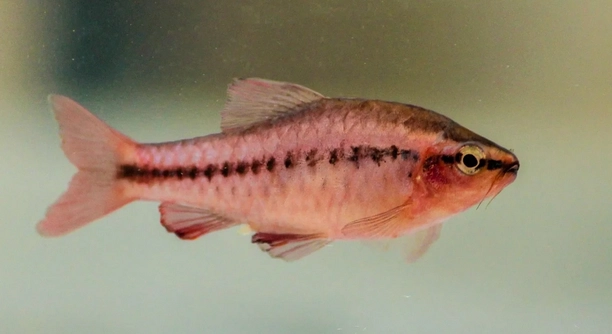
Cherry barbs are small, colorful fish that are often kept in aquariums. But what about keeping them in outdoor ponds? This article explores the potential of housing cherry barbs in a pond environment, considering their needs and challenges.
Cherry barbs can be kept in outdoor ponds, but they require specific conditions to thrive. They need stable water temperature, proper filtration, and protection from predators. Ponds with plenty of plants and hiding spots provide the ideal environment for these fish.
Maintaining a healthy pond ecosystem for cherry barbs requires attention to water quality and temperature. Understanding these key factors will help you ensure the well-being of your fish in an outdoor setting.
Requirements for Cherry Barbs in Outdoor Ponds
Cherry barbs are sensitive to extreme temperature fluctuations, making them a bit tricky to keep in outdoor ponds, especially in climates with cold winters or very hot summers. These fish typically thrive in temperatures ranging from 72°F to 78°F, which might be challenging to maintain in an outdoor pond. In colder climates, the water temperature could drop too low during winter, potentially stressing the fish or even causing them harm. During summer, the water could heat up beyond their comfort range, leading to oxygen depletion. To ensure the health of cherry barbs in an outdoor pond, it’s crucial to install a water heater or a filtration system that helps regulate temperature and keeps the water moving.
Adding plants and creating shaded areas is also essential, as cherry barbs are accustomed to places where they can hide and feel secure. They also benefit from a balanced ecosystem, which includes algae, snails, and other organisms that help maintain water quality. These elements work together to replicate a natural environment for the fish.
Setting up an outdoor pond with cherry barbs in mind requires careful consideration of the climate and the pond’s size. You must make sure the pond is large enough to provide ample space for swimming and hiding. This helps cherry barbs feel comfortable and reduces stress. Regular water testing is also essential to keep the levels of ammonia, nitrate, and nitrite in check. By maintaining a stable environment, you can create a thriving outdoor home for cherry barbs.
Water Quality and Filtration
Good water quality is vital for cherry barbs. These fish are not particularly hardy and can be affected by poor water conditions. To avoid water contamination, installing a filtration system is a must. Regularly changing water and removing debris helps keep the pond’s ecosystem balanced.
Water changes, alongside a reliable filtration system, remove harmful substances and help create a healthier environment for cherry barbs. Ammonia buildup is particularly dangerous, so it’s important to keep the pond’s filtration system running efficiently. A well-maintained filtration system also supports the growth of beneficial bacteria, which help break down waste products. This keeps the water oxygenated, preventing problems such as algae blooms and oxygen depletion.
Regular testing of the water pH, hardness, and other factors is essential for maintaining optimal conditions. Healthy water is crucial for the longevity and happiness of cherry barbs in outdoor ponds, ensuring they stay vibrant and active. Proper water care is necessary for keeping these fish in good health.
Temperature Control for Cherry Barbs in Outdoor Ponds
Maintaining the right water temperature for cherry barbs is essential. They thrive in moderate temperatures and can suffer when exposed to extreme cold or heat. Consider the seasonal changes and adjust the pond environment accordingly.
Using a pond heater in winter helps keep the temperature stable and prevents water from freezing. During hot months, consider adding shaded areas to the pond, such as floating plants or a canopy, to keep the water cool. Ensuring the pond has proper aeration also helps maintain oxygen levels during warmer months, which is essential for cherry barbs to stay healthy.
Adding temperature-controlled devices like heaters and fans is crucial for ensuring a comfortable habitat for cherry barbs. This also reduces the likelihood of stress, which can lead to health issues. Monitoring temperature changes regularly and adjusting as needed helps keep cherry barbs happy and active in your outdoor pond year-round.
Pond Size and Cherry Barb Comfort
The size of your pond plays a significant role in the well-being of cherry barbs. These small fish require ample swimming space to avoid stress and to thrive. A larger pond with plenty of hiding spots provides a healthier environment.
In a pond, cherry barbs will naturally gravitate toward areas with plants or structures to hide. A pond with a diverse arrangement of plants and rocks ensures that the fish have both shelter and space to explore. These fish enjoy moving around, so a pond too small can result in stunted growth or health problems. If the pond is large enough, the fish will also have more natural food sources like algae or small insects, contributing to their overall well-being.
To give your cherry barbs a comfortable home, aim for a pond that is at least 50 gallons in size, though bigger is always better. Larger ponds also make it easier to maintain balanced water parameters, which are vital for fish health. This will also reduce the risk of overcrowding, a common issue in smaller ponds.
Predators and Cherry Barbs in Outdoor Ponds
Protecting cherry barbs from predators is essential in an outdoor pond setting. Birds, larger fish, and even raccoons can pose a threat. It’s important to make the pond a safe space for them to thrive.
To prevent predators from causing harm, add netting or install pond covers to protect the fish. Floating plants can also serve as hiding spots, where cherry barbs can escape from predators’ sight. Fencing around the pond area is another way to reduce risks, especially from land-based predators like raccoons or cats.
Pond Plants for Cherry Barb Habitat
Pond plants are key to creating a comfortable environment for cherry barbs. These plants not only provide shelter and shade but also help keep the water clean and oxygenated. Floating plants like water lilies or duckweed work particularly well.
Adding submerged plants such as hornwort or elodea helps maintain water quality by absorbing excess nutrients and providing additional hiding places for the fish. Plants also support the natural ecosystem, which benefits the fish. The plants help balance the pond by preventing algae overgrowth and stabilizing the water’s pH. A mix of plants is ideal for creating a natural, thriving environment for cherry barbs.
Filtration Systems for Cherry Barbs
A reliable filtration system is necessary for maintaining clean water in an outdoor pond. Cherry barbs are particularly sensitive to poor water conditions, and a good filter can help manage waste and toxins.
Proper filtration will remove excess debris, uneaten food, and fish waste, preventing harmful buildups in the water. Additionally, maintaining a filter system ensures oxygen levels stay high and helps with water circulation. A strong filtration system also reduces the chances of algae blooms, which can cloud the water and affect the health of the fish. Regular cleaning of the filter ensures that it continues to work efficiently, maintaining optimal water quality for cherry barbs.
FAQ
Can cherry barbs survive in cold weather?
Cherry barbs are not cold-water fish and can struggle to survive in temperatures below 60°F. While they can tolerate brief periods of cooler water, prolonged exposure to cold temperatures can stress them and even lead to death. In regions with harsh winters, it’s essential to bring cherry barbs indoors or use a pond heater to maintain a stable, moderate temperature year-round.
How can I prevent cherry barbs from jumping out of the pond?
Cherry barbs are known to jump, especially when they feel threatened or stressed. To prevent them from jumping out of your pond, you can install a mesh or netting over the water. This will provide a barrier without restricting their movement or enjoyment. Additionally, ensuring that the water is calm and there are plenty of hiding spots may reduce stress and minimize jumping.
Do cherry barbs need a lot of space in a pond?
Cherry barbs are small fish, but they still require ample space to swim and explore. A minimum of 50 gallons is recommended for a small group of cherry barbs. A larger pond will allow for better water quality and a more natural environment. Providing a large space with plenty of plants, rocks, and other hiding places will help keep your fish healthy and reduce stress.
Can cherry barbs be kept with other fish?
Cherry barbs are peaceful and can be kept with other small, non-aggressive fish. However, it is important to choose tank mates carefully. Larger or more aggressive fish may harass or eat cherry barbs. Ideal tank mates include small species such as guppies, tetras, and other peaceful barbs. Always monitor the fish’s behavior to ensure compatibility.
What type of pond plants should I have for cherry barbs?
Pond plants are crucial for providing shelter and creating a balanced ecosystem in your pond. Cherry barbs enjoy hiding in plants, and plants help maintain water quality. Floating plants like water lilies, water lettuce, or duckweed are excellent choices. Submerged plants such as hornwort and elodea also help oxygenate the water and offer additional hiding spots for the fish.
How do I maintain water quality for cherry barbs?
Maintaining water quality is vital for the health of cherry barbs. Regular water changes are essential to keep ammonia, nitrites, and nitrates in check. Installing a good filtration system helps keep the water clean and oxygenated. Test the water regularly for pH, hardness, and temperature to ensure that the conditions are suitable for the fish. A balance of plants and proper filtration will help maintain a healthy environment.
What should I feed cherry barbs in an outdoor pond?
Cherry barbs are omnivores and will eat a variety of foods. In an outdoor pond, they will naturally feed on small insects, algae, and plant matter. You can supplement their diet with high-quality fish pellets or flakes. Offering frozen or live foods such as daphnia or bloodworms can also be a good addition. Be sure to avoid overfeeding, as uneaten food can pollute the water.
How can I tell if my cherry barbs are stressed?
Signs of stress in cherry barbs include erratic swimming, hiding more than usual, loss of color, or refusal to eat. Stress can be caused by poor water conditions, overcrowding, incompatible tank mates, or temperature fluctuations. If you notice these signs, it’s important to test the water and make sure all conditions are optimal. Reducing stress by providing hiding spots and maintaining stable environmental conditions is key.
Can cherry barbs live in ponds with predators?
Cherry barbs are at risk from predators like larger fish, birds, or even land animals such as raccoons. To protect your fish, consider adding protective measures such as pond netting or a secure cover. Floating plants or submerged structures can also offer hiding spaces. Fencing around the pond can help deter larger predators from accessing your fish.
Are cherry barbs hardy in outdoor ponds?
Cherry barbs are generally hardy in outdoor ponds as long as the conditions are right. They are not suited for extreme temperatures or poor water quality. With proper care, such as monitoring water temperature, maintaining filtration, and providing adequate protection from predators, cherry barbs can live happily outdoors. Be sure to adjust the pond environment as the seasons change to ensure the fish’s continued health.
What’s the best pond size for cherry barbs?
A pond size of at least 50 gallons is recommended for a small group of cherry barbs. This gives them plenty of room to swim, explore, and find shelter. Larger ponds are better as they provide more space for the fish and help maintain stable water parameters. The more space, the better the water quality and the health of your fish.
Final Thoughts
Cherry barbs can be a beautiful and peaceful addition to any outdoor pond, provided their environment is properly managed. They are hardy fish that can adapt to a variety of pond conditions but require some care to thrive. Maintaining the right water temperature, ensuring the pond is large enough, and keeping predators at bay are key factors in providing a healthy habitat for these fish. With proper attention, cherry barbs can live happily in an outdoor pond, offering a vibrant splash of color to your garden.
A well-maintained pond that includes the right plants, filtration, and space will help cherry barbs feel secure and healthy. Pond plants are not only important for shelter and aesthetic value but also play a role in oxygenating the water and controlling algae growth. Choosing compatible tank mates is also crucial to ensuring that cherry barbs are not stressed by aggressive fish. Monitoring water quality and maintaining the pond’s filtration system are essential for long-term success.
While cherry barbs are relatively easy to care for, their well-being depends on your willingness to provide them with the right environment. Ensuring that the pond is safe, clean, and free of extreme temperatures will help these fish live their best lives. Cherry barbs, when given the proper attention, can become a low-maintenance yet rewarding feature in your outdoor pond, enhancing the beauty of your aquatic space.

Hello,
If you enjoy the content that we create, please consider saying a "Thank You!" by leaving a tip.
Every little bit helps us continue crafting quality advice that supports the health, happiness, and well-being of pets around the world, for pets of all shapes, sizes, and species.
We really appreciate the kindness and support that you show us!