
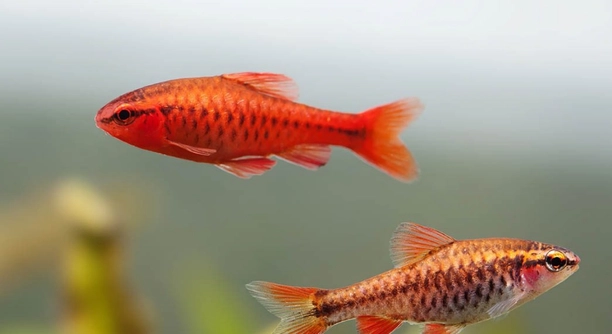
Keeping a cherry barb tank clean is essential for the health of your fish and the beauty of your aquarium. Over time, tanks can accumulate debris that affects water quality. Regular maintenance ensures a thriving environment for your fish.
Your cherry barb tank may need cleaning when you notice excess algae, poor water quality, or a noticeable decline in fish activity. Uneaten food and waste buildup can create harmful conditions, leading to stress and illness in your fish.
Regular tank cleaning helps maintain a balanced ecosystem and keeps your fish healthy. Knowing the signs will make it easier to care for your tank and prevent potential problems.
Algae Growth and Cloudy Water
Algae growth is one of the most common signs that your cherry barb tank needs cleaning. Over time, excess light or nutrients can lead to algae buildup on surfaces, making the water look cloudy. If you notice a greenish tint or algae covering your tank decorations, it’s time for a clean-up. Algae thrives when nutrients like nitrogen and phosphates build up in the water, often from leftover food or fish waste.
Excessive algae can not only make the tank look unappealing, but it can also reduce oxygen levels, which are essential for the fish’s health. Cleaning the tank regularly helps keep algae growth under control.
To prevent algae growth, reduce the amount of light the tank receives each day and keep up with water changes. Algae eaters can also help, but they won’t fully replace the need for regular cleaning. Keeping the tank clean ensures your fish have the best environment to thrive in.
Uneaten Food and Buildup of Debris
Uneaten food can quickly become a problem in a cherry barb tank. If you notice pieces of food floating around or sinking to the bottom, it means your fish are not eating everything they’re given. This leftover food will decompose and contribute to poor water quality, which can harm your fish.
It’s important to only feed your cherry barbs what they can eat in a few minutes to avoid excess food. However, even with careful feeding, some food will inevitably settle on the substrate or hide in the tank corners.
To prevent waste buildup, remove any uneaten food within a few hours. This practice, along with regular water changes, will keep the tank clean. A good filter will help too, but it’s crucial to avoid overfeeding and to clean the tank regularly. Your fish will thrive when their living space is free of food debris and waste.
Poor Water Quality
When the water in your tank starts looking or smelling bad, it’s a clear sign it needs cleaning. High levels of ammonia, nitrites, and nitrates can build up, which are harmful to your fish. Cloudy water, foul odors, or fish acting strangely usually point to a water quality issue.
To fix poor water quality, start by testing your tank’s water. High levels of ammonia or nitrites can indicate a need for more frequent water changes or better filtration. Always change 20-30% of the water regularly to keep things balanced. Avoid overfeeding, as this can contribute to poor water quality.
If you notice fish gasping at the surface or showing signs of stress, it may be a result of dirty water. Regular cleaning, water changes, and proper filtration will help keep your tank’s water clean and your fish healthy. Keep track of water parameters and adjust your cleaning routine as needed to maintain a stable environment.
Fish Behavior Changes
Sometimes your cherry barbs may start acting differently when the tank is in need of cleaning. If they’re more lethargic or spend a lot of time hiding, poor water quality could be to blame. Fish behavior changes are a sign that their environment isn’t as healthy as it should be.
Stress from a dirty tank can weaken the fish’s immune system, making them more vulnerable to illness. They may stop eating or begin to show signs of distress, such as rapid gill movement or erratic swimming. Cleaning the tank will help restore a stable environment and reduce stress.
Always observe your fish closely to catch any early signs of stress. A sudden change in behavior is often one of the first indicators that something is wrong in the tank. By addressing the issue promptly, you can help your fish recover quickly and prevent long-term health problems.
Filter Inefficiency
If your filter isn’t working properly, debris and waste can quickly build up in the tank, affecting water quality. Over time, filters become clogged with dirt and need cleaning or replacement. When this happens, you may notice the water turning cloudy and less oxygen available for your fish.
Even the best filters need maintenance. Cleaning or replacing the filter media regularly ensures it runs efficiently. If your filter has become too weak to do the job, consider upgrading to one with a higher flow rate. This will keep your tank cleaner and healthier for your fish.
Unpleasant Odors
Bad smells coming from your tank usually mean that organic matter, such as fish waste, is breaking down improperly. As waste decomposes, it releases gases that can make your tank smell unpleasant. Cleaning the tank will help remove excess waste and improve water conditions.
Proper filtration and routine cleaning will reduce odor buildup. Keep an eye on the water quality and perform regular water changes to maintain a clean environment. This simple step will help keep your tank smelling fresh and your fish happy.
Visible Waste and Dead Plant Matter
If you see visible waste or dead plant material floating around the tank, it’s time to clean. Uneaten food, fish droppings, and decaying plants can quickly pollute the water. Removing these things prevents water quality issues and keeps your tank looking tidy.
FAQ
How often should I clean my cherry barb tank?
It’s important to clean your cherry barb tank regularly to maintain a healthy environment. Typically, you should aim to clean your tank every two weeks, but this can vary depending on tank size, the number of fish, and filtration. Performing partial water changes (about 20-30%) during these cleanings helps keep things in balance. If you notice algae or debris building up between cleanings, you may need to clean more frequently. Always check the water parameters to determine the best cleaning schedule for your tank.
Can I just clean the filter instead of doing a full tank cleaning?
Cleaning the filter is an essential part of tank maintenance, but it shouldn’t replace regular full tank cleanings. The filter helps remove waste, but other areas in the tank, like the substrate, decorations, and water surface, can still accumulate debris. While cleaning the filter, be sure to clean the tank itself, too, to prevent waste from building up in areas the filter doesn’t reach.
How can I prevent algae from growing in my tank?
To prevent algae growth in your tank, limit the amount of light your cherry barbs are exposed to. Excess light encourages algae growth, so reduce light exposure to around 8-10 hours a day. Also, avoid overfeeding, as uneaten food can provide nutrients for algae. Regularly remove any visible algae and clean surfaces where algae might be growing, like glass and decorations. Using an algae-eating fish or snail can also help manage algae levels, but it shouldn’t replace regular cleaning.
Why is my water cloudy even after cleaning?
Cloudy water can happen for a variety of reasons, even after cleaning. One common cause is bacterial blooms, which occur when organic matter like fish waste or uneaten food breaks down too quickly. This can happen if the tank isn’t properly filtered or if the water parameters are off. Another possibility is that the filter isn’t working effectively or has become clogged. Make sure your filter is clean, and test the water for ammonia, nitrites, and nitrates. Perform water changes and keep the filter running smoothly to help clear up the water.
Should I remove the fish when cleaning the tank?
In most cases, you don’t need to remove your fish when cleaning the tank. However, be careful not to disturb them too much during cleaning. If you’re doing a deep clean, like scrubbing the substrate or making significant water changes, it’s a good idea to temporarily move the fish to a separate container to avoid stress. Always ensure the water temperature and parameters in the temporary tank are the same as the main tank.
What should I do if my cherry barbs aren’t eating after cleaning?
If your cherry barbs stop eating after cleaning, it could be due to stress from the cleaning process or changes in water parameters. Ensure that the water is at the right temperature and pH, and that there are no harmful chemicals or cleaners left behind. Sometimes, the fish need a bit of time to adjust after the cleaning. If they still won’t eat after a day or two, check for other signs of stress or illness. If necessary, test the water quality and make sure everything is within the proper range.
How do I know when the tank needs a deep cleaning?
A deep cleaning is necessary when you notice that regular cleaning isn’t enough to keep the tank healthy. Signs of needing a deep clean include heavy algae growth, a noticeable decrease in water quality, or visible debris that the filter can’t remove. If the tank’s filter isn’t functioning properly or if the substrate is heavily covered in waste, a deep clean will help restore balance. During a deep clean, scrub the tank walls, decorations, and substrate. Be sure to do a water change as well.
Can I use soap or chemicals to clean my tank?
Never use soap or any household cleaners to clean your aquarium. These chemicals can leave harmful residues that are toxic to your fish. Always clean the tank with just water, and if necessary, use aquarium-safe cleaners or a vinegar solution to tackle stubborn algae. Rinse everything thoroughly with water before putting it back in the tank. It’s important to avoid any cleaners that could harm your fish.
What do I do if my tank smells bad after cleaning?
If your tank smells bad even after cleaning, it’s usually a sign that something is wrong with the water quality. There may be decomposing food, fish waste, or even dead plant matter that you missed during the cleaning. Check the filter to make sure it’s working properly and remove any visible debris. Perform a partial water change and test the water for ammonia, nitrites, and nitrates. High levels of these can cause unpleasant odors. Consistent maintenance and proper water changes can help prevent bad smells in the future.
Is it safe to do a 50% water change at once?
While it’s generally safe to do a large water change, such as 50%, it’s better to do this gradually to avoid shocking your fish. If you change too much water at once, the sudden drop in water temperature, pH, or oxygen levels could stress your cherry barbs. It’s best to break large water changes into smaller steps or ensure the new water matches the temperature and parameters of the tank as closely as possible. Regular, smaller water changes are usually better for maintaining stability.
What’s the best way to clean my substrate?
To clean your substrate, use a gravel vacuum during water changes. The vacuum pulls up debris from the substrate while replacing the water. It’s important not to disturb the substrate too much, as this can cause harmful bacteria to be released. For heavily soiled substrate, you can gently stir it with your hand or a tool to loosen debris before vacuuming. Be sure to clean the substrate regularly to avoid waste buildup.
How do I know if my fish are stressed from cleaning?
Fish can show signs of stress after tank cleaning in various ways, including erratic swimming, hiding more than usual, or rapid breathing. They may also stop eating or seem lethargic. If you notice these behaviors, check the water quality to ensure it is within the proper range. Try not to clean too much at once, and give the fish time to adjust to the changes. If the stress continues, look for other potential issues, such as temperature or filtration problems.
Keeping your cherry barb tank clean is essential for the health and well-being of your fish. Regular maintenance helps maintain water quality, reduces algae growth, and ensures that your tank stays visually appealing. When you notice signs like cloudy water, fish behavior changes, or visible waste buildup, it’s a sign that the tank needs attention. These are simple indicators that cleaning the tank can improve the overall health of your fish and make your aquarium a more enjoyable environment to look at.
It’s important to understand that cleaning a tank isn’t just about aesthetics. Poor water quality, excess waste, and algae can lead to stress and health problems for your cherry barbs. If you want your fish to thrive, it’s crucial to perform regular maintenance like water changes, substrate cleaning, and filter maintenance. Proper feeding and careful monitoring of water conditions will also prevent many common issues that arise in an aquarium.
By paying attention to your tank’s needs and recognizing the signs that it’s time for a clean-up, you can keep your aquarium in great shape. Whether it’s cleaning the substrate, changing the water, or managing algae growth, these tasks are all part of maintaining a healthy environment for your cherry barbs. With a little effort and attention, your tank will be a beautiful, healthy space for your fish to live in. Regular cleaning doesn’t need to be a chore—it’s just part of caring for your aquatic pets and creating a thriving tank for them to enjoy.

Hello,
If you enjoy the content that we create, please consider saying a "Thank You!" by leaving a tip.
Every little bit helps us continue crafting quality advice that supports the health, happiness, and well-being of pets around the world, for pets of all shapes, sizes, and species.
We really appreciate the kindness and support that you show us!