
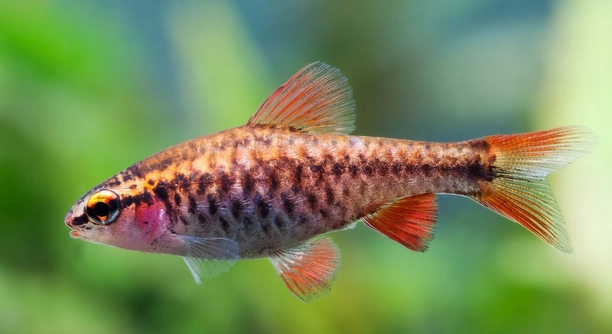
Have you ever noticed your Cherry Barbs acting differently and wondered if it might be linked to something in their water? These small, colorful fish are known for being sensitive to their environment, including water quality.
Cherry Barbs can detect changes in water chemistry through their lateral line system and sensory cells. These systems help them respond to shifts in pH, hardness, and contaminants, often triggering behavioral changes such as reduced activity or stress responses.
Learning how Cherry Barbs react to water conditions can help you maintain a healthier tank. The signs they show might be more informative than you think.
How Cherry Barbs Sense Their Environment
Cherry Barbs are small freshwater fish with a calm temperament and a strong sensitivity to changes around them. They rely heavily on their lateral line system, which is a series of fluid-filled canals along their body. This system allows them to pick up on subtle water vibrations, pressure changes, and chemical fluctuations. These physical adaptations help Cherry Barbs stay alert to their surroundings and adjust their behavior as needed. Even slight shifts in pH, ammonia levels, or hardness can trigger changes in their swimming patterns, social behavior, or appetite. Because of this sensitivity, they are often among the first fish in a tank to show signs of stress when something is off in the water. It’s important to keep their environment consistent and free from sudden changes. A stable tank helps Cherry Barbs feel secure and maintain healthy habits, especially in community setups where multiple fish species coexist.
Monitoring your Cherry Barb’s behavior helps you notice problems early. Their subtle reactions can point to water quality issues before testing even confirms it.
You may see them swimming less, hiding more, or separating from the group when something in the water isn’t right. These small behaviors can indicate bigger issues that need attention.
Keeping Water Conditions Stable
Cherry Barbs benefit most from clean, well-maintained water that remains consistent over time. Sudden fluctuations are stressful and can cause long-term health issues.
Maintaining ideal water conditions means regular testing and steady tank upkeep. Cherry Barbs thrive best with a pH between 6.0 and 7.5, moderate water hardness, and temperatures ranging from 73°F to 81°F. A reliable filtration system helps keep the water clear, while partial water changes each week remove waste and excess nutrients. Avoid adding chemicals or new substances without researching their effects, as even well-intentioned changes can create instability. Feeding practices also play a role. Uneaten food can quickly alter water chemistry, so feed only what your fish can consume within a few minutes. It’s also helpful to keep a log of any changes you make to the tank, from water adjustments to the introduction of new plants or fish. These notes can help you spot patterns and correct problems early, keeping your Cherry Barbs comfortable and healthy.
Recognizing Early Signs of Stress
Cherry Barbs often show early signs of stress before water tests detect anything unusual. Their behavior can shift quickly, and recognizing these patterns helps prevent serious problems in the tank.
You may notice they isolate themselves, swim near the surface, or breathe more rapidly than usual. Some fish will become less active or lose interest in food. These subtle changes often mean something in the water is bothering them. A quick check of the tank’s ammonia, nitrite, and nitrate levels is a good first step. Watching for faded colors or sudden aggression can also signal discomfort. Cherry Barbs usually get along well with others, so if they suddenly act out, it’s worth checking the water. Addressing issues early makes a difference in their recovery and helps keep the entire tank community stable and calm.
Environmental stress doesn’t always come from poor water quality. A change in lighting, loud noises near the tank, or moving decorations can make Cherry Barbs uneasy. If the stress continues, their immune system weakens, making them more vulnerable to illness. Some fish may even show physical signs like clamped fins or rubbing against surfaces. These behaviors are ways the fish try to cope. If you catch the problem early, small changes like adjusting tank lighting or reducing traffic near the tank can bring things back to normal. Keeping their environment stable gives them a better chance at long-term health.
Helpful Tools and Habits
Consistent water testing is one of the easiest ways to prevent problems. Using a liquid test kit once or twice a week keeps you informed and allows you to respond before fish show symptoms.
In addition to water testing, having a dependable maintenance routine is just as important. Change 25% of the tank water weekly to reduce waste buildup. Use a gravel vacuum to clean the substrate and remove debris that could affect water quality. Monitor the temperature daily and check your heater and filter regularly for signs of wear. Try to keep feeding times and light schedules consistent, as changes in routine can stress the fish. It also helps to write down your tank’s conditions during each cleaning, including pH, ammonia, and nitrate levels. These notes build a useful history that can point out trends before they become serious. Cherry Barbs are sensitive, but with consistent care, they can stay healthy and active in a peaceful tank setup.
Environmental Changes to Avoid
Avoid sudden temperature changes during water changes or equipment replacements. Even a few degrees can unsettle Cherry Barbs and cause stress. Always match new water temperature to the existing tank water before adding it.
Skip using strong chemical cleaners near the tank. Airborne particles and splashes can easily affect the water. Stick to aquarium-safe tools.
Supporting Long-Term Health
Keeping Cherry Barbs healthy long term depends on consistency and observation. Balanced nutrition, regular cleaning, and a predictable environment all play a role. Feed them high-quality flakes or pellets, and occasionally offer live or frozen food for variety. Make sure they are not overfed, as extra food increases waste. Limit changes to their environment unless necessary, and when changes are needed, make them slowly. If you add new fish, quarantine them first to avoid spreading disease. Look for subtle shifts in your Cherry Barbs’ behavior, appetite, or coloring, as these can offer the first hints of a problem. Acting early prevents stress from turning into illness.
Watching Group Behavior
Cherry Barbs are social and prefer to stay in groups. If one begins isolating or acting differently, it’s often a sign of water or health problems.
FAQ
How do I know if my Cherry Barbs are stressed?
Stressed Cherry Barbs may display unusual behaviors such as hiding, swimming erratically, or staying near the surface. They may also stop eating or exhibit rapid breathing. If you notice these signs, check the water quality, temperature, and tank conditions. Pay attention to any changes in lighting, noise, or the introduction of new fish, as these can also stress the fish.
What water conditions do Cherry Barbs need to thrive?
Cherry Barbs prefer water with a pH between 6.0 and 7.5, with a temperature range of 73°F to 81°F. Hardness should be moderate. It’s important to maintain stable water parameters, as fluctuations can stress the fish. Regular testing of water for ammonia, nitrites, and nitrates helps ensure these conditions remain ideal.
Can Cherry Barbs live with other fish?
Yes, Cherry Barbs are peaceful and do well in community tanks with other non-aggressive fish. They thrive in groups of their own kind and generally do well with species like tetras, rasboras, and guppies. Avoid keeping them with fin-nippers or overly aggressive species.
What should I feed my Cherry Barbs?
Cherry Barbs can be fed high-quality flake food, pellets, or frozen food like daphnia and brine shrimp. Supplementing with occasional live food is beneficial, but be careful not to overfeed. Overfeeding leads to excess waste in the tank, which can affect water quality.
How often should I change the water in my Cherry Barb tank?
A 25% water change every week is recommended to maintain a clean and healthy environment. This helps remove waste, excess nutrients, and keeps the water chemistry stable. Be sure to match the temperature of the new water to the tank water to avoid stressing the fish.
Can Cherry Barbs survive in tap water?
Cherry Barbs can live in tap water, but the quality of the tap water is key. Make sure to check for chlorine, chloramine, and heavy metals. Using a water conditioner will remove chlorine and chloramine. Also, ensure the pH and hardness of the water are within suitable ranges for the fish.
Are Cherry Barbs difficult to care for?
Cherry Barbs are relatively easy to care for, but they do require stable water conditions. Their main needs are regular water changes, appropriate food, and a peaceful tank environment. As long as their water parameters are monitored and maintained, they can live a long, healthy life.
How can I tell if my Cherry Barbs are breeding?
Male Cherry Barbs become more colorful when they are ready to breed. They will chase the females, and the female will lay eggs on plants or decorations. After fertilization, the eggs hatch in about 24 to 48 hours. If breeding occurs, remove the parents to prevent them from eating the eggs.
Do Cherry Barbs need a filter?
Yes, Cherry Barbs benefit from a filter to maintain water quality. A good filtration system removes waste, reduces toxins, and promotes a healthy environment for the fish. However, avoid strong currents, as Cherry Barbs prefer calm waters.
Can I add Cherry Barbs to a newly established tank?
It’s best to wait until a tank is fully cycled before adding Cherry Barbs. A newly established tank may still have high levels of ammonia or nitrites, which can harm the fish. Test the water to ensure the tank is stable before introducing them.
What is the lifespan of a Cherry Barb?
Cherry Barbs typically live for around 3 to 5 years when provided with good care and stable conditions. Regular water changes, appropriate feeding, and avoiding stress can help them reach their maximum lifespan.
Why are my Cherry Barbs losing color?
If Cherry Barbs are losing their vibrant colors, it may be due to stress, poor water quality, or inadequate nutrition. Ensure the tank conditions are stable, and the fish are eating a balanced diet. Stress from overcrowding, poor water conditions, or incompatible tankmates can also cause color fading.
How do I prevent disease in my Cherry Barb tank?
To prevent disease, keep the water clean by performing regular water changes and maintaining the filtration system. Quarantine new fish before introducing them to the main tank, and avoid overcrowding. Monitoring water parameters closely and avoiding overfeeding will also reduce the likelihood of disease.
Can I keep male and female Cherry Barbs together?
Yes, male and female Cherry Barbs can be kept together. It’s ideal to keep them in groups, with at least one male for every two or three females. This reduces stress and provides a more natural social environment for the fish.
How do I care for Cherry Barb fry?
Once the eggs hatch, the fry can be fed infusoria, liquid fry food, or finely crushed flakes. It’s important to keep the water clean and remove any uneaten food to prevent fouling. As the fry grow, gradually introduce larger food items. Make sure the fry have hiding places to avoid predation from adult fish.
Final Thoughts
Cherry Barbs are an excellent choice for both beginner and experienced aquarium keepers. Their peaceful nature and ability to thrive in various tank environments make them a versatile addition to any community setup. With proper care, they can live a healthy and vibrant life. The key to their well-being is maintaining stable water conditions, offering a balanced diet, and providing a calm environment free from stress. Regular water changes, testing for water quality, and observing their behavior are essential steps to ensuring they stay healthy.
Their social nature means they do best when kept in groups, preferably with a few companions of their own species. By doing so, you can avoid stress-related behaviors and encourage natural interactions. The simple addition of a few more Cherry Barbs will make a noticeable difference in their comfort and overall happiness. While they are peaceful, they should still be housed with compatible species to prevent any aggression or conflicts. Cherry Barbs are active swimmers and enjoy spaces to explore, so keeping a well-planted tank with sufficient hiding spots and swimming room will benefit them greatly.
In conclusion, Cherry Barbs offer aquarium owners a low-maintenance yet rewarding fish to care for. By understanding their basic needs, such as water quality, diet, and companionship, you can easily create an environment where they can thrive. Monitoring their health and making adjustments as needed will allow you to enjoy watching these colorful fish grow and interact. Cherry Barbs are a great choice for anyone looking to enhance their aquarium with vibrant colors and calm, friendly behavior.

Hello,
If you enjoy the content that we create, please consider saying a "Thank You!" by leaving a tip.
Every little bit helps us continue crafting quality advice that supports the health, happiness, and well-being of pets around the world, for pets of all shapes, sizes, and species.
We really appreciate the kindness and support that you show us!