
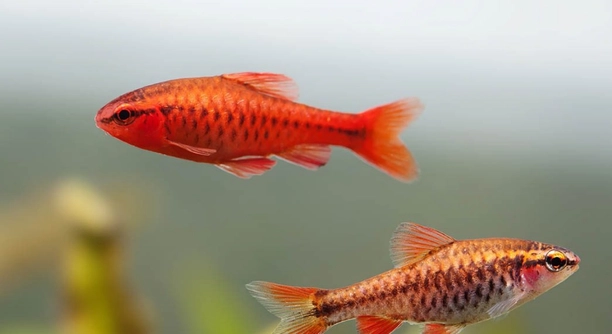
Cherry Barbs and Mollies are both popular fish species in aquariums. When considering keeping them together, their temperament and environmental needs must be taken into account. Understanding their compatibility is key to creating a harmonious tank environment.
Cherry Barbs are generally peaceful and can coexist with Mollies if their tank conditions are suitable. Both species thrive in similar water parameters, but care must be taken to avoid aggression from Mollies, especially during breeding.
Learning the subtle balance of maintaining a peaceful aquarium can prevent unwanted conflicts. Understanding these compatibility tips will ensure your fish live happily together.
Understanding the Basics of Cherry Barbs and Mollies
Cherry Barbs are small, peaceful fish that thrive in a community tank. They are known for their calm nature and vibrant colors. Mollies, on the other hand, are a bit larger and can show more active behavior, particularly during mating. Both species are considered hardy, making them suitable for beginner aquarium owners. However, there are differences that can impact their compatibility. Cherry Barbs prefer slightly cooler water, while Mollies prefer warmer environments. Their temperament is another key factor. While Cherry Barbs are generally peaceful, Mollies can sometimes become territorial, especially during breeding. It’s important to consider these needs before placing them in the same tank to ensure a stress-free environment for both.
A suitable tank setup with the right conditions can encourage peaceful interactions. When placed in the right environment, Cherry Barbs and Mollies can coexist without issues.
The water temperature should be maintained between 72°F and 78°F, which suits both species. Adding plenty of hiding spots, such as plants or rocks, can also help reduce territorial behavior. Providing the right space and hiding areas for both species is crucial for their well-being.
Tips for Maintaining Peace in the Tank
Creating the ideal tank conditions is not the only factor. Regular tank maintenance also plays a big role in keeping Cherry Barbs and Mollies comfortable. Consistent water changes and monitoring water parameters will help reduce stress and promote overall health. Keep an eye on the fish’s behavior to catch any signs of aggression early. It’s always better to make adjustments to the tank setup before issues escalate. Ensuring the right balance between the fish species will allow both to thrive.
Both species are generally healthy and can live well together if given the appropriate care. However, observing how they interact with each other will help you make necessary adjustments.
Water Temperature and Tank Setup
Water temperature is a key factor when keeping Cherry Barbs and Mollies together. Cherry Barbs prefer cooler water, usually between 72°F and 74°F, while Mollies thrive in slightly warmer water, ranging from 76°F to 78°F. This difference can lead to stress if not managed carefully.
To meet both species’ needs, aim for a stable water temperature around 75°F. This range falls comfortably in the middle, promoting comfort for both. Consider using a reliable aquarium heater to maintain consistent temperatures, as fluctuations can cause stress. Additionally, maintaining a proper filtration system is essential to ensure water quality stays optimal for both species.
Including plants, driftwood, and other hiding spots will help create a more natural environment for both types of fish. This reduces stress by giving the fish space to retreat if they feel threatened. Mollies, in particular, enjoy a well-planted tank to hide and feel secure.
Managing Aggression Between Species
While both Cherry Barbs and Mollies are typically peaceful, aggression can occur, especially during breeding seasons. Mollies may become territorial and show more aggression, particularly males. Cherry Barbs, although less aggressive, might also become more territorial if they feel crowded.
To reduce aggression, provide plenty of space. A tank size of at least 30 gallons will give both species enough room to swim freely. Avoid overcrowding, as this increases competition for food and space. Males of both species should be kept in a ratio that reduces stress, typically one male per several females. Regular observation will help catch any early signs of aggression before they become serious problems.
Feeding Cherry Barbs and Mollies
Both Cherry Barbs and Mollies are omnivores, so they will eat a variety of foods. A balanced diet with both plant-based and protein-rich foods is essential for their health. However, overfeeding can lead to water quality issues.
Provide a mix of high-quality flakes, pellets, and occasional live or frozen foods like brine shrimp or daphnia. Feed them small amounts two to three times a day. It’s important to avoid overfeeding, as uneaten food can decompose, impacting water quality. Monitor their feeding behavior and adjust portions accordingly to prevent waste buildup in the tank.
Compatibility with Other Tank Mates
Cherry Barbs and Mollies are generally peaceful fish and can coexist with many other species. However, compatibility depends on the other fish’s temperament and tank needs. Fish that are overly aggressive or require different water parameters might cause problems.
In a community tank, avoid species that are known to be fin-nippers or overly territorial, as this can stress both Cherry Barbs and Mollies. Opt for peaceful species with similar water temperature and pH preferences. Ensuring that all fish share similar environmental needs will help maintain a peaceful atmosphere.
Tank Size Considerations
A larger tank will give both Cherry Barbs and Mollies the space they need to thrive. A minimum of 30 gallons is recommended to house them comfortably, especially if you plan on adding other fish.
More space reduces stress and helps prevent aggression. A larger tank allows more room for hiding spots, plants, and swimming space. This is essential for maintaining a balanced environment, as both species appreciate having room to explore and hide when necessary.
FAQ
Can Cherry Barbs live in brackish water like Mollies?
Cherry Barbs are freshwater fish and do not thrive in brackish water. While Mollies can tolerate brackish conditions, Cherry Barbs need consistent, freshwater environments to stay healthy. Mixing the two water types can cause stress for Cherry Barbs and lead to health problems. If you are keeping both species together, it’s best to avoid adding salt to the water to ensure the well-being of the Cherry Barbs. However, Mollies can adapt to freshwater environments but may not thrive as well without a small amount of salt. It’s important to balance the needs of both species carefully.
Are Cherry Barbs or Mollies better for a beginner aquarium?
Both Cherry Barbs and Mollies are considered beginner-friendly fish due to their hardiness. Cherry Barbs are slightly easier to care for because they have fewer specific water requirements compared to Mollies. They can tolerate a range of temperatures and water conditions, making them more adaptable. Mollies, while also hardy, require a more stable water environment and may need slightly warmer temperatures, which could make them a bit more challenging. However, both species are peaceful and active, making them good choices for a community tank.
How can I tell if my Mollies and Cherry Barbs are stressed?
Stress in both Mollies and Cherry Barbs can be indicated by unusual behavior such as erratic swimming, hiding more than usual, or staying near the surface or bottom of the tank. In Mollies, stress might show up through increased territorial behavior or aggression, especially during breeding. Cherry Barbs might lose their bright colors and become more withdrawn. Additionally, you may notice an increase in fin clamping (where the fish keeps its fins close to its body). To reduce stress, check the water parameters regularly and ensure the tank is not overcrowded.
Can I keep male Cherry Barbs and Mollies together?
Yes, you can keep male Cherry Barbs and Mollies together, but it’s important to be mindful of their behavior. Male Mollies, especially during breeding, can become territorial and sometimes aggressive. Male Cherry Barbs are generally peaceful but may feel stressed if the tank is overcrowded or if the Mollies are overly dominant. To minimize potential conflict, it’s ideal to maintain a good balance of males and females in the tank, with a higher number of females for each male to prevent aggressive behavior.
What is the ideal tank size for Cherry Barbs and Mollies?
For both Cherry Barbs and Mollies, a tank size of at least 30 gallons is recommended, especially if you plan to keep them together with other species. The more space they have, the less likely they are to feel stressed or territorial. A larger tank also allows you to include more hiding spots, plants, and decorations, which can help reduce aggression and give both species enough room to swim and feel secure. Smaller tanks can lead to overcrowding, which could cause stress and unhealthy conditions for both species.
How often should I feed my Cherry Barbs and Mollies?
Both Cherry Barbs and Mollies should be fed small amounts two to three times a day. Overfeeding can lead to water quality issues, so it’s important to only provide enough food that can be consumed within a few minutes. Feed them a mix of high-quality flakes or pellets, supplemented with occasional live or frozen foods like brine shrimp, daphnia, or bloodworms. Make sure to remove any uneaten food after feeding to prevent it from decomposing and affecting the water quality.
Can Cherry Barbs and Mollies breed together?
Cherry Barbs and Mollies cannot breed together. While both are livebearers, meaning they give birth to live young, they are different species with different breeding behaviors. Mollies require specific conditions for breeding, such as slightly warmer water and the presence of male and female fish in the right ratio. Cherry Barbs, on the other hand, breed by laying eggs, and their eggs must be fertilized externally by the male. These differences in reproduction methods make crossbreeding impossible.
What water parameters do Cherry Barbs and Mollies need?
Cherry Barbs and Mollies have similar water parameter requirements, but they do have a few key differences. For Cherry Barbs, the ideal water temperature is between 72°F and 74°F, with a pH level of 6.0 to 7.5. Mollies prefer slightly warmer temperatures, around 76°F to 78°F, with a pH level of 7.5 to 8.5. Both species prefer slightly soft to moderately hard water. It’s important to keep the water clean, maintain a stable temperature, and avoid sudden fluctuations to keep both species healthy.
Can Cherry Barbs and Mollies live with other species?
Yes, both Cherry Barbs and Mollies are peaceful fish that can coexist with other community tank species. However, it’s important to choose fish that share similar water and temperature preferences. Avoid adding aggressive species or fish known for nipping fins. Fish like tetras, corydoras catfish, and peaceful gouramis are great companions for both Cherry Barbs and Mollies. The key is to maintain a balanced tank where every fish can coexist without stress or territorial disputes.
How long do Cherry Barbs and Mollies live?
Cherry Barbs typically live for 3 to 5 years, while Mollies have a lifespan of 3 to 4 years, depending on the care they receive. The lifespan of both species can be influenced by factors such as water quality, diet, and overall tank conditions. Regular water changes, a balanced diet, and proper care can help ensure they live a long and healthy life in your aquarium. Proper tank maintenance and monitoring will reduce the risk of disease, further improving their longevity.
Final Thoughts
When considering whether Cherry Barbs and Mollies can live together, it’s clear that both species have similar water requirements and peaceful temperaments, making them compatible in many community tanks. However, it’s essential to ensure that their specific needs are met to avoid any issues. For example, while Cherry Barbs thrive in slightly cooler water, Mollies prefer warmer conditions, so careful attention to the tank’s temperature is necessary. By maintaining appropriate water conditions and monitoring the behavior of both species, it’s possible to create a harmonious environment.
The key to keeping both Cherry Barbs and Mollies happy in the same tank is proper tank size and plenty of hiding spots. A minimum of 30 gallons is recommended for these species, as this gives them ample space to swim and reduces the chance of territorial behavior. Additionally, incorporating plants and decorations will give them places to retreat to if they feel stressed. Overcrowding the tank can lead to issues with aggression and poor water quality, so it’s important to avoid putting too many fish in a smaller space.
Lastly, regular maintenance and monitoring are crucial for the health and well-being of both species. Feeding them the right amount of food, avoiding overfeeding, and keeping the water clean will prevent many common problems. Keeping an eye on their health, watching for any signs of stress, and adjusting the tank’s conditions as needed will help you maintain a thriving aquarium. Both Cherry Barbs and Mollies can live together peacefully with the right care, creating a lively and colorful tank.

Hello,
If you enjoy the content that we create, please consider saying a "Thank You!" by leaving a tip.
Every little bit helps us continue crafting quality advice that supports the health, happiness, and well-being of pets around the world, for pets of all shapes, sizes, and species.
We really appreciate the kindness and support that you show us!