
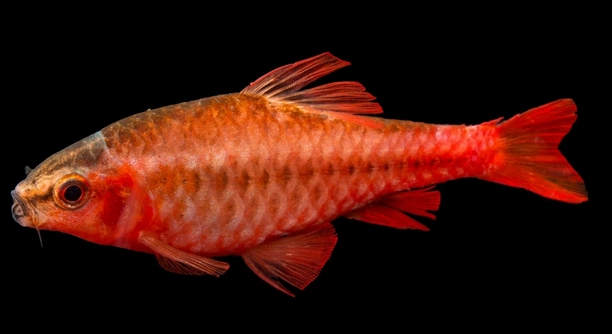
Cherry Barbs are popular aquarium fish known for their bright colors and active nature. As with any pet, ensuring their health is a priority for many fishkeepers. One concern is whether live food could make these fish sick.
Cherry Barbs can indeed get sick from live food if it is contaminated with parasites, bacteria, or other pathogens. These fish may also struggle with overfeeding or poor-quality live food, which can lead to digestive issues or other health problems.
Keeping Cherry Barbs healthy requires understanding their diet and the potential risks of live food. By taking proper precautions, you can ensure they stay vibrant and active.
Risks of Live Food for Cherry Barbs
Live food, while nutritious, carries risks for Cherry Barbs. If not properly sourced or prepared, it can introduce harmful bacteria, parasites, or even viruses. These pathogens can quickly spread, causing illness in your fish. Symptoms like lethargy, loss of appetite, or unusual swimming patterns may appear. Over time, contaminated live food can weaken the immune system of Cherry Barbs, making them more susceptible to other diseases. Additionally, live food can contain toxins if it comes from polluted environments. To avoid these risks, it’s essential to obtain live food from reputable sources and inspect it for any visible signs of contamination. Even the cleanest live food should be rinsed and stored properly before feeding it to your fish.
Feeding live food to your Cherry Barbs should be done cautiously. The risk of contamination is highest when sourcing food from unreliable suppliers or when food isn’t stored correctly. Healthy Cherry Barbs thrive on a variety of food types, and live food should only be a small part of their diet.
While live food offers valuable nutrients, balance is key to maintaining the overall health of your Cherry Barbs. You can feed them live food safely by freezing it beforehand or by gut-loading it with nutrients before offering it to your fish. This process reduces the risk of parasites and helps ensure that the live food remains a healthy supplement to their diet.
Proper Care for Live Food
To reduce the risks associated with live food, proper care and handling are essential. It’s important to buy live food from trusted sources, ensuring it’s clean and free from diseases. Storing it in clean, well-maintained tanks or containers helps prevent contamination. Be cautious about the source, and always inspect food for any signs of decay or unusual growth. This will help minimize potential health threats to your Cherry Barbs.
You should also be mindful of how long live food is stored. If it’s not used quickly, the food can spoil or degrade, causing harm to your fish. Freezing live food can extend its shelf life, but this may impact its nutritional value. Some live foods, like brine shrimp, can be frozen without losing much of their nutritional value. Rinse the food thoroughly before feeding, and avoid introducing any harmful bacteria from the storage process.
Another important aspect is feeding portions. Overfeeding live food can create waste in the tank, affecting water quality. Ensure you’re feeding small amounts at a time that the fish can consume within a few minutes. This keeps the tank clean and helps maintain the health of your Cherry Barbs.
Signs of Illness in Cherry Barbs
If your Cherry Barbs begin to show signs of illness after consuming live food, it’s critical to act quickly. Symptoms like a lack of appetite, abnormal swimming, or a change in color can indicate that something is wrong. It’s also important to watch for external signs, such as sores, bloating, or rapid breathing, which might suggest a parasite or bacterial infection. Quick detection can help prevent the illness from spreading or worsening.
Should your Cherry Barbs show signs of illness, it’s recommended to remove them from the main tank and quarantine them in a separate tank. This will help reduce the risk of transmitting any potential pathogens to other fish. You should also test the water quality to ensure it’s within the safe range, as poor water conditions can further stress the fish and make them more susceptible to infections. Infected fish should not be fed live food until they have fully recovered, as this could worsen their condition.
Alternatives to Live Food
While live food can be a great source of nutrition, there are safe alternatives available for Cherry Barbs. Frozen or freeze-dried food provides many of the same benefits without the risks associated with live food. These options are easier to store and handle, making them a more convenient choice.
Frozen foods, such as bloodworms, brine shrimp, and daphnia, can be just as nutritious as live food. They are typically processed to maintain nutritional value while eliminating potential contaminants. The frozen form also makes portion control easier, helping to avoid overfeeding.
Freeze-dried food is another good alternative. It’s often easier to store and lasts longer than frozen food. However, it’s essential to rehydrate it before feeding it to your Cherry Barbs. This ensures it’s safe and digestible. Both frozen and freeze-dried options can be found in many pet stores and are a suitable replacement for live food.
Feeding Frequency
Cherry Barbs should be fed two to three times a day. Overfeeding can lead to health problems, so offering smaller portions helps maintain their overall well-being. Fish can develop digestive issues when they are fed too much live or processed food, resulting in bloating or poor water quality.
Safe Live Food Choices
If live food remains your preferred option, there are certain types that are safer for your Cherry Barbs. Brine shrimp and daphnia are commonly recommended as low-risk, nutritious live food. These are easy to breed and handle, ensuring a steady supply without much worry of contamination.
FAQ
Can Cherry Barbs eat frozen food?
Yes, Cherry Barbs can eat frozen food. Frozen options like brine shrimp, bloodworms, and daphnia are excellent alternatives to live food. These options maintain their nutritional value and are safe when handled and stored correctly. Frozen food is often easier to manage and less risky compared to live food, as it eliminates the potential for parasites or bacteria. Be sure to thaw the food before offering it to your fish to ensure they can eat it comfortably.
How can I avoid parasites in live food?
To avoid parasites in live food, it’s crucial to purchase it from a trusted, reputable supplier. Inspect the food carefully before feeding it to your Cherry Barbs. Additionally, you can quarantine live food for a few days before offering it to your fish. Some fishkeepers recommend freezing live food for 24 to 48 hours to kill any potential parasites. It’s also important to maintain good water quality in your aquarium, as parasites are more likely to spread in poor water conditions.
How do I store live food?
Storing live food properly is essential to prevent contamination and ensure its freshness. For many live food types, such as brine shrimp, you can store them in small, separate containers with clean water and oxygen. Ensure the container is kept at a temperature that suits the food type, generally between 68-74°F (20-23°C). If you’re keeping live food for an extended period, consider using a filtration system to maintain water quality. For live food like blackworms or earthworms, it’s important to keep them in cool, moist environments, making sure to avoid overcrowding, which can lead to spoilage.
Can I breed live food at home?
Yes, you can breed live food at home. Brine shrimp, daphnia, and micro worms are popular choices for home breeding. Breeding your own live food ensures that you have a fresh, safe supply for your Cherry Barbs. It’s a cost-effective and rewarding process. You’ll need to set up a small breeding tank, maintain proper water conditions, and ensure regular feeding for both the live food and the fish. However, it requires some knowledge and attention to detail to ensure a healthy and sustainable breeding environment.
What are the risks of feeding my Cherry Barbs too much live food?
Overfeeding live food can lead to digestive issues in Cherry Barbs, such as bloating or constipation. Excess food can also degrade water quality, leading to ammonia spikes that could harm your fish. It’s important to feed small portions that your Cherry Barbs can consume within a few minutes. This helps avoid overfeeding and maintains a clean tank environment. Also, too much live food can cause an imbalance in their diet, as it’s essential to provide a varied diet to ensure optimal nutrition for your fish.
Should I stop feeding live food if my Cherry Barbs show signs of illness?
Yes, if your Cherry Barbs show signs of illness, it’s wise to stop feeding them live food until they recover. Live food, especially if contaminated, can worsen their condition. In such cases, it’s better to feed them a more balanced and easy-to-digest diet, such as high-quality pellets or flake food. If your fish are sick, ensure they are in a quarantine tank to prevent spreading illness to other fish. It’s also a good idea to check your water parameters, as poor water quality can contribute to the development of illness.
Can I feed Cherry Barbs only frozen food?
Yes, you can feed Cherry Barbs only frozen food as long as you provide a balanced and varied diet. Frozen food options like brine shrimp, bloodworms, and daphnia offer essential nutrients. However, you should ensure you are feeding a variety of frozen foods to meet their dietary needs. It’s a good idea to occasionally mix in dry food, such as high-quality pellets or flakes, to ensure they receive all the necessary vitamins and minerals. This variety helps promote overall health and keeps your Cherry Barbs active and vibrant.
Is live food necessary for Cherry Barbs?
Live food is not strictly necessary for Cherry Barbs, but it can be a valuable supplement to their diet. These fish can thrive on high-quality dry food, including pellets and flakes, which provide all the essential nutrients. However, live food can add variety to their diet and mimic natural feeding behavior. It also provides a source of movement, which stimulates their hunting instincts. If you choose not to feed live food, make sure to provide other food sources that meet their nutritional needs.
What are the best live food options for Cherry Barbs?
Brine shrimp, daphnia, and micro worms are some of the best live food options for Cherry Barbs. These options are rich in nutrients and easy to handle. They are also smaller in size, making them suitable for these small fish. Other good live food options include blackworms and fruit flies, though these require more care in handling and storage. When offering live food, ensure that it is clean and free from any harmful bacteria or parasites.
Can live food cause aggression in Cherry Barbs?
Live food itself is unlikely to cause aggression in Cherry Barbs. However, feeding live food can trigger their natural predatory instincts, which might lead to more active behavior. If multiple fish are feeding at once, there could be some competition, but this is typically mild and not harmful. If you notice excessive aggression during feeding time, you can try feeding in different areas of the tank to prevent territorial disputes. In general, Cherry Barbs are peaceful fish, and any aggression is usually due to other factors, such as overcrowding or environmental stress.
Final Thoughts
When it comes to feeding Cherry Barbs, providing a balanced diet is essential for their health and well-being. While live food can be a nutritious option, it’s important to consider the potential risks. Parasites and bacteria are always a concern with live food, so it’s crucial to handle and store it properly. If you decide to feed live food, always source it from a reputable supplier, inspect it carefully, and quarantine it before feeding it to your fish. For those who prefer a safer option, frozen or freeze-dried alternatives can provide similar nutritional benefits without the risks associated with live food.
Frozen and freeze-dried foods are excellent alternatives that offer convenience and peace of mind. They can be just as nutritious as live food and are much easier to store and handle. Frozen foods like brine shrimp and bloodworms are common options, and they’re available in most pet stores. Freeze-dried food is another great choice, though it should be rehydrated before feeding. Both options are a safe way to provide your Cherry Barbs with the nutrients they need, without the hassle of dealing with live food. These alternatives also eliminate the potential for introducing harmful parasites or bacteria into your tank.
Ultimately, it’s important to remember that Cherry Barbs thrive on a varied diet. While live food can be a part of their nutrition, it should not be the only food offered. A combination of high-quality pellets, flakes, and occasional treats like frozen or live food is ideal for keeping your fish healthy and active. Whatever choice you make, ensure that you’re maintaining good water quality and providing proper feeding portions to avoid overfeeding. A balanced diet will help keep your Cherry Barbs vibrant, happy, and healthy in the long run.

Hello,
If you enjoy the content that we create, please consider saying a "Thank You!" by leaving a tip.
Every little bit helps us continue crafting quality advice that supports the health, happiness, and well-being of pets around the world, for pets of all shapes, sizes, and species.
We really appreciate the kindness and support that you show us!