
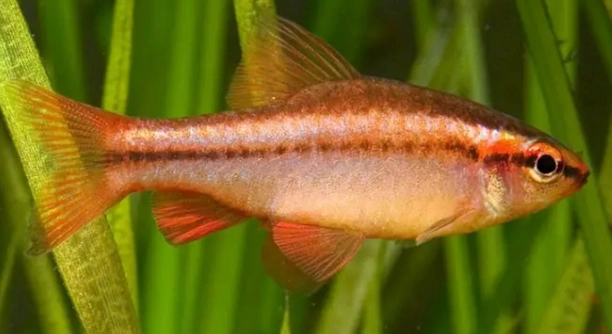
Cherry barbs are known for their lively nature in aquariums. If you observe their behavior, you might wonder how they respond to a daily routine. Understanding their behavior can provide valuable insights into their care and habits.
Cherry barbs, like many fish species, tend to adapt to a routine over time. They may recognize feeding times, light cycles, and other environmental cues, showing that they do understand patterns and can anticipate regular events in their environment.
Their behavior is influenced by their environment, and recognizing patterns helps them thrive. Knowing how routines affect cherry barbs can make a significant difference in their well-being.
How Cherry Barbs React to Changes in Their Environment
Cherry barbs are responsive to environmental changes, particularly in their tank setup. When you change the water temperature, lighting, or décor, they may react with increased activity or signs of stress. These changes disrupt their sense of routine, and they can take time to adjust. Their ability to adapt varies depending on the severity of the change, but they generally need a few days to get accustomed to new conditions.
Routine plays a crucial role in maintaining a sense of security. If the changes are too sudden or frequent, it can affect their behavior, causing them to become more cautious or withdrawn. Ensuring stability in their environment helps them adjust and thrive.
These small fish are quite adaptable but do better when their surroundings are predictable. Maintaining consistent water parameters and lighting cycles can help reduce stress and keep their behavior more balanced. Observing how they react to different conditions will provide clues on their comfort levels.
Feeding Routines and Their Impact
Feeding schedules influence cherry barbs significantly. They become accustomed to regular feeding times and will expect food at certain intervals. If feeding times are inconsistent, they may show signs of impatience or aggression, especially if they are kept in groups.
Establishing a consistent feeding routine helps maintain harmony in the tank. Cherry barbs are quick to recognize when they are fed, and knowing when to expect food leads to more calm behavior. A stable feeding schedule helps create a peaceful atmosphere for both the fish and the owner.
A steady feeding routine can also contribute to better health for the cherry barbs. Feeding them the right amount at regular intervals ensures they receive balanced nutrition. Overfeeding can lead to health issues, while inconsistent feeding may stress them out. Regular intervals are key to keeping them healthy and happy.
The Importance of Lighting Schedules
Cherry barbs respond well to consistent lighting schedules. They are naturally attuned to the day-night cycle, which influences their activity levels. If lighting changes frequently or is too bright or dim, it may stress them out. Keeping the light cycle consistent promotes healthy behavior.
A regular light-dark cycle helps maintain their internal clock, which is essential for sleep and feeding patterns. Cherry barbs generally prefer dimmer lighting, which simulates their natural habitat. Too much light can cause them stress, making them hide more often. By controlling the lighting, you help them feel secure.
Consistency is key to maintaining the right balance. Cherry barbs will settle into the routine of when the light turns on and off, allowing them to know when to be active or rest. A stable light cycle encourages calm behavior and keeps them from becoming disoriented or stressed.
Water Temperature and Routine
The water temperature is crucial for cherry barbs. They thrive in stable conditions, with temperatures between 74°F and 80°F (23°C to 27°C). Sudden temperature changes can cause stress, affecting their health and behavior. A consistent temperature range helps them remain calm and comfortable.
Maintaining the right temperature involves regularly checking your tank’s heater and thermometer. A stable temperature encourages healthy feeding and reproduction behaviors. If the water becomes too warm or too cold, cherry barbs may stop eating or become lethargic. They need a routine temperature to stay active and healthy.
A stable environment also reduces the risk of diseases. By preventing drastic changes in water temperature, you create a safer and more stable habitat for your fish. This ensures they remain healthy and can adjust to their routines without the added stress of fluctuating water conditions.
Tank Cleaning Routine
Cherry barbs prefer clean environments, and regular tank maintenance helps them feel secure. A routine cleaning schedule ensures that their habitat remains free from harmful toxins. Cleaning the tank regularly reduces the chance of diseases, helping to keep the fish healthy.
Changing the water weekly and cleaning the substrate prevents debris buildup and reduces the chance of ammonia spikes. It’s essential to replace about 25% of the water each time. A clean tank encourages the fish to swim freely and reduces stress from dirty water. Stick to a consistent schedule to maintain a healthy environment.
Social Interactions and Tankmates
Cherry barbs are social fish and do best in groups. They tend to develop routines around the behavior of other fish in the tank. Keeping them with compatible species can prevent stress and help them feel more secure. Social interactions are vital for their well-being.
Adding too many new fish or changing tankmates too frequently can disrupt the established routine. Cherry barbs tend to show a calming effect when kept with peaceful species. Ensuring that their environment includes a balanced mix of fish promotes harmony. Socializing allows them to engage in natural behaviors, like schooling.
Monitoring Fish Behavior
Watching your cherry barbs’ behavior is crucial for understanding their routines. Changes in activity levels or behavior can be signs of stress, illness, or discomfort. Regular observation helps you detect issues early and adjust their environment as needed.
FAQ
How can I tell if my cherry barbs are stressed?
Stress in cherry barbs can show in various ways, such as reduced activity, hiding more often, or altered swimming patterns. They may also refuse food or display erratic movements. If their fins are clamped, or their colors fade, it could also be a sign of stress. Regular observation is key to noticing changes in their behavior.
Can cherry barbs live alone?
Cherry barbs are social fish and thrive in groups. While they can live alone, they tend to become stressed and may not show their full potential in terms of behavior. A group of at least three or four cherry barbs helps them feel secure and promotes natural social interactions.
Do cherry barbs need a lot of space?
Cherry barbs are small fish, but they still need adequate space to swim and explore. A tank of at least 20 gallons is recommended for a small group. More space allows them to establish their own territory within the tank, reducing stress and promoting healthier interactions with tankmates.
What should I feed my cherry barbs?
Cherry barbs are omnivores and will eat a variety of foods, including high-quality fish flakes, frozen or live foods like brine shrimp and bloodworms, and vegetable matter such as spinach. It’s important to provide a balanced diet to ensure they get the necessary nutrients to stay healthy and vibrant.
How often should I feed my cherry barbs?
Feed your cherry barbs once or twice a day. Only offer as much food as they can consume in a few minutes to avoid overfeeding. Overfeeding can lead to water quality issues, which can stress the fish. A routine feeding schedule helps them establish a sense of security.
Why are my cherry barbs not eating?
If your cherry barbs are not eating, it could be due to stress, water quality issues, or a change in their environment. Check the water parameters, including temperature, pH, and ammonia levels. Stress from tankmates or a lack of routine could also cause them to refuse food.
Can cherry barbs live with other species?
Cherry barbs are peaceful and can live with many other species, as long as the other fish are not aggressive. They do well with other peaceful species like neon tetras, Corydoras catfish, and small plecos. Avoid keeping them with aggressive or larger fish, which might intimidate them.
What is the ideal water temperature for cherry barbs?
The ideal temperature for cherry barbs is between 74°F and 80°F (23°C to 27°C). Keeping the water within this range helps them stay active and healthy. Drastic temperature fluctuations can stress the fish, so it’s important to use a reliable heater to maintain a stable temperature.
Do cherry barbs need a filter?
Yes, cherry barbs require a filter to keep the water clean and oxygenated. A good filter helps remove waste and toxins, maintaining water quality. Make sure the filter’s flow is gentle enough, as cherry barbs don’t like strong currents. Regular maintenance of the filter is also necessary for optimal performance.
Can cherry barbs breed in a community tank?
Cherry barbs can breed in a community tank, but breeding success is higher in a dedicated breeding setup. To encourage breeding, provide hiding places like plants or ornaments. The males will chase the females, and once fertilized, the eggs will be laid on plants or tank surfaces.
Are cherry barbs hardy fish?
Cherry barbs are relatively hardy but still require stable water conditions to thrive. They are tolerant of a range of water parameters, but extreme fluctuations in temperature, pH, or ammonia levels can stress them. Regular water changes and tank maintenance help keep them healthy.
Why are my cherry barbs hiding all the time?
Cherry barbs may hide when they feel threatened, stressed, or uncomfortable. Possible causes include poor water quality, aggressive tankmates, or a sudden change in the tank environment. Ensure the water parameters are within the appropriate range, and consider rearranging the tank to reduce stress. Adding more plants or hiding spots can help them feel more secure.
How can I reduce stress in my cherry barbs?
To reduce stress, keep the tank environment stable and quiet. Avoid sudden changes in water temperature, lighting, or tankmates. Provide plenty of hiding spaces with plants and decorations. Establish a feeding schedule and make sure the tank is large enough for the number of fish you have.
Can I keep male and female cherry barbs together?
Yes, male and female cherry barbs can live together. In fact, keeping both sexes allows for natural social behavior, such as courtship and spawning. However, too many males can lead to aggression between them. A good ratio is one male to two or three females to maintain harmony.
Are cherry barbs easy to care for?
Cherry barbs are relatively easy to care for, as long as their basic needs are met. They require a stable environment, appropriate water conditions, a balanced diet, and compatible tankmates. With proper care, they can live for several years, making them a great choice for both beginners and experienced aquarists.
Do cherry barbs like plants in their tank?
Yes, cherry barbs enjoy having plants in their tank. Plants provide hiding places and encourage natural behaviors. Cherry barbs are known to swim through plants and rest among the leaves, which helps them feel more secure. Live plants also help maintain water quality by absorbing excess nutrients.
Final Thoughts
Cherry barbs are generally easy to care for and can be a delightful addition to a freshwater aquarium. They thrive in stable, clean environments and require regular tank maintenance to stay healthy. As social fish, they do best in groups, which helps them feel secure and encourages natural behaviors. With the right conditions, cherry barbs can live for several years, providing color and movement to your tank.
The most important aspects of caring for cherry barbs include maintaining proper water quality and keeping them with peaceful tankmates. They are relatively hardy but are sensitive to poor water conditions. A regular cleaning routine and careful monitoring of the tank’s water parameters will go a long way in ensuring their health and well-being. Cherry barbs are adaptable fish but do best in environments where they can establish routines, from feeding to social interactions.
Overall, cherry barbs are peaceful and easygoing fish that require minimal attention beyond routine care. With proper space, a balanced diet, and regular maintenance, they will thrive and offer enjoyment for years to come. These fish are a good choice for beginners and experienced aquarists alike. The key is consistency in their care, allowing them to feel secure and comfortable in their environment.

Hello,
If you enjoy the content that we create, please consider saying a "Thank You!" by leaving a tip.
Every little bit helps us continue crafting quality advice that supports the health, happiness, and well-being of pets around the world, for pets of all shapes, sizes, and species.
We really appreciate the kindness and support that you show us!