
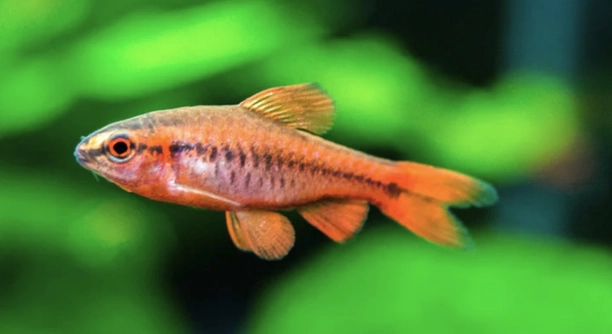
Cherry barbs are beautiful and active fish, but they can act differently after a water change. If you’ve noticed them hiding, you’re not alone. Many aquarium owners experience this behavior.
Cherry barbs often hide after a water change due to stress caused by fluctuations in water conditions, such as temperature, pH, or chemical composition. This reaction is natural as the fish acclimate to the new environment.
Understanding how to minimize stress for your cherry barbs can make a big difference in their behavior. Let’s take a closer look at the reasons behind their hiding and ways to help them adjust more easily.
1. Sudden Water Changes Can Be Stressful for Fish
Fish, including cherry barbs, are very sensitive to sudden changes in their environment. A water change that is too quick or large can throw off their balance. This can cause stress as the fish are used to a specific set of conditions. The water’s temperature, pH level, and hardness all play important roles in how comfortable the fish feel. If any of these parameters shift rapidly, the cherry barbs may feel unsafe and retreat to hiding spots to recover from the sudden shift.
Stressful situations cause fish to behave differently, so it’s essential to avoid dramatic changes. The fish instinctively seek shelter when faced with a stressful environment. The hiding behavior often reflects their need for comfort and safety.
To prevent this, make water changes gradual. Using a thermometer, testing water chemistry, and matching the water temperature closely to the tank’s existing conditions will help minimize stress. Gradual changes can reduce the fish’s fear and give them time to adjust to the new conditions.
2. Cherry Barbs Are Sensitive to Water Temperature
When you change the water, it’s easy to overlook the temperature, but cherry barbs are particularly sensitive. The ideal water temperature for these fish is around 72-78°F. A rapid change outside this range can make them feel uncomfortable, forcing them to seek refuge.
Sudden temperature fluctuations can be especially problematic when the change is too abrupt. The fish might swim around for a while, then retreat into hiding as a way to cope. If the water is too cold or too hot, it can interfere with their ability to move comfortably or even cause health problems in the long run.
To avoid this, always check the temperature before and after the water change. Having a reliable heater and thermometer can help ensure that the temperature remains stable and within the optimal range. Keeping the temperature consistent will allow the cherry barbs to remain active and comfortable in their tank, reducing stress and improving their overall well-being.
3. Changes in Water Chemistry Can Be Overwhelming
When you change the water, you’re not just altering the temperature but also affecting the chemistry. Cherry barbs are sensitive to fluctuations in pH, hardness, and ammonia levels. These changes can trigger a stress response, causing them to retreat into hiding.
Water chemistry is crucial to the well-being of your fish. A small shift in pH or a rise in ammonia can make the tank feel unsafe. Cherry barbs, like other fish, prefer stable conditions and will hide if they sense something is off. Testing your water before and after a change can help you avoid surprises and keep the water stable.
To maintain the right chemistry, always use a water conditioner to remove chlorine and other harmful chemicals. Regular testing for ammonia, nitrite, and nitrate levels ensures that your water stays balanced. By keeping the water parameters stable, you can help your cherry barbs stay calm and active.
4. Overcrowding Can Lead to Stress
Overcrowding in your tank can be another reason for your cherry barbs to hide. When there are too many fish in the tank, it can lead to high competition for space, food, and oxygen. This can cause stress for all the fish, including cherry barbs, which may retreat to corners or behind plants to feel safer.
A crowded tank doesn’t give the fish much room to swim and explore. Fish may fight or become anxious, leading to their hiding behavior. Cherry barbs, being peaceful fish, don’t thrive in highly competitive or confined spaces. They need enough space to swim freely.
To prevent overcrowding, ensure your tank has enough room for the number of fish you keep. It’s best to follow recommended stocking guidelines and provide plenty of plants, decorations, and hiding spots. This will help create a more peaceful and comfortable environment for your fish, reducing stress and encouraging natural behaviors.
5. The Need for a Stable Environment
Cherry barbs are very sensitive to changes in their environment. After a water change, they may feel unsettled if the conditions don’t remain steady. A stable environment is key for keeping them comfortable and reducing hiding behavior.
They rely on consistent water quality, temperature, and light levels. Even small shifts can make them anxious. It’s important to try and keep the tank’s environment as consistent as possible to avoid stress, so they feel secure enough to stay out in the open.
6. Tank Mates Can Cause Stress
If you have other fish in your tank, they can sometimes contribute to stress for your cherry barbs. Aggressive or territorial tank mates might intimidate or chase them, making them more likely to hide after a water change.
When adding new fish to the tank, consider the behavior of each species. Aggressive fish or those that compete for food can increase the hiding tendency in your cherry barbs. Fish that get along well will create a peaceful environment where the barbs feel safe to come out and explore.
7. Poor Water Flow and Filtration
The flow of water in your tank is just as important as the water itself. Poor filtration or water flow can leave your cherry barbs feeling trapped or uncomfortable. After a water change, check that the filter is running smoothly and that the current is not too strong.
A filter that’s too weak won’t provide the proper water circulation, which could cause stagnant areas in the tank. This can lead to unhealthy conditions and stress for your fish. On the other hand, strong currents might make them feel uneasy, encouraging them to hide.
FAQ
Why do cherry barbs hide after a water change?
Cherry barbs often hide after a water change due to the stress caused by changes in water conditions. Fluctuations in temperature, pH, or ammonia levels can make the environment feel unsafe for them. Fish instinctively seek shelter when they are stressed or uncomfortable. A sudden water change can disrupt their sense of security, leading them to retreat until they feel safe again.
How can I reduce the stress on my cherry barbs during water changes?
To reduce stress, make water changes gradual. This allows the fish to adjust to the new conditions without feeling overwhelmed. It’s also helpful to match the temperature of the new water as closely as possible to the water in the tank to avoid sudden shifts. Regularly testing water parameters like pH and ammonia levels can also help you spot potential issues before they stress the fish.
Is it normal for cherry barbs to hide after every water change?
It’s not uncommon for cherry barbs to hide after a water change, especially if the change is more significant. However, this behavior should subside as they adjust to the new environment. If hiding becomes a consistent issue, it could indicate an ongoing problem with the water quality or environment. Keep monitoring the conditions and see if they improve with time.
Can cherry barbs hide due to a dirty tank?
Yes, a dirty tank can also lead to hiding behavior. High levels of waste and debris in the water can cause an increase in harmful substances like ammonia or nitrates, which can make the fish uncomfortable. Regular cleaning and maintaining proper filtration can help create a healthier, safer environment for your cherry barbs and reduce the need for hiding.
How often should I perform water changes for my cherry barbs?
Water changes should be done regularly to maintain a healthy tank. For cherry barbs, aim for a 25% to 30% water change every 1 to 2 weeks. This helps remove waste, keep the water clean, and reduce the build-up of harmful chemicals. Be sure to monitor water conditions before and after each change to avoid shocking the fish.
What are the signs that cherry barbs are stressed after a water change?
Apart from hiding, stressed cherry barbs may display other signs like erratic swimming, rapid gill movement, or staying near the surface of the water. They may also lose their color and become lethargic. If these symptoms persist, it’s essential to assess the water quality and environment to identify the cause of stress.
Do cherry barbs need any special care after a water change?
Cherry barbs do not require special care after a water change, but you should ensure that the water is stable. After a change, monitor the fish for signs of stress and make sure they have plenty of hiding places. Ensure the water temperature and pH are stable and within the ideal range for their health.
Can tank size affect cherry barb behavior after water changes?
Yes, tank size can affect the behavior of cherry barbs after a water change. A smaller tank can lead to more drastic fluctuations in water parameters, which can stress the fish. In larger tanks, changes in water quality and temperature are less likely to affect the fish so dramatically, leading to less hiding behavior.
What should I do if cherry barbs continue to hide after several water changes?
If your cherry barbs continue to hide despite regular water changes, it’s important to check other potential stressors. Ensure that the tank’s temperature, pH, and ammonia levels are stable. Also, consider the behavior of tank mates—aggressive or territorial fish can make cherry barbs feel unsafe. Providing additional hiding spots can also help reduce stress.
How can I make my cherry barbs feel more secure in the tank?
To make cherry barbs feel more secure, ensure the tank has plenty of plants, rocks, and decorations that offer hiding spots. This helps them feel safe and reduces their need to hide after water changes. Additionally, keeping the water quality high and avoiding sudden changes in the environment can encourage more active behavior.
Can overfeeding cause cherry barbs to hide?
Overfeeding can contribute to poor water quality, which can cause cherry barbs to hide. Excess food leads to an increase in waste, which can raise ammonia and nitrate levels in the tank. This poor water quality can stress the fish, prompting them to seek refuge. It’s best to feed your cherry barbs in small amounts and remove any uneaten food promptly to avoid water contamination.
Do cherry barbs need a specific type of filtration system?
Cherry barbs don’t require a specialized filtration system, but it’s important to have a filter that suits the tank size and maintains proper water flow. A good filter helps keep the water clean, reducing stress for the fish. Just be sure the flow isn’t too strong, as cherry barbs prefer calm water.
How can I tell if my cherry barbs are happy or stressed?
Happy cherry barbs are usually active and colorful, swimming freely around the tank. They tend to socialize with each other and explore their environment. Stressed barbs may appear pale, swim erratically, or hide more often. Keep an eye on their behavior to spot signs of discomfort or stress.
Can cherry barbs tolerate sudden changes in tank lighting?
Sudden changes in lighting can be stressful for cherry barbs, especially if they are accustomed to a certain level of light. Gradually adjusting lighting levels and avoiding drastic changes can help keep your fish comfortable. Cherry barbs tend to be more active under moderate light conditions, so finding the right balance is key to their well-being.
Final Thoughts
Cherry barbs are generally hardy fish, but like many aquarium species, they are sensitive to changes in their environment. After a water change, it is common for them to hide as they adjust to the new conditions. Factors such as temperature, pH, and water chemistry can all cause stress, which leads to this behavior. Understanding what causes this response can help you make adjustments to minimize stress and keep your cherry barbs healthy. By taking simple steps to maintain stable water conditions, you can help your fish feel comfortable and secure in their home.
The key to preventing excessive hiding is consistency. Cherry barbs thrive in stable environments where they do not experience sudden shifts in temperature, water chemistry, or tank dynamics. Regular water changes are important, but the process should be done gradually to avoid shocking the fish. It’s also helpful to regularly test the water to ensure that all levels are within the optimal range. A stable environment with proper filtration and temperature control will create the best conditions for your fish to thrive, reducing the likelihood of stress-related behavior.
Lastly, it’s essential to consider other factors that might be causing your cherry barbs to hide. Tank mates, overcrowding, and even water flow can all contribute to stress. Ensuring that your tank is not overcrowded and that all fish are compatible with each other can make a big difference in the behavior of your cherry barbs. Providing plenty of hiding spots and adjusting water flow can also help make them feel more secure. With proper care and attention, your cherry barbs should feel safe and active in their environment, allowing you to enjoy their beauty and peaceful nature.

Hello,
If you enjoy the content that we create, please consider saying a "Thank You!" by leaving a tip.
Every little bit helps us continue crafting quality advice that supports the health, happiness, and well-being of pets around the world, for pets of all shapes, sizes, and species.
We really appreciate the kindness and support that you show us!