
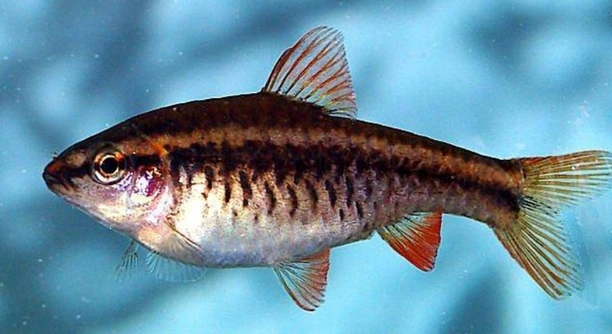
Keeping a solo Cherry Barb can be tricky, especially when it comes to maintaining their health and happiness. These little fish are known for their lively personalities, but they also come with a set of challenges.
The main challenge of keeping a solo Cherry Barb lies in its social nature. As a species, Cherry Barbs thrive in groups, and without the company of others, a single fish may experience stress, leading to poor health and a lack of activity.
Understanding how to provide the best environment and care for your Cherry Barb will help ensure its well-being. From tank setup to diet, there are key steps to take for a healthier, happier fish.
The Social Needs of Cherry Barbs
Cherry Barbs are naturally social creatures, and it’s no surprise that they feel most at ease when surrounded by other Cherry Barbs. When kept alone, these fish can become stressed, leading to reduced activity and a less vibrant color. This stress can weaken their immune systems, making them more prone to disease. For this reason, it’s generally not recommended to keep just one Cherry Barb, as their mental and physical health will suffer in isolation. A small school of Cherry Barbs, ideally 4-6, will create a more natural and comfortable environment for them.
Even though it’s possible to keep a single Cherry Barb, it’s not ideal. A solitary fish may become withdrawn and lose interest in eating, which further contributes to its decline in health. The social aspect of their behavior is key to their happiness, and keeping them alone disrupts that balance.
To give your solo Cherry Barb the best chance at a healthy life, consider adding a few more of its kind to the tank. You will see a more active and colorful fish with fewer signs of stress and better overall health.
Tank Size and Environment
A proper tank setup is another challenge when keeping a solo Cherry Barb. Cherry Barbs do best in tanks of at least 20 gallons, even if they are alone. A tank that is too small will stress your fish, leading to poor health and inactivity. Additionally, Cherry Barbs prefer plants and hiding spots where they can retreat and feel safe. Without a well-planted tank, your fish may feel exposed and anxious, which can further affect its behavior.
Creating an environment that mirrors its natural habitat can make a big difference in the overall well-being of your Cherry Barb. The tank should have plenty of plants and decorations to create hiding spots, as well as an efficient filtration system to maintain clean water. Proper water conditions—such as a temperature range of 74-79°F (23-26°C) and a pH level between 6.0-7.5—are essential. A stable, peaceful environment will reduce stress and encourage more natural behavior.
When these conditions are met, even a single Cherry Barb can be relatively content, but providing the best possible setup will minimize the risks associated with keeping a lone fish.
Diet and Feeding Challenges
Feeding a solo Cherry Barb can be tricky. They tend to be opportunistic feeders and will eat anything available, but without other fish to compete with, they may overeat, which can lead to obesity and other health issues. It’s important to monitor their feeding habits closely and ensure they aren’t overfed.
A balanced diet for a solo Cherry Barb should include high-quality pellets, flake food, and occasional live or frozen treats, like brine shrimp or bloodworms. You should feed them only small amounts of food twice a day to avoid overfeeding. The fish will also enjoy some plant matter, like blanched spinach or algae wafers, which help provide variety and prevent digestive issues.
You can also provide your Cherry Barb with small amounts of vegetable matter to help maintain a healthy digestive system. Be cautious of uneaten food left in the tank, as it can lead to water quality issues. A clean environment is essential to avoid further health problems that could arise from poor feeding habits.
Water Quality Management
Maintaining proper water quality is crucial for keeping a solo Cherry Barb healthy. These fish are sensitive to water changes and poor water conditions. If the water is not regularly cleaned, toxins like ammonia and nitrites can build up, which can lead to stress, illness, or even death.
Regular water changes are essential, at least 20-30% of the tank water should be replaced weekly. Additionally, an efficient filtration system will help maintain water clarity and quality. Cherry Barbs prefer slightly acidic to neutral water with good oxygenation. Without the right water conditions, they may become lethargic or more prone to diseases like fin rot or skin ulcers.
Monitoring water parameters is necessary to ensure a healthy environment for your Cherry Barb. Invest in a reliable water test kit to check levels of ammonia, nitrites, nitrates, pH, and hardness. Keeping these levels stable helps your fish feel more secure and active, improving its overall well-being.
Stress and Behavior Problems
A solo Cherry Barb is more prone to stress than one kept with other fish. Without the social interaction they naturally crave, your fish may become shy, inactive, or even lose its appetite. Stress can also lead to poor coloration and weakened immune systems.
The lack of social interaction may cause your Cherry Barb to hide more often or swim aimlessly. Stress-related health issues, like decreased resistance to diseases, can also appear if the fish feels isolated for too long. It’s important to create a peaceful environment, as sudden changes or aggressive tankmates can further stress the fish.
To help reduce stress, provide hiding spots like plants or rocks. Keeping the water temperature stable and ensuring the tank is not overcrowded will also help create a more relaxed environment.
Proper Tankmates
Choosing the right tankmates for a solo Cherry Barb is important. While they can be kept with other peaceful fish, it’s crucial not to add aggressive or fast-moving species that could intimidate or stress them out.
Cherry Barbs do well with other peaceful species like tetras, rasboras, or Corydoras catfish. These fish are gentle and won’t overwhelm your Cherry Barb. Keep in mind that tankmates should be similar in size and temperament to avoid any conflicts. Properly selecting tankmates ensures a peaceful environment and helps reduce stress for your fish.
Temperature Consistency
Cherry Barbs are sensitive to temperature fluctuations, and keeping the water within a stable range is important for their health. They thrive in temperatures between 74-79°F (23-26°C).
Fluctuating water temperatures can lead to stress, making your fish more vulnerable to illness. A heater with a thermostat is essential for maintaining consistent warmth, especially if your home experiences sudden temperature changes. Stable water conditions allow your Cherry Barb to stay active, healthy, and vibrant.
FAQ
How long do Cherry Barbs live in captivity?
Cherry Barbs can live up to 5 years in a well-maintained tank, though some may live even longer with proper care. Their lifespan largely depends on water quality, diet, and how well they are kept. Consistent care and keeping them in ideal conditions can help them live a long, healthy life. Keeping a solo Cherry Barb increases the chances of stress, which can shorten their lifespan.
What do Cherry Barbs eat?
Cherry Barbs are omnivores, meaning they eat both plant and animal matter. In captivity, they should be fed a variety of foods, including high-quality fish flakes, pellets, live or frozen foods like brine shrimp, daphnia, and bloodworms, and some plant matter like blanched spinach or algae wafers. Offering a balanced diet ensures they get the necessary nutrients for optimal health.
Can I keep a solo Cherry Barb with other species?
While Cherry Barbs are social creatures and thrive in groups, you can keep a solo Cherry Barb with other peaceful species. They do well with fish that are not overly aggressive and have a similar size and temperament, such as tetras, rasboras, or Corydoras catfish. The key is to avoid fast-moving or territorial fish that might stress the Cherry Barb. The right tankmates will help your Cherry Barb feel more comfortable and less isolated.
How do I know if my Cherry Barb is stressed?
Stress in Cherry Barbs can be recognized by certain behaviors. If the fish is hiding more often, swimming aimlessly, or showing poor coloration, it might be stressed. Stress can also manifest in a decrease in appetite or overall sluggishness. It’s important to address the cause of the stress, whether it’s poor water conditions, the absence of other Cherry Barbs, or an unsuitable environment.
What is the ideal tank size for a solo Cherry Barb?
For a solo Cherry Barb, the ideal tank size is at least 20 gallons. While a single Cherry Barb may not require a large tank, providing enough space is crucial for their comfort and well-being. A larger tank will also allow you to add other peaceful tankmates if you wish, which can help alleviate stress. The tank should also be well-planted, offering hiding spots for your fish. A larger, well-maintained tank reduces the chances of water quality issues and keeps the fish more secure.
What kind of water conditions do Cherry Barbs need?
Cherry Barbs prefer slightly acidic to neutral water, with a pH between 6.0 and 7.5. They thrive in water temperatures ranging from 74-79°F (23-26°C). The water should be soft to moderately hard. Regular water changes of 20-30% per week are necessary to keep the water clean and free of toxins. A good filtration system is also important to maintain water quality, as poor water conditions can stress the fish and lead to health problems.
Do Cherry Barbs need a filter?
Yes, a filter is essential for keeping the water in your tank clean and free from harmful toxins like ammonia and nitrites. Cherry Barbs, like all fish, need stable water conditions to thrive, and a filter helps maintain water clarity and quality. Choose a filter appropriate for the size of your tank to ensure that the water stays well-oxygenated and free of waste. Without proper filtration, the water can quickly become toxic, leading to stress or illness for your fish.
Are Cherry Barbs easy to care for?
Cherry Barbs are relatively easy to care for, but they do have specific needs that must be met for optimal health. They require stable water conditions, a balanced diet, and adequate space to swim and hide. They are also social fish, so keeping them with other Cherry Barbs is important for their well-being. While they can survive alone, they are much happier in a group. With proper care, they can live a long and vibrant life.
What temperature should I keep my Cherry Barb tank at?
The ideal water temperature for Cherry Barbs is between 74-79°F (23-26°C). This temperature range allows them to be active, healthy, and maintain their bright coloration. Consistent temperatures are important, so it’s best to use a heater with a thermostat to prevent fluctuations. Temperatures outside this range can lead to stress or illness, especially if they fluctuate too often.
Can Cherry Barbs live with bettas?
Cherry Barbs can be kept with bettas in certain situations, but caution is needed. Bettas are often aggressive, especially towards other males, so it’s important to choose tankmates carefully. If you want to keep a Cherry Barb with a betta, ensure there are plenty of hiding spots in the tank. This will give the Cherry Barb a place to retreat if the betta becomes territorial. In most cases, however, it’s best to avoid aggressive species altogether to keep the tank peaceful.
How often should I feed my solo Cherry Barb?
You should feed your solo Cherry Barb small amounts of food twice a day. Overfeeding can lead to obesity and water quality problems, so it’s important to offer only what the fish can eat in a few minutes. A varied diet, including both plant and animal matter, will ensure they get all the necessary nutrients for good health. Monitor the tank for uneaten food, as this can decompose and harm the water quality.
Why is my Cherry Barb hiding?
If your Cherry Barb is hiding, it may be stressed, sick, or uncomfortable with its environment. Stress can come from a lack of social interaction, poor water quality, or a tankmate that’s too aggressive. If the hiding is accompanied by a lack of appetite or poor color, it’s a sign that the fish needs attention. Make sure the water conditions are optimal and provide hiding spots where your fish can feel secure.
Final Thoughts
Keeping a solo Cherry Barb can be a rewarding experience, but it comes with its challenges. These fish are naturally social and prefer the company of others, which means keeping just one can lead to stress and poor health. Without the right care, a lone Cherry Barb may become inactive, lose its bright coloration, and even struggle with appetite and behavior. If you do decide to keep a solo Cherry Barb, it’s crucial to pay close attention to its environment, water quality, and diet. Proper tank setup, regular water changes, and consistent feeding schedules will help keep your fish healthy.
The most important aspect of caring for a solo Cherry Barb is addressing its social needs. If you choose not to add more Cherry Barbs to your tank, make sure it has suitable tankmates and enough hiding spaces to feel safe. Peaceful species like tetras or Corydoras are ideal, as they won’t intimidate the Cherry Barb. Tankmates can provide some form of social interaction, which may alleviate stress to some degree. However, no matter how good the tankmates are, they cannot fully replace the benefits of having other Cherry Barbs around.
Ultimately, a solo Cherry Barb can survive, but it may not thrive as well as it would in a group. If you want your fish to be truly happy and healthy, consider adding a few more Cherry Barbs. A small school of 4-6 will create a more natural environment for the fish and help them feel more secure. When kept in the right conditions with adequate care, Cherry Barbs can live for several years, offering you a colorful and lively addition to your aquarium.

Hello,
If you enjoy the content that we create, please consider saying a "Thank You!" by leaving a tip.
Every little bit helps us continue crafting quality advice that supports the health, happiness, and well-being of pets around the world, for pets of all shapes, sizes, and species.
We really appreciate the kindness and support that you show us!