
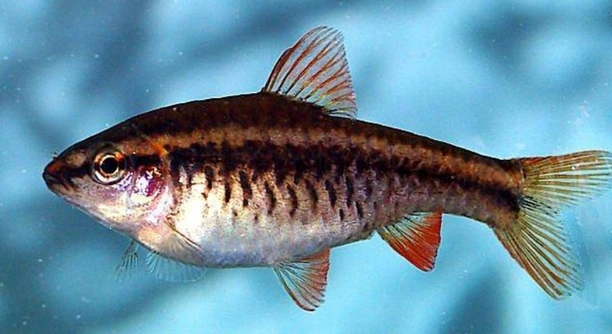
Are your cherry barbs swimming peacefully but never seem to show signs of breeding, no matter how well you care for them?
Encouraging cherry barb breeding naturally involves simulating their native environment, maintaining optimal water conditions, and providing a high-quality, varied diet. These elements trigger natural spawning behavior without the need for hormonal treatments or artificial intervention.
Simple changes in tank setup and routine can support a healthy environment where cherry barbs are more likely to breed naturally and consistently.
Provide Dense Plant Cover
Dense plant cover gives cherry barbs a sense of safety, which encourages them to spawn. In the wild, they breed in areas with thick vegetation that offers shade and hiding spots. Mimicking this setup in your tank can make a big difference. Use live plants like Java moss, hornwort, or water wisteria to create shaded zones. These plants also provide surfaces for eggs to stick to and give fry a better chance of survival. Position plants along the sides and back of the tank to leave open swimming space in the middle. Don’t overcrowd the tank, but aim for a healthy balance of plant growth and open water. Live plants also help maintain water quality by absorbing excess nutrients. Artificial plants can work too, though they won’t offer the same water benefits. Once your barbs feel protected, their natural breeding behavior becomes more likely.
Cherry barbs prefer to spawn in calm, covered areas that resemble their native streams.
Maintaining plants over time is important too. Trim overgrowth regularly and remove decaying leaves. Healthy, well-placed plants not only support breeding but also create a visually pleasing, natural habitat. The more comfortable the fish feel in their surroundings, the better the outcome for natural reproduction.
Adjust the Water Temperature
Gradually increasing the water temperature can help simulate breeding season conditions and encourage spawning behavior in cherry barbs.
In their natural habitat, cherry barbs breed during the warmer months when water temperatures begin to rise. You can mimic this by slowly increasing the tank temperature by two to three degrees, aiming for around 78°F to 80°F. Sudden changes can stress your fish, so it’s important to make adjustments gradually over a few days. This slight warmth signals to the fish that it’s time to breed. Keep the temperature steady once you’ve reached the target range. Combine this adjustment with increased feeding and fresh water changes to amplify the effect. Stable, warm water helps trigger hormonal changes in cherry barbs that lead to breeding behavior. Also, make sure your heater is reliable and your thermometer accurate. By carefully managing temperature shifts, you create a more natural, seasonal environment that supports healthy and consistent spawning without adding unnecessary stress to your fish.
Offer High-Quality Live or Frozen Foods
Live and frozen foods help trigger spawning by giving cherry barbs the nutrients they need to prepare for breeding. These options are more stimulating and natural than dry flakes or pellets.
Foods like brine shrimp, daphnia, and bloodworms mimic what cherry barbs would eat in the wild. These protein-rich treats condition the fish, making them more likely to spawn. Feed small amounts once or twice daily and remove any uneaten food to avoid dirty water. While high-quality dry foods are fine for everyday feeding, adding live or frozen options a few times a week helps improve health, color, and energy. It also supports egg production in females. Overfeeding can throw off water balance, so stick to what they can eat in a couple of minutes. Pairing these foods with optimal tank conditions will increase your chances of successful breeding in a home setup.
Rotating different types of foods keeps your cherry barbs interested and gives them a full range of nutrients. It also mirrors the natural variety they’d find in the wild. You can buy live or frozen foods from most aquarium shops or online. If using live foods, make sure they’re clean and free of parasites. Always thaw frozen food before feeding.
Perform Small, Frequent Water Changes
Clean, fresh water stimulates breeding by signaling a change in season, similar to rainstorms in nature. Small water changes done regularly also help maintain a stable, healthy environment.
Aim for water changes of around 10% to 20% every two to three days during breeding periods. Use dechlorinated water that’s slightly cooler—by about one to two degrees—than the tank water. This subtle shift can act like a rainfall cue, prompting natural spawning behavior. Avoid making large changes at once, as it can shock your fish. These smaller, steady changes help refresh the tank while keeping parameters stable. Don’t forget to vacuum debris from the substrate during changes to keep the tank clean and reduce stress. Monitor ammonia, nitrite, and nitrate levels to make sure water quality stays in the right range. Combining fresh water with high-quality food and plant cover gives cherry barbs the best chance to breed naturally.
Use a Separate Breeding Tank
A separate breeding tank helps protect eggs and fry from being eaten by adult fish. It also gives you more control over water conditions and lighting.
Keep the breeding tank simple, with soft substrate, dense plants like Java moss, and a sponge filter. This setup reduces stress and increases breeding success.
Reduce Light Levels Slightly
Cherry barbs spawn more easily in dim lighting that mimics shaded riverbanks. Too much light can make them feel exposed.
Use floating plants or dimmable LED lights to create a soft, low-light environment. Keep the tank away from direct sunlight and reduce brightness gradually if needed.
Keep the Male-to-Female Ratio Balanced
Use a ratio of one male to two females for best results. This prevents aggression and gives females time to recover between spawning.
FAQ
What water parameters are best for cherry barb breeding?
Cherry barbs thrive in water with a temperature between 75°F to 80°F, a pH level of 6.5 to 7.5, and a hardness of 5 to 12 dGH. These conditions are closest to their natural environment and will encourage breeding. It’s important to maintain stable water parameters. Sudden changes in temperature, pH, or hardness can stress the fish and prevent them from breeding. Make sure to test the water regularly to ensure that it stays within these ideal ranges. Using a good quality water conditioner and maintaining proper filtration will keep the water conditions stable for breeding.
How long does it take for cherry barbs to breed after setting up the tank?
Once the proper environment is set up, cherry barbs can start breeding within 1-2 weeks. However, this depends on the water temperature, food quality, and overall tank conditions. The fish will usually show signs of breeding, such as more active swimming and increased aggression from males trying to court females. If conditions are right, the female will lay eggs on plants or other surfaces, which the male will fertilize.
How do I know when cherry barbs are ready to breed?
Female cherry barbs are ready to breed when they become fuller and rounder with eggs. They may also change color, showing a brighter, more intense red coloration, which indicates they are in breeding condition. Males, on the other hand, will become more colorful and show off to attract the females. When you notice these signs, it’s a good indication that the barbs are ready to spawn. You may also notice males chasing females and displaying typical courtship behaviors.
Can I breed cherry barbs with other species in the same tank?
It’s possible, but it’s better to breed cherry barbs in a tank with just other cherry barbs. If they share the tank with other fish, particularly larger or more aggressive species, the eggs and fry might be eaten. If you choose to breed them with other species, ensure that the tank is well-planted with plenty of hiding spots to protect the eggs. Keeping a balanced ratio of males to females also minimizes stress during courtship.
What should I do if the eggs don’t hatch?
If the eggs don’t hatch, it could be due to water conditions being off, such as incorrect temperature, pH, or hardness. Sometimes, eggs may also be infertile. It’s important to remove the adults from the breeding tank once they’ve finished spawning, as they may eat the eggs. If eggs have been fertilized, they should hatch within 2-3 days. If no fry appear, inspect the tank for any signs of fungus or decay on the eggs, as this can sometimes prevent hatching.
How can I raise cherry barb fry successfully?
Raising cherry barb fry requires patience and attention to detail. After hatching, the fry will be very small and need fine foods like infusoria or liquid fry food. As they grow, you can start feeding them newly hatched brine shrimp or finely crushed flake food. The water temperature should remain stable at 78°F to 80°F, and the water should be kept clean with frequent small water changes. Adding a sponge filter to the fry tank helps with water circulation while preventing them from being sucked into the filter.
How can I tell if my cherry barbs are sick during the breeding process?
Signs of sickness in cherry barbs include faded colors, lethargy, erratic swimming, loss of appetite, or visible signs like lesions or white spots on the skin. Stress from poor water quality or other environmental factors can lead to illnesses, especially during the breeding process. It’s important to act quickly if you notice any of these signs, as diseases can spread fast in the tank. Always quarantine new fish before introducing them to prevent contamination and monitor water parameters regularly to keep your fish healthy.
How often should I feed my cherry barbs to encourage breeding?
Feed your cherry barbs once or twice a day, providing high-quality live or frozen foods like brine shrimp, daphnia, or bloodworms. Overfeeding can lead to poor water quality, which can hinder breeding. A balanced diet with variety encourages health and vitality in the fish, especially when preparing for breeding. While they can still eat pellets or flakes, live and frozen foods help condition them for spawning. Make sure to remove any uneaten food after a few minutes to keep the tank clean.
Do cherry barbs need specific tank mates to breed successfully?
While cherry barbs don’t require specific tank mates to breed, it’s best to avoid adding any larger, more aggressive species that may stress or harm them. Smaller peaceful fish like rasboras or tetras can coexist with cherry barbs, but it’s important to ensure the tank has enough space and hiding places. Overcrowding or aggressive tank mates may make it more difficult for the cherry barbs to breed successfully. Keeping the male-to-female ratio balanced also prevents competition and aggression among the males.
How long does it take for cherry barb fry to mature?
Cherry barb fry usually take about 3 to 4 months to reach maturity. During this time, they will grow steadily with proper care and feeding. Fry initially grow slow but gain size rapidly once they start eating more substantial foods like brine shrimp. It’s essential to monitor their growth closely and provide them with the necessary nutrients. Once they are fully mature, they will begin displaying their bright coloration, and the males will start exhibiting courtship behaviors. At this point, they’ll be ready to breed themselves.
Final Thoughts
Breeding cherry barbs naturally can be a rewarding experience when the right conditions are met. By maintaining a stable environment with proper water parameters, appropriate lighting, and a balanced male-to-female ratio, you can increase the chances of successful breeding. It’s important to be patient during the breeding process, as it may take some time for the fish to adjust and spawn. Once the right conditions are set, you can expect to see the barbs engaging in their natural behaviors, from the males courting the females to the careful laying of eggs.
While breeding, it’s crucial to keep an eye on the health of both the adult fish and their fry. Providing a well-maintained breeding tank with dense plant coverage and a sponge filter can help protect the eggs and fry from being eaten by the adults or harmed by water changes. Monitoring water quality is essential for the fry’s survival, as stable water conditions promote healthy growth. Overfeeding can lead to water quality issues, so it’s best to feed small amounts multiple times a day and remove any uneaten food.
Raising fry can be challenging but rewarding. As the fry grow, they will need to be fed appropriate foods and cared for in a separate tank if needed. With time, your cherry barbs will mature and may start breeding on their own. While it takes patience and attention to detail, seeing the success of your breeding efforts can be very satisfying. If you follow these simple tips and consistently provide the right care, breeding cherry barbs can become a smooth and successful process.

Hello,
If you enjoy the content that we create, please consider saying a "Thank You!" by leaving a tip.
Every little bit helps us continue crafting quality advice that supports the health, happiness, and well-being of pets around the world, for pets of all shapes, sizes, and species.
We really appreciate the kindness and support that you show us!