
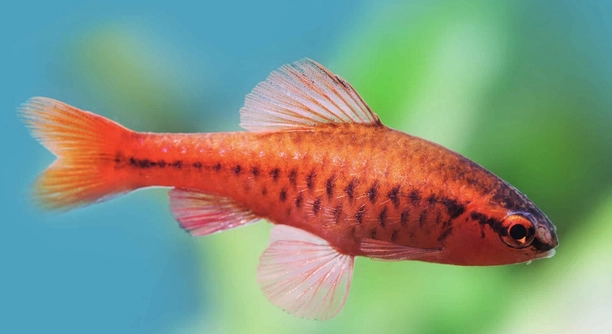
Cherry Barbs are a popular choice for many aquarium enthusiasts. Their vibrant colors and peaceful nature make them a favorite in community tanks. However, if you are considering adding them to your setup, you might wonder if they prefer to school with other fish.
Cherry Barbs are social fish and tend to form loose schools with their own kind, but they can also live peacefully with other species. While they are not as tightly schooling as some other fish, they do enjoy companionship.
Understanding their social behavior will help you create a comfortable and harmonious aquarium environment. Knowing how they interact with other fish can help ensure they thrive in your tank.
Cherry Barbs and Schooling Behavior
Cherry Barbs are known for their friendly and peaceful nature, making them a great addition to most community tanks. They are not a very large species, which means they do well in smaller spaces. When it comes to schooling, they tend to form loose groups but don’t always stay tightly packed like some other fish. They will swim together but may drift apart depending on the space and surroundings. This behavior is normal for Cherry Barbs, as they are not particularly territorial but still enjoy being with others of their kind.
It’s important to note that they are happiest when kept in groups of at least five. Keeping them in smaller numbers may make them feel insecure. Having a group of Cherry Barbs encourages them to display their natural schooling behavior, even though it may not be as tightly structured as you might expect from other fish species.
Despite not always forming tightly packed schools, Cherry Barbs are social. They interact well with other peaceful species, making them an ideal addition to community tanks. Their loose schooling behavior allows them to move freely around the aquarium, but they still find comfort in being near others of their kind. A well-balanced tank with plenty of plants and hiding spots will encourage these fish to feel secure, which may help enhance their social behavior.
Best Tankmates for Cherry Barbs
Cherry Barbs are peaceful and can easily coexist with a variety of other fish species. They thrive best when paired with other calm fish that won’t compete aggressively for food or territory.
Some ideal tankmates for Cherry Barbs include other types of barbs, tetras, and small peaceful species like Corydoras catfish or rasboras. These species share similar water requirements and won’t disrupt the peaceful nature of the Cherry Barbs. When choosing tankmates, always ensure that the fish have similar temperaments and won’t pose a threat to each other.
Cherry Barbs do best in well-planted tanks with plenty of hiding spaces. The right tankmates can help encourage their social behavior, making them feel more secure. As these fish tend to swim in the middle to upper parts of the tank, it’s important to choose species that occupy different areas of the tank to avoid territorial issues. Additionally, Cherry Barbs are small, so it’s best to avoid large or aggressive fish that may intimidate them or compete for food. Having peaceful companions that are similar in size and temperament will ensure a harmonious environment for all species.
Cherry Barbs and Tank Size
Cherry Barbs do best in tanks with plenty of space to swim and explore. A minimum tank size of 20 gallons is recommended for a small group. This allows them to move around comfortably and interact with each other without feeling cramped.
With enough space, Cherry Barbs will display their natural behavior more freely. They will swim in loose groups but may also explore different parts of the tank. A larger tank also provides more opportunities for plants, decorations, and hiding spots, which helps them feel more secure. The more space they have, the more they will display social behavior and interact with their tankmates.
When setting up a tank for Cherry Barbs, consider both their space needs and their need for security. Adding plants, rocks, and decorations can provide hiding spots, reducing stress and encouraging them to interact with each other. In larger tanks, you may also be able to add more fish, increasing the social dynamic without overcrowding.
Water Conditions for Cherry Barbs
Cherry Barbs thrive in slightly acidic to neutral water with temperatures between 75°F and 80°F. They prefer stable water parameters, so regular water changes and monitoring are essential for their health.
Maintaining stable water conditions is crucial for Cherry Barbs’ well-being. These fish are sensitive to drastic changes in temperature or pH, which can stress them out and cause health issues. Proper filtration helps keep the water clean, while regular water changes maintain the right balance. If you notice changes in their behavior, like decreased activity or hiding, it may indicate water quality problems. Ensuring stable water conditions helps Cherry Barbs stay active and display their social tendencies.
To keep the water conditions stable, invest in a reliable filter and test kits to monitor key parameters like ammonia, nitrites, and nitrates. Regular maintenance, including partial water changes and vacuuming the substrate, will keep your tank clean and healthy. Consistency in water conditions helps Cherry Barbs feel more secure and reduces the likelihood of stress or illness. This stability supports their natural schooling behavior and overall happiness.
Feeding Cherry Barbs
Cherry Barbs are not picky eaters and enjoy a variety of foods. A balanced diet of high-quality flakes, pellets, and occasional live or frozen food will keep them healthy.
They will eagerly accept most foods, but it’s important to offer a variety. A mix of plant-based and protein-rich foods ensures they get the proper nutrients. You can feed them flakes or pellets as a staple and supplement with occasional treats like daphnia or bloodworms. This variety helps maintain their health and vibrant color.
In addition to their diet, avoid overfeeding, as excess food can pollute the tank and lead to water quality issues. Feed small amounts a couple of times a day, ensuring that all food is consumed in a few minutes.
Cherry Barbs and Breeding
Breeding Cherry Barbs in captivity can be a rewarding experience. These fish are relatively easy to breed, especially with the right conditions and tank setup.
To encourage breeding, provide a separate breeding tank with soft, slightly acidic water. Use a breeding net or small mesh to keep the male and female separated until they are ready to mate. A temperature between 78°F and 80°F can trigger spawning. When ready, the male will display vibrant colors to attract the female, and the female will lay eggs on plants or substrates. Once spawning is complete, remove the adults to prevent them from eating the eggs.
Proper care of the eggs and fry involves maintaining stable water conditions and feeding the young with small, nutritious foods as they grow. The fry should be kept in a separate tank until they are large enough to join the main tank.
Cherry Barbs and Their Lifespan
Cherry Barbs have a lifespan of around 3 to 5 years when kept in optimal conditions. Their longevity depends on factors like water quality, diet, and stress levels.
A well-maintained aquarium with regular water changes and proper care can help extend their lifespan. Providing stable water conditions and avoiding overcrowding is crucial. Additionally, keeping them in peaceful tank setups with compatible tankmates helps prevent stress, allowing them to live their full lifespan.
FAQ
Do Cherry Barbs need to be in groups?
Yes, Cherry Barbs are social fish that prefer being in groups. A minimum of five is recommended for them to feel secure and exhibit natural schooling behavior. While they may not school as tightly as other species, having a group encourages their natural social behavior. They will interact more freely with each other in a group setting, which helps reduce stress.
Can Cherry Barbs live with other fish?
Cherry Barbs are peaceful and can live with many other species, especially those that are calm and not overly territorial. Some good tankmates for them include tetras, Corydoras catfish, rasboras, and other non-aggressive barbs. It’s essential to avoid larger, more aggressive fish that might bully them. Cherry Barbs also thrive in community tanks with similar-sized, peaceful fish that occupy different levels of the tank to avoid overcrowding.
What size tank is best for Cherry Barbs?
A 20-gallon tank is the minimum size recommended for a small group of Cherry Barbs. A larger tank provides them with more space to swim and explore, and also allows for a better setup with plants and decorations. With more space, Cherry Barbs will feel more secure and be more likely to display social behavior. A larger tank also helps to avoid overcrowding and ensures better water quality, both of which are important for their health.
What do Cherry Barbs eat?
Cherry Barbs are not picky eaters and will accept a variety of foods. They can be fed high-quality flakes or pellets as their main diet, supplemented with occasional treats like bloodworms, daphnia, or brine shrimp. A varied diet helps ensure they get the right balance of nutrients, which is essential for maintaining their vibrant colors and overall health. Be careful not to overfeed, as excess food can lead to water quality issues.
How often should I feed my Cherry Barbs?
It’s best to feed your Cherry Barbs small amounts 2 to 3 times a day. They will eat quickly, so only offer as much food as they can consume in a few minutes. Overfeeding can lead to poor water quality, which can affect the health of your fish. Feed a balanced diet, including both plant-based and protein-rich foods, to ensure they get all the necessary nutrients.
Can Cherry Barbs breed in a home aquarium?
Yes, Cherry Barbs can breed in captivity if the right conditions are met. To encourage breeding, set up a separate breeding tank with soft, slightly acidic water and a temperature between 78°F and 80°F. When the male is ready to mate, he will display brighter colors to attract the female. After spawning, the female will lay eggs on plants or surfaces. Once the eggs are laid, remove the adults to prevent them from eating them. The fry will hatch within a few days and should be kept in a separate tank until they are large enough to join the main tank.
What are the best water conditions for Cherry Barbs?
Cherry Barbs prefer slightly acidic to neutral water, with a pH level between 6.0 and 7.5. They thrive in temperatures between 75°F and 80°F. Maintaining stable water conditions is crucial for their health. Fluctuating temperature or pH can stress them out and make them more susceptible to diseases. Regular water changes and good filtration are necessary to keep the water clean and stable.
How long do Cherry Barbs live?
Cherry Barbs typically live for 3 to 5 years, depending on the care they receive. Proper water quality, a balanced diet, and a peaceful tank environment can help them live longer. Reducing stress and avoiding overcrowding also contribute to their longevity. Providing a stable and well-maintained tank will allow them to thrive for as long as possible.
Do Cherry Barbs require a filter?
Yes, Cherry Barbs benefit from having a good filter in their tank. Filters help maintain water quality by removing excess waste and toxins. Cherry Barbs are sensitive to poor water conditions, so a filter is essential to keep their environment clean. Additionally, a filter helps oxygenate the water, which is important for their overall health. Make sure to choose a filter that’s appropriately sized for your tank to avoid disturbing the fish with excessive water flow.
Are Cherry Barbs aggressive?
No, Cherry Barbs are not aggressive fish. They are peaceful and can live well with other non-aggressive species in a community tank. However, like most fish, they can become stressed if kept in overcrowded or inappropriate environments. If they feel threatened, they may become more skittish and less likely to interact with other fish. Ensuring they are in a calm, stable environment with compatible tankmates will help them feel safe and secure.
Can Cherry Barbs tolerate different water temperatures?
Cherry Barbs are relatively adaptable but do best in temperatures between 75°F and 80°F. They can tolerate slight fluctuations but should not be exposed to drastic changes in temperature, as this can cause stress and health problems. It’s important to maintain a stable environment with regular monitoring of water conditions. Keeping the temperature consistent ensures that Cherry Barbs stay healthy and active.
Final Thoughts
Cherry Barbs are an excellent choice for anyone looking to add peaceful, colorful fish to their aquarium. Their calm nature and vibrant colors make them a great addition to a community tank, and they are relatively easy to care for. While they don’t school as tightly as some other species, they still enjoy being in groups. Providing them with the proper tank setup, including plenty of space and compatible tankmates, will ensure they thrive in your aquarium. Cherry Barbs are also adaptable when it comes to feeding, enjoying a variety of foods, from high-quality flakes to occasional live or frozen treats.
One of the key factors to keeping Cherry Barbs happy is maintaining stable water conditions. They thrive in slightly acidic to neutral water, with temperatures ranging from 75°F to 80°F. Regular water changes and proper filtration are important for keeping the tank clean and healthy. A larger tank size is ideal for allowing them to interact with each other and their tankmates, and it also helps maintain good water quality. When setting up your aquarium, be sure to include plants and decorations to give your Cherry Barbs places to explore and hide. This will also reduce stress and encourage their natural social behavior.
If you are interested in breeding Cherry Barbs, they can easily be bred in captivity with the right conditions. A separate breeding tank with soft, slightly acidic water, and a consistent temperature will encourage spawning. The process is relatively simple, and once the fry are hatched, they can be raised in a separate tank until they are large enough to join the main one. As with any fish, maintaining good water quality, providing a balanced diet, and ensuring that they have compatible tankmates will help Cherry Barbs live a long and healthy life. Whether you’re a beginner or experienced aquarium keeper, Cherry Barbs make a great addition to any tank.

Hello,
If you enjoy the content that we create, please consider saying a "Thank You!" by leaving a tip.
Every little bit helps us continue crafting quality advice that supports the health, happiness, and well-being of pets around the world, for pets of all shapes, sizes, and species.
We really appreciate the kindness and support that you show us!