
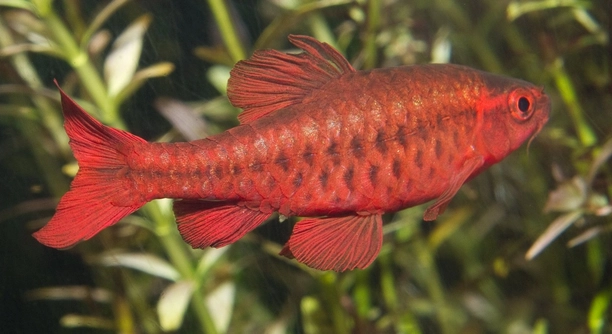
Have you ever noticed your cherry barbs sticking to the upper levels of the tank and ignoring the bottom completely? It can seem unusual at first, especially if the lower area looks perfectly clean and calm.
Cherry barbs often avoid the bottom of the tank due to stress, poor water conditions, or lack of adequate cover. These fish prefer well-planted environments with mid-level swimming space, and a bare or exposed bottom may feel unsafe.
By understanding what influences their swimming habits, you can create a space that better supports their comfort and natural behavior.
Why Cherry Barbs Prefer the Middle and Top Levels
Cherry barbs are naturally active fish that enjoy swimming in the middle and upper parts of the tank. This behavior is influenced by their need for safety, stimulation, and proper oxygen levels. In the wild, they inhabit streams and slow-moving waters with dense vegetation, where mid-level areas offer both shelter and better flow. When kept in home aquariums, they tend to avoid the bottom if it feels too open, lacks hiding spots, or has debris buildup. Tankmates that occupy the bottom space can also cause them to stay away due to territorial pressure. Cherry barbs are peaceful and tend to avoid conflict by swimming elsewhere. If you notice your fish are rarely visiting the bottom, it’s often just part of their natural pattern, not always something to worry about.
A clean, well-planted tank with consistent lighting will make cherry barbs feel secure, encouraging them to explore more freely.
Avoiding the bottom can also be a sign of discomfort or changes in water parameters. If your cherry barbs suddenly stop exploring the lower area, check for ammonia spikes, low oxygen levels, or temperature fluctuations. These can all impact their behavior. Proper tank setup plays a big role in keeping them calm and active.
How to Encourage Exploration of the Bottom
Adding live plants, driftwood, or smooth rocks can make the bottom area more appealing without overwhelming the fish.
If you want your cherry barbs to be more active across the entire tank, focus on providing visual cover and a stable environment. Choose soft, dark-colored substrate to reduce glare, and place rooted plants like java fern or anubias near the bottom. These elements help the fish feel safe from perceived threats. Make sure there’s no aggressive bottom-dwelling fish competing for space, as that can keep cherry barbs away. Keep your filtration system gentle to avoid strong currents that push them away from lower zones. Regular water testing will also help you stay ahead of issues like rising nitrates or sudden pH drops. A consistent maintenance routine, including partial water changes, keeps conditions balanced and healthy. Once the tank feels comfortable, your cherry barbs are more likely to venture to the bottom as part of their daily routine.
Common Mistakes That Make Cherry Barbs Avoid the Bottom
Overcrowding, strong currents, and harsh lighting can make cherry barbs feel uncomfortable at the bottom. Without enough space or cover, they’ll naturally stay higher. Poor substrate choices and messy gravel can also make the lower level feel uninviting or unsafe.
Tank mates play a big role in cherry barb behavior. If more dominant or aggressive fish patrol the bottom, cherry barbs will avoid that area entirely. Fish like loaches or certain cichlids can make them feel stressed. Even if the other fish aren’t directly aggressive, constant movement or competition for food can push cherry barbs upward. To fix this, avoid mixing them with fish that occupy the same lower space aggressively. Also, be mindful of feeding routines. If food only sinks to the bottom, cherry barbs may miss meals and become more timid. Spread out flakes or use slow-sinking pellets so they don’t need to fight for food.
Lighting and decor can also impact how safe cherry barbs feel near the substrate. Bright, uncovered spaces can create stress, especially if there are no shaded areas to retreat to. Use floating plants or tall vegetation to block direct light. Keep the tank well-maintained, removing uneaten food and vacuuming debris. A clean, quiet bottom with natural cover will feel more secure. Even small details like smoother gravel or natural colors can make a difference. It helps mimic the shallow streams they are used to in the wild. With a few changes, they’ll feel more relaxed and confident exploring every corner of the tank.
Ideal Tank Conditions to Support Bottom Exploration
Cherry barbs thrive in stable tanks with temperatures between 74°F and 80°F and a pH of 6.5 to 7.5. Consistent conditions make them more likely to swim freely, including at the bottom. Avoid temperature swings or sudden pH drops.
Creating a calm, balanced tank allows cherry barbs to feel secure at all levels. Stick to a group of at least six to reduce stress and promote natural schooling behavior. Keep the lighting moderate and break it up with floating plants like hornwort or water lettuce. For the substrate, choose dark gravel or sand, which reduces reflection and adds contrast for a more natural environment. Include rooted plants and hiding spots at the bottom, using driftwood or smooth stones to define space. Limit noise and avoid excessive current from filters. Run regular water tests to monitor ammonia, nitrites, and nitrates. Stability matters most—barbs adjust best when the tank feels familiar and calm every day.
Signs Your Cherry Barbs Are Uncomfortable
Cherry barbs that avoid the bottom and hover near the surface for long periods may be stressed. Look for clamped fins, dull coloration, or rapid breathing. These are all signs something in the tank isn’t right for them.
They may also start hiding more or stop eating if the environment feels off. If they aren’t schooling normally or seem to avoid certain areas entirely, it’s time to check for water issues, aggressive tankmates, or changes in lighting and decor.
Behavioral Changes to Watch For
Behavioral shifts in cherry barbs can be subtle but important. If they’re suddenly less active, swimming erratically, or showing signs of isolation, it often points to a stressor in the tank. A stressed cherry barb may stop exploring, especially the bottom, and stay motionless near plants or corners. This behavior can stem from temperature changes, lack of cover, or bullying. When cherry barbs lose their bright colors or stop interacting with one another, it’s usually a sign they don’t feel secure. Reacting quickly helps prevent health issues. Adjust the tank environment and make slow, careful changes to reduce stress without overwhelming them further.
When to Make Tank Adjustments
Make changes when you notice unusual swimming patterns, lack of activity, or hiding. Don’t wait until signs of illness appear—early adjustments keep things stable and calm.
FAQ
Why do my cherry barbs stay near the surface?
Cherry barbs may stay near the surface if the lower part of the tank feels unsafe. This could be caused by strong water flow, poor water quality, or aggressive tankmates occupying the bottom. Bright lighting or a lack of plants and shelter can also keep them from feeling comfortable enough to explore lower levels. Sometimes, they’re just following food if it’s always offered at the top. Make sure to spread food throughout the tank and reduce any stress factors that might be keeping them near the surface too long.
Are cherry barbs bottom dwellers?
Cherry barbs are not true bottom dwellers. They’re mid-to-top swimmers by nature, but they’ll explore the bottom if conditions are right. They enjoy planted areas and soft, calm environments, especially near the substrate. If you rarely see them go down low, it could be because something is off in your tank setup. They should feel free to roam every level of the tank when everything is in balance.
Can water flow affect where cherry barbs swim?
Yes, water flow plays a big role in their swimming patterns. If the flow is too strong at the bottom, they’ll avoid that area. Cherry barbs prefer calm, steady water. Use a filter with adjustable output or a sponge filter to maintain gentle circulation. Placing decorations and plants strategically can also break up current and give them more peaceful spaces to swim in comfortably. If your barbs are sticking to the top or middle, check the flow strength around the lower level.
What kind of tankmates help cherry barbs feel safe?
Cherry barbs do best with peaceful, similarly sized tankmates. Good options include harlequin rasboras, neon tetras, and peaceful bottom dwellers like corydoras. Avoid aggressive fish or those that constantly roam the bottom, like large loaches or territorial cichlids. Keeping cherry barbs in a group of six or more also helps them feel safer and encourages natural behavior. A calm, respectful tank environment makes a big difference in where they swim.
Is it normal for cherry barbs to hide?
Occasional hiding is normal, especially after water changes or when they’re adjusting to a new tank. But if hiding becomes constant, they may be feeling stressed. Check water parameters, lighting, tankmate behavior, and decor placement. Add more live plants and hiding spots if needed. They should feel safe enough to explore once things settle.
How do I encourage cherry barbs to use the whole tank?
Create a balanced setup that offers something at every level—floating plants near the surface, open swimming space in the middle, and natural shelter on the bottom. Use soft, dark gravel and reduce harsh lighting. Keep water parameters steady and feed in different areas so they feel confident moving around. A healthy, peaceful environment encourages full use of the tank.
What if my cherry barbs suddenly stop swimming near the bottom?
Sudden changes in behavior can be a sign of stress, illness, or environmental shifts. Check water quality first—ammonia, nitrite, or nitrate spikes can make fish uncomfortable. Also review recent changes to decor, lighting, temperature, or tankmates. Fix any issues slowly and calmly to help them return to normal.
Do cherry barbs need hiding spots at the bottom?
Yes, they appreciate having places to retreat to at all levels of the tank. Hiding spots at the bottom—like caves, driftwood, or dense plants—help them feel more secure. It also gives them a place to rest without being exposed. Without shelter, they may stay away from the bottom entirely.
How often should I clean the tank to keep cherry barbs comfortable?
Perform partial water changes weekly, around 25–30%, and vacuum the substrate to remove waste. Keep filters clean but avoid disrupting beneficial bacteria. Regular maintenance helps reduce stress and keeps every part of the tank, including the bottom, clean and inviting. A stable, clean environment is key for healthy cherry barbs.
Final Thoughts
Cherry barbs are peaceful and colorful fish that often bring life to the middle and upper areas of a tank. When they avoid the bottom, it usually means something is off in their environment. It might be strong water flow, a lack of shelter, or poor water quality. These small details can make a big difference in how comfortable your fish feel. If their tank feels stressful or unsafe, cherry barbs will naturally stay in the areas where they feel most secure. Watching their behavior closely helps you understand what they need, even when they can’t show it directly.
To make the bottom of the tank more inviting, focus on soft lighting, gentle water movement, and lots of hiding places like plants or smooth decorations. Cherry barbs like to explore, but only if they feel protected. When there’s not enough shelter or the bottom is too exposed, they’ll stay away. You can also look at the behavior of other fish in the tank. Aggressive or fast-moving tankmates can cause cherry barbs to stay up high where it feels calmer. Feeding in different spots and offering a mix of floating and sinking food can also help them feel more comfortable moving around the tank freely.
Taking care of cherry barbs is mostly about keeping things consistent and calm. A well-maintained tank with clean water, gentle flow, and the right kind of tankmates gives them space to thrive at all levels, including the bottom. If you notice them staying in one area all the time, it’s usually a sign that something needs to be adjusted. Every fish has its own habits, but when they act differently than usual, it’s worth paying attention. With a few small changes, you can help your cherry barbs feel secure and active throughout the whole tank. It’s not just about the water—it’s about creating a space where they can feel safe enough to explore. Keeping an eye on their behavior and making steady improvements goes a long way in supporting their health and happiness.

Hello,
If you enjoy the content that we create, please consider saying a "Thank You!" by leaving a tip.
Every little bit helps us continue crafting quality advice that supports the health, happiness, and well-being of pets around the world, for pets of all shapes, sizes, and species.
We really appreciate the kindness and support that you show us!