
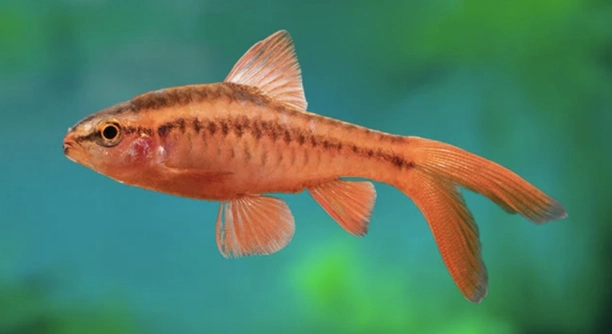
Cherry barbs are a popular choice for aquarium enthusiasts due to their vibrant colors and calm nature. However, there are some myths surrounding them that could be misleading. It’s important to clear up these misconceptions.
Cherry barbs are often misunderstood in the aquarium hobby. Many common beliefs about their behavior, care, and tank needs are incorrect, and debunking these myths can help aquarium keepers provide a better environment for them.
By understanding the facts about cherry barbs, you’ll be able to provide the best care for them. Keep reading to uncover the truth behind these popular myths.
Myth 1: Cherry Barbs Need a Very Large Tank
Many believe that cherry barbs need a huge tank to thrive, but this isn’t true. In fact, these fish are relatively small and adaptable. A tank as small as 20 gallons can comfortably house a few cherry barbs. However, it’s still essential to keep in mind that cherry barbs do best in a well-planted tank with plenty of hiding spaces.
A smaller tank is perfectly fine as long as it is kept clean and well-maintained. Overcrowding is the real issue, not tank size. The more fish you add, the harder it is to maintain water quality.
Proper filtration, regular water changes, and a balanced setup are crucial for cherry barbs. They are not difficult to care for, but they do need a stable environment to thrive. Keeping the tank size manageable while maintaining good water quality will ensure your cherry barbs stay healthy and active.
Myth 2: Cherry Barbs Are Aggressive
Some people believe that cherry barbs can be aggressive, especially towards other species. However, this is not the case. Cherry barbs are known for their peaceful nature and are a great addition to community tanks. They tend to be shy and are often outcompeted by more dominant fish for food.
That said, it’s essential to keep cherry barbs in groups. Being a social species, they feel more comfortable when kept in schools. A group of five or more will help reduce any stress and allow them to exhibit their natural behavior.
It’s worth noting that cherry barbs may become slightly territorial during breeding, but this behavior is usually mild and not harmful to tankmates. Overall, cherry barbs make excellent companions for other peaceful fish. Keeping them in a friendly community setting will lead to a more harmonious tank environment.
Myth 3: Cherry Barbs Are Hard to Breed
Breeding cherry barbs is easier than many think. While they aren’t as straightforward as guppies, with the right setup, they will reproduce without much hassle. A well-planted tank with a slightly acidic pH and a temperature range of 74-80°F is ideal for breeding.
To increase the chances of successful breeding, it’s best to keep a ratio of two females for every male. This setup encourages the males to show off and breed more frequently. When cherry barbs are ready to spawn, the male will chase the female and display vibrant colors to attract her.
Once spawning occurs, it’s important to remove the adults as they may eat the eggs. The eggs will hatch within a few days, and the baby cherry barbs, or fry, can be fed on micro-foods until they grow large enough to join the main tank. With minimal intervention, cherry barbs breed quite readily in the right conditions.
Myth 4: Cherry Barbs Can Live in Cold Water
Some people mistakenly believe cherry barbs can thrive in cold water, but they are actually tropical fish. These fish require warm water, typically between 74 and 80°F, to stay healthy. Cold water can stress them, lower their immune system, and even shorten their lifespan.
In an aquarium, maintaining the correct water temperature is key. It’s best to use a reliable heater, especially in cooler climates. Cherry barbs also appreciate stable water conditions, so fluctuating temperatures should be avoided.
Keeping the water warm will not only promote good health but also bring out the full color of these fish. With proper warmth and consistent care, cherry barbs will thrive, showing off their natural beauty and peaceful nature.
Myth 5: Cherry Barbs Only Thrive on Live Food
A common misconception is that cherry barbs only thrive on live food, but they can do just fine with a varied diet of high-quality flakes, pellets, and occasional frozen food. They are not picky eaters and will readily accept a variety of foods.
While live food like brine shrimp or daphnia can be a great treat, it’s not necessary for their health. A well-balanced, nutrient-rich flake or pellet food is usually enough to keep them healthy. The key is to avoid overfeeding and ensure the food is appropriate for their size and needs.
Variety is still important. Occasional feedings of frozen foods can be beneficial, as it mimics their natural diet. However, don’t rely solely on live food, as it’s not a requirement for cherry barbs to thrive. Stick to a regular feeding schedule and offer a mix of food types for best results.
Myth 6: Cherry Barbs Are Only Red
While the male cherry barbs are known for their striking red coloration, females can also be quite beautiful. They tend to have a more subdued, golden-brown appearance but are still attractive and can bring balance to the tank.
The males’ vibrant red color is most noticeable during breeding season when they’re trying to attract females. During this time, the males will display their brightest hues to show off. The rest of the year, the males will often appear more muted, but still colorful.
It’s important to remember that both males and females play a role in the tank’s aesthetics. The contrast between the red males and the golden females adds visual interest to the aquarium. Both genders have unique charm, making cherry barbs a lovely and dynamic addition to your tank.
Myth 7: Cherry Barbs Are Hard to Care For
Cherry barbs are often seen as high-maintenance, but they are actually quite easy to care for. They don’t require special treatments or complicated water conditions. With a stable environment, these fish will thrive without too much effort from you.
The key to cherry barb care is maintaining good water quality, avoiding overfeeding, and providing enough space for them to swim. Regular water changes and a well-filtered tank are all that’s necessary. As long as you meet these basic needs, cherry barbs will be healthy and happy in your tank.
Cherry barbs are perfect for beginners because they’re adaptable and hardy. Their peaceful nature makes them easy to keep with other species as well, making them an ideal choice for a community tank.
Myth 8: Cherry Barbs Are Sensitive to Water Changes
Many people think cherry barbs can’t tolerate changes in water conditions, but they are actually quite resilient. They can handle moderate fluctuations in pH, hardness, and temperature, as long as the changes aren’t too sudden or extreme.
With a slow, gradual change, cherry barbs adapt without stress. Of course, stability is always ideal, but they’re not as sensitive as some other species. The key is to avoid drastic shifts, which can be harmful to any fish, not just cherry barbs.
Consistent care, along with regular water testing, will ensure that your cherry barbs stay comfortable. Don’t be afraid to perform water changes—just do so carefully.
Myth 9: Cherry Barbs Should Only Be Kept with Other Cherry Barbs
While cherry barbs enjoy being in schools of their own kind, they also do well with many other peaceful fish species. They are social but not overly territorial, which means they can cohabitate with species like tetras, rasboras, and other small, non-aggressive fish.
In a community tank, the diversity of species can be just as beneficial to cherry barbs as having more of their own kind. It also provides more variety in the tank’s activity, as cherry barbs interact well with other fish and enjoy the presence of different tankmates.
FAQ
Are cherry barbs good for beginners?
Yes, cherry barbs are an excellent choice for beginners. They are hardy and adaptable, which makes them easier to care for than many other fish. With basic tank maintenance, regular water changes, and appropriate feeding, you can enjoy keeping cherry barbs with little hassle. Their peaceful nature also makes them suitable for community tanks, especially with other small, non-aggressive fish.
How many cherry barbs should be kept together?
It’s best to keep cherry barbs in groups of at least 5 or more. These fish are social and thrive in schools. When kept in small groups, they can become stressed or less active. Having a group helps them feel secure, reduces territorial behavior, and allows them to display their natural behaviors.
What size tank do cherry barbs need?
Cherry barbs do well in tanks as small as 20 gallons. Since they are relatively small fish, they don’t need large tanks. However, the tank should be well-planted with hiding spots and have proper filtration. Overcrowding is more of a concern than tank size when it comes to cherry barbs.
Can cherry barbs live with other fish?
Yes, cherry barbs are peaceful and get along well with most other non-aggressive fish. They are often kept with species like neon tetras, guppies, or rasboras. However, avoid aggressive fish that might bully them or compete for food. Cherry barbs also do well in community tanks, as long as the water conditions are suitable for all species.
What do cherry barbs eat?
Cherry barbs are not picky eaters. They accept high-quality flake food, pellets, and occasional frozen or live foods such as brine shrimp or daphnia. A varied diet is best to ensure they get all the nutrients they need. However, they don’t rely on live food to survive, and a mix of different foods is sufficient.
How often should I feed my cherry barbs?
Cherry barbs should be fed once or twice a day. Be sure to only offer as much food as they can consume in a few minutes. Overfeeding can lead to water quality problems and health issues. Feeding them small portions helps maintain a healthy tank environment and ensures they aren’t eating more than they need.
Do cherry barbs breed easily?
Cherry barbs can breed in a home aquarium, but they do require specific conditions. Providing a separate breeding tank or planting a tank heavily increases the chances of success. Keep the water temperature between 74-80°F and a slightly acidic pH. The males will show off their bright colors to attract females. After spawning, remove the adults, as they may eat the eggs. The fry hatch within a few days and can be fed micro foods until they grow large enough to join the main tank.
How do I maintain water quality for cherry barbs?
Maintaining good water quality is essential for cherry barbs. Regular water changes, at least once a week, will help keep the tank clean and healthy. Use a reliable filter to ensure proper filtration and avoid any toxic buildup. Test the water regularly for ammonia, nitrites, nitrates, and pH levels to ensure they remain stable and within the ideal range for cherry barbs.
Do cherry barbs need a heater?
Yes, cherry barbs are tropical fish and require warm water to stay healthy. A heater is recommended, especially if your tank is in a cooler room or during winter months. Keep the temperature between 74-80°F to ensure they stay comfortable and thrive. Stable temperatures are crucial, as large fluctuations can stress them and affect their health.
What are the ideal tank mates for cherry barbs?
Cherry barbs do well with other peaceful, small fish. Tetras, rasboras, corydoras catfish, and peaceful gouramis are excellent tank mates. Avoid keeping them with large, aggressive fish that might intimidate or harm them. Cherry barbs will also thrive in a well-planted tank where they can explore and hide.
Do cherry barbs change color?
Yes, male cherry barbs are known for their vibrant red coloration, which is most prominent during the breeding season. Outside of breeding, their colors may be less intense, but they still maintain a beautiful reddish hue. Female cherry barbs are generally a more subdued golden-brown color but are still visually appealing.
How long do cherry barbs live?
Cherry barbs typically live around 3 to 5 years when kept in a healthy environment. The lifespan can be extended with proper care, including maintaining stable water conditions, feeding them a balanced diet, and preventing stress. Keeping them in a community tank with compatible species can also reduce stress and improve their overall quality of life.
Can cherry barbs tolerate low oxygen levels?
Cherry barbs are relatively tolerant of lower oxygen levels compared to some other species, but they still require clean, well-oxygenated water. They do best in tanks with proper filtration, which helps to keep the water oxygenated. Avoid overstocking the tank, as overcrowding can lead to lower oxygen levels and stress the fish.
Are cherry barbs prone to diseases?
Like all fish, cherry barbs are susceptible to certain diseases, especially if water quality is poor. Common issues include ich, velvet disease, and fin rot. Regular water changes, a balanced diet, and proper tank maintenance will help keep diseases at bay. Quarantining new fish before introducing them to the tank is also a good preventative measure.
Final Thoughts
Cherry barbs are a great choice for both beginners and seasoned fishkeepers alike. These peaceful, small fish are easy to care for and can thrive in various tank setups. They do well in community tanks with other non-aggressive species and are a good option if you’re looking for a colorful addition to your aquarium. Their adaptability makes them a forgiving choice, as long as their basic needs are met, such as clean water, proper feeding, and a stable environment.
Despite some myths, cherry barbs are not difficult to maintain. They do not require a large tank, and they can live comfortably in tanks as small as 20 gallons. While they enjoy being in groups, they are not overly demanding, and their social nature helps keep them active and engaged in the tank. Keeping their environment simple, with a few plants and hiding spots, is usually enough to make them happy. Overfeeding is a common mistake to avoid, as it can affect water quality and cause health problems. Regular water changes and proper filtration are essential to keep them in good condition.
In the end, cherry barbs are a beautiful, low-maintenance choice for anyone looking to add fish to their tank. Whether you’re new to fishkeeping or have been maintaining aquariums for years, these fish offer a lot of value. By debunking some of the common myths about them, it becomes clear that they are versatile and hardy, requiring just basic care to flourish. If you’re interested in keeping cherry barbs, you’ll likely find that they are a rewarding addition to any aquarium.

Hello,
If you enjoy the content that we create, please consider saying a "Thank You!" by leaving a tip.
Every little bit helps us continue crafting quality advice that supports the health, happiness, and well-being of pets around the world, for pets of all shapes, sizes, and species.
We really appreciate the kindness and support that you show us!