
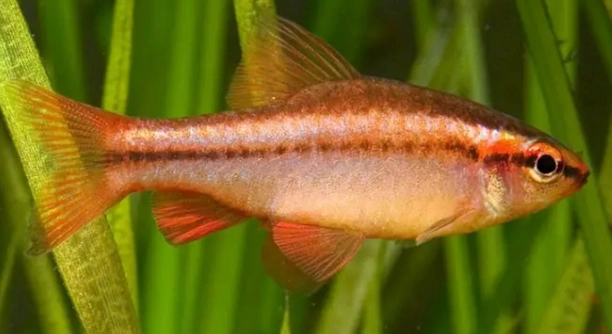
Cherry Barbs are popular aquarium fish known for their calm and peaceful nature. However, if you’ve noticed your Cherry Barb digging in the substrate, it can be a bit puzzling. Understanding this behavior is key to ensuring your fish’s health and well-being.
The primary reason for Cherry Barbs digging is their instinctual behavior to search for food or explore their environment. They may also dig to create a hiding spot or relieve stress. This action is common and generally harmless if they are kept in suitable conditions.
Proper tank conditions and understanding the behavior of Cherry Barbs will help prevent issues. By adjusting your aquarium setup and routine, you can keep your fish happy and healthy.
Why Do Cherry Barbs Dig in the First Place?
Cherry Barbs are naturally curious fish, and their digging behavior often stems from this. In their wild habitats, they spend time sifting through the substrate in search of food, small organisms, or hiding spots. In your aquarium, they may act similarly, exploring their surroundings. If they feel safe and comfortable, they’ll keep digging in a natural way, especially if they have a soft substrate like sand or fine gravel to dig into.
It’s important to note that Cherry Barbs are not aggressive diggers. Their digging is often subtle and can be part of their playful nature. As long as there’s nothing harmful in the tank, this behavior is usually harmless.
Providing Cherry Barbs with enough food and a secure environment can prevent unnecessary stress that might lead them to dig excessively. Ensure they have enough space and places to hide so they feel safe. Maintaining a clean tank with proper filtration and the right water parameters is essential for their well-being.
What Could Cause Stress in Cherry Barbs?
Stress can cause Cherry Barbs to act out, including excessive digging. Factors like poor water quality, high temperatures, and overcrowding can lead to stressed fish. Fish that are stressed often try to find ways to cope, such as digging to hide or search for food.
Creating an environment that minimizes stress for Cherry Barbs is important. Make sure their tank is spacious, clean, and that they have the right companions. Avoid overcrowding, and monitor the temperature and water quality regularly.
Adding plants, rocks, and decorations can also help create a more natural and secure environment. Cherry Barbs are peaceful, so other calm fish make great tankmates. When they feel relaxed, they are less likely to exhibit behaviors such as excessive digging.
How to Prevent Excessive Digging
While digging is a natural behavior, excessive digging can sometimes indicate an underlying issue. You can prevent this by ensuring the tank has a balanced setup. Start by checking the water parameters—temperature, pH, and ammonia levels must be stable for optimal fish health. Cherry Barbs thrive in slightly acidic to neutral water, so adjustments may be needed if the levels are off.
Another factor is tank size. Cherry Barbs should be kept in groups of at least six to prevent stress from isolation. A properly stocked tank helps them feel secure, reducing unnecessary behaviors like digging. Overcrowding can also lead to stress, so make sure to keep an eye on the number of fish in the tank.
Providing plenty of plants, caves, and hiding spots can help Cherry Barbs feel at ease. With these hiding spots, they may dig less since they’ll have a safe retreat to rest. Adding a good filtration system to maintain clean water will also improve their overall health.
Is the Substrate Affecting Their Digging?
The substrate you use can have a significant impact on how often your Cherry Barbs dig. Fish that are used to soft, fine gravel or sand will naturally spend more time digging. These types of substrates mimic the natural environment, allowing the fish to explore freely.
If you notice that your Cherry Barb is digging more than usual, consider the type of substrate in their tank. Fine sand or soft gravel is ideal for digging fish. It gives them a comfortable area to explore without causing harm to their fins or scales. Using sharp, coarse gravel can cause injury, which might lead to discomfort or stress.
Changing the substrate to something more suitable can help address excessive digging behavior. If you need to adjust the tank, take care not to disturb your fish too much. Always make changes slowly and carefully to avoid adding to their stress.
Are Cherry Barbs Digging Due to Hunger?
Cherry Barbs may dig when they’re looking for food, especially if they feel their regular feeding schedule isn’t enough. These fish tend to search through the substrate for any leftover food or small organisms. Their natural behavior includes looking for food in the wild by sifting through sand or gravel.
If your Cherry Barb is digging frequently, it may be an indication they’re not getting enough to eat or are simply looking for hidden treats. It’s important to feed them small amounts several times a day to ensure they don’t feel the need to search the substrate. Offering a varied diet can also help meet their nutritional needs.
Excessive digging for food could lead to stress or accidental injuries if the tank substrate is rough. Try to monitor their food intake closely and adjust their feeding schedule to avoid this behavior. Make sure to feed them enough to prevent them from scrounging for leftovers.
Is It a Sign of Mating Behavior?
Cherry Barbs are known to display specific behaviors during mating, including digging. Male Cherry Barbs often create small depressions or dig around in the substrate to attract a female. This is a normal, instinctual behavior related to reproduction. If your fish seem to dig more around certain areas of the tank, it could be an indication of mating rituals.
During the breeding season, Cherry Barbs may also exhibit increased aggression and territorial behaviors. If you notice a male consistently digging in a particular area, consider providing more hiding spots or increasing the number of females in the tank to reduce stress and competition. It’s important to maintain a calm environment for both the males and females to ensure successful breeding.
Keeping water parameters optimal is essential during breeding. Slight temperature increases can encourage mating behaviors, but keep in mind that if the conditions are too harsh, it may discourage spawning. Monitoring these behaviors closely can give you a better understanding of your fish’s needs during this time.
Could the Tank Environment Be Causing It?
If the environment isn’t right, Cherry Barbs may start digging more than usual. Poor water quality, high levels of ammonia, or fluctuating temperatures can cause stress and lead to abnormal behaviors. Make sure your tank has consistent conditions to avoid this.
Stress from environmental factors like sudden temperature changes or overcrowding can trigger digging. Cherry Barbs prefer a stable, peaceful environment where they feel secure. Ensure proper filtration, maintain consistent water parameters, and avoid overcrowding to create an ideal habitat. A comfortable tank will help reduce unnecessary digging behaviors.
How to Address Digging Caused by Boredom
Boredom is another factor that can cause Cherry Barbs to dig. If they don’t have enough stimulation in their tank, they may turn to digging as a form of entertainment. Providing more plants, decorations, and tank mates can help keep them engaged. Cherry Barbs are active fish that enjoy exploring their surroundings, and a barren tank can make them restless.
Adding live plants or creating areas for them to swim through can alleviate boredom and give them something to focus on. Adding more hiding spots and stimulating their natural behaviors will help prevent them from digging excessively out of frustration.
Is Overfeeding the Issue?
Overfeeding can lead to excess food in the tank, which might encourage your Cherry Barb to dig. If there are uneaten food particles buried in the substrate, they may dig to uncover them. Overfeeding can also cause poor water quality, leading to further stress.
FAQ
Why do Cherry Barbs dig in the aquarium?
Cherry Barbs dig for several reasons, most of which are tied to their natural behavior. In the wild, these fish are often found in shallow waters with soft substrates, where they sift through the gravel or sand in search of food. In an aquarium, they may exhibit the same behavior, looking for uneaten food or small organisms that have settled into the substrate. Digging can also be linked to creating hiding spots or simply exploring their environment. As long as the behavior is not excessive or causing harm, it’s a normal activity for Cherry Barbs.
Is it a problem if my Cherry Barb digs too much?
If your Cherry Barb is digging excessively, it might indicate an underlying issue. While light digging is normal, excessive digging can cause harm to the fish and disrupt the tank’s environment. Over-digging can lead to substrate disturbances, which might affect water quality and stress out the fish. If the behavior seems abnormal or constant, it’s worth checking water parameters, ensuring proper tank conditions, and looking for signs of stress. Addressing potential stressors can help minimize excessive digging.
Can Cherry Barbs dig in planted tanks?
Yes, Cherry Barbs can dig in planted tanks, but the amount of digging will depend on the type of plants and substrate used. If you have plants with delicate roots or soft substrates, the fish may accidentally uproot them while digging. To avoid this, choose plants that have strong root systems and use a more solid substrate like gravel or clay-based soils. It’s also helpful to add rocks or decorations that provide hiding spots and keep the fish from disturbing plants too much.
How do I stop my Cherry Barbs from digging?
If you want to reduce digging behavior, it’s important to first understand why they’re doing it. Start by checking the water quality—ensure the water is clean, the temperature is stable, and ammonia levels are low. Overcrowding or aggressive tank mates could also cause stress, leading to digging. Adding hiding places and plants can create a more comfortable environment, reducing the need for your Cherry Barb to dig. Additionally, make sure they have enough food and are fed regularly so they aren’t searching for scraps.
Could my Cherry Barbs be digging to breed?
Yes, during breeding seasons, Cherry Barbs may dig to create a spawning site or attract a mate. Male Cherry Barbs often dig shallow depressions in the substrate to signal their interest to females. If you notice your fish digging more around certain areas or exhibiting territorial behavior, this may be a sign they are preparing for mating. To accommodate breeding, ensure the tank has enough space, hiding spots, and slightly warmer water temperatures to encourage natural breeding behavior.
Is it normal for Cherry Barbs to dig at night?
Cherry Barbs can dig at any time of day, but they may be more active during dawn or dusk, which is when they naturally forage in the wild. At night, they might feel safer to explore or dig if they have a comfortable environment. However, if digging at night is excessive, it might suggest they are searching for food or feeling stressed. Ensure that the tank conditions are optimal and that they’re not overfed or overcrowded. If the behavior continues, consider adjusting their routine and environment to meet their needs.
What is the best substrate for Cherry Barbs to prevent digging?
Cherry Barbs prefer soft substrates like fine gravel or sand, which allows them to exhibit their natural digging behavior. However, if you want to prevent too much digging, consider using a slightly firmer substrate, like larger pebbles or specialized aquarium soil that’s harder for them to move. A soft substrate is ideal for their well-being, but balancing it with stable tank conditions and providing plenty of hiding spots will help manage excessive digging.
How can I tell if my Cherry Barb is stressed because of digging?
If your Cherry Barb seems to be digging more than usual, check for signs of stress, such as rapid swimming, hiding, or erratic movements. Stress can also manifest in physical symptoms like faded coloration, clamped fins, or rubbing against objects in the tank. Stress-related digging is often caused by poor water quality, overcrowding, or aggressive tank mates. If you notice these signs, it’s important to address the underlying cause of the stress and make sure the tank conditions are stable.
Can Cherry Barbs dig too much if they are overfed?
Yes, overfeeding can lead to increased digging behavior. When Cherry Barbs are overfed, uneaten food can settle in the substrate, and the fish may dig to find and consume these leftovers. Excess food can also degrade water quality, contributing to stress and increased digging. To prevent this, feed your Cherry Barbs in small portions that they can consume within a few minutes. Ensure you remove any uneaten food to maintain clean water and prevent unnecessary digging caused by food searches.
Do Cherry Barbs need hiding spots to reduce digging?
Yes, providing hiding spots can help reduce digging behavior in Cherry Barbs. These fish are peaceful and enjoy having places to retreat to when they feel threatened or stressed. By adding caves, plants, or decorations to the tank, you can create a more secure environment where your Cherry Barbs can rest without resorting to excessive digging. Offering multiple hiding spots will reduce territorial stress and prevent them from digging in search of security.
What tank mates work best with Cherry Barbs to minimize digging?
Cherry Barbs are peaceful fish that generally do well with other calm species. Aggressive or overly active tank mates can stress out Cherry Barbs, leading to increased digging or other abnormal behaviors. Good tank mates include other small, peaceful fish like tetras, rasboras, or livebearers. By selecting compatible species, you help maintain a calm and comfortable environment, which reduces stress-induced digging. Make sure there is enough space for all the fish to avoid overcrowding, which can also contribute to excessive digging.
Final Thoughts
Cherry Barbs are relatively low-maintenance fish that generally thrive in well-maintained tanks. Their digging behavior is often normal and part of their natural instincts to explore, search for food, or even create hiding spots. In most cases, this behavior is harmless and simply a reflection of their curious nature. However, excessive digging can sometimes signal that something in their environment is off, such as poor water quality, overcrowding, or stress. It’s essential to observe their behavior and ensure the tank conditions are optimal for their health and well-being.
If you notice that your Cherry Barbs are digging excessively, it’s a good idea to check your tank’s water parameters. Make sure the temperature is consistent, the pH is within the ideal range, and ammonia and nitrate levels are low. Poor water quality is one of the main stressors for fish, and it can lead to abnormal behaviors like digging or hiding. Regular water changes, a good filtration system, and proper maintenance will help ensure your Cherry Barbs are living in a healthy environment. By providing them with stable, clean water, you can reduce stress and the likelihood of digging out of frustration.
Adding decorations, plants, and hiding spots can also help create a more comfortable space for your Cherry Barbs. These fish enjoy exploring their environment, and having places to retreat to can minimize the need for excessive digging. Be sure to avoid overcrowding, as this can cause stress and lead to unnecessary digging behaviors. Providing enough food and feeding on a regular schedule will ensure they don’t feel the need to search for food in the substrate. In the end, understanding your Cherry Barbs’ behavior and providing a stress-free, well-maintained environment will help them thrive.

Hello,
If you enjoy the content that we create, please consider saying a "Thank You!" by leaving a tip.
Every little bit helps us continue crafting quality advice that supports the health, happiness, and well-being of pets around the world, for pets of all shapes, sizes, and species.
We really appreciate the kindness and support that you show us!