
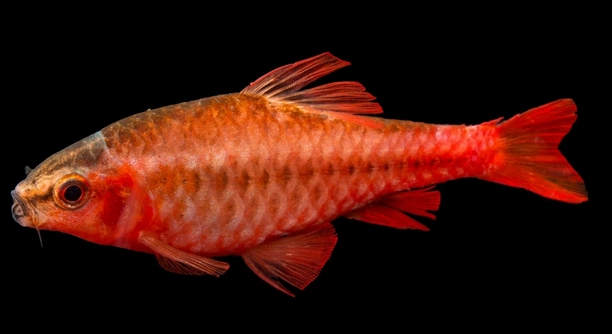
Cherry barbs are small, peaceful fish often kept in aquariums. They are popular due to their vibrant colors and gentle nature. Many fish owners wonder if these little creatures can bond with humans in any meaningful way.
Cherry barbs are not known to form strong bonds with humans like some other pets. However, they may show familiarity and interest in their owners through behavior, such as swimming closer when they are near the tank.
While they may not form deep connections, learning about their behaviors and needs can enhance your experience with these fascinating fish.
Cherry Barbs’ Behavior Around Humans
Cherry barbs are generally not as interactive with humans as some other fish. However, they can learn to associate you with feeding times. Over time, they may start swimming closer to the surface when you approach the tank, anticipating food. This behavior suggests that they recognize you and feel safe in your presence. They do not show signs of affection like some pets, but they can become familiar with the routine of your interactions. Establishing a regular feeding schedule may also help them feel more comfortable and accustomed to your presence.
Their behavior is more driven by food and routine than any emotional connection. While they won’t swim to greet you like a dog, they might swim near the glass or get more active when they see you. Cherry barbs are simply responsive to the stimuli around them, including you.
To maintain their comfort, avoid sudden movements near the tank. These fish are sensitive to rapid changes in their environment, so consistent interaction without startling them is key. Over time, they may become more accustomed to your presence, though the bond will remain more based on habit than emotion.
Creating a Peaceful Environment
Cherry barbs thrive in peaceful, well-maintained environments. They feel safer in tanks with plenty of hiding spots and soft decorations.
A tank with plants, small rocks, and space for swimming will reduce stress and make them more at ease with you. Stability in water temperature and cleanliness is crucial for their health. By keeping their habitat comfortable, you can increase the likelihood of regular, calm interactions. Cherry barbs are easily stressed by fluctuating conditions, so paying attention to their needs is important for maintaining their well-being.
Cherry Barbs and Tankmates
Cherry barbs are peaceful fish and usually get along well with other species. They prefer living in schools of at least five or six, which helps them feel secure. They are non-aggressive and usually avoid conflict, but they thrive best in a calm and stable environment.
When choosing tankmates for cherry barbs, avoid overly aggressive fish. Species like tetras, guppies, and corydoras work well as companions because they share similar temperament and environmental needs. It’s essential to ensure that the other fish are not large enough to intimidate the barbs, which could cause stress. They also prefer to be kept with other calm and peaceful fish.
Keeping the tank well-stocked with similar-sized fish can help prevent any one fish from becoming too dominant. Cherry barbs will be more likely to feel comfortable and secure when they aren’t the smallest or weakest in the tank. Overall, pairing them with peaceful companions can create a harmonious aquarium.
Cherry Barbs’ Feeding Preferences
Cherry barbs are omnivores, meaning they will eat a variety of foods. Their diet should consist of high-quality fish flakes or pellets, supplemented with live or frozen food like brine shrimp or daphnia.
They are not picky eaters, but their diet should be balanced to ensure they receive all the necessary nutrients. Overfeeding is a common mistake, as it can lead to water quality issues and poor health. Feeding them small amounts several times a day is a good approach. Additionally, offering them a variety of foods will keep them healthy and active. Be sure to remove any uneaten food after a few minutes to prevent it from polluting the tank.
Cherry barbs are also known to nibble on algae, which can help keep their environment cleaner. However, they should still receive supplemental food to meet their nutritional needs. Their appetite can be quite strong, so regular feeding schedules are key to maintaining their health and keeping them happy in your aquarium.
Tank Size for Cherry Barbs
Cherry barbs are small fish, but they still need space to thrive. A tank size of at least 20 gallons is recommended for a small school of cherry barbs. This ensures they have enough room to swim and remain stress-free.
Providing adequate space allows them to display their natural behavior and feel secure. A cramped tank can lead to aggression and health issues. In addition to a minimum of 20 gallons, the tank should be well-maintained with proper filtration and regular water changes to keep the fish healthy and comfortable.
Water Conditions for Cherry Barbs
Cherry barbs are quite adaptable to different water conditions. They prefer slightly acidic to neutral water, with a pH range of 6.0 to 7.5. The water temperature should be between 72°F to 78°F (22°C to 26°C).
Maintaining stable water parameters is important to keep cherry barbs healthy. Sudden changes in temperature or pH can stress them out and even lead to illness. Regular water testing is essential to ensure the tank’s conditions are ideal. In addition, good filtration and regular water changes will keep the tank clean and free of harmful toxins.
Cherry Barbs and Breeding
Breeding cherry barbs in captivity is possible with the right conditions. The males will often display brighter colors to attract females, especially during breeding season.
To increase the chances of successful breeding, you should have a separate breeding tank. Provide plants and a sponge filter to ensure gentle water movement. Once the eggs are laid, it’s important to remove the adults, as they may eat the eggs. With the right care, you can enjoy watching the baby cherry barbs grow and thrive in your aquarium.
FAQ
Can cherry barbs live with other fish?
Yes, cherry barbs are peaceful and social fish, making them suitable for community tanks. They can live with other small, non-aggressive species like tetras, guppies, and Corydoras. However, avoid keeping them with larger or overly aggressive fish, as they may become stressed or intimidated.
How many cherry barbs should be kept together?
Cherry barbs are schooling fish, so it’s best to keep at least five to six together. This helps them feel secure and display their natural behaviors. When kept in smaller groups, they can become stressed and may not exhibit their full range of behaviors.
What do cherry barbs eat?
Cherry barbs are omnivores and will eat a variety of foods, including high-quality fish flakes, pellets, and live or frozen food like brine shrimp and daphnia. It’s important to vary their diet to ensure they get the proper nutrients. Overfeeding should be avoided to prevent water quality issues.
What is the ideal tank size for cherry barbs?
A 20-gallon tank is the minimum recommended size for a small school of cherry barbs. While they are small fish, they still require enough space to swim freely and avoid feeling cramped. A larger tank with plenty of plants and hiding spots can improve their overall well-being.
Do cherry barbs require special water conditions?
Cherry barbs are adaptable to a range of water conditions but prefer slightly acidic to neutral water, with a pH between 6.0 and 7.5. The water temperature should stay between 72°F and 78°F (22°C to 26°C). Regular water changes and a good filtration system are crucial to maintaining a healthy environment.
Can cherry barbs live in cold water?
No, cherry barbs are tropical fish and require warm water. They thrive in temperatures between 72°F and 78°F (22°C to 26°C). Keeping them in cold water can lead to stress, weakened immune systems, and even death. A reliable heater is necessary if your tank is in a cooler environment.
How do I know if my cherry barbs are healthy?
Healthy cherry barbs are active swimmers, have bright colors, and display normal feeding behavior. Their fins should be intact, and their bodies should not show signs of discoloration, lesions, or swelling. If they become lethargic, stop eating, or show physical changes, it may indicate health problems.
How often should I feed my cherry barbs?
Feed your cherry barbs small amounts of food two to three times a day. Overfeeding can lead to water pollution, so only offer as much as they can eat in a few minutes. Regular feeding helps maintain their health, but balance it with clean water conditions to avoid issues.
How do I breed cherry barbs?
Breeding cherry barbs requires a separate breeding tank with soft, slightly acidic water and plenty of plants. Once the males start displaying their bright colors, they will court the females. After the eggs are laid, remove the adults to prevent them from eating the eggs. The fry will hatch within a few days and should be fed infusoria or baby brine shrimp.
Are cherry barbs hardy fish?
Yes, cherry barbs are generally hardy and adaptable, as long as their basic needs are met. They can tolerate slight fluctuations in water conditions, but sudden changes should be avoided. Regular tank maintenance, proper water parameters, and a balanced diet will help keep them healthy.
Do cherry barbs require a filter?
Yes, cherry barbs need a filter to maintain clean water and remove excess waste. A good filtration system is important for keeping ammonia, nitrites, and other harmful substances at safe levels. A sponge filter is a great option for a gentle flow that won’t stress the fish.
How do cherry barbs behave in a tank?
Cherry barbs are peaceful and social fish. They will often swim together in schools and may display territorial behavior, especially during breeding season. While they may not form deep bonds with humans, they can learn to associate you with feeding time and become more comfortable around you.
Final Thoughts
Cherry barbs are small, peaceful fish that can thrive in a well-maintained aquarium. While they may not form strong emotional bonds with humans like some pets, they are still enjoyable to observe and care for. With their vibrant colors and calm demeanor, cherry barbs can bring a sense of tranquility to any tank. They are relatively low-maintenance compared to other species, making them a good option for both beginners and experienced aquarists. As long as you provide them with a suitable environment, proper care, and a balanced diet, cherry barbs will live happily in your aquarium.
One important factor to consider when keeping cherry barbs is their social nature. These fish feel most comfortable when kept in small groups. A school of five or more helps them feel secure and reduces stress. Keeping them with other peaceful fish will also create a harmonious tank environment. Cherry barbs do best in community tanks with species that share similar water requirements and temperaments. It’s crucial to avoid keeping them with overly aggressive or large fish that may intimidate them or cause harm. The more you understand their needs, the more you’ll be able to create a tank that promotes their health and happiness.
In the end, caring for cherry barbs can be a rewarding experience. While they may not bond with you in the same way a dog or cat might, their peaceful nature and vibrant colors will add beauty to your aquarium. They are not difficult to care for, but paying attention to their water conditions, feeding habits, and social needs will ensure they live long, healthy lives. With the right environment and care, your cherry barbs will thrive and bring joy to your tank for years to come.

Hello,
If you enjoy the content that we create, please consider saying a "Thank You!" by leaving a tip.
Every little bit helps us continue crafting quality advice that supports the health, happiness, and well-being of pets around the world, for pets of all shapes, sizes, and species.
We really appreciate the kindness and support that you show us!