
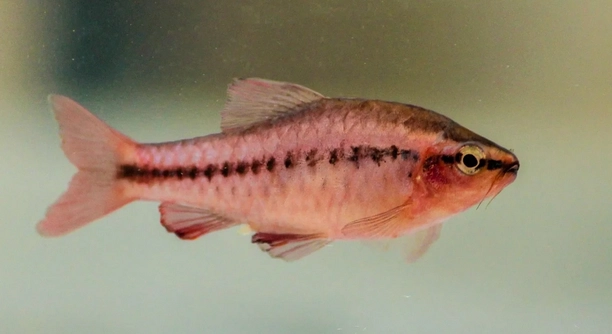
Cherry barbs are a popular aquarium fish known for their vibrant color and active nature. However, like any pet, they can show signs of stress or discomfort. Observing their behavior closely can help you ensure their well-being.
Certain behaviors in cherry barbs signal that they may be unhappy. These behaviors include hiding, lethargy, aggression, or frequent surface gulping. Poor water quality, inappropriate tank mates, or diet imbalances can contribute to these signs of distress.
Addressing these behaviors will allow you to create a better environment for your cherry barb. By recognizing and responding to these signals, you can improve their comfort and quality of life.
Hiding and Avoiding Social Interaction
One of the main signs that your cherry barb is unhappy is when it starts hiding in corners or behind plants. This behavior often indicates stress or discomfort in the tank environment. Cherry barbs are generally active and social, so when they start avoiding interaction with other fish or even the surface of the water, it is a clear signal that something is wrong. It could be the water quality, lighting, or temperature that is causing them distress. Poor tank conditions may also make your fish feel unsafe, leading them to seek hiding spots to feel protected.
Stress from inappropriate tank mates could also lead to hiding. Cherry barbs tend to prefer peaceful surroundings and can become anxious if housed with overly aggressive or territorial fish. A peaceful tank environment helps keep your fish comfortable, allowing them to display more of their natural behaviors.
If you notice this behavior, it’s essential to check the overall tank conditions. Make sure the water quality is high, and the temperature is within their comfortable range. Additionally, check the compatibility of other tank inhabitants to ensure there are no threats that could be causing this stress.
Lethargy and Decreased Activity
A drop in activity level can often be a sign of unhappiness. If your cherry barb spends more time hovering at the bottom or near the surface with little movement, it might not be feeling well. A healthy cherry barb is energetic and often swims throughout the tank.
Lethargy may result from multiple factors such as poor water conditions, stress, or even illness. It’s important to monitor changes in behavior and adjust the environment accordingly. A decrease in activity is often the first noticeable change when a fish is struggling.
Aggression and Fin Nipping
Aggression can be a clear indicator that your cherry barb is not happy. If you notice them chasing or nipping at tank mates, it may be a sign of stress. Cherry barbs are generally peaceful fish, so this behavior often points to underlying issues such as overcrowding or territorial disputes.
Cherry barbs can become aggressive when they feel their space is being invaded. In tanks with too many fish or poorly designed territories, this can lead to aggression. Fish that feel cornered or threatened may also nip at the fins of others in an attempt to assert dominance. This is particularly common when tank mates are not compatible.
It’s important to give your cherry barb enough space to swim freely and ensure that the tank is not overcrowded. Adding plants and hiding spots can also help establish territories, reducing the likelihood of aggressive behavior. Pay attention to the balance of your tank to keep all inhabitants calm.
Surface Gulping
Surface gulping is another sign that something might be wrong with your cherry barb. If you see them constantly swimming to the surface and gulping air, this can indicate poor water conditions or low oxygen levels. It’s essential to address this quickly, as it can lead to long-term health problems for the fish.
Low oxygen levels in the tank can force your fish to swim to the surface more often, as they struggle to breathe properly. If the water is not properly aerated or filtered, it can cause the oxygen levels to drop, leading to surface gulping. Poor water quality, such as high ammonia or nitrite levels, can also make it difficult for your cherry barb to get enough oxygen from the water.
To prevent this behavior, ensure your tank has a proper filtration system and adequate aeration. Regular water changes and testing for toxins like ammonia and nitrites are crucial to maintaining a healthy environment for your fish.
Loss of Appetite
A loss of appetite in cherry barbs often signals unhappiness. If your fish is no longer interested in food, it’s important to consider potential stressors. Fish that are stressed or uncomfortable may stop eating, which can lead to further health issues.
Stress from poor water conditions or aggressive tank mates can lead to a loss of appetite. Additionally, cherry barbs can refuse to eat if they are sick or experiencing discomfort. Pay attention to any changes in their behavior around feeding time to help identify any problems early on.
Fading Coloration
If you notice that your cherry barb’s vibrant colors are starting to fade, it’s a sign that they are not doing well. Loss of color can be linked to stress, poor water quality, or even illness. Healthy cherry barbs display bright and vivid hues, so a change in coloration is a cause for concern.
A decrease in color vibrancy can also be an indication of underlying health problems. Stress from overcrowding, poor tank mates, or inadequate nutrition can impact their appearance. Similarly, sicknesses like parasites or infections can also cause fading. To restore their color, ensure that water quality is optimal, and check their diet for any deficiencies.
Erratic Swimming Patterns
Erratic swimming is another indication that your cherry barb might be stressed or unwell. When they swim aimlessly, dart around, or swim in circles, it can suggest that something in their environment is causing discomfort. This behavior could be linked to water quality, stress, or illness.
Erratic swimming is often seen when fish are trying to escape from threats or when their surroundings are unfavorable. Poor water quality or high levels of toxins like ammonia or nitrites can make your fish feel unsafe, leading to erratic movements. Ensure your water parameters are ideal for cherry barbs, with proper filtration and regular maintenance to avoid these behaviors.
FAQ
What are the signs of an unhappy cherry barb?
Unhappy cherry barbs often display behaviors such as hiding, lethargy, aggression, and surface gulping. They may also stop eating, lose their vibrant color, or swim erratically. These signs point to stress, poor water conditions, or incompatible tank mates.
How can I tell if my cherry barb is stressed?
Stress in cherry barbs is evident when they start hiding, swimming erratically, or showing aggression. Stress may result from poor water quality, overcrowding, or incompatible tank mates. Additionally, a lack of appetite or color fading is also a key indicator.
Can poor water quality affect my cherry barb’s health?
Yes, poor water quality is one of the main reasons for stress in fish. High ammonia, nitrites, or low oxygen levels can cause significant discomfort and health problems for your cherry barb. Regular water changes, filtration, and proper aeration are essential to maintain a healthy environment.
How do I improve the water quality for my cherry barb?
To improve water quality, test the water regularly for ammonia, nitrites, nitrates, and pH levels. Perform routine water changes (about 25% every two weeks) and ensure the tank is well-filtered. Consider adding live plants to help maintain good water quality by absorbing excess nutrients.
What temperature should my cherry barb’s tank be?
Cherry barbs prefer water temperatures between 72°F and 80°F (22°C to 27°C). Maintaining this temperature range helps keep them comfortable and active. Make sure to use a reliable aquarium heater to stabilize the temperature, especially in fluctuating climates.
Can cherry barbs live with other fish?
Cherry barbs are peaceful fish and generally do well with other non-aggressive species. However, they may become stressed or aggressive if housed with overly territorial or aggressive fish. Avoid mixing them with large or aggressive species to prevent unnecessary stress.
Why is my cherry barb gulping at the surface?
Surface gulping is often a sign of poor water quality or low oxygen levels in the tank. Your cherry barb may be struggling to breathe if oxygen is insufficient. Check the filtration system and add aeration if necessary. Also, ensure the water is free from harmful toxins.
What can I do if my cherry barb isn’t eating?
If your cherry barb isn’t eating, first check the water quality and temperature. Stress from poor conditions can cause a loss of appetite. Ensure the tank is clean and that the fish has peaceful tank mates. Offer a variety of foods to entice them back to eating.
How can I tell if my cherry barb is sick?
A sick cherry barb may display abnormal behavior, such as hiding, swimming erratically, or having faded coloration. They may also show visible signs like lesions, bloating, or rapid gill movement. If symptoms persist, it’s important to separate them from other fish and treat them accordingly.
Can cherry barbs live in a tank without a filter?
While it’s possible for cherry barbs to live in a tank without a filter, it’s not ideal. A filter helps maintain water quality by removing excess waste and toxins. Without filtration, the water quality can deteriorate quickly, leading to stress and health issues for your cherry barb.
Is it okay to keep only one cherry barb in a tank?
Cherry barbs are social fish and prefer to be kept in groups of at least three to five individuals. Keeping just one may cause it to feel lonely or stressed. A small group will allow them to feel more secure and display natural behaviors.
How often should I feed my cherry barb?
Feed your cherry barb small amounts of food two to three times a day. Overfeeding can lead to water quality problems, so it’s important to only offer what they can consume in a few minutes. A varied diet of high-quality flakes, pellets, and occasional live or frozen foods is best.
Can I change the water too often for my cherry barb?
Changing the water too frequently can stress your cherry barb, as it can cause fluctuations in water parameters. It’s better to perform regular water changes (about 25% every two weeks) rather than constantly changing the water. Ensure the new water is properly treated and at the correct temperature.
What is the ideal tank size for cherry barbs?
The ideal tank size for cherry barbs is at least 20 gallons. This allows them enough space to swim and reduces stress. A larger tank also helps maintain stable water parameters and provides room for a small group of fish to live together peacefully.
How do I prevent my cherry barb from being aggressive?
To prevent aggression, ensure that your cherry barb’s tank is well-planted with plenty of hiding spots. Avoid overcrowding and ensure tank mates are compatible. Aggression often arises from stress, so maintaining good water quality and a peaceful environment will help reduce the chances of aggression.
Why is my cherry barb losing its color?
Color fading in cherry barbs is often a result of stress, poor water quality, or an imbalanced diet. When stressed, their colors will dull as a defense mechanism. Ensure that their environment is clean, the temperature is right, and they are fed a varied diet to help restore their color.
Can I treat an unhealthy cherry barb with medication?
If your cherry barb is showing signs of illness, medication may be necessary. However, before using any treatments, it’s important to identify the symptoms and causes. Some conditions can be treated with general fish medication, but others may require more specific treatments. Always follow dosage instructions carefully.
Are cherry barbs prone to specific diseases?
Like many aquarium fish, cherry barbs are susceptible to common fish diseases such as Ich, fin rot, and swim bladder disease. These can be caused by poor water conditions, stress, or overcrowding. Regular water testing and a healthy tank environment are crucial to preventing illness.
What’s the best way to acclimate a new cherry barb to my tank?
To acclimate a new cherry barb, float the bag in your tank for about 15-20 minutes to adjust the temperature. Gradually add small amounts of tank water to the bag, allowing the fish to slowly adjust to the new environment. This helps reduce shock and stress.
How do I know if my cherry barb is happy?
A happy cherry barb will swim actively, interact with tank mates, and have vibrant colors. They will be eating regularly and swimming throughout the tank. When they are content, they will show no signs of aggression or stress and will display natural, peaceful behaviors.
Final Thoughts
Cherry barbs are hardy and peaceful fish that can thrive in a well-maintained aquarium. However, they can become unhappy if their environment is not suitable for their needs. Factors such as poor water quality, stress from tank mates, and inadequate feeding can all contribute to signs of distress. When cherry barbs are not in the right conditions, they may display behaviors such as a loss of appetite, fading colors, and erratic swimming. These signs are important to watch for, as they can help you identify potential problems early.
Ensuring the health and happiness of your cherry barb involves regular water changes, maintaining a stable temperature, and providing a balanced diet. Keeping the tank clean and monitoring water parameters like ammonia, nitrites, and pH is essential. Cherry barbs are social creatures, so having a small group in the tank helps them feel secure. Avoid overcrowding and choose tank mates that are peaceful to prevent stress. A peaceful environment where they can interact with others and swim freely is key to their well-being.
In conclusion, understanding the behaviors of your cherry barb and paying attention to any changes in their routine can help keep them healthy and happy. By focusing on water quality, appropriate tank size, and proper diet, you can prevent many of the common issues that lead to unhappiness. Cherry barbs are vibrant fish that bring beauty and activity to an aquarium. With the right care, they can live a long and healthy life, thriving in their environment and adding joy to your tank.

Hello,
If you enjoy the content that we create, please consider saying a "Thank You!" by leaving a tip.
Every little bit helps us continue crafting quality advice that supports the health, happiness, and well-being of pets around the world, for pets of all shapes, sizes, and species.
We really appreciate the kindness and support that you show us!