
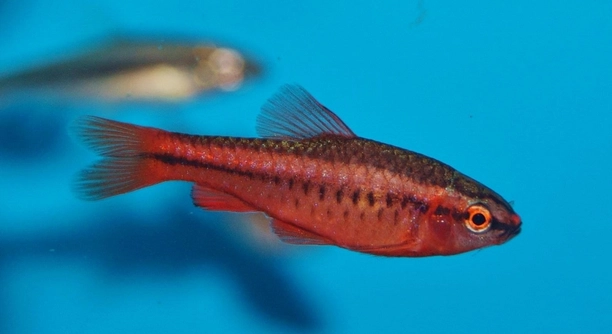
Cherry barbs and danios are popular fish species for community tanks. Many aquarium hobbyists enjoy keeping these peaceful and colorful fish together, but there are a few things to consider when mixing species. In this article, we will explore their compatibility.
Cherry barbs and danios can generally share a tank due to their peaceful nature, but careful attention to tank size, water conditions, and tank mates is required to ensure both species thrive. Providing ample swimming space and hiding spots can help.
By understanding the needs of both species, you can create a harmonious environment for them. We’ll go over essential factors like water temperature, tank size, and other considerations for keeping them together.
Cherry Barbs: A Peaceful Tank Mate
Cherry barbs are small, active fish known for their bright red or orange coloration. They are typically peaceful and do well in community tanks. These fish are not aggressive and can coexist with other calm species. In their natural environment, they tend to swim in schools, so it’s a good idea to keep more than one cherry barb to ensure they feel secure and social. However, they can be a bit shy, especially when introduced to new tank mates, so providing hiding spaces is important.
When keeping cherry barbs with other species, water temperature and quality are key. These fish prefer stable water conditions, including a temperature range of 72-80°F. They also enjoy soft, slightly acidic water. Cherry barbs can adapt to different environments, but sudden changes in water parameters can stress them out, affecting their health. Keeping the tank clean and ensuring proper filtration is essential for keeping them happy.
Cherry barbs are generally low-maintenance fish, but you should monitor them regularly for signs of stress or illness. By making sure the water conditions are right, and offering plenty of plants and hiding spots, you’ll have a thriving group of these beautiful fish.
Danios: A Hardier Choice
Danios are hardy fish that can adapt to a variety of water conditions. They’re known for being active and fast swimmers. While they are peaceful, their energetic nature might intimidate slower or more delicate species.
Danios are highly adaptable, able to live in temperatures ranging from 65-75°F and thrive in both soft and hard water. Because of their resilience, they can adjust well to different tank setups. However, their speed and constant movement might cause stress to other fish if the tank isn’t large enough. Keeping them in a tank with plenty of space to swim freely will reduce any tension.
When adding danios to a tank, it’s important to provide enough room for them to explore. They also enjoy being in groups, so it’s best to keep them in small schools. They are generally peaceful with other fish, but their active behavior means that slower-moving fish might get crowded out. Regular water changes and a good filtration system help ensure a healthy environment for them.
Compatibility Between Cherry Barbs and Danios
Both cherry barbs and danios are peaceful and non-aggressive, making them potentially good tank mates. However, their differences in activity levels should be considered. While cherry barbs are relatively calm and prefer a more relaxed swimming pace, danios are fast and energetic. This could cause a bit of stress for the cherry barbs, especially if the tank is too small or lacks hiding spaces.
It’s crucial to ensure that both species have enough space. Cherry barbs may be more susceptible to stress from the quick movements of danios. Providing plenty of plants and decorations for hiding spots can help create a comfortable environment for the cherry barbs, allowing them to retreat when needed. Additionally, keeping a balance in their water requirements is important. Both species prefer similar water conditions, but monitoring the temperature and pH levels is essential to avoid sudden shifts that could affect them negatively.
Despite these differences, with the right setup, cherry barbs and danios can live peacefully together. It’s all about managing their environment properly to suit both species. The key lies in space, water quality, and ensuring there’s room for both to thrive.
Setting Up the Tank for Success
When keeping cherry barbs and danios together, the tank setup is the most important consideration. Since both species are small, they don’t need a giant tank, but they do require space to swim and explore. A tank size of at least 20 gallons is ideal for a small school of both species. This provides enough space for them to avoid stress and gives room for plants and decorations.
For optimal water conditions, aim for a temperature between 72-78°F, which works well for both species. The pH should be slightly acidic to neutral, around 6.5-7.5. A good filtration system is essential to maintain water quality. Since both species are active swimmers, they will benefit from a steady flow of clean water.
In terms of tank decor, use plants and rocks to create hiding spaces and areas for the fish to explore. Cherry barbs especially appreciate having places to hide if they feel threatened. By keeping the water conditions stable and offering plenty of space, you can create a harmonious tank for both species.
Tank Size Considerations
When keeping cherry barbs and danios together, tank size matters. A 20-gallon tank is a good minimum size. This ensures both species have enough room to swim without crowding each other. Larger tanks are even better, offering more space for plants, hiding spots, and swimming lanes.
Both cherry barbs and danios are active, so having plenty of space is important to prevent territorial behavior. If they feel cramped, the fish may become stressed or aggressive. A bigger tank also helps maintain stable water parameters, as smaller tanks are more prone to fluctuations in temperature and water quality.
In a tank this size, you can add plants, rocks, and decorations to help simulate their natural habitat. These elements provide hiding spots for the cherry barbs and give the danios plenty of space to swim freely. A well-planted tank also encourages natural behaviors, creating a more balanced environment.
Water Parameters
Both cherry barbs and danios thrive in similar water conditions, but keeping these parameters stable is key to maintaining their health. The ideal temperature range is 72-78°F. A stable, slightly acidic to neutral pH (6.5-7.5) is also essential.
While they can tolerate slight variations in temperature and pH, sudden changes can stress the fish and lead to health issues. It’s important to monitor the water regularly and make necessary adjustments. Good filtration is a must, as both species produce waste, which can quickly alter water quality. Proper filtration and regular water changes help maintain a healthy environment.
Make sure the water hardness is moderate, as both species can handle soft to slightly hard water. Avoid extremes in any of these parameters. Consistency is more important than aiming for a perfect number, as fluctuations will stress the fish and impact their health.
Tank Decorations and Hiding Spots
Adding the right decorations can greatly benefit both cherry barbs and danios. Plants, rocks, and driftwood are essential for creating a balanced, natural environment. Cherry barbs enjoy hiding and swimming through plants, while danios appreciate having open spaces to zip around.
Having plenty of plants helps break up the space and create hiding spots for the cherry barbs, who can be shy at times. Danios, being more active, enjoy having open swimming lanes, so it’s important not to overcrowd the tank with too many plants. Instead, focus on creating a mix of open areas and planted zones.
Additionally, make sure to avoid sharp decorations that could potentially harm the fish. Soft-leafed plants are a good choice for creating hiding spots without posing any risks. A well-decorated tank will not only be aesthetically pleasing but also create a healthier, more comfortable environment for both species.
Feeding Considerations
Cherry barbs and danios have similar feeding needs, as both are omnivores. They will eat a mix of flake food, pellets, and live or frozen foods. Offering a balanced diet helps maintain their health and vibrant colors.
Feed them small amounts several times a day rather than one large meal. This keeps their metabolism steady and prevents overfeeding. Both species will enjoy eating a variety of foods, including high-quality flakes, frozen brine shrimp, and bloodworms. Offering a mix of plant-based and protein-rich foods ensures they receive all the necessary nutrients.
Compatibility with Other Fish
Both cherry barbs and danios are non-aggressive, making them suitable for community tanks. They get along well with other peaceful species, but it’s important to avoid keeping them with fin-nipping or aggressive fish.
Choosing the right tank mates is essential. Avoid large or overly aggressive species that might intimidate or harm them. Smaller, peaceful fish like tetras, rasboras, or small catfish are ideal companions. By selecting compatible tank mates, you can create a harmonious and stress-free environment for all the fish.
Water Flow and Filtration
A good filtration system is essential for both cherry barbs and danios. Both species prefer moderate water flow, but strong currents can stress them. Use a filter that provides gentle circulation while maintaining clean water.
Check the filter’s flow rate to ensure it isn’t too powerful. You can also place plants or decorations near the filter outlet to reduce the current in certain areas. Proper filtration helps maintain water quality by removing excess waste and debris, keeping the tank healthy for all inhabitants.
FAQ
Can cherry barbs and danios live together?
Yes, cherry barbs and danios can live together in the same tank. Both species are peaceful, active, and enjoy similar water conditions. However, since danios are more energetic and fast swimmers, it’s important to provide enough space and hiding spots to ensure the cherry barbs are not stressed. A tank with plenty of swimming room and decorations will help balance their needs.
What size tank do I need for cherry barbs and danios?
A 20-gallon tank is the minimum size recommended for keeping cherry barbs and danios together. This provides enough space for them to swim without overcrowding. If you want to keep a larger group of both species, consider going for a 30-gallon or bigger. The more space, the better, especially with active species like danios.
How many cherry barbs and danios should I keep together?
It’s best to keep at least six cherry barbs and six danios in your tank to ensure they feel comfortable. Both species are social and do better in groups. Cherry barbs are more shy, so keeping them in groups helps them feel secure. Danios, on the other hand, are quite active and need a group to avoid feeling stressed.
What water conditions do cherry barbs and danios need?
Cherry barbs and danios both prefer slightly acidic to neutral water with a pH between 6.5 and 7.5. Their temperature range is also quite similar, from 72°F to 78°F. Both species do well in soft to moderately hard water, but it’s crucial to maintain stable water conditions. Avoid rapid changes in pH or temperature, as these can stress the fish.
Do cherry barbs and danios need a filter?
Yes, both cherry barbs and danios require a good filtration system. A filter helps keep the water clean and maintains healthy water parameters. Since both species are active, they produce more waste, so having a filter is crucial to remove debris and toxins. Make sure the filter is not too strong, as both fish prefer moderate water flow.
Can I keep cherry barbs and danios with other species?
Yes, both cherry barbs and danios are generally peaceful and can coexist with many other non-aggressive species. You can consider keeping them with smaller, calm fish like tetras, rasboras, or Corydoras catfish. Avoid larger, aggressive species, as these could stress or harm your fish. It’s important to ensure that all species in the tank are peaceful and compatible.
Do cherry barbs and danios need plants in their tank?
While not strictly necessary, plants in the tank benefit both cherry barbs and danios. Cherry barbs enjoy having plants for hiding and swimming through, while danios appreciate having some plants to dart around. Plants also help improve water quality by absorbing excess nutrients. It’s a good idea to have a mix of open swimming areas and areas with plants.
How often should I feed cherry barbs and danios?
Both cherry barbs and danios should be fed small amounts of food 2-3 times per day. Overfeeding can lead to poor water quality and health problems. A balanced diet of high-quality flakes, pellets, and occasional live or frozen foods like brine shrimp or bloodworms is ideal. Make sure to remove any uneaten food after a few minutes to avoid water pollution.
Do cherry barbs and danios require special care?
Both cherry barbs and danios are relatively low-maintenance fish, but they do require some attention to their tank environment. Maintaining stable water conditions, ensuring proper filtration, and feeding them a balanced diet are the main things to focus on. Regular water changes and keeping an eye on their behavior will help ensure they remain healthy.
Are cherry barbs and danios prone to any diseases?
Like many aquarium fish, cherry barbs and danios are susceptible to common freshwater diseases like ich, fin rot, or dropsy. Keeping the tank clean and maintaining stable water parameters can help prevent illness. If you notice unusual behavior, such as scratching against objects or loss of appetite, check the water quality and observe for any signs of disease. Early intervention is key to treating any potential health issues.
What is the lifespan of cherry barbs and danios?
Cherry barbs typically live around 3 to 5 years, while danios can live up to 4 to 5 years with proper care. The lifespan of both species can be influenced by factors like water quality, tank conditions, and diet. With good care, you can enjoy these colorful fish for several years.
Can cherry barbs and danios breed in a community tank?
Breeding cherry barbs and danios in a community tank is possible but can be challenging. Both species will breed in the right conditions, but the eggs may be eaten by other tank mates if they’re not separated. If breeding is a goal, consider setting up a separate breeding tank or providing plenty of plants and hiding spots where eggs can be laid safely.
Do cherry barbs and danios need any special lighting?
Both cherry barbs and danios do well with standard aquarium lighting. They don’t require any special lighting conditions. A 10 to 12-hour light cycle is ideal, as this mimics natural day and night rhythms. Having plants in the tank can help with photosynthesis, but bright light should be avoided to prevent algae growth.
Final Thoughts
Cherry barbs and danios can make a great combination in a community tank when their needs are properly met. Both species are peaceful, active, and relatively easy to care for, making them popular choices for many aquarium hobbyists. They both thrive in similar water conditions, so setting up a tank for them doesn’t require much extra effort. With the right environment, they can coexist without issues, providing a colorful and lively display.
However, it’s essential to remember that even peaceful fish can be sensitive to tank conditions. Cherry barbs, while not aggressive, can get stressed by fast-moving species like danios if the tank is too small or lacks proper hiding spots. Danios, on the other hand, need space to swim freely and may become stressed if confined in a tank that is too cramped. Providing a large enough tank with plenty of space, plants, and decorations can help create a balanced environment for both species. This ensures they can coexist comfortably and avoid unnecessary stress.
By maintaining stable water conditions, monitoring the fish for signs of stress, and feeding them a balanced diet, you can enjoy these species for years. While cherry barbs and danios don’t require complicated care routines, their tank setup does need thoughtful attention. Regular water changes, proper filtration, and consistent temperature and pH levels will go a long way in keeping both species happy and healthy. Whether you’re a beginner or an experienced aquarium keeper, understanding these fish’s needs will help you create a peaceful and thriving tank.

Hello,
If you enjoy the content that we create, please consider saying a "Thank You!" by leaving a tip.
Every little bit helps us continue crafting quality advice that supports the health, happiness, and well-being of pets around the world, for pets of all shapes, sizes, and species.
We really appreciate the kindness and support that you show us!