
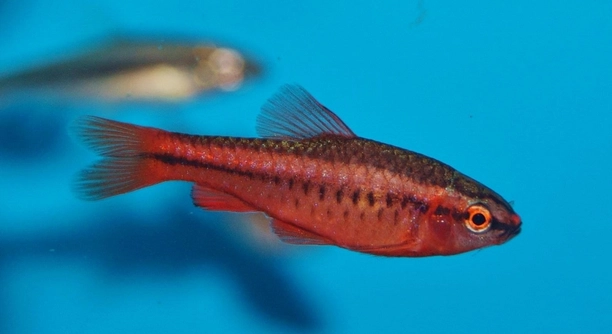
Cherry barbs are a popular freshwater fish, admired for their vibrant colors and lively nature. However, if you’ve noticed your cherry barbs acting unusually, it might be because of certain things they dislike in their environment.
Cherry barbs dislike sudden changes in water conditions, aggressive tankmates, overcrowding, poor water quality, inadequate tank setup, inconsistent feeding, and excessive noise. These factors can stress the fish, leading to health issues and abnormal behavior.
By making simple adjustments to their environment and routine, you can greatly improve the well-being of your cherry barbs. Understanding what they dislike will help you create a healthier, more peaceful tank.
Sudden Changes in Water Conditions
Cherry barbs are sensitive to sudden shifts in water conditions, particularly in temperature, pH, and hardness. When the water fluctuates too much, it can cause stress and discomfort for them. This stress makes it harder for them to thrive and may lead to illness or even death. To avoid this, it’s important to monitor the water regularly. Stable conditions are key for their health and happiness.
It’s helpful to make gradual changes when adjusting water parameters. This will allow your cherry barbs to acclimate without becoming stressed.
Make sure to use a high-quality water conditioner and test kits to keep track of the water’s pH, temperature, and hardness. Maintaining consistency is vital. Also, invest in an aquarium heater with a thermometer to ensure the water stays at an optimal temperature for your fish. Any significant shifts could cause them to become disoriented, and that’s when problems like illness or poor appetite arise. Proper filtration also ensures the water remains clean, reducing the chances of harmful toxins that can affect your cherry barbs’ well-being.
Aggressive Tankmates
Cherry barbs thrive in peaceful tanks. Aggressive tankmates will stress them out, leading to hiding or decreased activity. It’s essential to choose other fish that won’t pick on them.
Having peaceful species like neon tetras, guppies, or Corydoras catfish is ideal. These species coexist well with cherry barbs and help maintain a calm environment.
Tankmates that are too aggressive or territorial can disrupt your cherry barbs’ behavior and cause them to become anxious. This stress can result in poor feeding habits and an overall decrease in their health. Aggressive fish may chase or nip at their fins, leading to wounds or infections. Always research the compatibility of fish before introducing them to your tank. A harmonious tank will ensure your cherry barbs feel safe and relaxed.
Overcrowding
Cherry barbs need plenty of space to swim and explore. When tanks are overcrowded, they become stressed and may fight for territory. This can lead to health issues, as stressed fish are more prone to diseases.
A good rule of thumb is to have at least 5-6 cherry barbs in a tank of 20 gallons. They are peaceful but need enough space to swim comfortably. Overcrowding leads to poor water quality too, as the filtration system can’t keep up with the extra waste.
When stocking your tank, consider the adult size of all the fish. Giving your cherry barbs plenty of room will help them feel safe, lowering the risk of stress-related problems. Avoid cramming too many fish into a small space. Regular water changes are also essential in an overcrowded tank, as the water can become polluted quickly, harming your fish.
Poor Water Quality
Cherry barbs are highly sensitive to poor water quality, especially when it comes to ammonia, nitrites, and nitrates. Even small amounts of these toxins can cause stress and health problems. Regular water changes are essential to maintain a clean environment.
A proper filtration system is necessary to keep harmful substances in check. If you neglect water quality, cherry barbs may display signs of distress, such as fading colors or abnormal behavior. Poor water quality also promotes algae growth, which can clog filters and suffocate your fish.
To ensure the health of your cherry barbs, check your water parameters regularly. Invest in a good-quality filter that matches the size of your tank. This will help keep the water clean and clear, promoting healthy fish. Don’t forget to change the filter media when needed, and always use a reliable water test kit to keep track of ammonia and nitrate levels.
Inconsistent Feeding
Cherry barbs rely on regular feeding schedules. Skipping meals or feeding at irregular times can cause stress and make them anxious. A consistent routine ensures they stay healthy and active.
Overfeeding can also lead to water quality issues, so avoid excess food. Feeding once or twice a day is usually sufficient for cherry barbs.
If you’re unsure, offer small portions that they can consume within a few minutes. This helps maintain balance in the tank and prevents uneaten food from affecting the water quality. Consistency is key, and over time, your fish will adjust to the feeding routine.
Excessive Noise
Cherry barbs are sensitive to noise and vibrations, especially if there’s constant disturbance around their tank. Loud sounds can stress them out, causing anxiety or erratic behavior. This can even affect their overall health and immune system.
Limit noisy activities near the tank. Keep your aquarium in a quieter area of your home to help your cherry barbs feel calm and secure.
FAQ
What water temperature do cherry barbs need?
Cherry barbs thrive in water temperatures between 72°F and 80°F (22°C to 27°C). It’s important to keep the water within this range to avoid stressing them out. Temperatures that are too high or too low can affect their immune system and overall health. A reliable aquarium heater and thermometer are essential tools to maintain the right temperature.
How often should I feed my cherry barbs?
Feed your cherry barbs once or twice a day, offering only what they can consume in a few minutes. Overfeeding can lead to excess waste, which affects water quality. Stick to small portions, and make sure to remove any uneaten food after a few minutes to prevent water pollution.
Can cherry barbs live with other fish?
Yes, cherry barbs are peaceful and can live with many other fish. They do best with non-aggressive species that won’t compete for space or food. Good tankmates include guppies, neon tetras, and Corydoras catfish. Avoid pairing them with fin-nipping or overly aggressive fish, as this will cause stress.
Do cherry barbs need a lot of space?
Cherry barbs need space to swim and explore, but they don’t require a massive tank. A minimum of 20 gallons is recommended for a small group of 5-6 fish. Overcrowding will lead to stress, and it may also cause water quality problems. A larger tank is always better for maintaining stable water conditions.
How can I tell if my cherry barbs are stressed?
Stressed cherry barbs may show several signs, including hiding more often, swimming erratically, or showing a lack of appetite. Their colors may also fade. Stress is usually caused by poor water quality, aggressive tankmates, or fluctuating water parameters. If you notice these signs, check the water conditions and consider rehoming aggressive fish.
Are cherry barbs hard to take care of?
Cherry barbs are relatively easy to care for, making them a great choice for beginners. They don’t require specialized care, but it’s important to maintain stable water conditions, avoid overcrowding, and provide a peaceful tank environment. Regular water changes, proper feeding, and monitoring water parameters are essential to keeping them healthy.
What size tank do cherry barbs need?
A 20-gallon tank is the minimum size for a group of 5-6 cherry barbs. If you want to add more fish, you’ll need a larger tank. Cherry barbs do well in groups, so it’s best to have at least 5 to prevent loneliness. Larger tanks also provide better water stability.
Do cherry barbs need a filter?
Yes, a filter is essential for maintaining water quality in your tank. Cherry barbs produce waste that can quickly pollute the water if not filtered out. A good filter will help remove toxins like ammonia and nitrates, keeping the water clean and safe for your fish. Make sure the filter is appropriately sized for your tank.
How can I make my cherry barbs feel more at home?
To make your cherry barbs feel comfortable, provide plants, rocks, and other decorations in their tank. These offer hiding spots and create a more natural environment. Ensure the tank has a gentle water flow, as strong currents can stress them out. Regularly check the water’s temperature, pH, and hardness to keep everything stable.
Can cherry barbs live in a tank with other types of barbs?
While cherry barbs can live with other types of barbs, it’s important to select peaceful species. Some barbs can be territorial or aggressive, which can cause stress for your cherry barbs. You’ll need to monitor their interactions carefully and make sure there’s plenty of space and hiding spots for everyone.
Are cherry barbs good for a beginner aquarium?
Yes, cherry barbs are an excellent choice for beginners. They are hardy fish that adapt well to a variety of conditions. However, beginners should still focus on maintaining stable water quality and avoiding overcrowding. These simple steps will ensure that your cherry barbs stay healthy and happy in their new home.
Do cherry barbs need a lot of light?
Cherry barbs do not require intense lighting. In fact, too much light can cause algae to grow, which can lead to water quality problems. A moderate light cycle of 8-12 hours a day is ideal for both your cherry barbs and any plants in the tank. Make sure to provide shaded areas with decorations where the fish can take a break from the light.
What is the lifespan of cherry barbs?
Cherry barbs typically live for 3 to 5 years, depending on their care. Proper water conditions, feeding, and tank maintenance can help extend their lifespan. Regular check-ups on their environment and avoiding stressors can also contribute to their overall health and longevity.
Can cherry barbs breed in an aquarium?
Yes, cherry barbs can breed in a home aquarium. To encourage breeding, maintain water temperatures between 74°F and 78°F (23°C to 26°C) and provide plenty of plants for the eggs to stick to. Once the eggs hatch, separate the baby fish (fry) to prevent them from being eaten by adults.
How do I know if my cherry barb is male or female?
Male cherry barbs are typically more colorful than females, with brighter red tones, especially during the breeding season. Females are usually larger, rounder, and less vibrant in color. Males will often display more active behavior when trying to attract a female.
Final Thoughts
Taking care of cherry barbs can be a rewarding experience, but it’s important to understand their needs to keep them happy and healthy. These small, vibrant fish are generally easy to care for, but they do require a stable environment. Ensuring proper water quality, keeping the tank clean, and avoiding stress factors are key to maintaining their well-being. With the right care, cherry barbs can thrive in a peaceful aquarium and live for several years.
One of the most important aspects of keeping cherry barbs is maintaining stable water conditions. They are sensitive to sudden changes, so regular water testing is crucial. Monitoring the temperature, pH, and water hardness ensures that their environment remains ideal. In addition, regular water changes help prevent the buildup of harmful toxins, which could harm your fish. These small steps go a long way in creating a stable, healthy environment where cherry barbs can thrive.
Lastly, providing them with the right tankmates and enough space is essential for their happiness. Overcrowding or housing them with aggressive fish can cause stress, leading to health issues and poor behavior. A peaceful tank with suitable companions, adequate space, and a consistent feeding routine will make all the difference in the health of your cherry barbs. By paying attention to these simple factors, you’ll be able to enjoy these colorful, active fish for years to come.

Hello,
If you enjoy the content that we create, please consider saying a "Thank You!" by leaving a tip.
Every little bit helps us continue crafting quality advice that supports the health, happiness, and well-being of pets around the world, for pets of all shapes, sizes, and species.
We really appreciate the kindness and support that you show us!