
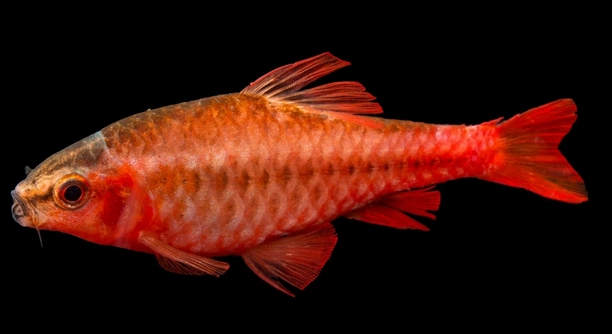
Cherry Barbs are popular aquarium fish, but maintaining their tank can be tricky. Mistakes in their care can affect their health and happiness. Knowing how to avoid common mistakes can lead to a thriving tank and healthy fish.
The most common mistakes in Cherry Barb tanks include improper water conditions, overcrowding, incorrect tankmates, and poor feeding habits. Ensuring optimal water parameters, choosing appropriate companions, and maintaining a balanced diet can significantly improve your Cherry Barb’s well-being.
Understanding these simple changes can help you avoid common pitfalls and create a better environment for your Cherry Barbs.
Improper Water Conditions
Maintaining the right water conditions is crucial for Cherry Barbs. They thrive in water temperatures between 74°F and 80°F and a pH level of 6.5 to 7.5. Failing to maintain these parameters can lead to stress, disease, and even death. Regular water changes and a quality filtration system are essential to keep the water clean and balanced. Ammonia and nitrites should be at zero levels to avoid poisoning your fish.
Water testing kits are invaluable for monitoring key parameters like pH, ammonia, and nitrates. The quality of the water directly impacts the overall health of your Cherry Barbs. Ensure the filtration system runs efficiently and replace filters regularly.
A water conditioner can be used to adjust the water’s hardness and remove harmful chemicals, such as chlorine. Regular testing ensures that these factors are kept in check, making a huge difference in the well-being of your Cherry Barbs.
Overcrowding the Tank
Overcrowding can cause several issues in a Cherry Barb tank. Too many fish in a small space leads to stress, poor water quality, and competition for food. It’s essential to avoid cramming too many fish into the tank to maintain a peaceful and healthy environment.
Cherry Barbs need space to swim and establish territories. When overcrowded, aggression levels rise, and some fish may not get enough food. Additionally, waste from the fish accumulates more quickly, leading to poor water quality.
To prevent overcrowding, follow the recommended stocking guidelines and ensure your tank is large enough to accommodate your fish comfortably. Providing plenty of space will keep Cherry Barbs happy and reduce the risk of disease and stress. A proper setup is key to their well-being.
Incorrect Tankmates
Choosing the right tankmates is crucial for Cherry Barbs. They are peaceful fish but can be stressed by aggressive or overly active tankmates. It’s important to select fish that share similar water and temperature preferences and aren’t territorial.
Avoid placing them with fin-nipping species like certain tetras or larger predatory fish that might see them as prey. Compatible tankmates include peaceful community fish like Corydoras catfish or small rasboras. These fish will not cause stress and will help maintain a harmonious tank.
When picking tankmates, ensure they are of similar size and temperament. Avoid overly aggressive fish that could bully your Cherry Barbs. A balanced community tank reduces stress and promotes healthy growth and behavior.
Overfeeding
Overfeeding is a common mistake that can harm Cherry Barbs. Excess food not only pollutes the water but can also cause health issues for the fish. Overfeeding often leads to obesity, digestive problems, and poor water quality, making it harder to maintain the tank.
Feeding small amounts several times a day is better than giving a large amount at once. Always remove any uneaten food after a few minutes to prevent it from decomposing in the water. This practice helps keep the water clean and avoids unnecessary waste buildup.
Keep in mind that Cherry Barbs have small stomachs and require less food than you may think. Regularly monitoring how much your fish are eating will help prevent overfeeding and maintain a healthier tank.
Poor Filtration
Filtration is crucial for maintaining water quality in a Cherry Barb tank. A weak filter leads to poor water circulation, which results in the accumulation of waste and toxins. This can cause stress, disease, and even death for your fish.
Make sure to choose a filter that matches the tank’s size and water volume. A filter that’s too weak won’t effectively remove debris, while one that’s too strong may stress the fish. Regular maintenance and cleaning of the filter will help it perform at its best, keeping your tank environment healthy.
Lack of Plants and Hiding Spots
Cherry Barbs feel more secure in tanks with plants and hiding spots. Providing plants and decorations will help them feel safe and reduce stress. These hiding places allow them to retreat when they need rest, contributing to their overall well-being.
Adding live plants also helps maintain water quality by absorbing excess nutrients, which can prevent algae growth. Choose plants like Java ferns or Anubias, which are easy to care for and thrive in similar water conditions as Cherry Barbs.
Inconsistent Water Changes
Regular water changes are essential for Cherry Barbs’ health. Failing to do consistent water changes leads to the buildup of harmful substances like nitrates and ammonia, which can poison the fish. A good rule of thumb is to change 25-30% of the water every two weeks.
Test the water before making changes to ensure proper levels of nitrates, pH, and other factors. Water changes help to remove excess waste and replenish essential minerals, promoting a healthier environment for your fish. Avoid changing too much water at once, as it can cause stress.
FAQ
How often should I change the water in my Cherry Barb tank?
Water changes should be done regularly to maintain a healthy environment. It’s recommended to change 25-30% of the tank’s water every two weeks. This prevents the buildup of harmful substances such as nitrates and ammonia. Regular water changes help keep the water clean, promoting the overall health of your Cherry Barbs. Test the water parameters before each change to ensure the proper levels for your fish.
What is the best temperature for Cherry Barbs?
Cherry Barbs thrive in temperatures between 74°F and 80°F (23°C to 27°C). Keeping the water within this range is vital for their health. Temperatures that are too low or too high can stress the fish and lead to health issues. A heater with a reliable thermometer is essential for maintaining a stable environment. Avoid drastic temperature changes, as sudden fluctuations can cause stress or disease.
Can Cherry Barbs live with other fish?
Yes, Cherry Barbs are peaceful and can live with a variety of other fish. They do well in community tanks with other non-aggressive species. Ideal tankmates include peaceful fish such as Corydoras catfish, tetras, and rasboras. Avoid placing them with aggressive or large fish that may bully or prey on them.
What size tank is best for Cherry Barbs?
A 20-gallon tank is the minimum recommended size for Cherry Barbs. A larger tank is always better, as it provides more space for them to swim and reduces stress. A spacious tank also allows for better water quality and filtration, which is important for keeping Cherry Barbs healthy. Overcrowding should be avoided to maintain a peaceful and safe environment.
How many Cherry Barbs should I keep together?
Cherry Barbs are social fish and should be kept in groups of at least six or more. Keeping them in groups helps reduce stress and allows them to display their natural behaviors. A larger group will also make them feel more secure. In smaller groups, they may become shy or stressed, and their vibrant colors may not be as visible.
What do Cherry Barbs eat?
Cherry Barbs are omnivores and will eat a variety of foods. Their diet should consist of high-quality flake food, pellets, and occasional live or frozen foods like brine shrimp, daphnia, or bloodworms. They will also nibble on algae and plant matter. Ensure they receive a balanced diet to keep them healthy and active. Overfeeding should be avoided to prevent poor water quality.
How can I tell if my Cherry Barb is sick?
Signs of illness in Cherry Barbs include loss of color, reduced activity, erratic swimming, and visible lesions or spots on their body. If you notice these symptoms, check water quality immediately and adjust if necessary. Isolate the sick fish in a quarantine tank to prevent the spread of any potential diseases. Consult an aquarium professional or veterinarian if symptoms persist.
What are the common diseases Cherry Barbs can get?
Cherry Barbs are susceptible to a few common fish diseases, including Ich (white spot disease), fin rot, and swim bladder issues. Ich is a parasite that causes white spots on the fish’s body. Fin rot is typically caused by poor water quality and presents as frayed fins. Swim bladder disease affects their ability to swim normally, causing them to float or sink erratically. Proper water conditions, quarantine procedures, and prompt treatment can help prevent or treat these diseases.
How do I breed Cherry Barbs?
Breeding Cherry Barbs is relatively easy if you maintain good water conditions. To encourage breeding, keep males and females in a separate tank with plants and gentle filtration. Raise the temperature slightly and provide a balanced diet to encourage spawning. Once the eggs are laid, remove the adults to prevent them from eating the eggs. The fry will hatch within a few days and should be fed infusoria or liquid fry food until they are large enough to eat regular food.
Are Cherry Barbs hardy fish?
Yes, Cherry Barbs are relatively hardy, but they still require proper care to thrive. They are more adaptable to slight changes in water conditions compared to some other species, but they still need a stable environment to stay healthy. Proper filtration, regular water changes, and a balanced diet are key to keeping them happy and long-lived.
Can Cherry Barbs live without a filter?
While Cherry Barbs can technically survive in a tank without a filter, it is not recommended. A filter helps maintain water quality by removing waste and toxins from the water. Without a filter, the water can quickly become polluted, leading to stress and health issues for the fish. Regular water changes would need to be more frequent, but a filter remains the best option for maintaining a healthy tank.
Why are my Cherry Barbs hiding?
Cherry Barbs may hide due to stress, poor water quality, or the presence of aggressive tankmates. If they are hiding frequently, check the water parameters, tank size, and ensure that no aggressive fish are causing them distress. Providing hiding spots and plants can also help them feel more secure. If the behavior persists, it could indicate a health issue that requires further attention.
What lighting is best for Cherry Barbs?
Cherry Barbs prefer moderate lighting in their tank. Too much light can cause stress, while too little can affect plant growth. A standard aquarium light is typically sufficient. Providing some shaded areas in the tank with plants or decorations will help them feel more comfortable. If you have live plants, ensure they receive enough light for growth. Keep the lighting on a regular cycle, around 10-12 hours per day, to maintain a natural day-night rhythm.
Final Thoughts
Caring for Cherry Barbs requires attention to water quality, tank setup, and a balanced diet. By maintaining proper filtration, performing regular water changes, and providing the right tank mates, you create an environment where your fish can thrive. A consistent care routine not only enhances their health but also brings out their vibrant colors and active behavior.
When it comes to tank setup, Cherry Barbs enjoy spaces with plants and hiding spots. They feel more secure in a well-planted tank, where they can retreat when needed. A peaceful, well-maintained environment reduces stress and encourages natural behaviors. Always keep an eye on the temperature and water parameters to ensure they remain in the ideal range for these fish. Regular testing will help you catch any changes before they become serious issues.
Breeding Cherry Barbs can also be an exciting experience, but it requires some effort. Providing a separate breeding tank, adjusting the water temperature, and offering proper nutrition for the adults are essential steps. Once the fry are born, they need special care until they are big enough to join the main tank. Overall, with careful attention to their needs, Cherry Barbs can make a great addition to any community tank. Their peaceful nature and striking appearance make them a favorite for many aquarium hobbyists.

Hello,
If you enjoy the content that we create, please consider saying a "Thank You!" by leaving a tip.
Every little bit helps us continue crafting quality advice that supports the health, happiness, and well-being of pets around the world, for pets of all shapes, sizes, and species.
We really appreciate the kindness and support that you show us!