
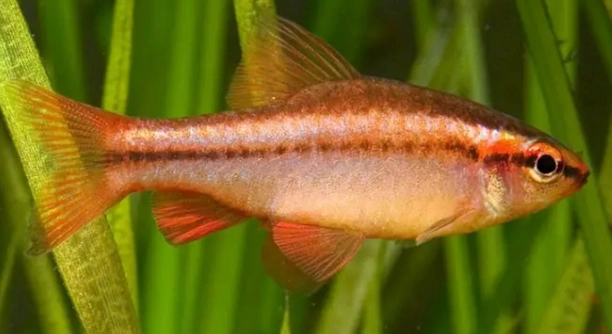
Cherry Barbs are known for their active, social nature, often seen darting through the water in schools. However, their behavior at night raises questions among fish owners. Understanding their nocturnal habits can enhance their care in an aquarium setting.
Cherry Barbs are not strictly nocturnal, but they do exhibit some reduced activity levels at night. They tend to rest in sheltered spots during dark hours, becoming more active again at dawn or when there is light.
Knowing more about how Cherry Barbs behave in low light can help improve their environment and ensure they remain healthy.
Are Cherry Barbs More Active During the Day?
Cherry Barbs are often most active during the daylight hours, especially when the lighting in their environment is bright. They are known for their social and curious nature, often swimming in groups and interacting with other fish. This activity usually peaks during the day when the fish can see their surroundings clearly and engage in natural behaviors such as foraging and exploring. However, they still exhibit some activity at night, though it’s less frequent. Their behavior tends to be calmer in the dark, as they rest and seek cover in plants or decorations.
Their daytime energy levels help aquarium owners identify the best times to interact with them. This can be useful when trying to observe feeding habits or monitor any potential health issues. By ensuring that the tank is properly lit during the day, you’ll encourage more active behavior from your Cherry Barbs. They are also more likely to show vibrant color displays when exposed to proper lighting and interaction.
While they do rest at night, their need for a healthy daytime environment cannot be overstated. Keeping a consistent light cycle will support their natural rhythms, contributing to their overall well-being.
Cherry Barbs’ Resting Habits
Cherry Barbs rest in more sheltered areas during the night. They find hiding spots in plants, decorations, or any tank structures that provide security.
During the night, Cherry Barbs significantly reduce their activity. This behavior allows them to recover from their daytime activities. When provided with places to rest, they will spend hours in these calm spots. This behavior is common among many fish species, helping them conserve energy. A well-structured aquarium with enough hiding places will keep them comfortable at night and less stressed. This also prevents them from feeling exposed to potential threats, whether real or perceived. By maintaining a consistent light and dark cycle, you’ll encourage healthier, more predictable behavior.
How to Create the Ideal Tank Environment for Cherry Barbs
Cherry Barbs thrive in a tank with plenty of plants, decorations, and hiding spots. Their environment should mimic natural conditions, with gentle water flow and stable temperature.
A planted aquarium helps provide shelter and a sense of security, which is especially important for Cherry Barbs at night. Live plants also contribute to the water quality by absorbing excess nutrients. Try to include hardy plants like Java Fern or Anubias, which can survive in low light conditions. Adding caves or small rock formations will also give them additional places to rest and hide. Keep the water temperature between 75°F and 80°F for optimal health and activity levels.
Maintaining consistent lighting also helps regulate their internal clock. Cherry Barbs are used to a cycle of day and night, so providing around 10-12 hours of light daily will keep them active during the day and encourage restful behavior at night. A low to medium-intensity filter will keep the water clear without causing strong currents that could stress the fish. A peaceful community tank with other non-aggressive species will also help maintain a relaxed atmosphere.
Feeding Cherry Barbs at Night
Cherry Barbs are opportunistic feeders and may eat at night if food is available. However, they are less likely to feed during this time compared to the day.
Feeding Cherry Barbs at night can be tricky, as their activity decreases after dark. They rely on daytime feeding to maintain energy levels. However, if you choose to feed them in the evening, try offering smaller, softer foods that are easy for them to consume in lower light. Foods like bloodworms or brine shrimp can be given as a treat in the evening, but be mindful of overfeeding. Uneaten food left in the tank can lead to water quality issues.
It’s also worth considering the behavior of any tankmates when feeding at night. Some fish are more nocturnal and may be more active during evening hours, while others, like the Cherry Barbs, may ignore the food until morning. Providing a routine feeding schedule will keep your fish healthy and prevent nighttime overfeeding. Stick to regular, well-timed meals during the day for the best results.
Cherry Barbs and Tank Lighting
Lighting plays a key role in the behavior of Cherry Barbs. They need a balanced light cycle to stay active and healthy.
Providing about 10-12 hours of light each day helps them maintain a natural sleep-wake cycle. Too much light can stress them, while too little can lead to inactivity.
Cherry Barbs benefit from moderate lighting. Avoid overly bright or harsh lighting, as it can cause stress. A gentle light cycle with dimmed lighting at night promotes healthy sleep habits. It’s also important to mimic natural light patterns to avoid disrupting their circadian rhythms.
Cherry Barbs and Other Fish Species
Cherry Barbs are peaceful and generally do well in community tanks. They interact with a wide variety of tankmates.
Tankmates like Tetras, Corydoras, and other small, non-aggressive species make ideal companions. The peaceful nature of Cherry Barbs allows them to coexist with other fish without causing issues. However, avoid larger, aggressive species, as they may intimidate or harm them.
When choosing tankmates for your Cherry Barbs, consider the water conditions and temperament of the other fish. As long as the tank is peaceful, Cherry Barbs will thrive with many different species. Always keep an eye on interactions to ensure they remain stress-free.
Cherry Barbs’ Behavior During Water Changes
Water changes can affect Cherry Barbs’ behavior, but they tend to adjust quickly. They may appear more skittish during the process.
It’s essential to change 20-30% of the water every one to two weeks to keep the water quality high. During water changes, the sudden shifts in water temperature or pH can temporarily stress your Cherry Barbs. They may swim erratically or seek shelter. Make sure the water temperature matches the tank’s to prevent shock. After the change, they typically calm down quickly, especially if the environment is stable.
FAQ
Are Cherry Barbs good for beginners?
Cherry Barbs are an excellent choice for beginner aquarium enthusiasts. They are hardy, easy to care for, and can adapt well to a variety of tank conditions. As long as their basic needs—such as stable water conditions, temperature, and good filtration—are met, they generally thrive. Their peaceful nature makes them easy to keep with other non-aggressive species, which is perfect for beginner community tanks.
What do Cherry Barbs eat?
Cherry Barbs are omnivores and will eat a wide range of foods. They enjoy high-quality flakes or pellets designed for tropical fish, but also benefit from occasional treats like brine shrimp, bloodworms, and daphnia. Offer a varied diet to keep them healthy and vibrant. Be mindful not to overfeed, as it can lead to poor water quality. Feeding them small portions 2-3 times a day is ideal.
Do Cherry Barbs need a filter?
Yes, Cherry Barbs require a filter in their aquarium. A filter helps maintain clean water by removing debris and harmful toxins. It’s essential to keep the water parameters stable and provide a healthy environment for the fish. A gentle filter is preferred, as strong currents can stress them.
How many Cherry Barbs should be kept together?
Cherry Barbs are schooling fish, so it’s best to keep them in groups of at least 6 to 8. A larger group will help them feel secure, especially in a tank with other species. Keeping a school of Cherry Barbs reduces stress and encourages natural social behaviors.
What is the lifespan of a Cherry Barb?
Cherry Barbs typically live for about 3 to 5 years when properly cared for. Ensuring consistent water conditions, feeding them well, and maintaining a peaceful environment will help extend their lifespan. Some Cherry Barbs may live even longer with optimal care.
Can Cherry Barbs be kept with other species?
Cherry Barbs are peaceful and can be kept with a variety of other non-aggressive species. They do well in community tanks with small fish like Tetras, Corydoras, or Rasboras. Avoid keeping them with larger, more aggressive fish, as they may stress or harm the Barbs. Make sure that the tankmates have similar water temperature and pH requirements.
How do Cherry Barbs breed?
Breeding Cherry Barbs can be relatively easy, but there are a few conditions to consider. First, a separate breeding tank is recommended to protect the eggs and fry from other tankmates. Female Cherry Barbs will lay eggs on plants or tank decorations, and the male will fertilize them. Once the eggs hatch, the fry should be fed infusoria or powdered fry food until they grow large enough to eat regular fish food.
What temperature do Cherry Barbs need?
Cherry Barbs prefer warm water with a temperature range between 75°F and 80°F. It’s important to maintain a stable temperature, as fluctuations can cause stress. They can tolerate temperatures outside this range but will not thrive if it’s too cold or too hot. A reliable aquarium heater is recommended to keep the water at the ideal temperature.
Are Cherry Barbs affected by light?
Cherry Barbs do not require intense lighting, but they benefit from a consistent light cycle. They prefer around 10-12 hours of light each day, mimicking natural day and night cycles. Too much light can stress them, while too little can reduce their activity. Providing soft, diffused light is ideal.
Do Cherry Barbs jump out of the tank?
Cherry Barbs are not known to jump out of the tank, but it’s still a good idea to have a lid or cover to prevent accidents. Most fish are prone to jumping if they are startled or if the water conditions aren’t ideal. Keeping the tank environment calm and stable can reduce the likelihood of this happening.
How can I tell if my Cherry Barb is male or female?
Male Cherry Barbs are typically more colorful and vibrant, with a bright red or orange hue, especially during breeding season. Female Cherry Barbs are usually larger, rounder, and less colorful. The males tend to display their brighter colors and engage in courtship behavior to attract the females.
Do Cherry Barbs need live plants in their tank?
Live plants are not a necessity for Cherry Barbs, but they do appreciate them. Plants provide hiding spots and help create a more natural environment, reducing stress. They also help maintain water quality by absorbing excess nutrients. Hardy plants like Java Moss or Anubias are ideal, especially in tanks with low light.
Can Cherry Barbs live with snails or shrimp?
Yes, Cherry Barbs can generally live peacefully with snails and shrimp. They are unlikely to harass or eat small shrimp, as long as the shrimp are not too small or vulnerable. Snails are safe with Cherry Barbs as well. However, be aware that larger species of shrimp or snails may not be as compatible. Always monitor interactions to ensure everything is going well.
What should I do if my Cherry Barb is sick?
If your Cherry Barb appears sick, isolate it in a quarantine tank to prevent the spread of any potential diseases. Check water parameters to ensure that they are within the appropriate range, as poor water quality can often lead to illness. Consider consulting a vet or a knowledgeable aquarium expert to properly diagnose and treat the issue.
Final Thoughts
Cherry Barbs are a great choice for both beginner and experienced aquarium keepers. Their peaceful nature and ability to adapt to various tank conditions make them a versatile addition to community aquariums. With the right care, they thrive in a well-maintained tank, offering beauty and movement. They aren’t demanding, making them an ideal species for those looking for a low-maintenance fish that still adds vibrancy to their setup. Providing a stable environment with appropriate water parameters, gentle lighting, and a balanced diet will ensure that your Cherry Barbs stay healthy and active.
Despite their hardiness, Cherry Barbs do require attention to certain factors like tankmates, water temperature, and feeding habits. While they are peaceful and social, keeping them in a group of at least six will help them feel comfortable and secure. This schooling behavior is essential for their well-being, as they tend to thrive in groups. Maintaining proper water conditions, including temperature, pH, and filtration, is crucial for their long-term health. Regular water changes are also necessary to keep the environment clean and prevent the buildup of toxins. With the right setup, Cherry Barbs can live a long and healthy life in your aquarium.
If you’re interested in breeding Cherry Barbs, it’s important to consider their needs during this process. While breeding can be relatively easy, it requires a separate breeding tank to protect the eggs and fry from other fish. Monitoring their behavior and ensuring the right conditions will lead to successful breeding and a new generation of Cherry Barbs. Overall, Cherry Barbs are a wonderful, easy-to-care-for species that can add color and life to your aquarium. With a little attention to their care, they can become a lasting part of your aquatic setup.

Hello,
If you enjoy the content that we create, please consider saying a "Thank You!" by leaving a tip.
Every little bit helps us continue crafting quality advice that supports the health, happiness, and well-being of pets around the world, for pets of all shapes, sizes, and species.
We really appreciate the kindness and support that you show us!