
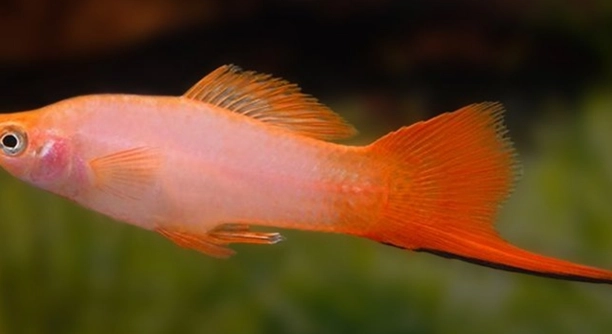
Are your swordtails moving together in the tank like they’re part of a tiny, shimmering team? You’re not alone in noticing this curious behavior. Many fish owners find their swordtails swimming in unison, almost like a dance.
Swordtails often swim in sync as a natural schooling behavior, which helps them feel safe and reduces stress. This synchronized movement is instinctive and provides protection from perceived threats by creating the illusion of a larger group.
Learning why this happens can help you better understand your fish’s needs and maintain a healthy, comfortable environment for them.
Understanding Swordtail Behavior
Swordtails are peaceful fish that enjoy the company of others, especially their own kind. In the wild, they often swim in groups to stay safe from predators. This instinct continues in home aquariums. When you see your swordtails swimming in sync, it’s likely a sign they feel secure and are responding to their environment as a group. They may be reacting to a change in lighting, movement outside the tank, or even the presence of food. It’s part of how they communicate with each other and maintain order in their space. This synchronized swimming helps them keep track of one another and move as one. It can also indicate that your tank is a healthy and calm space. Fish tend to become more solitary or erratic when stressed or unwell, so swimming in sync can actually be a positive sign that things are going right in your tank.
Some slight shifts in water temperature or lighting can also trigger this group movement.
Keeping the water clean, feeding them on a schedule, and avoiding loud noises nearby are all ways to support this natural behavior. If the fish are healthy, this swimming style usually means they’re content and responding to each other in a natural, peaceful way.
Signs of Something Being Off
If the synchronized swimming turns into frantic circling, something may be off.
Sometimes, swimming in sync can be triggered by stress or discomfort. This could come from sudden changes in water conditions, like pH drops or temperature swings. It might also happen when new tank mates are introduced or if the tank is overcrowded. Swordtails are sensitive to their surroundings, so any sudden shift can make them stick closer together for safety. Pay attention to how long the behavior lasts. If they swim in sync constantly and appear tense or dart around quickly, it could mean they’re not feeling secure. Testing the water for ammonia, nitrites, or changes in pH is a good place to start. Also, observe whether any fish are being aggressive or if there are signs of illness. If the behavior feels more panicked than peaceful, you may need to make adjustments to the tank setup to reduce stress.
Creating the Right Environment
A calm and steady environment helps swordtails feel safe and comfortable. Clean water, proper lighting, and steady temperatures all support their natural group behavior. Sudden changes can startle them and cause confusion or stress among the group.
Swordtails need enough space to swim freely without bumping into one another. A crowded tank can lead to territorial behavior, stress, and erratic swimming. Aim for at least 15 to 20 gallons for a small group. Make sure the water is filtered, well-oxygenated, and maintained at a stable temperature between 72°F and 82°F. Live plants and hiding spots offer comfort and reduce anxiety. It’s also important to keep lighting consistent—avoid placing the tank where direct sunlight or sudden shadows can create sudden changes that affect your fish’s movement. A steady, quiet setting will encourage your swordtails to swim together in a relaxed, natural way.
Feeding routines can also influence how swordtails behave. Offering food at the same time each day can help them feel secure and fall into regular patterns. Avoid overfeeding, as leftover food can dirty the tank and stress the fish. Using floating or slow-sinking food works best, as it allows swordtails to feed calmly in a group. A little consistency goes a long way.
When to Pay Closer Attention
If your swordtails begin to hover near the surface or bottom for long periods, it may be a warning sign.
Swordtails are usually active and alert, so any sudden change in behavior should be taken seriously. Lethargy, gasping at the surface, or clamped fins could signal poor water quality or illness. It’s good to test the water regularly and watch how the fish interact. If one or more swordtails separate from the group or act differently for more than a day or two, it may be worth investigating further. Behavior changes might also be linked to internal parasites or infections, which can spread quickly in a small tank. Acting quickly can help stop problems before they get worse. Quarantine new fish before adding them to the tank and keep an eye out for unusual swimming patterns, rapid breathing, or faded colors. Small details can often point to bigger issues in the tank.
Group Dynamics and Social Bonds
Swordtails enjoy the presence of other fish, especially those of their own kind. Swimming in sync can be a sign of healthy social bonding, as they move together for comfort and safety. Balanced group sizes help reduce stress and promote smoother interactions.
Too few fish may leave one feeling isolated, while too many can lead to competition. A small group of five to six is usually ideal. Watch for signs of bullying or chasing, which can throw off the group’s balance. Harmony in numbers helps keep your swordtails relaxed and moving naturally together.
Breeding Behavior and Mating Displays
Synchronized swimming can sometimes be part of mating behavior. Males often follow females closely and mirror their movements. This display helps attract attention and signals interest. If several males are present, you might notice competition in the form of patterned chasing or close swimming. Females may respond by leading or steering away. While this looks similar to regular group swimming, it’s often more focused and repetitive. If you’re seeing frequent group patterns near plants or corners, your swordtails might be preparing to breed. Providing hiding spots helps females feel safe, especially if they’re carrying fry. Keeping a close eye can prevent stress.
Keeping Things Steady
Small changes over time help your swordtails stay happy. Consistency with light, food, and tank care supports their natural group behavior and overall health.
FAQ
Why do my swordtails only swim in sync sometimes?
Swordtails don’t always swim together, and that’s normal. When they do, it’s usually because of something in their environment triggering the behavior. This could be feeding time, changes in light, or a sign of feeling secure. They may also swim together when they sense potential danger or something new. If they aren’t swimming in sync all the time, it doesn’t mean anything is wrong. Fish have their own rhythms, and group behavior can shift throughout the day based on how they feel and what’s happening around them.
Is synchronized swimming always a good sign?
It depends on how it looks. If your swordtails are swimming calmly together, it’s usually a good sign. They may be enjoying the environment and feeling safe. But if the movement looks fast, jittery, or panicked, they might be stressed or reacting to poor water conditions. Pay attention to body language—clamped fins, darting, or gasping at the surface are not normal. Watch closely and test your water if you notice anything unusual. Calm, smooth swimming means your tank setup is working well and the fish are at ease.
Do I need to keep swordtails in groups for them to be happy?
Yes, swordtails are social fish and usually do best in groups. Keeping at least five together allows them to express natural behaviors, including swimming in sync. If kept alone or in too small a group, a swordtail may become anxious or inactive. This can affect their health and shorten their lifespan. A balanced group also reduces aggressive behavior, especially among males. Be sure your tank is large enough to handle the number of fish, and always keep an eye on how they interact. A peaceful group setup helps everyone thrive.
Why are they only swimming together at certain times of the day?
Swordtails often fall into a daily rhythm based on feeding, lighting, and other regular routines. You might notice them swimming together in the morning when the lights come on or just before feeding time. They may also react to activity near the tank, such as movement or sound. If the lights in the room shift suddenly or something startles them, they may come together in response. Timing can also depend on their energy levels and what’s happening in the tank, so changes throughout the day are perfectly normal.
Can this behavior mean they’re scared or uncomfortable?
Sometimes. If your swordtails suddenly start swimming in tight, fast circles or bunch up in a corner, they might be scared or reacting to something uncomfortable. Common causes include loud noises, sudden light changes, or a water quality issue. It’s important to check for stress signals—like faded colors, shaking, or fast breathing. When they swim closely in a calm, even pattern, it usually means they’re feeling okay. But if they seem tense or restless, it’s worth taking a closer look at their surroundings and doing a water test.
What can I do if one swordtail isn’t swimming with the others?
One fish separating from the group could mean a few things. It might be tired, bullied, or even sick. Watch closely for other signs—loss of appetite, odd swimming patterns, or color changes. If it’s being chased or picked on by another fish, rearrange the tank or add more plants to break up sightlines. If the behavior continues for more than a day or two, it’s smart to test the water and consider isolating the fish to watch for illness. One fish acting differently can be an early sign that something needs attention.
How can I tell if they’re about to breed?
Breeding behavior often looks like synchronized swimming but with a purpose. Males may follow a female closely, staying right behind her and matching her movements. You may also notice them nudging or flicking their fins more often. If a female swordtail starts to hide more or spends time in the plants, she could be preparing to give birth. In that case, make sure the tank has hiding spots to help her feel safe. You might even spot tiny fry swimming around soon after if she does give birth.
Final Thoughts
Swordtails are peaceful, active fish that often swim in groups. Watching them move together in sync can be both calming and fascinating. This behavior is usually natural and healthy. It often means they feel safe and comfortable in their tank. Many fish show this type of group swimming in the wild to stay protected, and swordtails carry this instinct into home aquariums. If your fish are moving calmly and sticking together, that’s generally a good sign. It shows that their environment feels right to them and that they are behaving as they would in nature.
Still, not all synchronized swimming means everything is perfect. Sometimes, fish swim closely together when they feel uneasy or something in the tank changes. If the behavior looks tense or frantic, it may be worth checking on things like water temperature, pH levels, or ammonia. Behavior is one of the easiest ways to tell how your fish are feeling. A sudden change can be the first clue that something needs to be adjusted. Keeping an eye on how they move, eat, and interact can help you catch problems early before they get worse. This is especially true if one fish starts to behave differently than the rest.
Creating a stable, low-stress environment will support your swordtails’ natural habits. This includes consistent lighting, a clean tank, and regular feeding times. Having a balanced group with enough space and hiding spots also helps your fish feel secure. Swordtails don’t need much to thrive, but they do rely on their surroundings to stay calm and active. When those needs are met, they will often swim together in a peaceful and relaxed way. It’s a sign of trust and comfort. By paying attention to small details and sticking to a regular routine, you can help your swordtails stay healthy and happy. Whether they are swimming side by side or taking time on their own, each behavior can tell you something about how they’re doing. Watching their patterns helps you connect with them more, and in time, caring for them becomes easier and more rewarding.

Hello,
If you enjoy the content that we create, please consider saying a "Thank You!" by leaving a tip.
Every little bit helps us continue crafting quality advice that supports the health, happiness, and well-being of pets around the world, for pets of all shapes, sizes, and species.
We really appreciate the kindness and support that you show us!