
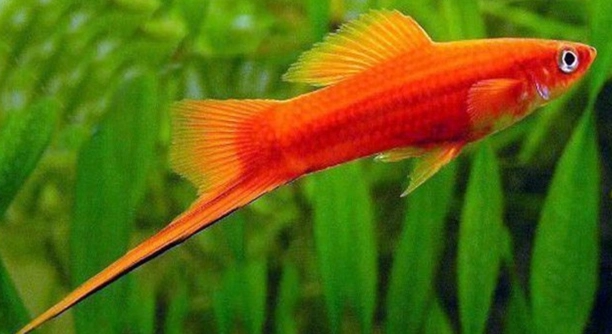
Swordtails are popular aquarium fish, known for their vibrant colors and active nature. They are often kept in community tanks due to their friendly disposition and ability to adapt to various environments.
Swordtails can thrive in community tanks if they are housed with compatible species and given adequate space. They prefer calm waters and can coexist with other peaceful fish, provided their tank mates are not overly aggressive or territorial.
Knowing the best tank mates for swordtails and how to set up the right environment will make a significant difference in their health and happiness.
Swordtails and Their Ideal Tank Mates
Swordtails are peaceful and social fish, but it’s important to pair them with the right tank mates. While they are not aggressive, they can sometimes nip at fish with long fins. Therefore, smaller, peaceful species that share similar water temperature and pH requirements are ideal. Species like guppies, platies, and mollies work well in a community tank with swordtails, as they have similar care needs.
For larger tanks, adding other non-aggressive fish like tetras or corydoras catfish can also be beneficial. Avoid pairing swordtails with aggressive fish, such as cichlids or bettas, which can cause stress or even harm your swordtails.
It’s important to consider the size of the tank when choosing tank mates for swordtails. A larger tank provides the necessary space for swordtails and their tank mates to move around comfortably, reducing territorial issues. A tank size of at least 20 gallons is recommended to support multiple swordtails and other species, ensuring a peaceful coexistence.
Swordtail Tank Setup
Creating the right environment for swordtails is crucial to their well-being. They need a well-planted tank with plenty of hiding spaces.
Swordtails thrive in aquariums with plants, rocks, and caves where they can take refuge if they feel threatened. They enjoy a slightly alkaline pH between 7.0 and 8.0 and prefer temperatures between 72°F and 82°F. The water should be clean and well-filtered, as swordtails are sensitive to poor water quality. Maintaining a stable environment is essential to prevent stress and health issues. They also appreciate moderate water movement, but strong currents should be avoided.
Providing a balanced diet of high-quality flakes, pellets, and occasional live foods will help keep your swordtails healthy and active.
Swordtail Behavior in Community Tanks
Swordtails are generally calm and enjoy swimming in groups. They are active swimmers but tend to stay within the middle section of the tank.
Male swordtails can sometimes show territorial behavior, especially if there are multiple males in the tank. This can lead to mild aggression, particularly during mating displays. To reduce this, it’s helpful to have more females than males, as this minimizes competition for mates. Offering enough space in the tank and plenty of hiding spots will also reduce stress and potential territorial disputes.
Observing their behavior in a community tank can be rewarding, as they interact peacefully with other species, as long as they are compatible. They will often school together and explore their environment, creating a lively, colorful atmosphere in the aquarium.
Feeding Swordtails in Community Tanks
Swordtails are omnivores, so they need a balanced diet that includes both plant and animal matter.
Offering a variety of food options ensures they receive the necessary nutrients. High-quality flake or pellet food should be the base of their diet. Supplement this with live or frozen foods like brine shrimp or daphnia for added protein. Occasionally providing leafy greens like spinach or algae wafers will keep them healthy and happy. Swordtails are known to nibble on plants, so they may help clean up excess algae in the tank as well.
Feeding them in smaller, frequent portions helps avoid overfeeding and water quality issues. Monitor the amount of food consumed and remove any excess after a few minutes to keep the tank clean and healthy.
Common Health Issues in Swordtails
Swordtails can be susceptible to common aquarium diseases, especially in poor water conditions. Keeping the water clean and monitoring water parameters will help prevent illness.
A few common issues swordtails may face include fin rot, ich, and swim bladder disease. These conditions can arise due to stress, poor diet, or overcrowding. Regular water changes and maintaining proper tank conditions can reduce the likelihood of these problems. Keeping an eye on your fish and noticing any changes in behavior, such as lethargy or abnormal swimming, can help detect health issues early.
How to Breed Swordtails in a Community Tank
Breeding swordtails in a community tank can be relatively simple, as they are livebearers.
To breed them successfully, ensure the tank is large enough for the fish to swim freely, as overcrowding can cause stress. Provide plenty of hiding spaces for the females to give birth to their fry. Swordtails will breed readily, and the fry can be left in the main tank, provided there are no predatory fish that will eat them. It is also essential to have more females than males to reduce aggression. If you want to separate the fry, consider using a breeding box or separate tank.
Tank Size and Setup for Swordtail Breeding
A 20-gallon tank is the minimum size recommended for swordtail breeding.
A breeding tank should include plants and decorations that allow the fry to hide and thrive. It is best to have a separate space for the fry until they grow large enough to join the main tank. Keep the water parameters stable, with a temperature range of 74°F to 80°F and a neutral pH of 7.0 to 7.5. Regular water changes and proper filtration will help maintain a healthy environment for both the adults and the fry.
FAQ
Do swordtails need a lot of space?
Swordtails enjoy having plenty of space to swim freely. A minimum tank size of 20 gallons is ideal for a small group. Larger tanks provide more room for swordtails to move and interact with other fish, which helps reduce stress. When keeping swordtails in a community tank, ensuring enough space for each species is important to maintain harmony.
Can swordtails live with other fish?
Yes, swordtails can live with other peaceful fish, such as guppies, mollies, and platies. They do well in community tanks when paired with non-aggressive species. Avoid keeping swordtails with aggressive or territorial fish, as this can lead to stress and potential conflicts. The key is to select tank mates that share similar water conditions and temperament.
How often should I feed my swordtails?
Swordtails should be fed once or twice a day. It is best to offer small portions of food that they can consume in a few minutes. Overfeeding can lead to poor water quality and health problems. Include a mix of high-quality flakes, pellets, and occasional live or frozen foods for a balanced diet.
What temperature should a swordtail tank be?
Swordtails prefer water temperatures between 72°F and 82°F. It’s important to maintain a consistent temperature in the tank to keep swordtails healthy. Sudden temperature fluctuations can cause stress and may lead to illness. Use an aquarium heater to regulate the temperature, especially in colder climates.
How do I know if my swordtail is sick?
If your swordtail is sick, it may display signs like faded colors, abnormal swimming behavior, or lethargy. It may also have visible lesions or spots on its body. If you notice any of these signs, check the water quality immediately. Keeping the tank clean and maintaining proper water parameters can help prevent illnesses.
Can swordtails live with bettas?
Swordtails and bettas generally do not make good tank mates. Male bettas are particularly aggressive, and their long, flowing fins can attract aggression from swordtails. While female bettas may tolerate swordtails, it’s still risky, as bettas may attack the swordtails. It’s best to avoid keeping them together.
How do I breed swordtails?
Breeding swordtails is relatively easy, as they are livebearers. Ensure you have a healthy male-to-female ratio (1 male to 2 or 3 females). Provide plenty of hiding spaces in the tank for the females to give birth. Swordtail fry are small and will need a separate area to grow, or they may be eaten by the adults. The fry will start swimming around within a few days and can be fed small foods like baby brine shrimp.
Do swordtails need a filter?
Yes, a filter is essential for maintaining good water quality. Swordtails are sensitive to poor water conditions, and a filter helps keep the water clean and oxygenated. Regular water changes are also important to maintain a healthy environment, but a filter can reduce the frequency of changes needed.
Why is my swordtail chasing other fish?
Male swordtails may chase other fish, especially females, as part of their mating behavior. This is typically harmless but can become stressful for other fish. If the chasing becomes aggressive, it could be a sign of overcrowding or too many males in the tank. To reduce this, provide enough space or remove excess males.
How can I tell the difference between male and female swordtails?
Male swordtails are usually smaller and have a longer, more pronounced sword-like extension on their tail fin. Females are larger and lack the sword-like tail. Males are also more colorful, while females are typically duller. This sexual dimorphism makes it easy to differentiate between the sexes.
What plants are good for swordtail tanks?
Swordtails thrive in tanks with live plants. Some great options include java fern, anubias, and hornwort. These plants provide hiding spaces for the swordtails and help maintain water quality by absorbing excess nutrients. Plants also contribute to the tank’s overall aesthetic and offer a natural environment for swordtails to explore.
Do swordtails require special lighting?
Swordtails do not require special lighting, but they do appreciate a well-lit tank. Regular aquarium lights that mimic natural sunlight will help keep the fish active and healthy. Providing a day-night cycle with 10-12 hours of light per day will help maintain a natural environment and keep your swordtails in good condition.
What should I do if my swordtail is pregnant?
Pregnant swordtails should be kept in a calm and quiet environment. Provide extra hiding spots for the female to give birth. If you want to protect the fry, consider using a breeding box or setting up a separate tank for them. After giving birth, remove the female to prevent her from eating the fry.
Can swordtails live with shrimp?
Yes, swordtails can live with shrimp, but it depends on the species. Peaceful shrimp species, like cherry shrimp or ghost shrimp, can coexist with swordtails. However, swordtails may sometimes nibble on baby shrimp, especially if they are small. Larger shrimp, like Amano shrimp, are less likely to be eaten by swordtails.
How long do swordtails live?
Swordtails typically live between 3 to 5 years when kept in good conditions. Providing a balanced diet, clean water, and a peaceful environment can help them live a long, healthy life. Regular tank maintenance, such as water changes and filter cleaning, also plays a significant role in their lifespan.
Why are my swordtails staying at the bottom of the tank?
Swordtails staying at the bottom of the tank can be a sign of stress or illness. It may be caused by poor water quality, low oxygen levels, or overcrowding. Check the water parameters, and make sure the tank is properly filtered and cleaned. If the behavior continues, consider isolating the affected fish to treat any potential illnesses.
Final Thoughts
Swordtails are an excellent choice for many aquarium hobbyists, especially those interested in peaceful community tanks. These fish are hardy and adaptable, making them suitable for beginners and experienced keepers alike. With their vibrant colors and lively personalities, swordtails bring energy to any aquarium. They are also relatively easy to care for, as long as their basic needs are met. Proper tank size, good water quality, and a balanced diet are the key factors in ensuring swordtails thrive in your tank.
When kept in a proper environment, swordtails can live for several years and even breed successfully in community tanks. Their social nature means they enjoy the company of other peaceful fish, which helps create a harmonious tank setup. However, care must be taken to avoid overly aggressive tank mates, as swordtails can sometimes be targeted by more territorial fish. Regular maintenance, such as water changes and monitoring tank conditions, helps prevent health issues and ensures the well-being of both swordtails and their companions.
In conclusion, swordtails are rewarding fish to keep. Their adaptability, peaceful nature, and ease of breeding make them a favorite among fishkeepers. By following basic care guidelines, keeping the tank clean, and selecting compatible tank mates, you can enjoy healthy and active swordtails for years to come. Whether you are a beginner or an experienced aquarist, these fish are sure to enhance the beauty and balance of your aquarium.

Hello,
If you enjoy the content that we create, please consider saying a "Thank You!" by leaving a tip.
Every little bit helps us continue crafting quality advice that supports the health, happiness, and well-being of pets around the world, for pets of all shapes, sizes, and species.
We really appreciate the kindness and support that you show us!