
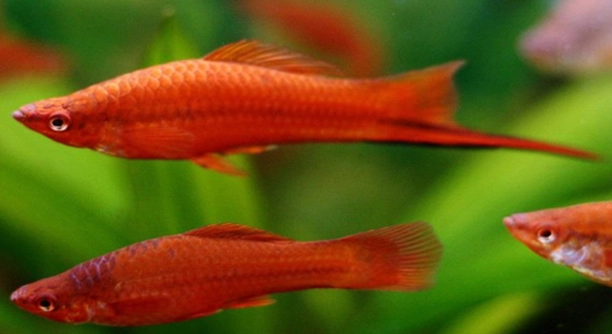
Swordtails are small, colorful fish that many aquarium owners enjoy keeping. They are known for their active nature and vibrant colors, but their environmental preferences may not be as clear. Understanding where they feel most comfortable can help improve their care.
Swordtails generally prefer open spaces with plenty of swimming room. However, they also seek shaded areas for occasional rest and protection from bright lighting. The ideal environment for swordtails balances both open spaces and shaded spots.
Knowing the right environment for swordtails can help ensure they thrive in your aquarium. Understanding their needs will improve their overall well-being and activity levels.
Swordtails and Light Preferences
Swordtails, like many fish, have specific preferences when it comes to light. These fish are naturally found in shallow, slow-moving waters, where they often experience both sunny areas and shaded spots. In an aquarium, it’s important to provide a balance. If your tank has only bright lighting, swordtails may become stressed. They may seek shelter in plants or decorations to escape the harsh light. However, they also need enough light to remain active and healthy.
For optimal care, you should ensure your swordtails can swim in both bright and shaded areas. Avoid direct exposure to intense light sources. This can lead to stress and can affect their health over time. A tank with varying light conditions, along with a few areas of shade, will provide a comfortable environment.
Swordtails are more likely to thrive in aquariums that mimic their natural habitat. This means having spots of light and shadow throughout the tank. Providing places to hide in the shade can also help them feel secure, especially during nighttime.
Setting up a Balanced Aquarium
It’s not hard to create the right environment for swordtails in your aquarium. A combination of floating plants or tall plants placed along the back of the tank will give them shaded areas to rest.
Your tank should be well-lit but not overly bright. Positioning the light at an angle or using a dimmer can help avoid direct exposure to bright light. Swordtails will appreciate the option of swimming in both open and shaded spaces. This balance helps them feel secure and active without becoming overwhelmed by light. Make sure to observe their behavior and adjust if necessary.
Swordtails and Tank Decorations
Adding decorations to your tank not only makes it look appealing but also provides swordtails with a variety of places to explore. Rocks, driftwood, and plants can offer shelter from light and create shaded areas. These decorations mimic the natural environment, giving swordtails the feeling of safety and space.
When choosing decorations, consider their size and shape. Swordtails need room to swim freely, so avoid overcrowding the tank. Plants like Java moss or anubias can offer both shade and hiding spots, while also giving them areas to rest. It’s important to ensure the decorations are safe, free from sharp edges or toxins.
Keep in mind that swordtails also enjoy open swimming space, so don’t fill the tank entirely with decorations. Use them strategically to offer areas of shade while still leaving room for the fish to swim freely. A mix of open spaces and shaded areas will create a more balanced environment.
Water Temperature and Lighting
Swordtails are known for their preference for warm water, ideally between 72-79°F (22-26°C). This temperature range encourages healthy growth and activity levels. Combine the right temperature with appropriate lighting to keep your fish comfortable and active.
Bright, direct light can stress swordtails over time. It’s best to use a gentle light, perhaps with a timer to simulate day and night cycles. This will provide them with a natural rhythm while preventing long periods of harsh light. Aim for around 10 to 12 hours of light per day.
Remember, changes in water temperature can impact swordtail behavior. If the water gets too warm or too cool, they might become lethargic or stressed. Maintaining a stable, warm temperature with softer lighting will keep your swordtails in their best condition.
Water Quality and Swordtail Comfort
Maintaining good water quality is crucial for swordtails. They thrive in clean, well-filtered water with stable pH and hardness levels. Regular water changes and monitoring of water conditions are essential for their health and comfort.
Swordtails are quite sensitive to poor water quality. Ammonia, nitrites, and high nitrate levels can quickly stress them out. Use a good filtration system to keep the water clean, and always test the water parameters. A healthy environment will help them remain active and vibrant.
Tank Size for Swordtails
Swordtails need space to swim. A tank of at least 20 gallons is recommended for a small group of swordtails. A larger tank will provide them with ample swimming space and create a more stable environment.
A cramped tank can lead to stress, reduced activity, and even health problems. The more space they have, the more comfortable they will feel. Larger tanks also make it easier to maintain water quality and temperature. Make sure your tank is spacious enough to accommodate them comfortably.
Feeding Swordtails
Swordtails are omnivores, so they enjoy a varied diet. Offering a mix of high-quality flake foods, frozen or live foods, and vegetables ensures they get the proper nutrients.
Variety in their diet is key. Live foods like brine shrimp, daphnia, or bloodworms are great protein sources. You can also offer vegetables like spinach or zucchini. Make sure to remove any uneaten food to prevent water pollution.
FAQ
Do swordtails need a lot of light?
Swordtails don’t require intense lighting. They do well with moderate light, which mimics their natural habitat. Too much direct light can stress them out. Ideally, they should have around 10-12 hours of light per day, with softer lighting. Using a timer to control the light cycle helps maintain their natural rhythm.
Can swordtails live in a tank with other fish?
Yes, swordtails are generally peaceful and can live with a variety of other fish, provided they aren’t overly aggressive. They do well with species like guppies, mollies, and tetras. However, be cautious with very small fish or overly territorial ones, as swordtails can sometimes become a bit nippy.
How often should I feed swordtails?
Swordtails should be fed 2-3 times a day, with small portions. Overfeeding can lead to water quality problems, so make sure to remove any uneaten food. It’s best to offer a balanced diet, including both plant-based and protein-rich foods, to keep them healthy and active.
Do swordtails need a heater in their tank?
Yes, swordtails prefer warmer water temperatures. A heater is often necessary to maintain the ideal temperature range of 72-79°F (22-26°C). Consistent temperatures are important to avoid stress and health issues, so a heater helps maintain a stable and comfortable environment.
How long do swordtails live?
Swordtails typically live 3-5 years in a well-maintained aquarium. Their lifespan can be influenced by factors like water quality, diet, and tank mates. Keeping their environment stable and providing proper care can help them live a full, healthy life.
How do I know if my swordtail is stressed?
Signs of stress in swordtails can include lethargy, loss of appetite, hiding, or abnormal swimming patterns. If they are darting around rapidly or staying near the surface, they may be stressed by poor water quality, overcrowding, or inappropriate tank mates. Regular water changes and a well-maintained tank help reduce stress levels.
Can swordtails breed in a community tank?
Yes, swordtails can breed in a community tank. However, if you don’t want them to breed, you should either separate males and females or provide no hiding spaces where the fry can hide. Males will often chase females to breed, so a larger tank with plenty of plants will help reduce aggressive behaviors.
What temperature is best for swordtail breeding?
Swordtails breed best in water temperatures between 75-80°F (24-27°C). Warmer water encourages breeding and helps fry grow faster. However, keep in mind that higher temperatures can stress adult swordtails, so it’s important to maintain a stable and comfortable environment.
Do swordtails require a lot of maintenance?
Swordtails don’t require excessive maintenance, but regular water changes and tank cleaning are necessary to keep them healthy. Testing the water for pH, ammonia, nitrites, and nitrates is important, and a good filtration system helps maintain water quality. If their environment is kept stable, swordtails are easy to care for.
Can swordtails tolerate different water conditions?
Swordtails are quite adaptable and can tolerate a range of water conditions. However, they prefer slightly alkaline water with a pH between 7.0-8.0. Keeping the water within this range, along with stable hardness levels, ensures they thrive. Sudden changes in water conditions can lead to stress, so it’s best to make gradual adjustments.
Do swordtails prefer schools or can they be alone?
Swordtails are social fish and should be kept in groups. They do best when kept with at least 3-4 others of their kind. A group provides security and reduces stress. A lone swordtail may become more stressed, which could lead to health problems. A group also encourages natural behaviors.
Are swordtails aggressive?
Swordtails are generally peaceful but can show some aggression, especially during mating or when they feel threatened. Male swordtails can become territorial and may chase each other, but they usually don’t harm other fish. Keep a balanced number of males and females to reduce competition and aggression.
What do swordtails eat in the wild?
In the wild, swordtails are omnivores and feed on a variety of things, including algae, small invertebrates, and plant matter. In an aquarium, you can mimic their natural diet by offering a mix of flake food, frozen foods like brine shrimp, and vegetable matter like spinach or zucchini.
Final Thoughts
Swordtails are fairly easy to care for, making them a great option for both beginners and experienced fishkeepers. Their colorful appearance and active nature add vibrancy to any tank. When it comes to creating the right environment, balance is key. Swordtails need a mix of open spaces to swim freely and shaded areas to rest and feel secure. Providing both types of spaces will help them thrive and stay healthy. Regular water changes, stable temperature, and good filtration will also contribute to their overall well-being.
It’s also important to keep an eye on the tank’s water quality. Swordtails are sensitive to poor water conditions, and keeping the water clean is essential for their long-term health. This includes monitoring pH, ammonia, and nitrate levels regularly. A filtration system will help maintain cleaner water, but it’s important to change the water frequently to prevent build-up of harmful substances. Swordtails will also appreciate some plants and decorations, which provide hiding spots and help them feel more secure in their environment.
Lastly, while swordtails are peaceful, they do best in a community tank with other non-aggressive fish. Keeping them in groups of at least 3-4 swordtails is recommended, as they are social creatures and feel more comfortable in the company of their own kind. Breeding is possible in a community tank, but if you don’t want fry, it’s best to separate males and females or ensure there are enough hiding spots for the young to stay safe. With the right care and environment, swordtails can live a long, healthy life and continue to brighten up your aquarium.

Hello,
If you enjoy the content that we create, please consider saying a "Thank You!" by leaving a tip.
Every little bit helps us continue crafting quality advice that supports the health, happiness, and well-being of pets around the world, for pets of all shapes, sizes, and species.
We really appreciate the kindness and support that you show us!