
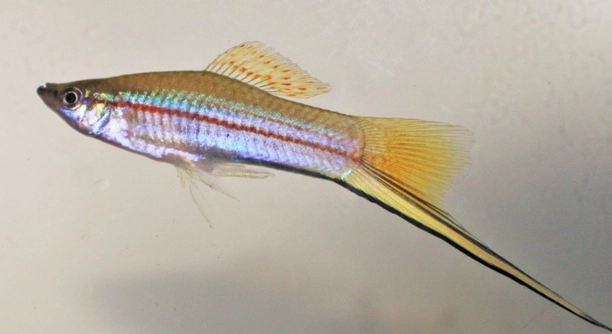
Keeping your Swordtail tank clean is crucial to ensuring your fish stay healthy and happy. Regular maintenance also helps keep your aquarium looking fresh and vibrant. Cleaning the tank can seem daunting, but it’s easier than you might think.
To clean a Swordtail tank the right way, start by removing debris, changing the water, and cleaning the filter regularly. Use safe products to avoid harming your fish, and aim for a 10-20% water change every week.
Understanding the right steps to clean your tank will help maintain a healthy environment for your Swordtails. Consistent cleaning will also improve water quality, keeping your fish lively and your aquarium visually appealing.
Preparing for Tank Cleaning
Before you begin cleaning your Swordtail tank, gather all necessary supplies. You’ll need a siphon or gravel vacuum, a bucket, a clean cloth or sponge, and water conditioner. Make sure the water temperature is similar to the tank’s to avoid stressing your fish. Preparing your equipment ensures that the cleaning process goes smoothly and causes minimal disruption to your fish.
Take out any decorations or plants that can be easily removed. This will allow you to access the tank’s surface and substrate better. Clean them separately with warm water, avoiding any soaps or chemicals that could harm your fish. Always make sure to rinse everything thoroughly before placing it back in the tank.
Cleaning the tank involves removing debris from the substrate and the walls. Using a gravel vacuum will help suck up waste from the bottom while preventing the gravel from being disturbed too much. Lightly scrub the tank’s walls with a clean cloth or sponge to remove any algae buildup. Make sure not to use any chemicals or soaps, as they can harm your fish. Once done, proceed with a water change.
Water Changes and Filtration
Regular water changes help maintain the quality of the water in your tank. Start by siphoning out 10-20% of the water every week to reduce waste buildup. Replace the water with fresh, dechlorinated water that is the same temperature as the tank. Doing this consistently will keep your fish healthy and comfortable.
When it comes to filtration, it’s essential to clean your filter regularly to prevent clogging and maintain efficient filtration. Rinse the filter media in the water you removed during a water change to avoid killing beneficial bacteria. Replace the filter media if it becomes too worn or clogged to function properly. Clean the filter every 2-4 weeks, depending on your tank’s size and the amount of waste produced.
Maintaining a clean tank is about more than just removing waste; it’s about keeping the right balance. Regular water changes help dilute toxins and replenish essential minerals, while cleaning the filter ensures that harmful substances are efficiently removed. A clean, well-filtered tank makes it easier for your Swordtails to thrive.
Cleaning the Substrate
The substrate of your Swordtail tank collects waste, uneaten food, and debris. Regular cleaning ensures a healthier environment for your fish. Use a gravel vacuum to gently remove debris without disturbing the substrate too much.
Start by siphoning the substrate while doing a water change. The vacuum will pull up waste while allowing the gravel to stay in place. Avoid over-cleaning; some debris is natural and can help beneficial bacteria thrive. Be careful not to stir the substrate too much, as this can release unwanted toxins. After cleaning, the tank should feel fresher and cleaner.
Regularly cleaning the substrate is essential to keep your tank’s water quality high. Over time, uneaten food and waste can accumulate, leading to spikes in harmful toxins like ammonia. Removing debris ensures that your tank remains a safe environment for your Swordtails. Once you’ve siphoned out the waste, check the substrate for any stubborn debris. A light touch with a sponge can help remove algae buildup as well.
Cleaning Tank Decorations
Tank decorations can collect algae and waste over time. Cleaning them keeps your tank looking neat and free from unwanted build-up. Be sure to remove decorations when doing your regular cleaning to ensure every part of your tank is addressed.
Use warm water to rinse off decorations. Avoid any soaps, as these can leave harmful residues behind. If algae buildup is severe, scrub gently with a soft brush to remove it. For stubborn areas, you can soak the decorations in a vinegar solution to loosen the algae. After cleaning, thoroughly rinse them with water to ensure no residue remains. Always let decorations dry before placing them back into the tank.
Cleaning tank decorations also helps prevent any hidden bacteria or mold from forming. With Swordtails being active swimmers, it’s important that their environment remains safe. Decorations can also interfere with the water flow and filtration system if they’re too dirty. Maintaining clean decorations not only benefits your fish’s health but also enhances the overall appearance of your tank.
Maintaining Proper Water Temperature
Swordtails thrive in a stable water temperature between 72-78°F (22-25°C). Temperature fluctuations can stress your fish, leading to illness or even death. Ensure your heater is set correctly and that the water remains consistent.
Use a reliable aquarium thermometer to monitor the water temperature regularly. If the temperature dips too low or rises too high, adjust your heater accordingly. It’s also important to check that the heater is functioning properly and isn’t malfunctioning. Temperature regulation is key to keeping your fish happy and healthy.
Temperature stability is vital for Swordtails. Sudden changes can compromise their immune system, making them more susceptible to diseases. A consistent water temperature mimics their natural habitat, promoting better breeding and overall well-being. Regularly check your heater to avoid potential problems and maintain a steady environment.
Monitoring Water Quality
Test the water quality weekly to keep track of ammonia, nitrites, and nitrates. Healthy water is clear and free of harmful chemicals. Regular testing ensures that your Swordtails are living in optimal conditions.
Ammonia and nitrite levels should be kept as close to zero as possible, while nitrates should stay under 20 ppm. High levels of these chemicals can lead to stress and even fish death. Regular water changes, along with proper filtration, will help keep these levels under control. Keeping an eye on water quality is crucial to preventing long-term health issues.
Cleaning the Filter
Your tank’s filter is one of the most important components of maintaining clean water. Clean the filter every 2-4 weeks to ensure it functions properly. Replace the filter media as needed to keep the water clear.
Take care when cleaning the filter to avoid disrupting the beneficial bacteria. Rinse the filter media in water removed from the tank during a water change. Avoid using tap water, as it can harm the bacteria that keep the water clean. Regular filter maintenance prevents clogging and ensures continuous filtration.
FAQ
How often should I clean my Swordtail tank?
You should clean your Swordtail tank at least once a week. This includes removing debris from the substrate, cleaning the decorations, and doing a partial water change. Regular cleaning helps prevent waste buildup and maintains a healthy environment for your fish. Additionally, check the filter and clean it every 2-4 weeks, as well as test the water for ammonia, nitrites, and nitrates to ensure the water quality remains stable. Skipping regular cleanings can lead to poor water quality, which can negatively impact your fish’s health.
Can I clean the tank all at once, or should I do it in stages?
It’s best to clean the tank in stages. Doing everything at once may stress out your fish due to sudden changes in the water environment. Start by removing waste and debris from the substrate with a gravel vacuum, followed by a partial water change. Clean decorations and any equipment like filters separately, ensuring you use only water removed from the tank for cleaning. It’s a more gentle approach that helps maintain a stable environment for your Swordtails.
What can I do if I see algae growing in my tank?
Algae can be a common issue in aquariums, and it’s important to address it before it becomes overwhelming. Regularly clean the tank walls with a sponge or algae scraper to remove visible algae. For decorations, you can soak them in a vinegar solution to loosen any stubborn algae before scrubbing. To prevent future algae growth, reduce the amount of light your tank receives and ensure you’re not overfeeding your Swordtails, as excess food can fuel algae growth. Additionally, adding live plants can help compete with algae for nutrients.
How can I prevent my Swordtail tank from smelling?
A foul odor in your tank is often a sign of poor water quality or excess waste. To prevent this, keep up with regular tank cleanings, perform water changes consistently, and remove uneaten food. Make sure your filter is working efficiently, as it plays a major role in keeping the water clean. A good filtration system, along with regular cleaning and water changes, will help maintain a fresh-smelling tank. If the smell persists, test the water for high ammonia or nitrate levels and adjust your maintenance routine.
What water temperature is best for Swordtails?
Swordtails prefer water temperatures between 72-78°F (22-25°C). Keeping the water within this range is important for their overall health. Temperature fluctuations can stress them out, making them more susceptible to illness. Use an aquarium heater to maintain a steady temperature and check the water regularly with a thermometer. If the temperature is consistently too high or low, consider adjusting the heater or checking for any malfunctions. Consistent temperature control is key for healthy, happy Swordtails.
Can I use tap water for my Swordtail tank?
Yes, you can use tap water for your Swordtail tank, but it’s important to treat it first. Tap water often contains chlorine, chloramine, and heavy metals that can harm your fish. Always use a water conditioner to remove these harmful substances before adding the water to your tank. It’s also a good idea to test the water’s pH, hardness, and other chemical levels to ensure they are within a safe range for your Swordtails. If your tap water quality is poor, you might want to consider using a filtration system.
How do I know if my Swordtails are stressed?
Swordtails show signs of stress in several ways. If you notice changes in their behavior, such as excessive hiding, erratic swimming, or a lack of appetite, this could be a sign of stress. Physical signs like faded colors, clamped fins, or rubbing against tank surfaces may also indicate that your fish are not feeling well. Stress can be caused by poor water quality, incorrect temperature, overcrowding, or aggression from tank mates. If your Swordtails are showing signs of stress, check the tank’s water quality, temperature, and environment to find and address the cause.
How can I tell if my Swordtail tank needs a water change?
If the water in your tank looks cloudy or has a strong odor, it’s time for a water change. Regular testing of ammonia, nitrites, and nitrates can also help determine when a change is needed. If ammonia or nitrite levels are above zero, or if nitrates are over 20 ppm, it’s a good idea to replace some of the water. A water change helps dilute harmful toxins and replenishes important minerals. If your tank appears clear and odorless, and test results are normal, you can continue with your regular cleaning schedule without rushing a water change.
How do I clean the filter media?
To clean the filter media, first, remove it from the filter system and rinse it gently in water you’ve already siphoned out from the tank. Avoid using tap water, as it can harm the beneficial bacteria that help keep the tank clean. Only rinse the media lightly to preserve the bacteria. Clean the filter housing and impeller as well, using a soft brush or cloth. Make sure the filter is functioning properly after cleaning and replace the media if it’s worn or clogged. A clean filter ensures better water circulation and filtration.
Is it okay to use soap to clean my tank equipment?
Never use soap or cleaning agents on any part of your aquarium equipment. Soap can leave harmful residues that are toxic to your fish. Use only warm water to clean the tank’s decorations, filter parts, and tools. For stubborn algae or dirt, a vinegar solution can help, but make sure everything is thoroughly rinsed before putting it back in the tank. Keeping everything free of soap ensures your fish won’t be exposed to any harmful chemicals. Always stick to water-based cleaning methods for the safety of your aquatic pets.
Final Thoughts
Cleaning and maintaining your Swordtail tank is essential to creating a healthy environment for your fish. Regular care, like water changes, substrate cleaning, and filter maintenance, keeps the tank in balance. A clean tank reduces harmful toxins and promotes better water quality, which in turn helps your Swordtails thrive. Keeping up with tank maintenance will also help prevent common problems such as algae overgrowth, foul odors, and poor water quality. In the long run, a well-maintained aquarium not only looks better but provides a safer, happier home for your fish.
While cleaning your tank may seem like a big task, breaking it down into smaller steps makes it manageable. By setting a routine, such as cleaning the tank every week or checking the water quality regularly, you can avoid major issues. It’s also important to use the right tools and products when cleaning your tank, like using a gravel vacuum to remove debris or a water conditioner for tap water. Always remember that when cleaning your tank, it’s better to be gentle and take your time to avoid disturbing the fish or their environment too much.
Remember that Swordtails, like all fish, depend on their habitat to stay healthy. Small, consistent changes in their environment can lead to big improvements in their overall well-being. As you continue to care for your tank, you’ll learn the needs and behaviors of your fish more, allowing you to make adjustments as needed. Whether it’s adjusting the water temperature or reducing light exposure, paying attention to the little details makes all the difference in the long term. A little care and attention will help your Swordtails live a long and healthy life in their clean, well-maintained tank.

Hello,
If you enjoy the content that we create, please consider saying a "Thank You!" by leaving a tip.
Every little bit helps us continue crafting quality advice that supports the health, happiness, and well-being of pets around the world, for pets of all shapes, sizes, and species.
We really appreciate the kindness and support that you show us!