
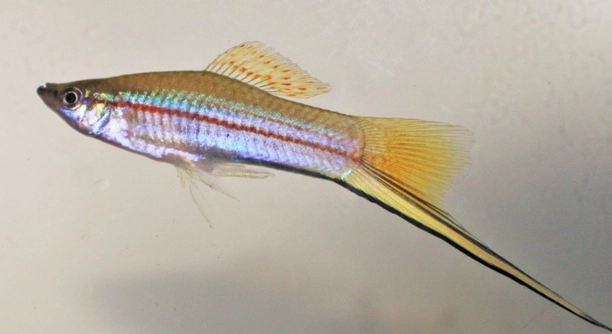
Swordtails are popular fish known for their active nature and colorful appearance. If you’re a fish owner, you may be wondering if these fish can learn to avoid fingers. Understanding their behavior can provide useful insights.
Swordtails are capable of associating certain stimuli with specific actions, such as avoiding fingers. While not as advanced as some species, they can learn through repetition and experience to avoid contact with human fingers in their environment.
This ability to learn is not just fascinating but also useful for creating a better aquarium experience for both you and your fish.
How Swordtails React to Their Environment
Swordtails are known for their quick movements and curious nature. They tend to explore their surroundings actively, reacting to changes and stimuli in their environment. This includes the presence of fingers, which can be seen as an intrusion in their space. Initially, swordtails may not show a strong response, but with time, they can learn to associate fingers with movement in the tank. The key to this behavior is consistency. When fish are repeatedly exposed to certain situations, they begin to adjust and adapt. This adaptation might involve staying away from fingers as they learn this behavior over time.
Though it may take some patience, swordtails are capable of understanding cause and effect. Repeated exposure to human fingers entering their tank, combined with consistent outcomes like avoidance or disturbance, leads them to develop this reaction. However, it is important to ensure the fish are not stressed by the interaction. Fish require a calm, stable environment to thrive.
It’s also helpful to note that swordtails are not necessarily avoiding fingers due to fear alone. They are sensitive to disruptions in their environment and may simply be trying to avoid any unnecessary changes. By observing their behavior over time, you can learn more about their preferences and how they react to human interaction.
Training Swordtails to Avoid Fingers
While swordtails can adapt to certain stimuli, training them requires patience and consistent interaction. Their responses may vary depending on their individual temperament and the frequency of exposure.
One method for encouraging avoidance of fingers involves using a gentle approach. Repeatedly placing a finger in the tank without causing any harm allows the fish to associate the presence of fingers with a neutral, non-threatening action. Over time, swordtails may begin to avoid the finger, as they recognize that no negative consequence follows its appearance. However, it is essential to avoid sudden or harsh movements, as this could cause unnecessary stress and hinder the process.
Additionally, providing a stress-free environment can further encourage this behavior. Swordtails are more likely to learn and adapt when they feel safe and comfortable in their habitat. By creating a space where they can thrive, you ensure they are more receptive to these learned behaviors.
By incorporating these techniques into their daily routine, swordtails can learn to avoid fingers effectively, enhancing the overall experience for both the fish and their owner.
Factors That Affect Swordtail Behavior
Swordtails are influenced by several factors, including tank conditions, water quality, and their overall health. A clean and stable environment encourages healthier behavior, which can affect how they interact with humans and their surroundings.
Temperature is one of the most important aspects of their habitat. Swordtails prefer water that is between 72°F and 78°F. If the water is too cold or too hot, they may become stressed, which can hinder their ability to learn or respond to external stimuli, such as fingers. A properly maintained tank encourages better behavior, helping the fish feel safe and less likely to react aggressively or avoid contact unnecessarily.
In addition to water conditions, the size and layout of the tank can play a role. A tank that is overcrowded or lacks hiding spaces can lead to stress. Swordtails are social fish, but overcrowding can make them feel trapped or threatened, thus impacting their interactions. A well-sized tank with enough plants or decorations provides them with comfort, which allows them to learn to avoid fingers without feeling threatened.
Why Some Swordtails Avoid Fingers More Than Others
Swordtails, like many fish, have individual personalities. Some may be more curious, while others are more cautious. This natural variation affects how they react to finger movements in their environment.
Some swordtails are naturally more skittish and prone to avoiding anything that enters their territory, including fingers. These fish might shy away at the slightest movement or disturbance. On the other hand, more adventurous swordtails may show less fear and could become more curious about human interaction, even swimming closer to fingers. Their temperament determines how they handle such stimuli.
Learning how your swordtail reacts will help you interact in a way that supports their natural behavior. Observing them over time allows you to understand their comfort levels and adjust your approach, ensuring a smoother relationship between you and your fish.
How to Encourage Swordtails to Avoid Fingers
Consistency is key. Gently placing your finger in the tank without sudden movements helps swordtails get used to your presence. Over time, they may learn to stay away from fingers naturally.
You can also use positive reinforcement, such as feeding them near your hand. This can help swordtails associate your presence with something positive and eventually avoid your finger without stress. Ensure that the finger movements are slow and calm to avoid startling them, and don’t force the interaction. Patience is essential for this process to be effective.
Common Mistakes to Avoid When Interacting with Swordtails
One common mistake is sudden or quick movements, which can frighten swordtails and cause them to avoid you altogether. Abrupt gestures may create a negative association with your presence, making them more likely to avoid fingers in the future.
Another mistake is neglecting tank maintenance. A dirty or unstable environment will stress the fish and prevent them from learning or adapting to interactions. Swordtails are more likely to respond to fingers positively when their environment is clean, safe, and properly maintained. Stress from poor water quality or overcrowding can lead to undesired behaviors, including avoidance of fingers.
Understanding Swordtail Body Language
Swordtail body language provides insight into their emotional state and comfort level. When they are calm, swordtails will swim gracefully and confidently around their tank. If they are stressed, you may notice them darting away or hiding in plants or corners.
Watching these movements can help you gauge how they are reacting to your finger. If they swim away or seem agitated, it’s a sign they are not yet comfortable. Adjust your approach accordingly, and always give them space to avoid causing undue stress.
FAQ
Can swordtails really learn to avoid fingers?
Yes, swordtails can learn to avoid fingers over time, especially if they are exposed to consistent, non-threatening interactions. They may not have the same learning capacity as some other animals, but they are capable of associating the appearance of fingers with certain behaviors. Repeated exposure in a calm, stable environment can lead them to avoid fingers, particularly if the fish feel safe and are not stressed.
How long does it take for swordtails to avoid fingers?
The time it takes for swordtails to learn to avoid fingers varies depending on the individual fish and its environment. Some swordtails may learn to avoid fingers in a few days, while others may take weeks. Factors like tank conditions, how often fingers are introduced, and the fish’s temperament can influence this timeline. Consistency and patience are key to helping swordtails learn this behavior.
Do swordtails get stressed easily?
Swordtails are relatively hardy fish, but they can become stressed by poor water conditions, overcrowding, or sudden changes in their environment. When stressed, they may exhibit behaviors such as hiding, darting around the tank, or avoiding interactions. Maintaining clean water and a comfortable tank setup can help reduce stress and allow swordtails to feel safe enough to learn and interact with their surroundings.
What should I do if my swordtail keeps avoiding my finger?
If your swordtail is avoiding your finger, it may be due to stress or an unfamiliarity with the interaction. Try to avoid sudden movements and give the fish time to adjust. You can also offer food near your hand to create a positive association with your presence. Over time, as the fish becomes more comfortable, it may start to approach your hand or avoid your finger less.
Are swordtails aggressive toward their owners?
Swordtails are generally not aggressive toward their owners. They are peaceful fish and tend to interact more with their tank mates than with humans. However, they can become defensive if they feel threatened or if their environment is not to their liking. If they are displaying aggression, it could be due to overcrowding, territorial disputes, or poor water conditions.
Can swordtails be trained to interact with me?
Swordtails are not as trainable as some other animals, but they can become accustomed to human interaction over time. They may learn to associate you with food or positive stimuli, leading them to approach you more often. With patience, they can be trained to avoid fingers or become more comfortable in the presence of humans, but they do not have the same level of response as more interactive pets like dogs or cats.
Why is my swordtail swimming in circles?
If your swordtail is swimming in circles, it may be stressed, bored, or experiencing water quality issues. Stress can cause erratic swimming, and swordtails may swim in circles as a sign of anxiety or discomfort. Ensure that the water conditions are optimal, with proper filtration and temperature, and provide enough space for the fish to swim comfortably. If the behavior continues, it may be a good idea to check for signs of illness or consult an aquarium expert.
How can I make my swordtail feel more comfortable in the tank?
To make your swordtail feel more comfortable, focus on creating a stable, stress-free environment. Maintain clean water with the right temperature, pH levels, and filtration. Provide enough space in the tank, and avoid overcrowding. Adding plants or decorations gives swordtails places to hide and feel secure. Avoid sudden movements or loud noises near the tank, as these can startle the fish and make them feel unsafe.
Do swordtails recognize their owners?
Swordtails may not recognize their owners in the way a dog or cat might, but they can become familiar with your presence. Over time, they may associate you with feeding time or positive experiences. They may swim toward the surface when they see you approach, expecting food or interaction. Swordtails are responsive to patterns and can learn to expect certain behaviors from their owners, even if they don’t have the same level of recognition as more domesticated pets.
What do I do if my swordtail seems sick or unhealthy?
If your swordtail seems sick or unhealthy, the first step is to assess the water quality and ensure the tank conditions are ideal. Look for signs of illness such as faded color, lethargy, or abnormal swimming patterns. If the water quality is good and the fish’s behavior remains abnormal, consider isolating the sick fish to prevent the spread of potential diseases. A visit to an aquarium expert or veterinarian who specializes in fish is also recommended for diagnosis and treatment.
Final Thoughts
Swordtails are interesting creatures with unique behaviors, and they can indeed learn to avoid fingers with time and patience. Understanding how they respond to their environment and the interaction with their owners is key to improving the relationship. Swordtails are not particularly aggressive, and with proper care, they can grow accustomed to human presence. Their natural instincts to avoid potential threats can be influenced by a calm and stable tank environment. This allows you to enjoy observing them without causing stress.
It’s important to create the right conditions in the tank for swordtails to feel comfortable. Consistent care, such as maintaining good water quality, providing enough space, and ensuring appropriate temperature levels, helps them adapt to their surroundings. Overcrowding and poor tank conditions can lead to stress, making it more difficult for swordtails to learn behaviors like avoiding fingers. Patience and understanding of their natural habits will help them feel secure in their home.
While swordtails may not form the same strong bond with humans as other pets, they can still learn to tolerate or even avoid interactions like finger movements. With time and positive reinforcement, swordtails can become accustomed to human presence in their tank. Recognizing their needs and adjusting your approach based on their behavior can lead to more successful interactions. By respecting their natural instincts and providing the proper care, you can foster a peaceful environment for both you and your swordtails.

Hello,
If you enjoy the content that we create, please consider saying a "Thank You!" by leaving a tip.
Every little bit helps us continue crafting quality advice that supports the health, happiness, and well-being of pets around the world, for pets of all shapes, sizes, and species.
We really appreciate the kindness and support that you show us!