
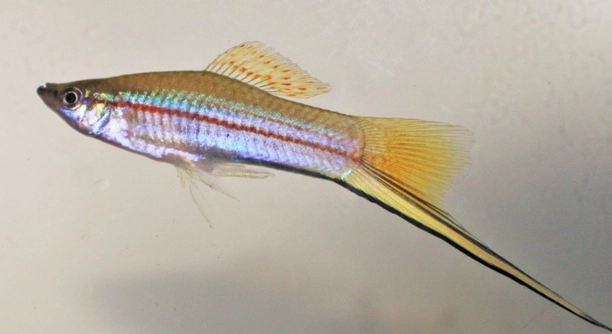
Are your swordtails swimming in murky water more often than you’d like? Maintaining a clean tank can feel overwhelming, especially when you are unsure how frequently it should be done to keep them healthy.
Swordtail tanks should be cleaned once a week, with partial water changes of 25–30% and debris removal. Full cleanings should be done monthly. Consistent tank maintenance supports optimal water quality, minimizes disease risk, and promotes a healthy environment.
Understanding the right cleaning schedule will help you maintain a stable habitat and enjoy watching your swordtails thrive in clear, fresh water.
Why Regular Cleaning Matters
Keeping your swordtail tank clean is more than just about looks. Waste builds up quickly, especially with active fish like swordtails. Uneaten food, decaying plants, and fish waste all contribute to rising ammonia and nitrate levels. When left unchecked, poor water quality can weaken immune systems and lead to sickness. Weekly maintenance helps keep these elements in balance. A stable and clean environment also supports healthy breeding and active behavior. Swordtails are hardy, but that doesn’t mean they can thrive in neglect. Routine care ensures that filtration systems function properly and algae growth stays under control. It also reduces the risk of unexpected tank issues. Taking time each week to check the water condition and remove buildup can go a long way. The goal is to make the environment predictable and comfortable for the fish. Once it becomes a habit, this upkeep doesn’t feel like a chore.
Skip a cleaning, and you may start noticing cloudy water and strange fish behavior. These are warning signs of a system under stress.
When you perform water changes regularly, you help stabilize pH, ammonia, nitrite, and nitrate levels. These factors directly affect your swordtails’ energy, color, and ability to grow and reproduce properly.
How to Clean the Tank Properly
Start by preparing fresh dechlorinated water, matching the temperature of the tank to avoid shocking the fish. Remove 25–30% of the tank water using a siphon, making sure to vacuum the substrate gently to remove uneaten food and waste. Be careful not to disturb your swordtails too much in the process. Next, clean the glass using an algae scraper and rinse any decorations with tank water to avoid killing beneficial bacteria. Do not use soap. If your filter is dirty, rinse only the sponge part in a bucket of tank water to maintain its bacteria colony. Replace or clean filter media according to the manufacturer’s recommendation. Always observe your fish after cleaning for any unusual behavior, which could indicate a problem. Consistency helps your fish adapt, so try cleaning on the same day each week. Keep a simple log if it helps you stay on track. These basic steps are enough to keep things running smoothly without making the process overwhelming.
How Often to Clean Different Tank Parts
The substrate should be cleaned weekly using a gravel vacuum to remove trapped debris. Decorations and artificial plants can be rinsed every two weeks. Filter media needs attention once a month, depending on the brand and condition.
For the substrate, a weekly vacuuming session prevents the buildup of decaying matter. Waste easily settles at the bottom, especially under decorations or in corners. Moving slowly with the siphon helps remove dirt without disturbing the fish too much. If the tank is lightly stocked, you might do this every ten days instead. Check the gravel condition during each cleaning, as heavily soiled areas can affect water quality quickly. Aim for consistency to avoid large fluctuations in the tank’s parameters. This part of maintenance usually takes the most time, but regular cleaning keeps the tank looking fresh and safe for your swordtails.
Filter care is slightly different. While you shouldn’t clean it too often, neglecting it entirely is risky. Once a month is a good rule. Rinse mechanical sponges in tank water to remove trapped waste without killing helpful bacteria. Don’t change all media at once, or you may lose essential filtration. Biological media rarely needs replacing, and chemical media like carbon should be changed based on its lifespan. A clogged filter reduces water flow and may cause stress in fish. Keep an eye on noise or water movement as signs of when cleaning is needed. Routine filter care supports everything else you do in the tank.
What to Watch For After Cleaning
Swordtails may hide or act nervous for a short time after a water change. This is normal and usually fades within a few hours. Watch for signs like clamped fins or rapid breathing, which may suggest stress or water imbalance.
If your fish continue to act strange for more than a few hours, test the water. Look at pH, ammonia, nitrites, and nitrates. Any sudden change in water chemistry can affect swordtails quickly. It’s best to keep the temperature stable and avoid cleaning everything all at once. Stress after cleaning usually passes, but if it doesn’t, take a closer look at your methods. Did you dechlorinate the water? Was the new water close to the tank’s temperature? Did you stir up too much debris during vacuuming? These are small things but can have a big impact. Careful cleaning should never leave your fish worse off.
After each cleaning, it helps to observe your tank for at least 15 minutes. Watch how the fish swim and interact. Swordtails are active and should return to their usual patterns quickly. If they avoid one area of the tank, check for sharp edges or leftover debris. Bubbles on the surface should fade as the tank settles. If your filter seems weaker, it may need a better rinse or part replacement. Pay attention to the clarity of the water over the next day. If it becomes cloudy, test the water again. This simple check-in ensures your cleaning routine is actually helping, not harming.
Cleaning Tips for Busy Schedules
If you’re short on time, break up tasks. Do a quick five-minute spot clean midweek, then a full water change on the weekend. This keeps things manageable without skipping necessary maintenance.
Use a small checklist to stay organized. Focus on one area per cleaning session—gravel one day, decorations another. It helps prevent burnout.
Mistakes to Avoid When Cleaning
Avoid using soap or detergents when cleaning anything from the tank. Even trace amounts can harm your fish. Stick to warm water or tank water for rinsing. Also, don’t replace all filter media at once—it removes beneficial bacteria that your tank needs. Sudden changes in temperature or pH can shock swordtails, so make sure new water matches the tank conditions closely. Finally, avoid over-cleaning. Some algae and biofilm are part of a healthy setup. Too much cleaning can upset the balance and make it harder for fish to adjust.
Signs It’s Time to Clean
If the water starts to smell or look cloudy, it’s probably overdue. Floating waste, algae buildup, or fish acting stressed are also clear signs. Clean right away to avoid worsening conditions.
FAQ
How often should I do water changes in a swordtail tank?
Water changes should be done once a week, with around 25–30% of the water replaced. This helps maintain stable water parameters and removes excess waste. In heavily stocked tanks, you might need to increase this to twice a week. Always use a water conditioner if you’re adding tap water.
Can I skip a week if everything looks fine?
It’s best not to skip water changes even if the tank looks clean. Waste can still build up without being visible, and water parameters may slowly shift. Regular changes prevent sudden problems and keep your swordtails healthy over time.
Do I need to remove the fish when cleaning the tank?
No, swordtails can stay in the tank during cleaning. Just be gentle and move slowly when using the gravel vacuum or cleaning decorations. Avoid stirring up too much debris at once, which can stress the fish.
How do I clean the tank glass without harming my fish?
Use an algae scraper or magnetic cleaner designed for aquariums. Avoid using household sponges or products with chemicals. Clean inside the glass during water changes, so any loosened debris gets removed during the siphoning process.
What’s the best time of day to clean the tank?
Clean the tank during the day when the lights are on, as swordtails are more active and alert. Avoid cleaning right after feeding or at night when they’re winding down. A consistent routine helps fish adjust more easily to disturbance.
How do I know if my filter needs cleaning?
Check the water flow. If the filter seems weaker or is making more noise, it’s time for a rinse. Remove the media and gently swish it in tank water. Never use tap water, as it can kill beneficial bacteria.
Should I clean everything in the tank at once?
No, clean different parts on different days if possible. This keeps the beneficial bacteria stable and reduces stress for your fish. You might do gravel and decorations one day and the filter a few days later.
Is it okay to remove decorations while cleaning?
Yes, you can remove decorations and artificial plants to rinse off algae or debris. Use old tank water or dechlorinated water. Be sure to place them back in the same spot to avoid disrupting territorial fish.
How long should cleaning a swordtail tank take?
A regular weekly cleaning should take about 20 to 30 minutes. This includes a water change, gravel vacuuming, glass wiping, and quick checks of the filter and equipment. Breaking tasks up into smaller chunks can help when time is tight.
What temperature should the new water be?
New water should be close to the tank’s current temperature—around 72–82°F (22–28°C) for swordtails. Sudden temperature shifts can shock the fish. Use a thermometer if you’re unsure, and let the water sit for a bit if needed.
Do swordtails react badly to cleaning?
They might act shy or hide right after, but this is normal. As long as the water conditions remain stable, they’ll bounce back within a few hours. If they seem sluggish or off-color for longer, test the water immediately.
Can I clean the tank more than once a week?
Yes, if your tank gets dirty fast or is overcrowded, more frequent cleanings can help. Just avoid overdoing it or removing too much beneficial bacteria. Keep each session short and focused to avoid stressing your fish.
Why is my tank cloudy after cleaning?
Cloudiness can come from stirred-up debris or a bacterial bloom caused by disturbed media. Make sure you’re not overcleaning or replacing too much water at once. If it doesn’t clear in a day or two, test your water.
What’s the easiest way to stay consistent with cleaning?
Set a reminder or keep a simple calendar. Doing the same tasks on the same day each week helps form a routine. Keeping supplies nearby also makes it quicker and easier to clean without putting it off.
Final Thoughts
Keeping a swordtail tank clean is not difficult once you find a routine that works for you. Regular care makes a big difference in the health and appearance of your aquarium. Weekly water changes, occasional deep cleaning, and daily checks help keep the environment stable and comfortable for your fish. It’s normal to feel unsure at first, but over time, these tasks become easier and quicker. Starting with the basics and being consistent is more important than doing everything perfectly right away.
Clean water helps prevent common problems like stress, disease, and poor water quality. Swordtails are active and hardy, but they still need good conditions to stay healthy. Waste buildup, uneaten food, and poor filtration can affect their behavior and appearance. A tank that’s cleaned too little or too much can both cause issues. The goal is to keep a balance between cleanliness and stability. Using the right tools, like a gravel vacuum or algae scraper, can make cleaning more efficient without disturbing the fish.
Each tank setup is a little different, so pay attention to what works best in your situation. Factors like tank size, number of fish, and filtration will affect how often you need to clean. If you notice signs like cloudy water, algae growth, or unusual behavior, it may be time to adjust your cleaning routine. Keep a small notebook or checklist if that helps you stay on track. With time and care, maintaining a clean tank becomes part of your regular routine. Your swordtails will thrive in a stable, well-kept environment.

Hello,
If you enjoy the content that we create, please consider saying a "Thank You!" by leaving a tip.
Every little bit helps us continue crafting quality advice that supports the health, happiness, and well-being of pets around the world, for pets of all shapes, sizes, and species.
We really appreciate the kindness and support that you show us!