
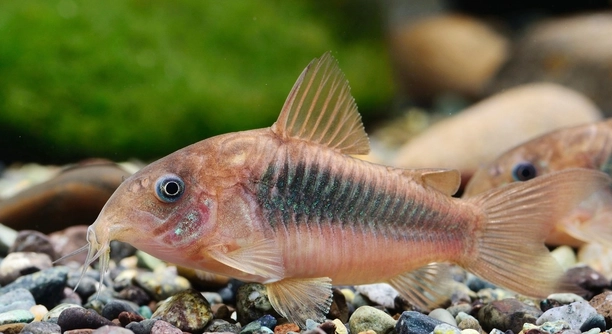
Are your Corydoras catfish acting a little different since moving into their new home? These peaceful bottom-dwellers need time to settle, and noticing the right signs can offer reassurance during the adjustment period.
Corydoras catfish show they are adjusting well by displaying normal activity levels, eating regularly, interacting peacefully with tankmates, exploring their environment, and maintaining clear eyes, smooth fins, and steady breathing.
From the way they swim to how they rest, each behavior tells a small part of their story as they grow comfortable in your care.
They Explore the Tank Confidently
When Corydoras catfish are adjusting well, they begin exploring all areas of the tank instead of hiding. You may notice them swimming along the bottom, sifting through the substrate, and occasionally darting to the surface. This kind of activity shows they feel secure in their new surroundings. If they are consistently active during their usual hours and not just lying still in one corner, it’s a good sign they are comfortable. It also means they are not stressed by tankmates, lighting, or water conditions. Keep in mind, Corydoras are naturally curious and social, so movement and group interaction often mean they are feeling at ease. Watching them swim around plants, decorations, and tank walls shows they are getting used to their space. Giving them plenty of hiding spots and a soft substrate encourages this behavior and helps them adjust even faster.
Quiet, shy behavior is normal at first. But steady activity over time is what matters most.
Once your Corydoras start moving freely around the tank without darting away or hiding for long periods, it’s a solid indicator of progress. If their movements seem relaxed and they occasionally swim in small groups, this means they trust their environment and aren’t reacting to potential threats or stress.
They Eat Without Hesitation
A healthy appetite is one of the clearest signs your Corydoras are adjusting well.
Corydoras that feel comfortable will show interest in food soon after being introduced to the tank. If they ignore meals at first, that’s normal. However, within a few days, they should begin to respond to feeding time, especially if you’re using food they are familiar with like sinking pellets or frozen bloodworms. If you notice them foraging the bottom or gently nudging food around with their barbels, that’s a great sign. Eating consistently shows they’re not stressed and their digestive system is functioning properly. Make sure food is reaching them, especially if they’re housed with faster eaters. It helps to feed during quieter times and keep an eye out for any signs of uneaten food, which could affect water quality. Healthy eating habits also mean their immune system is likely stable, reducing the risk of illness. This behavior is one of the most encouraging signs of adjustment.
They Interact Peacefully with Tankmates
Corydoras that feel settled often swim calmly alongside other fish. They rarely act aggressive and typically avoid conflict. If they’re schooling together or sharing space without signs of stress, it means they feel secure and are adjusting well.
Aggressive or nervous behavior can be a sign something’s wrong. But when Corydoras peacefully swim in small groups, occasionally brushing against each other or foraging side by side, it shows social comfort. They are naturally gentle and enjoy being in the company of their own kind. Watching them swim in loose formations or rest in a group is a positive signal. Make sure their tankmates are also peaceful and not chasing or competing too hard for food. Calm, regular interaction without fear or tension supports overall health and comfort. If they scatter or stay hidden often, it’s worth checking if something in the tank is bothering them.
Peaceful behavior reflects more than mood—it often tells you how well the whole tank environment is working. If your Corydoras are active, not hiding, and freely interacting with their surroundings and tankmates, you’ve likely created a good home for them. Watch for small changes in their group behavior, as they’re often the first clues when something is off.
Their Appearance Remains Consistent
When Corydoras are adjusting well, their color stays bright, and their eyes are clear. Fins remain smooth and unfrayed. These small visual cues are signs they’re not feeling threatened or stressed. Healthy appearance usually means good water quality and proper nutrition too.
Faded colors or damaged fins can be signs of stress or illness. If your Corydoras look as vibrant as they did when you first brought them home—or even brighter—that’s a strong indication they’re comfortable. Watch for shiny, reflective scales and the absence of white patches or ragged fins. Consistency in appearance means the environment is stable. Changes can happen fast, so regular observation is important. When fish look good and act normal, things are usually on the right track. Clean water, a balanced diet, and steady tank conditions all support this. Appearance often reflects what’s happening inside the tank before other symptoms show up.
Their Breathing Is Steady
Corydoras that breathe calmly are usually doing well. You’ll notice slow, steady gill movement while they rest or swim. Rapid breathing can point to stress, poor water quality, or low oxygen. Normal breathing shows they’re comfortable with their surroundings.
If you see them rushing to the surface often, something may be off. Occasional surfacing is fine, but frequent gasping might mean there’s not enough oxygen in the water. A well-adjusted Corydoras will breathe easily and stay mostly at the bottom where they prefer to be.
They Rest Comfortably in the Open
Well-adjusted Corydoras often rest in the open without hiding constantly. While they still appreciate cover, they shouldn’t spend all day under decorations or behind plants. If they nap out in the open or stay near others during quiet moments, they likely feel safe. This behavior is especially common in small groups. You may see them lying still for a few minutes, sometimes slightly overlapping with their group mates. Comfortable resting spots signal they’re relaxed and not afraid of the environment. Too much hiding or restlessness can signal discomfort or stress. Gentle, still resting is a very good sign.
Their Movements Are Smooth
Corydoras that feel safe move with ease. Their swimming looks smooth and controlled, without darting or frantic behavior. This calm movement tells you they aren’t reacting to fear, sudden changes, or discomfort in their tank.
FAQ
What should I do if my Corydoras aren’t eating?
If your Corydoras aren’t eating, it could be due to stress, water quality issues, or unfamiliar food. First, check the water parameters (pH, ammonia, nitrites, and nitrates) to make sure they’re within safe ranges. Corydoras are bottom feeders and may take time to adjust to new surroundings, so try offering a variety of foods like sinking pellets, bloodworms, or brine shrimp to entice them. Avoid overfeeding, as uneaten food can pollute the tank. If they’re still not eating after a few days, consider reducing tank stress by dimming the lights, providing more hiding spaces, or checking the tankmates for aggression.
How can I tell if my Corydoras are stressed?
Stressed Corydoras often exhibit signs like erratic swimming, hiding excessively, rapid gill movement, or darting to the surface for air. If they seem more restless than usual, check for any changes in the tank environment—this could include shifts in temperature, water quality, or tankmates. A stressed fish may also refuse food or display a dull appearance. It’s important to address stress immediately, as prolonged stress can lead to illness. Ensure the tank is calm and well-maintained to help your Corydoras feel secure again.
Can Corydoras live with other fish?
Yes, Corydoras are peaceful fish and get along well with most other species, especially those that are calm and non-aggressive. However, avoid keeping them with fin-nipping species or overly active fish that might stress them out. Corydoras tend to stay at the bottom of the tank, so it’s best to have tankmates that stay in the middle or upper water levels. Ensure that the other fish are not too large or fast to outcompete them for food.
How can I help my Corydoras adjust to a new tank?
Helping your Corydoras adjust to a new tank involves maintaining good water quality, ensuring a soft substrate for them to dig in, and offering plenty of hiding spots. When you first introduce them, minimize disruptions in the tank, such as loud noises or sudden lighting changes. Allow them to get used to the environment gradually. Give them time to explore and feel safe. Keep the lights dim for the first few days and feed them soft foods. Make sure the tank temperature and pH are stable, as drastic changes can cause stress.
Do Corydoras need a specific type of substrate?
Corydoras do best with a soft, sandy substrate rather than gravel, as it prevents damage to their sensitive barbels while they forage. Sand also allows them to sift through the substrate, which is a natural behavior for them. Gravel can cause injury over time if it’s sharp or if they dig through it. If you prefer gravel, ensure the pieces are smooth and rounded. Provide a mix of sand and plants to give them the environment they need to thrive.
Why do my Corydoras swim to the surface?
Occasional swimming to the surface is normal for Corydoras, as they will gulp air at the water’s surface for additional oxygen. However, frequent surfacing can be a sign of low oxygen levels or poor water quality. If this behavior happens often, check the filtration system to ensure it’s working properly and test the water for excess nitrates or ammonia. Adding aeration or increasing water flow can also help increase oxygen levels.
How many Corydoras should I keep together?
Corydoras are social fish and prefer to be kept in groups of at least three or more. Keeping them in small groups helps reduce stress and encourages natural behaviors, such as swimming and foraging together. A larger group also ensures that they feel secure in their environment. When kept alone or in very small numbers, Corydoras can become lonely and stressed, which can lead to health problems. Aim for 6-8 Corydoras in a medium to large tank for the best results.
Can Corydoras live with shrimp?
Yes, Corydoras can live with shrimp in most cases. Since they are bottom dwellers, Corydoras typically won’t bother shrimp. However, it’s essential to ensure that the shrimp species you’re keeping are compatible in size and temperament. Some larger species of Corydoras may accidentally disturb shrimp during foraging. If you have baby shrimp or small species, be mindful that Corydoras might unintentionally eat them, especially during their first few days in the tank.
Why are my Corydoras hiding all the time?
Hiding is common for Corydoras during the first few days after being introduced to a new tank, as they need time to adjust to their new environment. If they are still hiding frequently after this period, check the water conditions and ensure there are no stressors like aggressive tankmates or inadequate water temperature. Corydoras are also known to hide when the lights are on or when they are feeling unwell. Make sure there are plenty of hiding spots for them to retreat to if needed, but they should eventually start to explore more.
What should I do if my Corydoras have torn fins?
Torn fins in Corydoras can be caused by tankmates, poor water quality, or rough decorations. If your Corydoras’ fins are damaged, check the tank for sharp objects like rocks or rough plants that may be causing injury. It’s also a good idea to test water parameters to rule out any stress factors. Isolate any aggressive tankmates and ensure the Corydoras are in a peaceful, well-maintained environment. Fins usually heal over time, but if damage is severe or the fish seems stressed, consider adding aquarium salt (following dosage instructions) to promote healing.
How often should I feed my Corydoras?
Corydoras should be fed once or twice a day, depending on their age and size. They’re bottom feeders and prefer sinking foods, such as sinking pellets or frozen food like bloodworms or brine shrimp. Offer small portions to prevent overfeeding and ensure the food reaches the bottom of the tank. Overfeeding can lead to poor water quality and health problems, so make sure all food is eaten within a few minutes. If you have multiple Corydoras, ensure they have enough time to eat without competition from other fish.
Final Thoughts
Corydoras catfish are generally hardy and adaptable fish, but like all pets, they require the right care and attention to thrive in their new environment. Watching your Corydoras adjust to their tank is a rewarding experience. The key to their well-being lies in providing a stable and safe environment. Proper water conditions, a comfortable substrate, and peaceful tankmates are essential to helping them feel secure. As bottom dwellers, they also need a tank that mimics their natural habitat, so a soft, sandy substrate and hiding places will help them feel at home.
It’s important to remember that the signs of a Corydoras’ successful adjustment don’t always appear immediately. New fish may be shy or hesitant for a few days as they get used to the tank. However, over time, you should notice them swimming more confidently, interacting peacefully with other fish, and eating regularly. Their physical condition, like clear eyes, smooth fins, and consistent color, also indicates they are adjusting well. Monitoring these behaviors will help you determine if your fish are happy and healthy. If you notice anything unusual, it’s always worth checking the water parameters and the behavior of any tankmates.
Lastly, remember that Corydoras are social creatures. They thrive in groups, so providing them with companions will help them feel more comfortable and less stressed. Keeping your Corydoras in a peaceful, well-maintained tank is the best way to ensure they live a long and healthy life. Regular water changes, appropriate feeding, and consistent care are vital to their happiness. Whether you are new to keeping Corydoras or have had them for a while, these fish can be a joy to observe as they settle into their new home. With a little time and attention, your Corydoras will show you the signs of a well-adjusted, content fish.

Hello,
If you enjoy the content that we create, please consider saying a "Thank You!" by leaving a tip.
Every little bit helps us continue crafting quality advice that supports the health, happiness, and well-being of pets around the world, for pets of all shapes, sizes, and species.
We really appreciate the kindness and support that you show us!