
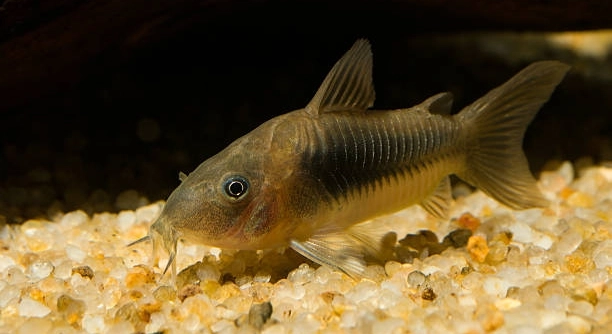
Corydoras catfish are known for their shy behavior, often hiding in tanks. If you’re struggling to get them to come out, there are several strategies you can try. Understanding their needs is key to encouraging them to explore.
Encouraging Corydoras catfish to come out of hiding can be achieved by creating a calm and stimulating environment. This includes providing hiding spots, maintaining stable water conditions, and offering appropriate food at the right times.
By making small adjustments to their surroundings, your Corydoras catfish will feel more comfortable and likely show themselves more often. Keep reading to discover simple steps that can make a big difference in their behavior.
Provide Plenty of Hiding Spots
Corydoras catfish are naturally shy creatures that enjoy retreating to safe spots. In a tank, they feel more comfortable if they have places to hide, like caves, plants, or decorations. This gives them the sense of security they need to feel safe and confident. If your tank lacks these hiding areas, your catfish may stay hidden for long periods. Adding small caves, rocks, or dense plants can make a significant difference. Remember, they are bottom dwellers, so providing hiding spaces on the substrate is essential. A well-decorated tank with plenty of nooks and crannies will encourage them to venture out more.
A tank that mimics their natural habitat will help Corydoras feel more at ease. The presence of hiding spots in the tank can reduce stress and allow them to explore confidently.
By giving your Corydoras catfish a place to retreat, you make them feel secure. They’ll be more likely to come out and enjoy the tank once they know there are safe areas to go to if needed. This simple change can result in a more active catfish in your aquarium.
Maintain Stable Water Conditions
Corydoras are sensitive to water changes. If the water conditions in your tank fluctuate too much, your catfish may remain hidden. Keeping the water temperature steady and the pH within their preferred range will help them feel more secure.
Stable water conditions reduce stress and encourage your catfish to explore the tank more often. Inconsistent temperatures or water quality can cause them to retreat and hide. Keep a regular schedule for water changes and monitor the water parameters closely. This will create an environment where your Corydoras can thrive.
When water conditions remain stable, Corydoras feel more comfortable swimming around. They are naturally sensitive to poor water quality, so maintaining a clean tank is crucial. Regular water changes and consistent filtration are key factors in keeping your Corydoras active and healthy. They need the right environment to come out and explore freely.
Offer a Varied Diet
Corydoras catfish are not picky eaters but will appreciate a varied diet. Offering a mix of dry pellets, frozen foods, and live options like worms or brine shrimp encourages exploration. A balanced diet helps keep them healthy and encourages activity. It also prevents them from staying hidden due to hunger or boredom.
Their natural behavior involves foraging on the bottom of the tank, so placing food near their usual resting spots will help them feel more comfortable. Use sinking pellets or food that reaches the substrate easily. Offering food at the same time each day will help establish a routine, making your Corydoras more confident in coming out for their meals.
Feeding them different types of food gives them the stimulation they need to leave their hiding spots. It also ensures they are getting all the nutrients necessary for their health. The right foods can encourage them to be more active and curious about their environment, helping them feel safe enough to explore their tank.
Minimize Tank Disturbances
Corydoras are easily stressed by sudden movements or loud noises. Avoid tapping on the glass or making abrupt changes to their environment. This will help keep your catfish feeling safe and secure. Reducing disturbances in the tank is key to encouraging them to venture out.
Set up your tank in a quiet area away from busy activity to prevent unwanted noise. Sudden changes, like adding or removing equipment, can also cause your Corydoras to retreat into hiding. If you need to move things around, do so gradually and with minimal disruption.
A calm tank environment promotes trust, and once your Corydoras catfish feel more comfortable, they’ll begin to explore more often. Being gentle and patient is essential when handling them or making any changes. Keeping noise levels down is one of the easiest ways to help your Corydoras feel safe enough to swim freely throughout the tank.
Keep the Lighting Soft
Corydoras are sensitive to bright lights. Harsh lighting can make them feel exposed and more likely to hide. Using soft, subdued lighting will help them feel more comfortable. It’s best to avoid direct overhead lighting and opt for ambient light to create a calm atmosphere in the tank.
Dim lighting mimics their natural habitat, where light is typically filtered through water. A softer setup will encourage your Corydoras to swim out more frequently. Using aquarium lights with adjustable brightness settings gives you control over the light intensity, allowing you to find a balance that keeps your fish active and comfortable.
Use Tank Mates that Won’t Disturb Them
Aggressive or overly active tank mates can stress Corydoras and cause them to stay hidden. Choosing peaceful, non-competitive species will reduce anxiety and encourage your catfish to come out. They thrive in calm environments and do best with other gentle fish.
When adding new fish to your tank, research their temperament and behavior. Corydoras feel safest when they are not being chased or intimidated. Adding peaceful tank mates, like other bottom dwellers or smaller fish, will allow your Corydoras to feel more secure. If they are constantly being harassed, they will retreat to their hiding spots for comfort.
FAQ
Why do my Corydoras catfish hide so much?
Corydoras catfish are naturally shy creatures, and they feel safest when they have a place to retreat. Hiding is part of their instinct to protect themselves from potential threats. It’s important to provide a tank setup that offers hiding spots and minimizes stress. Factors like water conditions, tank mates, and lighting can also influence how much they hide. If they are constantly hidden, it might be due to stress, poor water quality, or a lack of security in their environment.
How can I make my Corydoras feel more comfortable?
To help your Corydoras feel more comfortable, focus on creating a peaceful environment. Provide plenty of hiding spots like caves, plants, and other decorations. Keeping the water quality stable, with proper filtration and regular water changes, is also important. Additionally, avoid sudden movements or loud noises around the tank, as these can cause stress. If possible, add gentle tank mates that won’t disturb your catfish. Soft lighting and a stable temperature will also help them feel safe and secure.
Do Corydoras need a specific type of food?
Corydoras are bottom-feeding fish, and they eat a variety of foods. Providing a balanced diet is crucial. You can offer sinking pellets, frozen foods like bloodworms, or live foods like brine shrimp. Make sure the food reaches the substrate where they feed. You can also add occasional treats like earthworms or shrimp to provide variety. Consistency in feeding times helps them build a routine, making them feel more confident in coming out of hiding.
How do I know if my Corydoras are stressed?
Stress in Corydoras can be identified by a few signs. If they are constantly hiding, swimming erratically, or rubbing against objects in the tank, it might indicate stress. Stress can also cause them to lose their appetite, become less active, or even develop skin problems. Factors like poor water quality, inappropriate tank mates, or sudden changes in their environment can lead to stress. If you notice these signs, it’s important to assess and correct the conditions in the tank to reduce their stress levels.
Can Corydoras live with other fish?
Yes, Corydoras can live with other fish, but it’s important to choose peaceful tank mates. They do well with other non-aggressive fish, especially those that occupy different parts of the tank. Avoid adding large or overly active species that might intimidate or disturb them. Smaller fish like tetras, guppies, or peaceful bottom dwellers work well with Corydoras. Always make sure that the tank mates are compatible to prevent any stress or hiding behavior caused by bullying.
Why is my Corydoras not eating?
If your Corydoras isn’t eating, it could be due to a number of reasons. First, check the water quality, as poor conditions can affect their appetite. Make sure the temperature, pH, and other water parameters are within their preferred range. If the water is unstable, it may cause your Corydoras to hide and refuse food. Stress, illness, or incompatible tank mates might also be causing them to avoid food. It’s important to remove any uneaten food after a few hours to maintain tank cleanliness and avoid water quality issues.
How often should I feed my Corydoras catfish?
Corydoras should be fed once or twice a day. It’s important not to overfeed them, as excess food can pollute the water and cause health issues. Offer only as much food as they can consume in a few minutes. Since they are bottom dwellers, use sinking pellets or food that can easily reach the substrate. Feeding them at the same time every day will help establish a routine and make them more comfortable in the tank.
Can Corydoras catfish live without a filter?
While Corydoras can technically survive in an aquarium without a filter, it’s not recommended. Filters help maintain water quality by removing excess debris, waste, and toxins. Without a filter, water can quickly become polluted, which can cause health problems for your fish. If you choose to keep Corydoras without a filter, you’ll need to perform regular water changes and closely monitor water quality to ensure they stay healthy.
What type of tank setup do Corydoras prefer?
Corydoras prefer a tank with a soft substrate, like sand or fine gravel, as it’s gentler on their sensitive barbels. A well-planted tank with plenty of hiding spots like caves and rocks mimics their natural environment and makes them feel secure. Corydoras are also bottom dwellers, so the substrate should be clean and easy to forage through. Keep the tank free of sharp objects that could damage their barbels. Proper filtration and a steady temperature are essential to keep them comfortable and active.
How can I encourage my Corydoras to come out at night?
Corydoras are generally more active at night or during low-light conditions. If your catfish are hiding during the day, try dimming the lights in the evening. A softer light will mimic their natural environment, where they often forage during dusk or night. Make sure there are enough food sources near the bottom of the tank so they feel safe and motivated to come out. Avoid disturbing them at night, as sudden movements can stress them out and cause them to retreat back into hiding.
Final Thoughts
Encouraging Corydoras catfish to come out of hiding can take some time and patience, but with the right approach, it’s definitely achievable. These catfish are naturally shy creatures, and they tend to feel safest in areas where they have places to hide. Ensuring that your tank has enough hiding spots, such as caves, plants, or other decorations, will help your Corydoras feel more secure. The more comfortable they feel, the more likely they will be to venture out and explore. Providing a suitable environment that mimics their natural habitat will help them thrive and be more active.
Water quality is another important factor to consider. Corydoras are sensitive to changes in their environment, and poor water conditions can cause them stress, leading to hiding behavior. Keeping the water temperature stable, monitoring pH levels, and performing regular water changes will create a healthier, more comfortable space for them. A good filtration system is essential for maintaining clean water, which directly impacts the activity level and overall health of your Corydoras. If the water conditions are right, your fish will feel safer and more confident swimming around.
Lastly, patience is key when trying to get your Corydoras to come out of hiding. Fish behavior is often influenced by the conditions around them, and it may take a little while for your catfish to adjust. Keeping the tank quiet, minimizing disturbances, and maintaining a peaceful environment will go a long way in making your Corydoras feel more comfortable. Once you’ve addressed their basic needs and given them the time to acclimate, they’ll be more likely to leave their hiding spots and actively explore their home.

Hello,
If you enjoy the content that we create, please consider saying a "Thank You!" by leaving a tip.
Every little bit helps us continue crafting quality advice that supports the health, happiness, and well-being of pets around the world, for pets of all shapes, sizes, and species.
We really appreciate the kindness and support that you show us!