
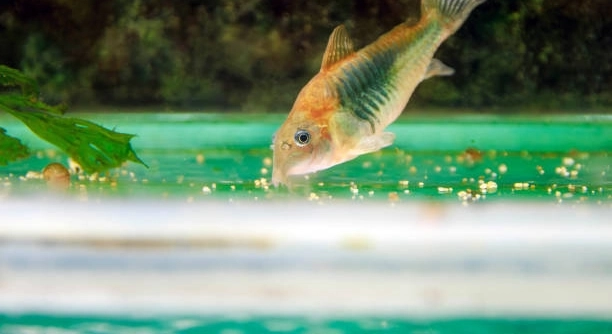
Corydoras catfish are popular among aquarium owners due to their peaceful nature and unique behavior. If you’ve noticed your corydoras spending most of its time at the bottom, you’re not alone. This article will explore the reasons behind this behavior.
Corydoras catfish naturally prefer staying near the bottom of the tank due to their scavenger instincts. They are bottom-dwelling fish, and their behavior is linked to their need for food, comfort, and social interaction within their environment.
Understanding the reasons for this behavior can help you ensure a better and more comfortable environment for your corydoras. We’ll cover seven factors that might explain why your catfish is always at the bottom.
The Natural Behavior of Corydoras Catfish
Corydoras catfish are naturally bottom-dwelling fish, which is part of their instinctive behavior. These catfish have a specialized body shape and barbels (whisker-like appendages) that help them scavenge the substrate for food. They spend most of their time searching for small bits of food like uneaten flakes, algae, and detritus at the bottom of the aquarium. This instinctual foraging behavior is completely normal and part of their natural habitat.
They are peaceful and social creatures that thrive in groups. Being at the bottom also allows them to avoid larger, more aggressive fish. Corydoras catfish are constantly searching for food or exploring their environment, and the bottom of the tank provides them with a sense of security.
While this behavior is expected, there may be other factors influencing how much time they spend at the bottom. If you notice any changes in your fish’s behavior, it’s worth considering these other possibilities as well.
Water Quality and Conditions
Water quality plays a big role in the behavior of corydoras. If the water in your tank isn’t ideal, your fish might choose to stay at the bottom more often. Corydoras are sensitive to poor water conditions, and if the water is too warm, too cold, or has high levels of ammonia or nitrate, your catfish will retreat to the bottom. They may feel stressed or unwell and avoid swimming around.
To ensure the best environment for your fish, regular water changes and proper filtration are essential. Keep an eye on the temperature and pH levels as well, as any deviation from their preferred range can impact their behavior. Corydoras generally prefer a temperature range of 72–78°F (22–25°C) and a slightly acidic to neutral pH of 6.0–7.5.
If your catfish is always on the bottom, take a moment to test your tank’s water quality. You might be surprised how much the water’s condition can influence their behavior. Regular testing and monitoring can ensure your corydoras stay healthy and active.
Social Interaction with Other Fish
Corydoras catfish are social animals that do best in groups. If you have a single corydoras, it might feel lonely or stressed, which can cause it to stay at the bottom more than usual. Corydoras prefer to be in groups of at least 3-5 individuals. In a group, they feel more secure, and their natural behavior of foraging and exploring can be seen more often.
When kept alone, corydoras may not exhibit the same active, curious behavior as they would in a group. They may seem less energetic and spend more time resting at the bottom of the tank. A lack of social interaction can also affect their overall health.
To help your corydoras feel at ease, consider adding more of their kind to the tank. They will enjoy the company and their behavior will become more typical. By creating a comfortable environment with other corydoras, you’ll see your fish become more lively and interactive.
Tank Size and Space
Sometimes, the size of the tank can influence how much time your corydoras spends at the bottom. Corydoras are small fish that require adequate space to move around freely. If the tank is too small, they may feel cramped and more likely to stay at the bottom, where they can find a sense of security.
A small tank with limited space can lead to stress and decreased activity. Additionally, a crowded tank with too many fish may increase competition for food and shelter, causing your corydoras to stay near the substrate for safety.
To give your corydoras a comfortable environment, make sure the tank is large enough. A tank size of at least 20 gallons is ideal for a small group of corydoras. With enough space to swim, explore, and forage, your fish will likely spend more time in the water column rather than just on the bottom. Proper tank size is an easy way to promote active and healthy behavior in your corydoras.
Water Temperature
Corydoras are highly sensitive to changes in water temperature. When the water is too cold or too warm, they may retreat to the bottom. These fish prefer a stable environment with temperatures between 72°F and 78°F (22°C to 25°C). If the water is too cold, they will become lethargic and spend more time at the bottom, as they cannot swim as efficiently.
On the other hand, if the temperature is too warm, it can cause stress, leading them to seek refuge in cooler areas of the tank. Warmer water reduces the oxygen levels in the tank, making it harder for your corydoras to breathe. When they feel stressed, they’ll retreat to the bottom to avoid high water temperatures.
To ensure that your corydoras are active and healthy, maintain a consistent water temperature in their ideal range. A reliable aquarium heater and thermometer can help you achieve this. If the temperature fluctuates frequently, your corydoras may feel uncomfortable, and you will likely see them spend more time at the bottom.
Tank Decorations and Substrate
The type of substrate and decorations you use in the tank can also affect your corydoras’ behavior. Corydoras prefer a soft, sandy substrate because it is gentler on their barbels, which they use to search for food. Sharp or rough gravel can damage their barbels and make them avoid the substrate altogether.
In addition to a suitable substrate, the decorations and layout of the tank also matter. If there are too many obstacles or not enough hiding spots, your corydoras may become stressed and spend more time at the bottom for protection. They enjoy having places to hide, like plants, rocks, or caves, where they can rest and feel secure.
To promote healthy behavior, use smooth, soft substrate and provide plenty of hiding spots. A well-planted tank with natural elements allows your corydoras to explore, rest, and interact with their surroundings. When they feel safe, they will likely become more active and spend less time on the bottom.
Feeding Habits
Corydoras catfish are bottom feeders that rely on food particles that sink to the bottom. If they are not getting enough food in the water column, they will spend more time scavenging along the substrate. Make sure to feed them sinking pellets or wafers that will reach the bottom.
Feeding corydoras appropriately can prevent them from always staying on the bottom searching for food. Overfeeding can also contribute to poor water quality, which may lead to more bottom-dwelling behavior. Feed your corydoras once or twice a day, ensuring they get enough food without excess.
You can also provide some variety in their diet by adding frozen or live food, such as bloodworms or brine shrimp. This will not only encourage natural behavior but also help with their overall health and energy. Balanced feeding will keep them active and prevent them from staying in one area of the tank.
Health and Disease
Sometimes, corydoras will spend more time at the bottom of the tank if they are feeling unwell. Illnesses or infections can cause lethargy or discomfort, leading them to avoid swimming around. Watch for other signs of sickness, such as faded color, irregular breathing, or damaged fins.
If your corydoras catfish suddenly becomes inactive or stays at the bottom for longer periods, it’s important to rule out any health issues. They can suffer from diseases such as fungal infections, parasites, or swim bladder problems, which can cause them to struggle with buoyancy or become too weak to swim properly.
A thorough check-up, along with ensuring your tank conditions are ideal, will help address the root cause. Treating any health issues promptly will allow your corydoras to return to their natural behavior and stop them from constantly staying at the bottom. Regularly monitor your fish for any symptoms of disease to catch problems early.
Tank Lighting
Corydoras catfish are nocturnal and prefer dim lighting, which is why they often stay at the bottom during the day. Bright lights may make them feel exposed or stressed, leading them to seek shelter at the bottom of the tank.
To accommodate your corydoras, try adjusting the lighting to a softer setting. Providing areas of shade with plants or decorations can also help them feel more comfortable. Consider using aquarium lights with a timer to simulate day and night cycles. This will mimic their natural habitat and allow them to be more active during the night.
Aquarium Maintenance
Poor tank maintenance, such as an overabundance of waste or leftover food, can result in a decrease in water quality. This may cause your corydoras to retreat to the bottom more often. Keeping up with regular tank cleaning helps maintain a safe environment for them.
Regular water changes, cleaning the substrate, and checking the filtration system are all important parts of aquarium care. A clean tank with proper filtration ensures that harmful toxins don’t build up, promoting better health and behavior for your corydoras. Maintaining your tank properly will also reduce stress, encouraging your fish to explore and be more active.
Incompatible Tankmates
Some fish can be aggressive or territorial, which might make your corydoras retreat to the bottom for safety. Corydoras are peaceful and non-confrontational, so aggressive tankmates could be a source of stress for them.
If you have fish that tend to bully or chase the corydoras, they may prefer staying on the substrate where they feel secure. Choosing peaceful tankmates that share similar water requirements can create a harmonious environment, allowing your corydoras to feel safe and reduce their tendency to remain on the bottom.
FAQ
Why do my Corydoras stay at the bottom all the time?
Corydoras catfish are bottom-dwelling fish by nature. They are scavengers, searching for food at the bottom of the tank. If your corydoras are spending most of their time at the bottom, it is likely due to their instinct to search for food and find comfort in familiar surroundings. However, other factors like poor water quality, stress, or health issues can also contribute to this behavior. If everything is normal, it is simply part of their natural behavior.
Can I add more Corydoras to the tank if they are always on the bottom?
Yes, adding more corydoras to the tank can be a good idea if they seem lonely. Corydoras are social fish that thrive in groups. They tend to feel safer and more active when surrounded by other corydoras. If you currently have only one, consider adding two or three more. This will help reduce stress and encourage them to be more active throughout the tank instead of just staying at the bottom.
How can I make my Corydoras more active?
To help your corydoras become more active, make sure their environment is ideal. Ensure the water quality is good, with regular water changes and proper filtration. Keeping the temperature in the right range (72-78°F) and avoiding overly bright lighting can also encourage them to be more active. Adding more hiding spots and tankmates can also help reduce stress and keep your corydoras moving around.
Do Corydoras need a specific kind of substrate?
Yes, corydoras prefer a soft substrate, such as fine sand, because it is easier on their barbels. Sharp or rough gravel can damage their sensitive barbels, which they use to search for food. If you want your corydoras to feel comfortable and active, make sure you have a smooth, soft substrate for them to explore.
How often should I feed my Corydoras?
Corydoras should be fed once or twice a day, with a small amount of food that will sink to the bottom. Overfeeding can lead to water quality issues and stress, while underfeeding may cause your corydoras to spend more time searching for food. Sinking pellets or wafers designed for bottom feeders are ideal. You can supplement their diet with occasional live or frozen foods like bloodworms or brine shrimp.
Do Corydoras catfish get along with other fish?
Corydoras are peaceful fish and generally get along with most other species. They do best in tanks with other peaceful fish that share similar water temperature and pH requirements. Avoid keeping them with aggressive or territorial fish, as this can lead to stress and inactivity. It’s best to pair them with fish that are not overly large, as corydoras prefer to stay at the bottom of the tank and may feel threatened by larger species.
Is it normal for Corydoras to swim near the surface sometimes?
While corydoras are primarily bottom dwellers, they may swim near the surface occasionally, especially when they are feeding or exploring. This is normal behavior and not necessarily a sign of distress. However, if they seem to be spending more time at the surface than usual, it could indicate issues like low oxygen levels or poor water quality, which should be addressed immediately.
How do I know if my Corydoras are stressed?
Signs of stress in corydoras can include staying at the bottom more than usual, hiding for long periods, rubbing against objects, or a loss of color. Stressed corydoras may also appear less active or reluctant to eat. Common causes of stress include poor water quality, incompatible tankmates, or extreme temperature fluctuations. Make sure to monitor your tank conditions closely to ensure your corydoras are comfortable.
Can Corydoras get sick from bad water quality?
Yes, poor water quality can lead to a variety of health issues for your corydoras. High levels of ammonia, nitrates, or nitrites, as well as temperature fluctuations, can cause stress and even disease. Regular water changes, proper filtration, and maintaining stable water conditions are essential to keeping your corydoras healthy and happy. If you suspect poor water quality is the issue, test the water and make necessary adjustments.
What is the ideal tank size for Corydoras catfish?
A tank size of at least 20 gallons is recommended for a small group of corydoras. If you plan to add several fish or other species, you may need a larger tank. Corydoras are small fish but do best in tanks where they have enough space to swim, explore, and feel secure. A well-sized tank will help reduce stress and keep them more active, preventing them from always staying at the bottom.
Do Corydoras need special lighting?
Corydoras catfish are nocturnal creatures, meaning they are most active at night. Bright lights may make them feel exposed, causing them to stay at the bottom during the day. To accommodate them, consider using dim lighting or offering shaded areas with plants or decorations. You can also use a timer to simulate a natural day/night cycle, which can help your corydoras feel more at ease.
How can I tell if my Corydoras is sick?
Sick corydoras might display signs such as fading color, abnormal swimming behavior, labored breathing, or damage to their fins. If your corydoras stays at the bottom more than usual and shows these symptoms, it could be a sign of illness. Infections, parasites, or internal issues can all cause these symptoms, so it’s important to act quickly. Isolate sick fish and consider treating with medication while improving water quality to ensure the rest of the tank stays healthy.
Final Thoughts
Corydoras catfish are naturally bottom-dwelling fish, and their behavior of staying at the bottom of the tank is usually nothing to worry about. It’s simply part of their nature as scavengers. These fish are peaceful and social, often spending their time exploring the substrate for food, which makes them feel more secure. However, if you notice that your corydoras are staying at the bottom more than usual or showing other signs of distress, it’s essential to take a closer look at their environment and health.
One of the most common reasons for corydoras staying at the bottom is water quality. Poor water conditions can cause stress, making your fish retreat to the bottom of the tank to avoid discomfort. This could be caused by high levels of ammonia, nitrates, or low oxygen levels. Regular water changes and maintaining a stable environment with proper filtration are crucial for your corydoras’ well-being. Be sure to check the water temperature as well, as extreme fluctuations can also lead to lethargy. In addition, overfeeding can contribute to poor water quality, so feed your corydoras the right amount and avoid excessive food waste.
Social factors and tank conditions also play a big role in your corydoras’ behavior. These fish are happiest when kept in groups, so if yours are alone, they may become stressed and more prone to staying at the bottom. Tankmates can affect their comfort too—aggressive or overly large fish might make your corydoras feel threatened, leading them to stay out of sight. A soft, smooth substrate like sand will also help prevent damage to their barbels, allowing them to explore the tank freely. Providing hiding spots, gentle lighting, and a comfortable tank size will help your corydoras feel safe and encourage them to swim more freely.
In the end, keeping an eye on your corydoras’ health, water quality, and tank setup will go a long way in ensuring they thrive. Their bottom-dwelling behavior is generally nothing to be concerned about unless it’s accompanied by signs of illness or poor living conditions. By creating a stress-free environment and addressing any potential issues early, you can ensure that your corydoras stay happy, healthy, and active.

Hello,
If you enjoy the content that we create, please consider saying a "Thank You!" by leaving a tip.
Every little bit helps us continue crafting quality advice that supports the health, happiness, and well-being of pets around the world, for pets of all shapes, sizes, and species.
We really appreciate the kindness and support that you show us!