
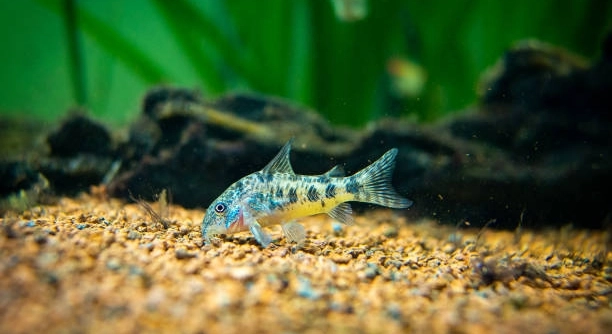
Corydoras catfish are popular aquarium fish, but they are also susceptible to various health problems. Identifying these illnesses early can help prevent serious issues and ensure their well-being. Learning how to avoid these common illnesses is essential.
There are several common illnesses that affect Corydoras catfish, such as fungal infections, parasites, and poor water quality. Maintaining a clean tank and monitoring water conditions can prevent many of these health issues, promoting a healthier environment for your fish.
Understanding the key factors that lead to these illnesses will help you maintain a thriving tank. Keeping your Corydoras catfish healthy starts with proper care and attention to their needs.
1. Poor Water Quality and Its Impact on Corydoras Catfish
Corydoras catfish thrive in clean, well-maintained water. Poor water quality is one of the main reasons they fall ill. Fish in tanks with unfiltered or polluted water can develop skin issues, respiratory problems, and stress. This can cause diseases like fin rot or fungal infections. Regular water changes, proper filtration, and monitoring the water parameters are crucial to maintaining a healthy environment for your fish. The ideal water temperature for Corydoras is between 72°F and 79°F, with a pH range of 6.0 to 7.5.
To avoid health problems, check your water regularly for ammonia, nitrites, and nitrates. Keeping these levels in check will reduce the risk of illness and improve the overall health of your fish. It’s also important to keep the tank clean by removing excess food and debris regularly. Using a gravel vacuum during water changes can help remove harmful waste from the substrate.
Regular maintenance of your aquarium will prevent issues from escalating, ensuring a healthier habitat for your Corydoras catfish. Clean water is essential for preventing numerous health problems and maintaining a peaceful, thriving tank.
2. Overfeeding: A Common Mistake
Overfeeding can lead to obesity and digestive issues for Corydoras.
Feeding too much at once creates an excess of food in the tank, which can pollute the water and lead to unhealthy conditions. This can result in a buildup of ammonia, which can harm your fish’s health. Proper feeding schedules are key to preventing overfeeding.
Overfeeding can also make your catfish more prone to diseases like bloating or swim bladder issues. To prevent this, feed them small portions they can consume within a few minutes, usually once or twice a day. Removing uneaten food after feeding helps keep the tank clean and the water quality intact. Feeding a variety of foods, including sinking pellets, vegetables, and occasional live food, can also support their health. Be mindful of how much food is being offered, and resist the urge to feed them more than needed. Proper nutrition in moderation will prevent overfeeding-related issues, keeping your Corydoras catfish healthy.
3. Inadequate Tank Size
A small tank can cause stress and health problems for Corydoras catfish. These fish need space to move around freely and exhibit natural behaviors. A cramped tank will lead to increased aggression and weakened immune systems, making them more prone to diseases.
Corydoras are bottom-dwelling fish that like to swim in groups. A small tank restricts their ability to engage in these activities, which can result in increased stress. Stress weakens their immune systems, leaving them vulnerable to infections and other illnesses. A minimum tank size of 20 gallons is recommended for a small group of Corydoras catfish. Larger tanks allow for better water quality and space to keep the fish happy and healthy.
Providing enough space in your tank will not only improve the health of your fish but also reduce stress-related behaviors like territorial aggression and fin nipping. Make sure your tank is large enough to allow your Corydoras to live comfortably, keeping them free from preventable illnesses.
4. Improper Tank Mates
Corydoras catfish can be peaceful, but not all tank mates are suitable. Aggressive or large fish can cause stress and harm to these gentle fish. It’s important to select tank mates that won’t overpower them.
Avoid keeping Corydoras with fin-nipping or overly territorial species, such as certain cichlids. These aggressive behaviors can damage the fins of your Corydoras, leaving them susceptible to infections or injuries. The best tank mates for Corydoras are peaceful fish like tetras, guppies, or small rasboras. Make sure the other species in the tank are similar in size and temperament to avoid conflict.
Also, keep in mind that Corydoras are bottom dwellers and will spend a lot of time on the substrate. Be sure to avoid keeping them with bottom-dwelling fish that may compete for space or food, like larger catfish. Choosing the right tank mates will help reduce stress and prevent any unwanted aggression, ensuring a safe environment for your Corydoras catfish.
5. Stress from Tank Maintenance
Excessive or improper cleaning can stress Corydoras catfish. Over-cleaning can disrupt the tank’s balance, affecting water quality and creating a stressful environment for the fish. Keeping tank maintenance minimal but effective is key.
Frequent changes of the substrate or using harsh chemicals can alter the conditions in the tank, leaving the fish feeling unsafe. Instead, focus on regular water changes and filter maintenance. Use gentle methods when cleaning the tank, such as a soft sponge or brush. A stable environment helps keep your Corydoras calm and healthy.
6. Temperature Fluctuations
Corydoras catfish are sensitive to changes in temperature. Rapid fluctuations can lead to stress and illness, particularly fungal and bacterial infections. Consistent water temperatures are crucial for their well-being.
To keep the water at a stable temperature, use a reliable aquarium heater and thermometer. Avoid placing the tank near windows or air conditioners, as these can cause sudden changes in temperature. Keeping the water temperature within the recommended range of 72°F to 79°F helps prevent stress and promotes good health in your Corydoras catfish. Consistency is key.
7. Lack of Proper Hiding Spaces
Corydoras catfish appreciate having hiding spots in the aquarium. A lack of these spaces can lead to stress, as they may feel exposed and vulnerable. Providing hiding spaces helps them feel secure.
Consider adding plants, caves, or rocks to create shelter for your Corydoras. These elements mimic their natural environment and give them places to retreat to when they need rest. Offering these hiding spaces reduces stress, supporting their overall health and behavior.
FAQ
1. What are the most common signs of illness in Corydoras catfish?
Corydoras catfish show several signs when they are unwell. These include faded or discolored fins, unusual swimming patterns, such as staying near the surface or hovering near the bottom, and signs of bloating or swelling. If they are scratching against objects in the tank, it may indicate skin irritation caused by parasites or poor water conditions. Additionally, lethargy or refusal to eat are major warning signs that something is wrong. Monitoring their behavior closely and acting quickly can help prevent diseases from spreading further.
2. How can I treat fungal infections in Corydoras catfish?
Fungal infections often present as white, cotton-like growths on the skin or fins of the fish. To treat these infections, first, improve the water quality by doing a water change and adjusting parameters. You can treat the fish with antifungal medications available at pet stores or online. Isolate the affected fish in a quarantine tank if possible, to prevent the infection from spreading. Make sure to remove any uneaten food or debris in the main tank to reduce the risk of reinfection. Keep the affected fish in clean, stable conditions to help them recover.
3. How often should I change the water in my Corydoras tank?
Water changes are essential for maintaining a healthy environment for Corydoras catfish. Ideally, you should perform a partial water change of 25% to 30% once a week. If your tank has a lot of fish or a heavy bioload, you may need to change water more often. Always use a water conditioner to treat tap water before adding it to the tank. Regular water changes help prevent a buildup of harmful toxins like ammonia, nitrites, and nitrates, keeping your fish safe and healthy.
4. Can Corydoras catfish live with other fish?
Corydoras catfish are peaceful fish and can live with other species, but it’s important to choose compatible tank mates. They are best kept with small, peaceful fish such as tetras, guppies, or rasboras. Avoid aggressive or fin-nipping species like certain cichlids or large fish that might stress or harm the Corydoras. Ensure that the fish you choose are similar in size and temperament to avoid conflicts. Corydoras also prefer tank mates that don’t compete for space on the bottom, as they spend most of their time there.
5. What temperature is best for Corydoras catfish?
Corydoras catfish thrive in water temperatures between 72°F and 79°F. Keeping the water temperature within this range helps ensure that the fish remain active and healthy. Water that is too cold can slow down their metabolism, while water that is too hot can stress them out and lead to other health problems. Use an aquarium heater and thermometer to maintain consistent temperature levels and avoid drastic fluctuations.
6. How can I prevent Corydoras from getting swim bladder disease?
Swim bladder disease in Corydoras can be caused by a variety of factors, such as overfeeding or poor water quality. To prevent this condition, avoid overfeeding your fish. Feed them small portions that they can consume within a few minutes and remove any uneaten food promptly. Additionally, maintain good water quality by performing regular water changes and checking the tank’s parameters. Ensure that your Corydoras are not exposed to sudden temperature changes, as these can also stress them and lead to health issues, including swim bladder problems.
7. Can Corydoras catfish tolerate brackish water?
Corydoras catfish are primarily freshwater fish and do not thrive in brackish water. While some species of Corydoras may tolerate slightly salty water, it is not ideal for their long-term health. Keeping them in brackish conditions can lead to stress, weakened immune systems, and increased susceptibility to diseases. Stick to freshwater setups with stable water conditions for the best results. Avoid adding salt to the aquarium unless specifically required for certain medical treatments, and always follow proper guidelines when doing so.
8. Why is my Corydoras catfish staying at the surface of the water?
If your Corydoras catfish is spending time at the surface, it could be a sign of several issues. The most common cause is poor water quality, such as high ammonia or low oxygen levels. Check the water parameters and perform a water change if necessary. Another possibility is that the fish may be struggling with a respiratory infection or low oxygen levels in the tank. Ensure the aquarium is well-aerated and that the filtration system is working effectively. If the problem persists, observe the fish for other signs of illness and consult a veterinarian.
9. How can I tell if my Corydoras is stressed?
Stress in Corydoras catfish can show in several ways. Stressed fish often hide more than usual, may not be eating, or swim erratically. They might also appear to be gasping at the surface or rubbing against objects. Poor water quality, aggressive tank mates, or a lack of hiding spots can contribute to stress. Regularly check the water parameters and ensure that the environment is comfortable for your Corydoras. Providing a peaceful, clean, and stable tank with appropriate tank mates will help reduce stress.
10. How do I care for Corydoras catfish during breeding?
Caring for Corydoras catfish during breeding requires a bit of preparation. Make sure the water quality is optimal and the tank has plenty of hiding spots. Corydoras catfish often breed when water conditions change slightly, such as after a water change with cooler water. Provide a nutritious diet to the breeding pair to ensure healthy eggs. If breeding is successful, the eggs will usually be laid on plants or surfaces. After hatching, remove the adult fish from the tank to prevent them from eating the fry. Maintain clean water and feed the fry infusoria or finely crushed flakes.
11. Are Corydoras catfish easy to care for?
Corydoras catfish are generally easy to care for, as long as their basic needs are met. They require clean, stable water conditions, a proper diet, and a peaceful tank environment. Regular water changes, appropriate tank mates, and avoiding overfeeding are key to keeping them healthy. Corydoras are hardy fish, but like all species, they require attention to detail and consistency in care. If you meet these needs, your Corydoras will thrive and remain healthy for years to come.
Final Thoughts
Corydoras catfish are relatively easy to care for and can be a great addition to any freshwater aquarium. Their peaceful nature, ability to clean the tank, and attractive appearance make them a favorite among aquarium owners. By ensuring that water quality is maintained, providing a balanced diet, and offering a peaceful environment with suitable tank mates, your Corydoras will thrive. It’s important to keep an eye on their health and look out for signs of illness, such as changes in behavior or appearance, so you can address any issues early.
Preventing common illnesses and stress in Corydoras catfish is mostly about creating a stable and comfortable environment. Maintaining the right water temperature, keeping the tank clean, and avoiding sudden changes in the aquarium are simple steps that can go a long way in keeping your fish healthy. Be mindful of water conditions, as Corydoras are sensitive to changes in pH, ammonia, and nitrate levels. Regularly testing the water will help ensure these parameters are within the proper range. Adding hiding spaces and avoiding overstocking the tank will also help reduce stress.
In summary, taking the time to meet the basic needs of Corydoras catfish will reward you with a healthy and vibrant fish that adds beauty to your aquarium. With proper care, they can live for several years, providing enjoyment and adding a unique element to your tank. By being proactive and attentive to their needs, you’ll be able to avoid most common issues and ensure your Corydoras remain happy and healthy for a long time.

Hello,
If you enjoy the content that we create, please consider saying a "Thank You!" by leaving a tip.
Every little bit helps us continue crafting quality advice that supports the health, happiness, and well-being of pets around the world, for pets of all shapes, sizes, and species.
We really appreciate the kindness and support that you show us!