
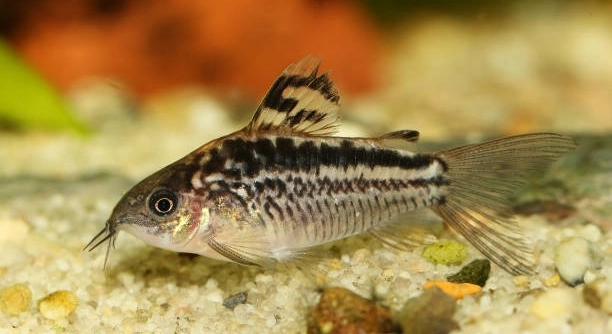
Corydoras catfish are lively little creatures, and keeping them entertained is essential for their well-being. These playful fish enjoy exploring, foraging, and interacting with their environment. Providing them with activities that engage their natural behaviors will keep them happy.
There are several ways to keep your Corydoras catfish entertained. Introducing environmental enrichment, such as various hiding spots, substrates for digging, and live plants, can stimulate their natural instincts. Additionally, offering different food types can keep them engaged and active.
From enhancing their aquarium environment to offering fun activities, keeping your Corydoras entertained ensures they stay healthy and active. We’ll explore different methods to provide them with the mental and physical stimulation they need.
Create Hiding Spots
Corydoras catfish are naturally shy and love to hide when they feel insecure. To keep them entertained, provide plenty of hiding spots in their tank. You can use caves, rocks, or ceramic tubes to give them places to retreat. These hiding spots also mimic the conditions they would experience in the wild, making them feel safe. With these structures in place, your catfish will spend time exploring and looking for new nooks to hide in. Not only does this provide entertainment, but it also reduces stress, which is vital for their health.
Adding some live plants can enhance their hiding spaces, offering both shelter and stimulation. This greenery provides an additional area for them to explore, swim around, and rest. The plants help simulate a more natural habitat and encourage the catfish to interact with their surroundings. Make sure to use plants that are easy to care for, so the aquarium remains low-maintenance while offering variety.
Creating these spots is simple, but the benefits for your Corydoras are significant. A properly designed tank environment ensures that your catfish feel secure while still having plenty of space to move around and explore.
Offer Different Foods
Feeding Corydoras more than just their usual flakes or pellets can add variety and excitement.
They enjoy sinking pellets, frozen food like bloodworms, or live food like brine shrimp. Changing their meals keeps them interested, mimicking the diversity they would find in their natural habitat. These different food sources also encourage foraging behavior, which is important for their overall well-being.
Add Substrate for Digging
Corydoras catfish love to dig through the substrate. This behavior keeps them mentally stimulated. Adding soft sand or fine gravel encourages natural digging and scavenging activities. Avoid sharp gravel that could hurt them. The substrate mimics the natural riverbed environment they’re used to, allowing them to forage for food and search for hidden treasures.
Digging is also beneficial for their physical health, as it helps keep them active and engaged. The catfish will sift through the sand, which also promotes their natural feeding habits. You might notice them digging to find leftover food or just exploring, adding another layer of activity to their daily routine. A varied substrate not only improves their environment but also makes their habitat feel more dynamic.
Keeping the substrate clean and free from debris ensures it remains safe for the fish. Routine maintenance of the tank is essential to prevent the buildup of harmful waste in the sand. It’s also important to ensure that the tank’s filter is working well to keep water quality high.
Use Floating Toys or Objects
Introducing floating toys or objects to the tank can keep your Corydoras engaged.
Small floating balls or leaf-shaped objects can be moved around the tank, encouraging the catfish to interact with them. They might nudge, chase, or even “herd” these items as part of their exploration. These movements provide a simple but effective way to keep the fish entertained.
Just be sure that the toys you introduce are safe for aquatic use. Materials like plastic may not be suitable, so opt for items designed specifically for aquariums. The toys should also be easy to clean to maintain a healthy tank environment. Keeping the play area tidy ensures that the fish don’t ingest harmful materials while they play.
Floating objects also give the fish something to interact with, stimulating both their physical and mental activities. This simple addition can provide hours of entertainment without requiring major changes to the aquarium setup.
Add Live Plants
Live plants provide Corydoras with a natural and stimulating environment. They enjoy swimming through the plants and hiding among the leaves. Adding plants like java moss or anubias creates a more natural feel in the tank while also improving water quality.
Plants give Corydoras both hiding spots and extra areas to explore. They often use the plants to rest or forage, as the greenery encourages natural behaviors. The plants also help regulate the water, keeping it cleaner and more stable, which is essential for the overall health of the fish.
Use Aquarium Mirrors
Aquarium mirrors can be an effective way to pique your Corydoras’ curiosity.
Mirrors placed outside the tank can make them feel like they’re exploring a new environment. The reflection allows them to investigate an area that’s different from their usual space, adding some excitement to their daily routine. Just avoid leaving the mirror for too long as it can stress the fish if they become too fixated on it.
FAQ
How often should I change the tank’s water for Corydoras catfish?
It’s essential to perform regular water changes to keep the tank clean and safe for your Corydoras. Aim for about 20-25% water change every week. This helps to maintain water quality and removes any buildup of waste or excess nutrients that could harm the fish. Consistent water changes also help prevent algae growth and ensure oxygen levels stay balanced.
Make sure to use a water conditioner to remove chlorine and chloramine from tap water before adding it to the tank. Always match the water temperature and pH level to the tank’s conditions to prevent stress on your fish. You can use a gravel vacuum to clean the substrate during water changes. This helps remove any waste and leftover food, keeping the tank cleaner.
Do Corydoras catfish need a specific tank temperature?
Yes, Corydoras thrive in a stable temperature range of 72-78°F (22-26°C). If the water temperature fluctuates too much, it can cause stress and health problems for your catfish. They are tropical fish, so they require warmer water to stay active and healthy.
Investing in a good aquarium heater will help maintain a consistent temperature. Be sure to regularly check the water temperature with a reliable thermometer, especially if your aquarium is in a room where temperatures change. Keeping the water at the right temperature also promotes better digestion and activity levels in your Corydoras.
Can Corydoras live with other types of fish?
Corydoras are peaceful and social fish that can live with many other types of fish. They do well in community tanks with other non-aggressive species. Ideal tankmates include small, peaceful fish like tetras, guppies, or mollies.
Avoid placing Corydoras with larger, aggressive fish that might stress them or cause harm. They are bottom dwellers, so they work well with species that occupy other areas of the tank. Keep in mind that Corydoras prefer to live in groups, so it’s best to keep at least three or more of them together. This encourages natural social behavior and reduces stress.
What is the best substrate for Corydoras catfish?
Corydoras prefer soft substrates where they can sift through the sand and dig around for food. Fine sand is the best choice because it won’t harm their delicate barbels. Sharp gravel or jagged rocks can cause injuries, leading to infection or irritation.
If sand is not an option, fine gravel can also work, but make sure it’s smooth. Corydoras love to dig, so having a substrate that allows them to carry out this behavior is key for their mental and physical health. Additionally, it helps mimic their natural environment, improving their overall well-being.
Do Corydoras catfish need to be fed every day?
Yes, Corydoras catfish should be fed daily. However, they are bottom feeders and often hunt for food throughout the day, so it’s important not to overfeed them. Offer them a small portion of food once or twice a day. You can give them sinking pellets, frozen food, or live food to keep their diet varied.
You may also add occasional treats like bloodworms or brine shrimp to their diet, but these should be offered sparingly. Be mindful of leftover food, as it can pollute the water. If there’s food left after 10-15 minutes, remove it to maintain water quality.
How do I know if my Corydoras are stressed?
Corydoras catfish can show signs of stress in several ways. Common indicators include hiding more than usual, reduced activity levels, or changes in their swimming patterns. If they’re swimming erratically or rubbing against objects in the tank, it could be a sign of discomfort or illness.
Stress can also be caused by poor water conditions, extreme temperature fluctuations, overcrowding, or aggressive tankmates. Regular water changes, proper tank setup, and the right tankmates will help reduce stress. If you notice any signs of illness, such as faded colors or loss of appetite, consult with a veterinarian who specializes in fish.
Can Corydoras catfish breed in a tank?
Yes, Corydoras can breed in a well-maintained tank under the right conditions. To encourage breeding, maintain stable water temperature (around 74-78°F) and ensure that the water quality is high. You can simulate rainy season conditions by slightly lowering the water level and performing a larger water change with cooler water.
Once the female lays eggs, the male will fertilize them, and you should remove any adults from the tank to avoid them eating the eggs. The eggs will hatch in 3-4 days, and the baby Corydoras will start to swim within a week. They will need smaller food such as infusoria or crushed flakes until they grow large enough to eat regular food.
What kind of filtration do Corydoras need?
Corydoras catfish prefer moderate water flow, so it’s important to use a filter that provides good filtration but doesn’t create strong currents. A sponge filter is an excellent option, especially for smaller tanks, as it gently aerates the water while keeping debris in check.
Avoid powerful canister filters that create strong water flow, as it could stress the Corydoras. Make sure the filter is regularly maintained, as poor water quality is one of the most common causes of health issues in fish. Having a reliable filtration system helps keep your Corydoras’ environment stable and clean.
How long do Corydoras catfish live?
Corydoras catfish can live up to 5-7 years with proper care. Their lifespan depends on water quality, diet, and tank conditions. To ensure a long and healthy life, make sure their tank is well-maintained, the water is clean, and they are given a balanced diet.
Regular water changes, appropriate tankmates, and attention to their physical health are all essential to helping your Corydoras thrive. With good care, they can live for many years, bringing joy to your aquarium.
Final Thoughts
Corydoras catfish are resilient and active fish that thrive in a well-maintained aquarium. Keeping them entertained is important not only for their happiness but also for their health. By creating a tank environment with hiding spots, adding live plants, and offering a variety of foods, you can stimulate their natural behaviors and keep them engaged. These small but playful fish enjoy exploring and foraging, so adding a few simple items like floating toys or soft substrates can make a big difference in their well-being.
While Corydoras are easy to care for, it’s essential to pay attention to their specific needs. Consistent water changes, proper water temperature, and a peaceful tank environment are all crucial to their long-term health. They benefit from a gentle filter, a varied diet, and being housed with compatible tankmates. Their natural behaviors, such as digging, foraging, and hiding, can be encouraged by adding the right decorations and creating a stimulating environment. This not only prevents boredom but also helps them express their full range of instincts.
In the end, providing the right balance of physical and mental stimulation will ensure your Corydoras live a long, healthy, and happy life. Whether it’s through adding new plants, changing up their food, or simply giving them room to explore, keeping them entertained is an easy and rewarding part of their care. By making a few simple changes, you can improve their quality of life and enjoy watching them thrive in their aquatic home. With the right care, your Corydoras catfish will continue to be an active and delightful addition to your tank for years to come.

Hello,
If you enjoy the content that we create, please consider saying a "Thank You!" by leaving a tip.
Every little bit helps us continue crafting quality advice that supports the health, happiness, and well-being of pets around the world, for pets of all shapes, sizes, and species.
We really appreciate the kindness and support that you show us!