
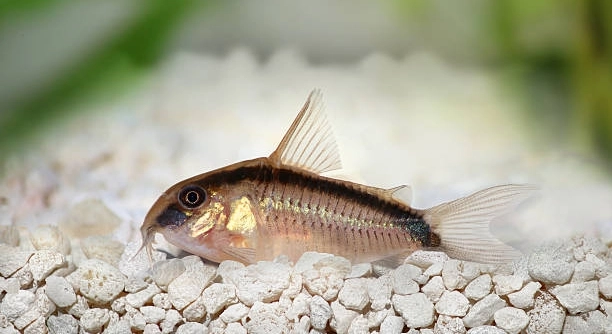
Corydoras catfish are popular aquarium pets known for their peaceful nature. However, if you notice your catfish scratching its gills, it could be a sign of an underlying issue that requires attention.
Scratching its gills is often a symptom of stress, irritation, or infection in Corydoras catfish. The most common causes include poor water quality, parasites, gill damage, or an allergic reaction to substances in the tank.
Understanding these factors will help ensure your catfish’s comfort and health in its aquarium environment. Keep reading to learn more about the possible causes and solutions for this behavior.
Poor Water Quality
Water quality plays a critical role in the health of your Corydoras catfish. If the water parameters are off, it can lead to stress and discomfort, causing your fish to scratch its gills. High ammonia, nitrites, and nitrates can irritate their gills, prompting them to rub against surfaces to relieve the irritation. Additionally, improper pH levels and fluctuating water temperatures can make the environment unsuitable for these delicate fish. Regular water changes and proper filtration are essential to keep these issues at bay.
Maintaining clean water isn’t just about looking good. It’s about keeping your fish safe and healthy.
Make sure your aquarium’s water is tested regularly for ammonia, nitrites, and nitrates. Invest in a reliable filter, and perform water changes weekly to ensure that the environment is stable. Adjusting the water’s pH and temperature to appropriate levels can also prevent stress, which leads to gill scratching.
External Parasites
Parasites are a frequent cause of gill scratching in Corydoras catfish. External parasites like flukes or ich attach to the skin and gills, causing irritation. These tiny organisms can be introduced into the tank through new fish or equipment. The scratching behavior often appears as the catfish tries to remove these parasites. In severe cases, visible lesions or a cloudy appearance on the gills may also appear.
To address this issue, you’ll need to treat the aquarium with medication designed to target external parasites. Regularly inspect your fish and quarantine new additions before introducing them to the main tank.
Gill Damage
Gill damage can also cause your Corydoras catfish to scratch its gills. Injuries can occur from rough handling, aggression from tank mates, or contact with sharp objects in the aquarium. This damage leads to inflammation and discomfort, prompting the fish to rub against surfaces to alleviate the irritation.
Inspect the gills for any visible cuts, tears, or discoloration. If the injury is minor, it may heal on its own with proper water conditions and rest. However, severe damage may require treatment with salt baths or specific medications to promote healing and reduce infection.
When dealing with gill damage, maintaining optimal water quality is crucial to avoid further irritation. If the injury doesn’t heal, you might need to separate the affected fish to allow it to recover in a quieter, less stressful environment. This will help reduce the risk of infection and promote faster healing.
Allergic Reactions
Corydoras catfish can also suffer from allergic reactions to certain substances in the tank. This can include additives, medications, or even the type of substrate used in the aquarium. When exposed to something they are sensitive to, your fish may begin scratching their gills. This behavior is often linked to the irritation caused by the substance.
If you suspect an allergic reaction, it’s important to remove any potential irritants from the tank. Replace the substrate if necessary, and avoid using chemical additives or medications that could trigger a reaction. Keeping the water clean and free from chemicals will help reduce the likelihood of allergic reactions and prevent gill scratching.
It’s a good idea to check the ingredients of any products you’re adding to your aquarium and make sure they are safe for Corydoras catfish. Regular water changes and monitoring for any signs of irritation can also help manage and prevent allergic reactions in the future.
Overcrowding
Overcrowding in the aquarium can cause stress for your Corydoras catfish, leading to gill scratching. When there are too many fish in a small space, water quality deteriorates quickly, and there isn’t enough room for the fish to swim freely. This can lead to territorial disputes and increased stress levels.
To prevent overcrowding, be mindful of the recommended stocking density for your aquarium size. Corydoras catfish are peaceful, but overcrowding can lead to poor water quality and stress, both of which contribute to gill scratching. A proper balance of tank mates and space is essential for their well-being.
Poor Diet
A poor diet can affect the overall health of your Corydoras catfish, leading to weak immune systems and increased susceptibility to skin and gill issues. Inadequate nutrition may cause your fish to feel stressed, prompting it to scratch its gills.
Ensure you’re providing a well-balanced, nutrient-rich diet suitable for Corydoras. Offer a variety of food options, including sinking pellets, live food, and vegetables. Nutritional deficiencies can lead to health problems, so it’s important to stick to a regular feeding schedule to support the health of your fish.
Tank Maintenance Issues
If you’re not maintaining your aquarium regularly, your Corydoras catfish might be exposed to conditions that cause gill irritation. Leftover food, decaying organic matter, and uncleaned equipment can all contribute to poor water quality, which can lead to the fish scratching its gills.
Regular tank maintenance is essential to avoid these issues. Perform routine water changes, clean your filter, and remove any uneaten food or debris from the substrate. Keeping your tank clean and well-maintained will help prevent any environmental stressors that could lead to scratching.
FAQ
Why is my Corydoras catfish rubbing against objects in the tank?
Rubbing against objects is a common sign of irritation. This behavior is often seen when Corydoras catfish are trying to relieve discomfort from poor water quality, parasites, gill damage, or allergic reactions. If your catfish is scratching or rubbing its gills, it’s essential to investigate the possible causes to provide the right solution.
How can I prevent poor water quality from affecting my Corydoras?
To prevent poor water quality, make sure to regularly check water parameters like ammonia, nitrites, and nitrates. Keeping the tank clean, with proper filtration and weekly water changes, is key. Also, monitor the pH and temperature to ensure they’re suitable for your Corydoras. Proper water care reduces the chance of stress and gill irritation.
What should I do if my Corydoras has external parasites?
If external parasites are the issue, you’ll need to treat your aquarium with an appropriate medication designed for parasites. Parasites like flukes and ich can cause significant discomfort and lead to scratching. Quarantine any new fish before introducing them to avoid contamination, and always ensure the water quality is optimal to prevent parasite outbreaks.
How can I tell if my Corydoras has gill damage?
Look for signs of redness, swelling, or visible cuts on the gills. If the fish is constantly rubbing its gills or appears lethargic, gill damage might be present. In severe cases, the gills may look pale or have a cloudy appearance. Providing a stress-free environment and improving water conditions will support recovery. For more serious damage, you may need to treat the fish with healing medication or salt baths.
What can I do if my Corydoras has an allergic reaction to something in the tank?
First, identify the potential irritant, whether it’s a new substrate, chemical additives, or even certain medications. Once identified, remove the substance from the tank. Clean the tank thoroughly, do a water change, and make sure there are no lingering irritants. You may also want to switch to fish-safe, hypoallergenic products.
Is overcrowding a problem for my Corydoras catfish?
Yes, overcrowding can cause a lot of stress for Corydoras. When there are too many fish in a small space, it leads to poor water quality and territorial disputes. This stress can cause your fish to scratch its gills and become more vulnerable to other health issues. Always make sure your aquarium has adequate space for each fish to feel secure.
What can I feed my Corydoras catfish to improve its health?
A varied and balanced diet is essential. Corydoras catfish are bottom feeders, so make sure to provide sinking pellets, live food like bloodworms, and occasional vegetables like blanched zucchini or peas. A well-rounded diet helps maintain a strong immune system and reduces the risk of scratching due to deficiencies.
Can Corydoras catfish get stressed from tank mates?
Yes, Corydoras can become stressed if they’re housed with aggressive or overly active tank mates. Corydoras are peaceful fish, and they do better with calm, non-territorial species. Stress from tank mate interactions can lead to gill scratching and other health issues. Choose tank mates that are gentle and avoid aggressive species.
How often should I clean my Corydoras tank?
You should clean your tank at least once a week. This includes changing 25-30% of the water, vacuuming the substrate, and cleaning the filter. Keeping the tank clean helps maintain good water quality and prevents the buildup of toxins, which can cause stress and irritation in your Corydoras.
Can my Corydoras get sick from dirty water?
Yes, dirty water is one of the leading causes of health issues in Corydoras. Poor water quality can lead to ammonia buildup, which is toxic to fish. This can cause irritation to the gills and stress, resulting in scratching. Maintaining clean water with regular changes is crucial to keeping your fish healthy.
Is it okay to use aquarium chemicals in a tank with Corydoras?
Some chemicals can be harmful to Corydoras, especially if they are sensitive to them. Always read labels and use only aquarium-safe, fish-friendly products. If you’re treating for parasites or other issues, ensure the medication is safe for bottom feeders like Corydoras, as some treatments can be too strong for them.
What are the signs that my Corydoras is healthy?
Healthy Corydoras catfish are active, swim around the tank, and interact with their environment. Their gills should be clear, and they should have a strong appetite. If your catfish starts to exhibit signs of lethargy, gill scratching, or loss of appetite, it may be a sign of underlying issues that need to be addressed.
Final Thoughts
Corydoras catfish are popular and peaceful additions to many aquariums, but it’s important to address any signs of discomfort, like gill scratching. Scratching can be a symptom of several underlying issues, including poor water quality, parasites, overcrowding, or even a poor diet. Understanding the possible causes of gill irritation can help you take the right steps to improve your fish’s health. Monitoring water parameters, ensuring a balanced diet, and providing proper tank maintenance will go a long way in preventing these issues.
Taking care of your Corydoras means more than just feeding and occasional water changes. It requires attention to their environment and behavior. Scratching should not be ignored, as it may lead to further health complications if left untreated. Keeping an eye on your fish’s behavior can help you catch early signs of stress or illness. If you notice persistent scratching or other unusual behaviors, it’s essential to investigate the cause and take action quickly to avoid serious health issues for your fish.
In conclusion, maintaining a healthy tank with good water quality, proper feeding habits, and a stress-free environment is key to the well-being of your Corydoras catfish. Scratching is often a sign of discomfort, and addressing the root cause can ensure your fish remains healthy and happy. By following the tips shared here and keeping a close watch on your aquarium, you can prevent many common issues and provide your Corydoras with the best care possible.

Hello,
If you enjoy the content that we create, please consider saying a "Thank You!" by leaving a tip.
Every little bit helps us continue crafting quality advice that supports the health, happiness, and well-being of pets around the world, for pets of all shapes, sizes, and species.
We really appreciate the kindness and support that you show us!