
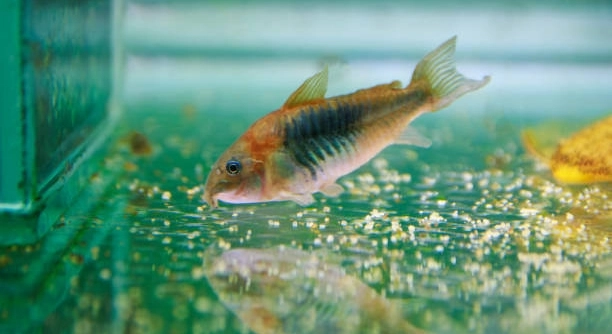
Corydoras catfish are popular aquarium fish known for their peaceful nature. However, poor water quality can significantly impact their health, making it important for owners to recognize when their fish might be struggling.
To determine if your Corydoras catfish is reacting to poor water quality, observe changes in behavior, such as excessive hiding, rapid gill movement, or abnormal swimming. These signs indicate that water conditions may be affecting their well-being.
Recognizing these signs early can help prevent further stress and potential harm to your catfish. We will explore the most common signs to watch for, allowing you to maintain a healthy tank environment.
7 Signs Your Corydoras Catfish Is Reacting to Poor Water Quality
When the water quality in your tank is poor, Corydoras catfish can show a variety of signs. It’s crucial to monitor these indicators closely, as early detection can help improve their condition and prevent further health issues. The first sign is often excessive hiding. When the water is not clean, your catfish may retreat to dark or hidden spots within the tank more often than usual. This behavior is typically a stress response, indicating that your fish is uncomfortable with the water conditions. Additionally, you may notice rapid gill movement. This is a sign that your catfish is struggling to breathe properly, often due to a lack of oxygen or harmful toxins in the water.
If your Corydoras catfish is swimming erratically or in circles, it could be a sign of poor water quality affecting its balance. The fish might have trouble navigating the water or feel disoriented, indicating stress from contaminants. In some cases, you might see a change in their eating habits. A sudden lack of interest in food could suggest they are feeling unwell due to toxic substances in the water.
Abnormal Skin and Fin Behavior
One clear sign that your Corydoras is struggling with poor water quality is the presence of skin or fin issues. Look for signs of inflammation, redness, or unusual marks on the skin. Fin damage or ragged edges may also be a result of poor water conditions. These are physical indicators of stress or infection caused by toxins, poor filtration, or insufficient water changes.
If left unaddressed, the damaged fins can become a breeding ground for bacteria, leading to further complications. Keeping a regular schedule of water testing and maintenance can help reduce the risk of this type of harm. Clean water plays a significant role in preventing these issues and ensuring your catfish stays healthy and comfortable in their environment. Regular observation of the fish’s physical condition can help detect problems before they escalate.
Changes in Breathing Patterns
Your Corydoras catfish might exhibit rapid or labored breathing when the water quality is poor. This is often due to a lack of oxygen or high levels of harmful substances like ammonia or nitrites. Watch for quick gill movements or gasping at the water’s surface, which can indicate poor oxygen levels.
The fish might try to swim near the surface more often, where the oxygen content is higher. If you notice this behavior, it’s a sign that your catfish is struggling to breathe comfortably in the tank. Additionally, if the fish’s gills are open wide while at rest, it suggests they are working harder to extract oxygen.
These signs require immediate attention. Test your water for toxins, ensure the filter is working, and add aeration to the tank to improve oxygen flow. Proper water changes and maintenance can prevent long-term health issues caused by low oxygen or poor filtration.
Lack of Activity
If your Corydoras catfish is less active than usual, it’s another red flag. A normally active and curious fish will often swim around, exploring their environment. When water quality is poor, the catfish might become lethargic, staying still at the bottom of the tank or hiding.
This reduced activity is typically linked to stress from unbalanced water parameters or toxins. If your catfish is spending a lot of time at the bottom of the tank without moving much, it could indicate that they are trying to conserve energy while dealing with an unhealthy environment.
Lack of movement can also make your fish more vulnerable to illness, as their immune systems can weaken under stress. Check the tank regularly to ensure water conditions are stable, and if the behavior continues, perform a partial water change to restore quality. This will help your catfish regain its usual activity levels.
Clamped Fins
Clamped fins are a common sign that your Corydoras catfish is stressed. When a fish’s fins are tightly pressed against its body, it often indicates that the fish is uncomfortable due to poor water conditions. This behavior is a sign of distress.
Catfish typically spread their fins to swim and explore. If you notice their fins are consistently clamped, it could mean they’re trying to conserve energy due to environmental stress. This is often paired with other symptoms like hiding or lethargy. Addressing water quality promptly can help alleviate this issue.
Changes in Color
When water quality is poor, Corydoras catfish may lose their vibrant colors. This fading of color often results from stress, and it can be linked to toxins or poor water conditions. As the fish becomes stressed, it may appear paler or darker than usual.
Maintaining optimal water conditions can help preserve the natural colors of your catfish. Make sure to monitor the tank’s pH, ammonia, and nitrite levels regularly to prevent water imbalances. Poor water quality can also weaken the immune system, making your fish more susceptible to illness, which can further affect its appearance.
Gasping at the Surface
If your Corydoras catfish is spending more time at the surface gasping for air, it’s a clear sign of water issues. This behavior usually occurs when there’s insufficient oxygen in the tank, often due to poor filtration or high toxin levels.
Make sure your tank has proper aeration and that the filter is functioning efficiently. Water changes can help remove harmful substances, improving oxygen levels. If you notice this behavior, addressing the oxygen levels is critical to the health of your catfish.
FAQ
What causes poor water quality in my tank?
Poor water quality in an aquarium is often caused by a buildup of waste products, such as uneaten food, fish waste, and decaying plants. It can also result from inadequate filtration or infrequent water changes. When ammonia, nitrites, or nitrates build up in the water, it becomes toxic to your fish, leading to stress and health issues. Regular maintenance, including water changes and proper filtration, is essential to keeping the water safe for your Corydoras catfish.
How can I improve water quality in my tank?
To improve water quality, start by testing the water regularly for ammonia, nitrites, and nitrates. Ensure your filtration system is working efficiently, and clean the filter regularly to prevent clogs. Perform partial water changes weekly, removing up to 25% of the tank’s water to dilute toxins. Avoid overfeeding your fish, as uneaten food can contribute to poor water quality. Adding live plants can also help, as they absorb excess nutrients and improve oxygen levels in the tank.
How often should I change the water in my aquarium?
Water changes should be done at least once a week to maintain good water quality. The frequency of changes depends on the size of the tank, the number of fish, and the filtration system. For smaller tanks or tanks with many fish, more frequent changes may be necessary. Aim to remove 20-30% of the water during each change, and replace it with fresh, treated water. This helps dilute toxins and maintain stable water conditions for your fish.
What is the ideal water temperature for Corydoras catfish?
Corydoras catfish prefer water temperatures between 72°F and 78°F (22°C – 26°C). Keeping the water within this range ensures your fish stay comfortable and active. If the water is too cold or too warm, your catfish may become stressed, leading to health problems. Make sure to use a reliable aquarium heater and thermometer to maintain a stable temperature.
How do I know if the filtration system is working properly?
To check if your filtration system is functioning properly, observe the water flow and clarity. The filter should be circulating water effectively, and the water should remain clear. If the water is cloudy or stagnant, the filter may not be working properly. Clean the filter regularly and replace the filter media as needed. You can also test the water for ammonia, nitrites, and nitrates to ensure the filter is maintaining good water quality.
Can Corydoras catfish survive in a tank with high ammonia levels?
No, Corydoras catfish cannot survive in water with high ammonia levels. Ammonia is toxic to fish and can cause severe stress, damage to the gills, and even death if levels are not reduced. If you detect ammonia in the water, perform an immediate partial water change, increase aeration, and check the filtration system. Regular water testing and maintenance are crucial for keeping ammonia levels in check.
What is the best way to prevent stress in Corydoras catfish?
To prevent stress in Corydoras catfish, maintain stable and clean water conditions. Ensure that the water temperature, pH, and hardness are within the ideal range for your catfish. Avoid overcrowding the tank, as this can cause competition for food and space. Provide plenty of hiding spots and peaceful tank mates, as Corydoras catfish are shy and feel more secure in a calm environment. Regularly monitor the health of your fish and address any water quality issues promptly.
How do I test my aquarium water for toxins?
You can test your aquarium water for toxins using an aquarium water testing kit. These kits are available at pet stores and online, and they allow you to check for ammonia, nitrites, nitrates, pH, and hardness. Follow the instructions on the kit to get accurate readings. Testing your water weekly helps you keep track of the water quality and make adjustments as needed. If you detect elevated levels of toxins, take immediate action by changing the water and improving filtration.
Is it okay to have Corydoras catfish in a tank with other species?
Yes, Corydoras catfish are peaceful and typically do well in community tanks with other non-aggressive fish. However, avoid keeping them with species that are overly aggressive or large enough to bully them. Corydoras catfish prefer calm, slow-moving tank mates. Be mindful of the water conditions, as different species may have different needs. Regularly check the compatibility of tank mates to ensure all fish remain healthy and stress-free.
How do I prevent my Corydoras catfish from getting sick?
To prevent illness, maintain good water quality and avoid overfeeding. Overfeeding leads to excess food decaying in the tank, which can harm the water quality and cause stress to your fish. Perform regular water changes, monitor water parameters, and check your filtration system regularly. Keep an eye on the fish for any signs of distress, such as abnormal behavior, clamped fins, or fading colors. Quarantine any new fish before adding them to the tank to avoid introducing diseases.
Can Corydoras catfish live in tanks without a filter?
While Corydoras catfish can survive in a tank without a filter for short periods, it is not recommended. Without filtration, toxins like ammonia and nitrites will build up quickly, leading to poor water quality and health problems for your fish. If you cannot use a filter, be sure to perform frequent water changes to keep the tank clean. However, a filter is essential for maintaining stable water conditions and ensuring the long-term health of your fish.
Final Thoughts
Maintaining good water quality is essential for the health and well-being of your Corydoras catfish. These fish are sensitive to changes in their environment, and poor water quality can lead to stress, illness, or even death. By staying on top of water parameters such as ammonia, nitrites, nitrates, pH, and temperature, you can ensure that your Corydoras thrive in a healthy, balanced environment. Regular water changes, proper filtration, and monitoring of tank conditions are key to keeping your fish happy.
Corydoras catfish are generally hardy and easy to care for, but they do require some attention to detail. Small signs of distress, such as clamped fins, changes in color, or gasping for air, can often be traced back to poor water quality. If you notice these behaviors, it’s crucial to act quickly. Perform water tests, check your filtration system, and make necessary adjustments to ensure the water is safe. Addressing these issues promptly will help you avoid long-term problems and ensure a better quality of life for your fish.
Ultimately, caring for Corydoras catfish is about creating a stable and clean environment that supports their natural behaviors. With proper care, these fish can live for many years and provide you with enjoyable moments as they swim peacefully through your tank. Keeping your aquarium water clean and properly balanced will not only benefit your Corydoras but also all the other creatures living in the same tank. Healthy water equals healthy fish, and that’s the key to success in aquarium care.

Hello,
If you enjoy the content that we create, please consider saying a "Thank You!" by leaving a tip.
Every little bit helps us continue crafting quality advice that supports the health, happiness, and well-being of pets around the world, for pets of all shapes, sizes, and species.
We really appreciate the kindness and support that you show us!