
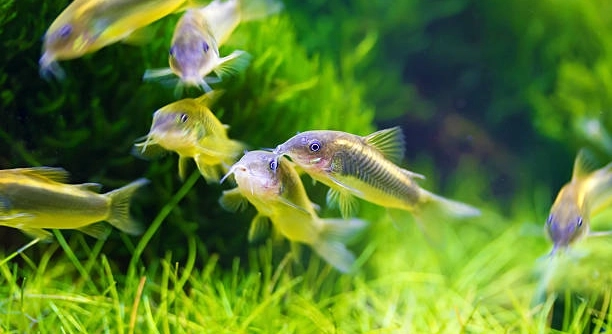
Introducing new Corydoras catfish to an established group can be tricky, but with some careful steps, you can help ensure a smooth transition. These peaceful fish thrive in groups, and adding newcomers can be a great way to enhance your aquarium.
To successfully introduce new Corydoras to an existing group, it’s important to acclimate them slowly, provide ample space, and monitor behavior. The process requires patience, attention to water quality, and ensuring compatibility with the current tankmates.
Properly introducing new Corydoras can reduce stress and ensure they bond well with the existing group. The following tips will guide you through the process and help maintain harmony in your aquarium.
Importance of Acclimating New Corydoras
When introducing new Corydoras catfish, acclimation is key. These fish are sensitive to changes in water conditions, so sudden shifts in temperature, pH, or salinity can cause stress. Start by floating the bag with the new fish in the tank to let the water temperature equalize. Then, gradually add small amounts of tank water to the bag over 30 minutes to help the fish adjust to the new environment. This slow process ensures they don’t get overwhelmed by the differences in water quality. Once they’re ready, gently release the new Corydoras into the tank.
Acclimation prevents shock and gives the new fish time to adjust to their new home. It also helps avoid introducing harmful bacteria that could affect the rest of your fish. Take your time with this step, as rushing it could lead to complications.
A gradual acclimation process supports both the health of the new Corydoras and the overall stability of your aquarium. Patience during this step can go a long way in preventing unnecessary stress, which is vital for your fish’s well-being.
Creating Adequate Space in the Tank
Providing enough space is essential when adding new Corydoras to a tank. Overcrowding can lead to aggression and territorial issues. Ensure your tank is large enough to accommodate the extra fish and maintain the water quality. A larger tank will also allow the fish to spread out and feel less threatened.
If the tank is too small, it could quickly lead to stress for both the new and existing Corydoras. It’s best to have at least a 20-gallon tank for a small group of Corydoras, but more space is even better. The added room will give them the freedom to explore, forage, and swim around comfortably, reducing the chances of territorial disputes.
Proper tank size is a simple but crucial aspect to consider. The more space you offer, the more likely your Corydoras will thrive, as it allows them to exhibit their natural behaviors without feeling confined. Larger tanks also provide better water quality management, reducing the risk of issues that could arise from overcrowding. Make sure to plan ahead before adding new fish to your aquarium.
Monitoring Tankmates and Compatibility
Before adding new Corydoras, check the compatibility of the existing tankmates. These catfish are peaceful by nature, but they can still be stressed by more aggressive or territorial species. Fish like cichlids or bettas can cause problems if introduced into a tank with Corydoras. Keeping them with calm, non-predatory species, such as other bottom dwellers or peaceful schooling fish, can help avoid conflict.
Pay attention to any signs of aggression, such as fin nipping or chasing, especially in the first few days after introducing the new Corydoras. If necessary, separate the new fish and try again later or consider moving more aggressive tankmates to a different tank. Properly assessing the temperament of your fish beforehand can save a lot of stress.
In addition to monitoring aggression, keep an eye on how the new Corydoras interact with the environment. These fish enjoy having plants and hiding spots to retreat to. Adding these elements to your tank can help reduce stress and give your Corydoras the peace they need to settle in.
Maintaining Water Quality
Water quality is essential when introducing new Corydoras. These fish are sensitive to fluctuations in temperature, pH, and ammonia levels. Keep an eye on water parameters and maintain consistency to ensure the health of your fish. Regular water changes and proper filtration can help keep your aquarium clean and balanced.
Ammonia spikes can be particularly harmful to Corydoras, as they are more sensitive to toxins in the water. Testing the water regularly with a reliable aquarium test kit can help you spot any issues before they become problems. Keeping a stable environment also reduces stress, which is crucial for the well-being of the fish.
Proper filtration ensures that excess waste is removed, and oxygen levels are adequate for the fish. Clean, oxygen-rich water helps Corydoras thrive. This will also prevent the spread of harmful bacteria that can affect both the new and existing fish in the tank. Make sure your filtration system is appropriate for your tank size.
Gradual Introduction to the Group
When introducing new Corydoras, it’s best to avoid sudden interactions with the existing group. Let the new fish adjust to the tank environment before they meet the others. Initially, keep the new Corydoras in a separate area of the tank using a breeder box or divider.
Allowing the new fish to see the others without direct contact helps reduce stress and gives everyone time to adjust to the presence of newcomers. After a few days, you can start allowing them to interact under supervision. This gradual process helps reduce aggression and helps the fish become familiar with each other.
Take time to observe their behavior when they are finally introduced. It’s important to monitor for signs of stress, such as hiding or rapid swimming. If necessary, separate them again and give them more time to adjust. Some fish may take longer to become comfortable with each other, so patience is key.
Observing Behavior
After introducing the new Corydoras, monitor their behavior closely. Look for signs of aggression or stress, such as fin damage, excessive hiding, or chasing. Sometimes, fish will be shy at first, but prolonged stress can cause long-term health problems.
Some new Corydoras may also be more timid when introduced, especially if the older group is already established. This is normal. Over time, they should grow more comfortable and become more active. However, if aggression continues, you may need to separate them until they settle down. Ensuring a peaceful environment is crucial.
Providing Hiding Spots
Adding hiding spots can ease the transition for your new Corydoras. These fish appreciate having places to retreat when they feel stressed or threatened. You can use caves, plants, or decorations that create small shelters. These spaces give the fish a sense of security and help reduce aggression.
Hiding spots help maintain a calm environment, particularly when adding new fish to an established group. By giving the Corydoras a place to retreat, you reduce the likelihood of them being overwhelmed by the existing group. It’s important to make the environment feel safe for all fish.
Feeding and Nutrition
Feeding plays a crucial role when adding new Corydoras to the tank. Provide a variety of high-quality foods, such as sinking pellets, live or frozen worms, and small shrimp. A balanced diet helps strengthen the immune system of your new fish and supports their adjustment to the new environment.
Overfeeding can lead to water quality issues, so be sure to only feed the fish what they can consume in a few minutes. Watch their eating habits, as some Corydoras may be shy and not feed well initially. Ensuring that all fish are well-fed will help prevent competition and stress.
FAQ
How do I know if my new Corydoras are stressed?
Signs of stress in Corydoras include excessive hiding, rapid swimming, or abnormal behavior like refusing to eat. Stress can also cause physical damage such as torn fins. If your new Corydoras seem lethargic or avoid interacting with the rest of the group, it could be an indication of stress. A sudden change in water conditions can also cause these behaviors. To help, ensure the water parameters are stable and provide hiding spots for the fish to retreat when needed. Keeping a close eye on their behavior in the first few days is essential to catch any signs early.
Can Corydoras tolerate other species in the same tank?
Yes, Corydoras are peaceful fish and generally get along with other non-aggressive species. They do best with similarly calm fish like tetras, guppies, or peaceful barbs. However, it’s important to avoid placing them with aggressive tankmates, such as larger cichlids or fish known to nip fins. Corydoras enjoy schools of their own kind, and adding more of them can help them feel comfortable and less stressed. Always ensure the tankmates are compatible to prevent aggression or territorial issues.
How many Corydoras should I have in a group?
Corydoras are schooling fish, and they do best when kept in groups of at least 4 to 6 individuals. A larger group is even better, as they feel safer and more confident in numbers. When kept in groups, they are more likely to exhibit natural behavior, such as foraging and swimming together. A smaller group can lead to stress, as the fish might feel more vulnerable. Aim for a group size that ensures they have plenty of space and comfort, keeping in mind the size of your tank.
What should I do if the new Corydoras are not eating?
If your new Corydoras aren’t eating, it could be due to stress or the change in environment. Corydoras are bottom dwellers and may take time to adjust to new surroundings, especially if there are other more dominant fish in the tank. You can try feeding at night when the other fish are less active. Offer a variety of food options, such as sinking pellets, live foods, or frozen worms. Make sure the food is sinking properly to reach the bottom where Corydoras feed. If the issue persists, check water quality and ensure there are no sudden changes causing the lack of appetite.
How can I help my Corydoras adjust faster to their new home?
The key to helping Corydoras adjust faster is to reduce stress. Provide plenty of hiding places and make sure the tank has stable water conditions. A gentle filter that doesn’t create strong currents is ideal since Corydoras prefer slow-moving water. Avoid overcrowding and ensure the new fish have their space to explore. Also, introduce the fish slowly to the group, keeping them in a separate area initially and gradually letting them interact with the others. The more comfortable they feel in their new environment, the faster they will adapt.
Can Corydoras live with other bottom-dwelling fish?
Corydoras can live with other bottom-dwelling fish as long as they are non-aggressive. Some species of loaches, other types of catfish, or peaceful bottom feeders can be good companions for Corydoras. However, be cautious with fish that might compete for food or space. Overcrowding the bottom of the tank can lead to territorial issues. It’s always best to observe how these fish interact, especially during feeding time, to ensure there’s no competition for resources.
What is the best way to introduce new Corydoras to the tank?
The best way to introduce new Corydoras is through a gradual acclimation process. Start by floating the bag with the new fish in the tank for about 20 minutes to equalize the temperature. Then, slowly add small amounts of tank water to the bag every 10 minutes for around 30 minutes. This helps the new fish adjust to the water conditions without shock. After this, gently release the fish into the tank. It’s also helpful to initially place them in a separate area of the tank, such as a breeder box or using a divider, so they can acclimate before joining the group.
How long should I quarantine new Corydoras before adding them to the main tank?
It’s recommended to quarantine new Corydoras for about 2 weeks before adding them to the main tank. This allows you to monitor for any potential diseases or parasites that may not be visible immediately. During this time, you can also ensure the fish are feeding properly and adjusting to the water conditions. If any health issues arise during the quarantine period, you’ll have time to treat the new fish separately before they interact with your established tank.
How often should I feed Corydoras?
Corydoras should be fed once or twice a day, but it’s important not to overfeed. Offer food that sinks to the bottom, as Corydoras are bottom feeders. A variety of foods, such as sinking pellets, freeze-dried or frozen worms, and occasional live food, will keep them healthy and provide a balanced diet. Make sure all the food is consumed within a few minutes to avoid water quality issues. If there is leftover food, remove it promptly to maintain clean tank conditions.
Do Corydoras need special water conditions?
Corydoras thrive in water that is soft to slightly hard with a pH between 6.0 and 7.5. They prefer stable water temperatures between 72°F and 78°F (22°C to 26°C). Regular water changes are crucial to maintain the quality of the water. Corydoras are sensitive to high levels of ammonia and nitrites, so it’s important to monitor these parameters closely. If the water becomes too acidic or alkaline, the fish may become stressed or even ill, so maintaining consistent conditions is key for their health.
Final Thoughts
Introducing new Corydoras to an existing group can be a rewarding experience if done with care and attention. These peaceful fish thrive in groups and can easily become great additions to your aquarium. However, it’s important to remember that they are sensitive to changes in their environment, so ensuring a smooth introduction process is key to their long-term health. With the right preparation, such as acclimating them properly, monitoring water quality, and providing enough space, your new Corydoras can integrate well into the group without causing stress to the existing fish.
Patience is essential when adding new fish. Corydoras may take some time to adjust to their new home, especially if the tank already has established fish. Giving them space and hiding spots can help reduce anxiety. Keeping an eye on their behavior will also allow you to identify any early signs of stress or aggression. If you observe issues, don’t hesitate to separate them for a bit longer. Over time, they will likely feel more comfortable and begin to interact with the group. Providing a peaceful and stable environment will promote healthy relationships between the new and old tankmates.
Remember, the key to successfully adding Corydoras to your tank lies in creating a stress-free and well-balanced environment. Ensuring proper water conditions, offering a balanced diet, and monitoring their interactions with other fish can go a long way in helping them adjust. Whether you’re expanding your Corydoras group or simply introducing a few new members, these steps will set you up for success. With the right care, your aquarium will be a thriving, harmonious place for all the fish to enjoy.

Hello,
If you enjoy the content that we create, please consider saying a "Thank You!" by leaving a tip.
Every little bit helps us continue crafting quality advice that supports the health, happiness, and well-being of pets around the world, for pets of all shapes, sizes, and species.
We really appreciate the kindness and support that you show us!