
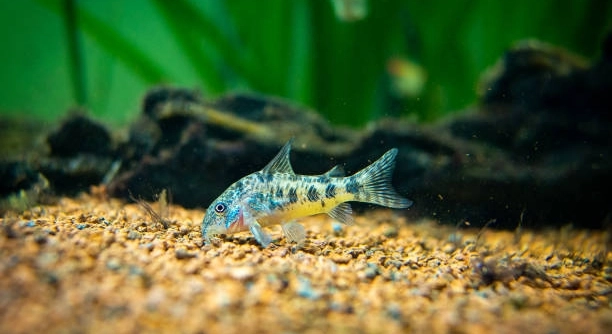
Corydoras catfish are nocturnal creatures, often active during the night. If you want to keep them engaged, it’s essential to create the right environment. Active corydoras can improve the health and balance of your aquarium.
The simplest way to keep your corydoras catfish active at night is by ensuring a proper tank setup, including hiding spots, soft substrate, and appropriate water conditions. Providing adequate lighting changes and food opportunities also promotes their nighttime activity.
There are simple steps to make sure your corydoras are active at night. Understanding these methods will enhance their well-being and enrich your aquarium experience.
1. Provide Adequate Hiding Spots
Corydoras catfish feel safer and more confident when they have places to hide, especially during the night. In a well-maintained tank, you should add natural decorations like plants, caves, and driftwood. These items mimic their natural habitat, providing a sense of security and helping them thrive. When they feel safe, corydoras are more likely to stay active and explore their environment.
Hiding spots not only help with their physical health but also stimulate their behavior. These shelters encourage your fish to swim around, search for food, and interact with their surroundings. Adding them to the tank can significantly improve activity levels during the night.
Ensure these hiding spots are strategically placed around the tank, especially in areas where the water flow is calm. Corydoras catfish appreciate hiding in spots where they can retreat quickly. Consider using a mix of larger and smaller shelters so they can choose what feels comfortable at any given time.
2. Maintain Water Quality
Water quality is crucial for corydoras to stay active, particularly at night. They are sensitive to water changes, so maintaining a stable environment with the correct temperature and pH is essential. Poor water conditions can stress the fish and result in reduced nighttime activity. Regular water changes and monitoring of ammonia, nitrites, and nitrates can help keep the tank healthy.
To keep your corydoras active, make sure the water is clean and properly filtered. They thrive in soft, slightly acidic water with a temperature between 72-78°F (22-26°C). Test the water regularly to ensure it is within the right parameters for these fish. When the water quality is optimal, your catfish are more likely to engage in their natural nocturnal behaviors, such as foraging and exploring.
Additionally, having a reliable filtration system will ensure the water stays clear. Proper filtration helps remove waste and maintains oxygen levels, making it easier for your corydoras to stay healthy and active through the night. Monitoring the water conditions regularly will keep your fish at their best.
3. Offer A Variety of Foods
Corydoras are bottom-dwelling scavengers, and offering a variety of foods encourages them to remain active at night. You can feed them sinking pellets, live or frozen foods like bloodworms, and occasional vegetables like zucchini or peas. This varied diet will not only meet their nutritional needs but also engage their hunting instincts.
Feeding them at night is particularly important because they are nocturnal. It mimics their natural feeding patterns and encourages movement around the tank. By offering foods that sink to the bottom, you allow the catfish to forage, keeping them busy and healthy.
Make sure the food offered is high in quality and suitable for their digestive system. Overfeeding can lead to poor water quality and stress, while underfeeding can cause inactivity. The right balance helps keep your corydoras active and happy during their nighttime routines.
4. Adjust Lighting Patterns
Changing the lighting cycle in your aquarium can significantly impact your corydoras’ nighttime activity levels. Corydoras are naturally more active when the lights are dimmed or turned off, mimicking the night cycle they would experience in the wild. If you have bright tank lights on all day, this can cause stress or disrupt their natural rhythms.
The best way to encourage nighttime activity is by having a consistent light schedule. Set up a timer for the aquarium light, ensuring it turns off when the day ends and gradually comes back on in the morning. This allows the fish to adjust to the natural patterns of day and night. When the lights go down, your corydoras will feel more comfortable and more likely to explore.
In addition to dimming the main lights, you might also consider using a gentle nightlight to avoid completely dark conditions. A little light can help them navigate the tank without disrupting their natural behavior.
5. Maintain Tank Temperature
Corydoras are sensitive to temperature changes, so it’s essential to keep the tank at a consistent temperature between 72-78°F (22-26°C). Fluctuating temperatures can stress your fish and reduce their activity levels. A heater with a thermometer can help maintain stable conditions.
During the night, as the temperature drops slightly, your corydoras may become less active. A stable temperature helps to keep them comfortable and encourages natural nighttime behavior. If the water gets too cold, they may become lethargic, affecting their overall health and activity.
Ensure that the aquarium is not placed near a window or air conditioner, as these can cause sudden temperature changes. A steady, comfortable environment will allow your corydoras to feel more secure, leading to increased activity during the night. Monitoring the water temperature regularly helps prevent unwanted shifts that could stress your fish.
6. Create Water Movement Variability
Corydoras catfish are naturally found in flowing waters, so introducing slight water movement can encourage them to stay active. While they don’t prefer strong currents, gentle water flow simulates the natural environment, prompting your corydoras to explore and search for food.
You can adjust the water flow by positioning the filter or adding small powerheads. This creates pockets of gentle movement throughout the tank. Corydoras will often be seen swimming around, scavenging in these areas, which helps with their physical and mental stimulation. A slight current also allows them to show their natural swimming behaviors.
However, be careful not to create strong currents. Corydoras catfish prefer calm spots where they can rest. Too much water movement can cause stress, so focus on a moderate flow that encourages exploration without overwhelming your fish. The right balance of water movement helps maintain their activity levels.
7. Introduce Tank Mates
Choosing the right tank mates can make a big difference in keeping your corydoras active. Peaceful species that coexist well with corydoras can encourage them to be more engaged, especially at night. Avoid aggressive fish that may stress them out.
Tank mates like tetras or rasboras are ideal because they keep the environment calm. This way, your corydoras won’t hide or become overly cautious. When corydoras feel secure with their tank mates, they are more likely to stay active and swim around at night.
Always consider the size and temperament of potential tank mates. Corydoras do best with small, non-aggressive fish. This ensures a peaceful environment, letting them comfortably forage, explore, and engage in natural behaviors without unnecessary stress.
8. Use Live Plants
Live plants not only enhance the aesthetic of your aquarium but also provide a more stimulating environment for corydoras. They create natural hiding spots, places to explore, and surface areas for food to settle.
These plants encourage your catfish to move around more as they forage between the leaves. They also mimic the natural environment, where corydoras are used to navigating through plants in search of food and shelter. Adding floating plants or plants with dense roots gives them more to interact with.
By providing these plants, you offer both physical and mental stimulation for your fish, helping them remain active during the night.
9. Regular Maintenance
Keeping your tank clean and well-maintained ensures a healthy environment for your corydoras. Regular water changes and substrate cleaning remove waste that could affect water quality, preventing stress on the fish.
You can also trim plants and remove any debris from the tank regularly. This helps maintain water clarity and ensures that the corydoras can navigate the tank with ease. Regular maintenance also reduces the risk of algae buildup, which can block their natural movement and foraging patterns.
FAQ
What type of substrate is best for corydoras catfish?
Corydoras catfish prefer soft, fine-gravel or sand substrate. Rough or sharp substrates can cause injury to their sensitive barbels, so it’s best to avoid large rocks or coarse gravel. Sand is ideal because it allows them to sift through it naturally, looking for food. You can also provide some smooth rocks or pebbles, but keep the majority of the tank’s substrate fine and soft. This also makes it easier to maintain the cleanliness of the tank, as food and waste can be removed without disturbing the substrate too much.
Can corydoras catfish live with other fish species?
Yes, corydoras catfish can live peacefully with a variety of other species, provided the other fish are not too aggressive. They tend to do well with small, peaceful fish such as tetras, guppies, or rasboras. However, it’s essential to avoid housing them with large, predatory fish that may harm them or compete for food. As bottom dwellers, they are often overlooked by other tank mates and can live peacefully on the bottom of the tank, while the other fish swim in the middle or top layers of the aquarium.
How often should I feed my corydoras catfish?
Corydoras are bottom feeders and prefer to eat sinking food. You should feed them once or twice a day, but be sure to avoid overfeeding. Offering small amounts of food and allowing them time to forage will keep them active and healthy. Make sure to feed a variety of foods such as sinking pellets, live or frozen foods like bloodworms, and occasional vegetables. It’s important to provide enough food for them to forage, but not so much that it creates excess waste in the tank, leading to poor water quality.
Do corydoras catfish need a filter in their tank?
Yes, a filter is necessary to keep the water clean and oxygenated. Corydoras catfish require clean water for optimal health, and a filter helps remove waste, excess food, and other debris. However, the filter’s flow should not be too strong, as corydoras prefer calm water. If the filter is too powerful, consider adding a flow reducer or placing the filter in a corner to reduce the current. Regular water changes are also necessary to maintain water quality, especially in tanks without a high-powered filtration system.
How can I tell if my corydoras catfish are stressed?
Stressed corydoras may exhibit certain behaviors such as staying hidden for extended periods, reduced swimming activity, or changes in feeding habits. They might also appear lethargic or display erratic swimming, darting around the tank. Other signs of stress include fading colors, rubbing against objects in the tank, or unusual breathing patterns. Poor water quality, improper tank mates, or a lack of hiding spots are common stress factors. Regular water testing, observing their behavior, and maintaining a calm, suitable environment can help prevent stress.
What is the lifespan of corydoras catfish?
Corydoras catfish can live for several years with proper care. The typical lifespan of a healthy corydoras is about 5 to 10 years, although some can live even longer. To ensure a long, healthy life for your corydoras, maintain good water quality, provide a varied diet, and keep the tank free of stressors. Regular maintenance and monitoring of their environment will keep them in good health throughout their lifespan. In addition, proper tank mates and a comfortable, safe space will also contribute to their longevity.
Can corydoras catfish breed in a home aquarium?
Yes, corydoras catfish can breed in a well-maintained home aquarium. To encourage breeding, you need to mimic their natural environment by slightly lowering the water temperature and doing a water change with cooler water. You may also need to feed them a varied diet to encourage spawning. Once they spawn, the female will lay eggs on surfaces like plants or decorations. The male fertilizes the eggs, and after a few days, the eggs will hatch into tiny fry. Be sure to have a separate area for the fry to grow, as adult corydoras may eat the eggs if given the chance.
Do corydoras catfish need a light cycle?
Corydoras catfish are nocturnal and don’t require a bright light cycle like some other fish. However, it’s important to have a consistent day and night cycle, so they can follow their natural rhythms. The tank should have a period of light and a period of darkness to simulate day and night. Keep the lighting dim or off during their active hours to prevent stress. You can also use a timer to help maintain a consistent light cycle, ensuring they receive adequate rest during the night while still being able to forage and explore during their active periods.
What do I do if my corydoras catfish are not eating?
If your corydoras are not eating, first check the water quality. Poor water conditions can affect their appetite and overall health. Ensure the water temperature is stable, the pH level is appropriate, and there are no toxins in the water. If the water conditions are fine, observe if any tank mates are outcompeting the corydoras for food. Corydoras are bottom feeders and may struggle to get food if other fish are hogging it. Try feeding sinking pellets or live/frozen foods that reach the bottom. If the issue persists, consult a vet for further guidance.
Why are my corydoras catfish staying at the top of the tank?
Corydoras are bottom dwellers, so if they’re spending time near the top of the tank, it might indicate poor water quality, lack of oxygen, or stress. They might also be trying to access the surface for air if oxygen levels are low. Check the water parameters to ensure everything is in balance. If the oxygen levels are low, consider adding an air pump or improving the filtration system. Also, check for any potential issues with tank mates or temperature fluctuations that may be causing discomfort for your corydoras.
Final Thoughts
Corydoras catfish are wonderful additions to an aquarium, providing both beauty and balance. Their peaceful nature and nocturnal habits make them unique to watch. By paying attention to their environment, you can keep them active and healthy, which in turn helps maintain a stable aquarium ecosystem. It’s essential to create an environment that mimics their natural habitat as much as possible. This means providing hiding spots, proper water conditions, and suitable tank mates. When these needs are met, corydoras thrive, foraging, exploring, and interacting in their tank during the night.
Maintaining water quality is one of the most important factors in keeping your corydoras active. These fish are sensitive to changes in water parameters, and poor water quality can lead to stress and inactivity. Regular water testing, filtration, and routine water changes will help maintain a stable environment. Temperature, pH, and hardness are also key factors to monitor, as corydoras have specific preferences in these areas. Along with a consistent cleaning schedule, you’ll ensure your fish stay active, healthy, and stress-free. The right water conditions are the foundation for keeping your corydoras content.
Lastly, creating a well-balanced tank with the right substrate, lighting, and diet will also help keep your corydoras active, especially at night. Providing a variety of foods and gentle water movement encourages their natural foraging and swimming behavior. With a little effort, you can keep your corydoras catfish happy and engaged. Their activity at night not only contributes to the overall health of your aquarium but also provides an enjoyable and calming view. By following the simple guidelines above, your corydoras will live long, healthy lives while keeping your aquarium vibrant and full of life.

Hello,
If you enjoy the content that we create, please consider saying a "Thank You!" by leaving a tip.
Every little bit helps us continue crafting quality advice that supports the health, happiness, and well-being of pets around the world, for pets of all shapes, sizes, and species.
We really appreciate the kindness and support that you show us!