
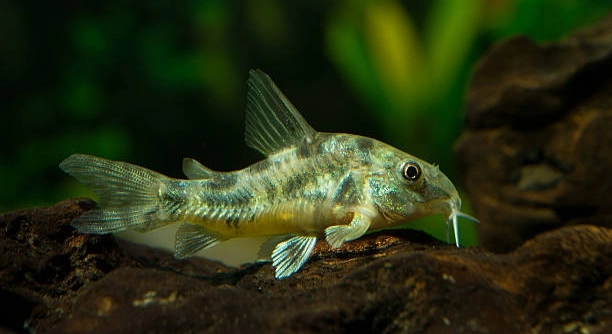
Corydoras catfish are popular for their peaceful nature, but sometimes they act a little differently. If you’ve noticed your Corydoras floating at the surface, it’s likely something that needs attention.
Corydoras catfish floating at the surface can be a sign of various health or environmental issues, such as improper water conditions, gas buildup in the gut, or stress. These factors can cause the fish to swim abnormally.
Understanding the possible causes of this behavior will help you address the issue effectively and improve your Corydoras’ health. Let’s explore what might be going on and how you can help your catfish thrive.
Poor Water Quality
Water quality is crucial for the health of any aquarium fish. If your Corydoras catfish is floating at the surface, it may be struggling with high levels of ammonia, nitrites, or low oxygen. These imbalances can cause distress and abnormal behavior. Corydoras are sensitive to water changes, so maintaining the proper conditions is vital. Be sure to regularly check the water parameters and perform necessary water changes. If your tank has not been cleaned recently, it could contribute to the issue. Additionally, high temperatures can lower the oxygen levels, making it harder for your catfish to breathe.
Proper filtration and routine water changes help prevent toxins from building up. Regular monitoring of pH, hardness, and temperature ensures a healthy environment. If you’re unsure about your water quality, investing in a water testing kit can help you stay on top of it.
The best way to keep your catfish healthy is by maintaining stable and clean water conditions. A reliable filtration system and regular water changes can ensure your fish remain comfortable and active.
Stress from Tankmates
Stress from tankmates can also lead to abnormal behavior in Corydoras. These fish are peaceful but can get overwhelmed if other more aggressive fish are present. Tankmates that chase or nip at them can make them feel unsafe, and they may retreat to the surface for safety. Ensuring that your aquarium has a peaceful atmosphere is essential for your Corydoras to thrive.
To reduce stress, choose tankmates that are similarly peaceful and not too large. Avoid placing them with predatory fish or those known for bullying smaller species. Providing plenty of hiding spaces and decorations can help your Corydoras feel secure. It’s also important to make sure the aquarium is not overcrowded. Too many fish in a small space can add stress to your catfish, pushing them to act out of character.
By keeping the tank environment peaceful and offering enough room for all inhabitants, you can keep your Corydoras happy and less prone to floating at the surface.
Swim Bladder Disorder
Swim bladder issues are common in Corydoras and can cause them to float at the surface. This disorder affects their buoyancy, making it difficult to maintain their position in the water. It can happen due to overfeeding, injury, or infection.
If your Corydoras has swim bladder problems, the fish might struggle to stay upright or may float to the top, even when the water is calm. Sometimes, constipation can worsen the issue, as the fish’s digestive system puts pressure on the swim bladder. This can also lead to a decrease in activity and appetite.
A change in diet can help treat swim bladder disorders. Feeding them high-fiber foods like peas can help relieve constipation. In more severe cases, medication may be needed, or a salt bath could provide temporary relief. It’s important to monitor their eating habits and adjust accordingly to avoid further complications. Regular water changes will also help prevent stress from worsening the disorder.
Overfeeding
Overfeeding can lead to various problems for Corydoras, including floating at the surface. When they consume too much food, they can become bloated, leading to digestive issues and affecting their buoyancy. Uneaten food also decomposes, causing water quality issues.
Feeding your Corydoras more than they can eat in a few minutes can result in excess waste. This affects water quality and increases the risk of developing gas buildup. A bloated stomach can make it harder for them to maintain proper buoyancy, causing them to float at the surface. Overfeeding can also lead to other health problems like constipation and obesity.
To avoid overfeeding, feed your catfish small amounts of food that they can consume in about two to three minutes. Reduce the frequency of feeding to once or twice a day. By following this routine, you can keep your fish from becoming bloated and help maintain good water quality in your tank.
High Water Temperature
High water temperatures can cause Corydoras catfish to become stressed and float at the surface. These fish thrive in cooler water, and temperatures above 80°F (27°C) can reduce their oxygen intake and cause erratic behavior.
If your aquarium temperature is too high, it can lower oxygen levels, making it harder for your catfish to breathe properly. This can lead to them surfacing more often to catch air. It’s important to keep the water temperature between 72°F and 78°F (22°C to 25°C) for optimal health. A thermometer in your tank can help you keep an eye on fluctuations.
To lower the temperature, you can add a fan near the aquarium, place the tank in a cooler area, or invest in a reliable aquarium chiller. Consistent water temperature helps your fish stay comfortable and active.
Gas Buildup in the Gut
Gas buildup in the gut is another possible cause for Corydoras floating at the surface. If your catfish eats too quickly or consumes foods that are hard to digest, gas can form in the intestines and affect their buoyancy.
Gas buildup can be caused by improper feeding or certain foods like dry pellets, which can expand in the stomach. When this happens, it may cause discomfort and make the fish float at the surface to relieve pressure. Monitoring your fish’s diet and feeding habits is important to avoid this issue.
A diet of easily digestible foods can help reduce the risk of gas buildup. You can also provide them with a varied diet, including live or frozen foods, which can aid digestion and reduce bloating.
Poor Tank Setup
A poorly set-up tank can contribute to your Corydoras’ floating behavior. Without the right environment, these fish may feel stressed, resulting in abnormal behavior like staying near the surface.
An overcrowded tank, insufficient hiding spots, or strong water currents can all affect your Corydoras’ comfort. These fish like to have quiet spaces to explore and will avoid areas where they feel threatened or exposed. Proper tank setup includes providing a variety of plants, decorations, and plenty of hiding places.
Additionally, maintaining stable water conditions like temperature and flow rate is crucial.
Why is my Corydoras floating at the surface all the time?
If your Corydoras is floating at the surface constantly, it’s likely due to one or more factors affecting its buoyancy. This could be related to water quality, temperature, diet, or even swim bladder issues. Poor water conditions, such as high ammonia, nitrites, or low oxygen, are common causes. If the water is too warm, oxygen levels can drop, causing your fish to float higher than usual. Additionally, if your fish has eaten too much or consumed the wrong food, it may experience bloating or digestive issues that impact its ability to maintain proper buoyancy.
What should I do if my Corydoras is floating upside down?
If your Corydoras is floating upside down, it’s likely a sign of swim bladder issues. The swim bladder helps regulate buoyancy, and when it’s affected by injury, overfeeding, or infection, the fish can struggle to maintain proper orientation. To address this, first ensure that the water quality is optimal, as poor water conditions can worsen the problem. If you suspect constipation is causing the issue, try offering a blanched pea to help clear the digestive system. If the problem persists, you may need to isolate the fish in a quarantine tank and consider using aquarium salt or medicated treatment.
How can I treat swim bladder disorder in Corydoras?
Swim bladder disorder in Corydoras can be treated by adjusting their diet and water conditions. Begin by offering easily digestible foods like peas to help with constipation, which is a common cause of swim bladder issues. Reduce the feeding amount and frequency to prevent overeating, and avoid dry pellets that may expand in their stomachs. Ensure the water quality is excellent by performing regular water changes, as poor water conditions can stress the fish further. If the issue persists, consider using salt baths or specialized treatments designed for swim bladder disorders.
Can high water temperature cause my Corydoras to float at the surface?
Yes, high water temperatures can cause your Corydoras to float at the surface. These fish are sensitive to heat and prefer cooler water, typically between 72°F and 78°F (22°C to 25°C). When the temperature rises above 80°F (27°C), the oxygen levels in the water decrease, making it difficult for your fish to breathe properly. In response, they may swim to the surface, trying to get more oxygen. To avoid this, monitor the water temperature regularly and consider using a fan, placing the tank in a cooler area, or even investing in a chiller to maintain a stable and comfortable environment for your Corydoras.
Is it normal for Corydoras to occasionally float at the surface?
It’s not uncommon for Corydoras to float at the surface briefly, especially after eating. However, if they’re doing so frequently or for extended periods, there may be an underlying issue. A brief float can happen when the fish need to gulp air, but prolonged floating could be a sign of an issue such as gas buildup in the gut, swim bladder disorder, or stress due to poor water quality or tankmates. Monitoring their behavior and water conditions is crucial to determine the cause and take appropriate action.
How do I prevent my Corydoras from floating at the surface?
To prevent your Corydoras from floating at the surface, make sure to maintain stable water quality by performing regular water changes and monitoring for any changes in ammonia, nitrite, or oxygen levels. Avoid overfeeding, as it can cause bloating and gas buildup, which may affect buoyancy. Keep the tank temperature within the ideal range of 72°F to 78°F (22°C to 25°C), and ensure the water is well-oxygenated. Additionally, provide peaceful tankmates and enough hiding spaces to reduce stress. If symptoms persist, check for signs of illness, such as swim bladder disorder, and treat accordingly.
What is the best diet for Corydoras to prevent floating at the surface?
The best diet for Corydoras includes a mix of high-quality pellets, live or frozen foods, and vegetables. Offer foods like bloodworms, brine shrimp, and daphnia for protein. Additionally, provide blanched vegetables like zucchini, cucumber, or peas to aid digestion and prevent constipation, which can lead to bloating and floating. Be sure to feed small amounts twice a day, only offering enough food that they can eat in a few minutes. Avoid overfeeding, as too much food can lead to digestive issues, which could cause them to float at the surface.
How do I know if my Corydoras is stressed?
Corydoras catfish are typically peaceful, but they may become stressed due to poor water conditions, aggressive tankmates, or environmental changes. Signs of stress include erratic swimming, staying near the surface, hiding more than usual, or loss of appetite. You might also notice that your Corydoras is more skittish than usual or is rubbing against objects in the tank. If you see any of these signs, it’s important to address the stressor, whether it’s adjusting water quality, reducing tankmate aggression, or providing more hiding spaces in the tank.
Can tankmates affect my Corydoras’ floating behavior?
Yes, aggressive or overly active tankmates can stress your Corydoras and cause them to float at the surface. Corydoras are peaceful fish that prefer calm, stable environments. When placed with aggressive species or those that chase or nip at them, they can become frightened, which may cause abnormal swimming behavior. To prevent this, choose tankmates that are similarly peaceful and avoid species known for aggression. Providing plenty of hiding spots and decorations can also help your Corydoras feel more secure in the tank.
In conclusion, if your Corydoras catfish is floating at the surface, it’s important to consider several possible causes. The most common issues include poor water quality, high water temperature, overfeeding, and digestive problems. Corydoras are sensitive creatures, and even small changes in their environment can lead to abnormal behaviors like floating at the surface. It’s crucial to regularly check water conditions, such as pH, ammonia, nitrites, and oxygen levels. If these parameters aren’t properly balanced, it can create stress and discomfort for your fish.
Another factor to consider is the diet. Overfeeding can lead to bloating or gas buildup, causing buoyancy issues for your Corydoras. Offering the right portion size and feeding them a varied diet of high-quality foods can reduce the risk of digestive problems. Be cautious about feeding dry pellets, as they can expand in the stomach, leading to swim bladder issues. Including more easily digestible foods like peas in their diet can help with constipation and digestive discomfort, which might be causing the floating behavior. Additionally, avoid feeding too frequently—once or twice a day is usually enough for your catfish to maintain a healthy digestive system.
Finally, keeping your tank setup in mind is essential. A peaceful environment with proper tankmates can help reduce stress, which is another common cause of floating at the surface. Corydoras thrive in tanks with calm, non-aggressive fish. Ensuring the tank isn’t overcrowded and offering hiding places for your catfish can provide a sense of security. If your Corydoras continues to float at the surface despite addressing water quality and feeding habits, it may be a sign of a more serious issue, such as a swim bladder disorder or illness. In that case, you should monitor their condition closely and seek appropriate treatment to help them recover.

Hello,
If you enjoy the content that we create, please consider saying a "Thank You!" by leaving a tip.
Every little bit helps us continue crafting quality advice that supports the health, happiness, and well-being of pets around the world, for pets of all shapes, sizes, and species.
We really appreciate the kindness and support that you show us!