
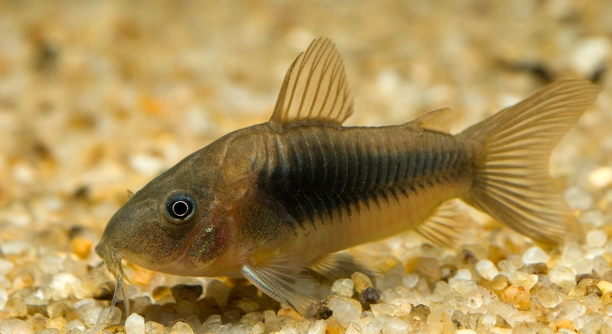
Corydoras catfish are popular aquarium pets due to their peaceful nature and helpful cleaning habits. However, maintaining their well-being requires a proper environment. One of the most common concerns is overheating, which can harm your fish.
To prevent your Corydoras catfish from getting overheated, monitor water temperature regularly and ensure consistent tank conditions. Proper filtration and a stable room temperature are essential, along with the use of aquarium fans or cooling systems if necessary.
There are easy steps to keep your fish comfortable and healthy. Understanding how to manage water temperature can make a significant difference in their long-term well-being.
Monitor Water Temperature Regularly
Water temperature is one of the most important factors to keep your Corydoras catfish safe. These fish thrive in a temperature range of 72°F to 78°F (22°C to 26°C). If the water gets too hot, it can lead to stress, making them more vulnerable to diseases. Overheating may also reduce their oxygen levels, which is critical for their survival. Regularly check the water with an aquarium thermometer to ensure that the temperature remains stable. Make adjustments as needed, especially if your tank is exposed to direct sunlight or near a heat source. If you notice temperature fluctuations, consider moving the tank to a more stable environment.
Maintaining the right temperature will go a long way in keeping your catfish healthy. It’s vital to take this step seriously, as changes in temperature can quickly affect their well-being.
A heater with a thermostat can help maintain the ideal temperature range. Ensure the heater is rated for your tank size and that it operates correctly. If you’re using an aquarium fan or chiller, they can also assist in cooling the water down during hot weather, preventing the tank from becoming too warm. Additionally, avoid overfeeding your Corydoras, as decaying food can increase water temperature and harm their habitat.
Create Proper Tank Environment
The way you set up your tank plays a big role in keeping your Corydoras cool. It’s not just about water temperature, but also the tank’s layout.
Ensure your tank is well-ventilated, with a filtration system that maintains water quality. Oxygen is critical for fish, especially when temperatures rise. The filter should be efficient without causing a strong current that could stress your Corydoras. In warmer months, having a fan to circulate the air can also help lower water temperature.
Plants and decorations in the tank can offer shade, which reduces direct heat from lighting. Corydoras enjoy hiding and resting in cool, shaded areas. Additionally, avoid using overly bright or intense lights. These lights may raise the temperature, especially during long hours of operation. Low-light or LED fixtures can prevent overheating while still providing enough illumination for your catfish. By carefully planning the tank setup, you can create a safe and comfortable environment that supports your fish’s health.
Use Aquarium Fans or Cooling Systems
Aquarium fans or cooling systems are simple solutions to prevent overheating. They help to lower the water temperature by improving air circulation.
Adding a fan can make a noticeable difference, especially during warmer months. These fans are designed to sit on top of the tank and blow air across the water’s surface, helping to cool it down. In many cases, aquarium cooling systems are more effective than simply adjusting the heater or relying on natural ventilation. A fan reduces the need for frequent water changes, saving time and effort.
For more consistent results, consider investing in a cooling system that integrates with your tank’s filtration. These systems work by removing excess heat from the water, which ensures that the temperature remains steady throughout the day. If you live in an area with frequent temperature swings, a cooling system is a worthwhile investment to keep your Corydoras comfortable. The peace of mind knowing that your fish are safe from overheating is worth it.
Reduce Tank Lighting
Limiting the amount of light your tank receives can play a major role in temperature control. Intense lighting can raise the temperature of both the water and the tank environment.
Reducing lighting not only prevents overheating but also simulates the natural day-night cycle for your Corydoras. Excessive lighting encourages algae growth, which can further heat the water and harm the overall tank environment. It’s best to use timers for your tank lights and limit the exposure to 8-10 hours a day. This will help maintain a balanced ecosystem and keep your fish from experiencing unnecessary heat stress.
For those who prefer vibrant lighting, use LED lights. They emit less heat and are energy-efficient, providing enough brightness without affecting the tank’s temperature. Opting for lights with a lower wattage can also reduce excess warmth, making your tank environment cooler.
Keep the Tank Away from Heat Sources
Placing your tank away from direct heat sources is crucial. Sunlight, heaters, and even nearby appliances can increase the water temperature, leading to discomfort for your Corydoras.
Ensure your tank is positioned in a cooler area of the room, away from windows, radiators, and direct sunlight. This can prevent the tank from heating up throughout the day. Even slight changes in temperature can affect your fish’s health, so keeping them in a stable, cool environment is essential.
Perform Regular Water Changes
Regular water changes help maintain a balanced and cool environment for your Corydoras. Fresh water helps prevent heat buildup and ensures oxygen levels stay high.
It’s important to change 10-20% of the water weekly. By replacing warmer water with cooler water, you can regulate the tank’s overall temperature. Using a thermometer before adding fresh water is essential to avoid sudden temperature shocks, which can stress your fish. Make sure the water you’re adding is within the ideal temperature range to avoid any sudden changes.
Use a Tank Cover
Using a tank cover helps reduce heat loss, especially during the night. It keeps the temperature more stable by trapping warmth inside when the environment cools down.
A cover can also prevent debris and dust from entering the tank, which further contributes to cleaner water. However, ensure that the cover allows enough airflow to avoid trapping too much heat inside, as this can create an overheating issue. A good balance of ventilation is key.
FAQ
Why is temperature control important for Corydoras catfish?
Temperature control is crucial for Corydoras catfish because they are sensitive to heat. When the water temperature rises above their ideal range, it can lead to stress, reduced oxygen levels, and an increased risk of diseases. Corydoras thrive in a stable temperature between 72°F and 78°F (22°C to 26°C). If the water is too warm for too long, it can shorten their lifespan and make them more prone to infections or other health problems. Overheating can also reduce their activity levels, leaving them lethargic or hiding. Ensuring the water remains within the ideal temperature range keeps them healthy and active.
How can I tell if my Corydoras are overheated?
If your Corydoras are overheated, they might exhibit certain signs. You may notice them swimming erratically or becoming more sluggish than usual. In some cases, they may spend more time near the water surface, trying to get more oxygen as warmer water holds less oxygen. Overheating can also cause them to breathe faster. Their gills might appear to move rapidly in an attempt to absorb more oxygen. If your fish are showing these signs, it’s important to act quickly by reducing the temperature or adding extra aeration to the tank.
What is the best way to cool down my tank if it gets too hot?
If your tank is getting too hot, the first step is to check the water temperature with a thermometer. If it’s above the recommended range, start by reducing the room’s temperature if possible—lowering the room’s ambient temperature can help cool down the tank. You can also use a fan to circulate the air around the tank, helping to lower the temperature. For more direct cooling, you can invest in a cooling system or chiller designed for aquariums. Another option is performing a water change with cooler water, but make sure the temperature of the new water is not too different from the current water to avoid shocking the fish.
Can my Corydoras survive without a heater if the room temperature stays stable?
Yes, Corydoras can survive without a heater if the room temperature remains stable. However, if the room temperature fluctuates too much, a heater is recommended to maintain consistent conditions. Heaters with thermostats ensure that the water stays within the ideal temperature range, which is crucial for the health of your fish. If you live in an area with mild and stable temperatures, you might be able to get away with not using a heater, but always monitor the water temperature regularly. Extreme fluctuations can stress your Corydoras and affect their well-being.
What should I do if my tank temperature suddenly spikes?
If your tank temperature suddenly spikes, the first thing you should do is check the water temperature using a thermometer. If the temperature is above the recommended range, you should immediately take action. Start by turning off any heaters or lights that might be contributing to the temperature rise. Use a fan or cooling system to lower the temperature gradually. You can also perform a partial water change with cooler water. However, avoid making drastic changes too quickly, as sudden temperature drops can also be harmful. Once the temperature stabilizes, continue monitoring it regularly to ensure it stays within the ideal range.
Can a water filter help prevent overheating in my tank?
Yes, a water filter can help maintain a cooler tank environment, but it’s not a direct method of cooling. A well-maintained filter ensures that your tank’s water remains clean and oxygenated, both of which are important for your Corydoras. Proper water circulation is crucial for regulating temperature as it helps distribute heat more evenly. However, if your tank is exposed to high temperatures, a filter alone may not be enough. You might still need additional cooling methods, such as a fan or aquarium chiller, to keep the water at a safe temperature for your fish.
How often should I check my aquarium temperature?
You should check your aquarium’s temperature at least once a day, especially during warmer months. If your home has significant temperature fluctuations, it’s wise to check it more frequently. Using a reliable thermometer will give you accurate readings. Some aquarists set a daily routine to monitor the water temperature, especially if they rely on heaters or chillers. You should also check the temperature whenever you notice your Corydoras acting strangely or if you’re performing maintenance like water changes, as this can help you detect any potential issues early.
Can too much lighting cause the water to overheat?
Yes, excessive lighting can contribute to overheating in your aquarium. Bright lights, especially if left on for long periods, can cause the water temperature to rise. This is particularly noticeable with certain types of bulbs, like halides or metal halide lights, which emit a lot of heat. If you notice your tank heating up from the lights, try reducing the light cycle to 8-10 hours a day. Additionally, consider switching to LED lights, which are cooler and more energy-efficient, and can help prevent excessive heat buildup.
What is the role of aeration in preventing overheating?
Aeration plays an important role in preventing overheating in your tank. As the water temperature rises, it holds less oxygen. By adding aeration, such as an air pump or an air stone, you increase the oxygen exchange at the water’s surface. This is especially important when the tank temperature is too high. Proper aeration can help prevent stress on your Corydoras by ensuring they have enough oxygen to breathe. It also improves water circulation, which can help prevent heat from stagnating in one area of the tank.
How do I know if my Corydoras are stressed due to heat?
Corydoras show signs of stress when exposed to heat, and recognizing these signs early is crucial for their well-being. Stress symptoms include rapid breathing, erratic swimming, hiding more than usual, and a lack of appetite. They might also hover near the water surface, trying to get more oxygen. If your Corydoras are stressed from heat, you may see them lose their typical active behavior and become more lethargic. It’s essential to address the temperature issue quickly to prevent long-term harm to your fish.
Final Thoughts
Maintaining the right water temperature for your Corydoras catfish is essential for their overall health and well-being. These fish are sensitive to temperature changes and can easily become stressed if the water gets too warm. Regularly monitoring the water temperature with a reliable thermometer is the best way to ensure that your fish are comfortable. By keeping the water within the ideal range of 72°F to 78°F (22°C to 26°C), you help protect your Corydoras from the risks of overheating, which can lead to health issues or even shorten their lifespan.
There are several practical steps you can take to prevent overheating in your tank. Using fans or cooling systems, adjusting the lighting, and placing your tank away from heat sources are simple but effective solutions. Additionally, regularly changing the water and ensuring proper aeration will help maintain stable conditions for your fish. It’s also important to remember that the setup of your tank, from the type of filter to the decorations, can impact the overall temperature. A well-thought-out tank environment can make all the difference in keeping your Corydoras healthy and happy.
Taking care of your Corydoras goes beyond just temperature control. While preventing overheating is critical, it’s part of creating a balanced and comfortable environment for them. By paying attention to their needs and making adjustments as necessary, you’ll be able to provide a stable habitat that supports their long-term health. Understanding how temperature and other factors affect your fish will not only help you prevent overheating but also improve their quality of life. Remember, a healthy tank leads to healthy fish, and small adjustments can make a big difference.

Hello,
If you enjoy the content that we create, please consider saying a "Thank You!" by leaving a tip.
Every little bit helps us continue crafting quality advice that supports the health, happiness, and well-being of pets around the world, for pets of all shapes, sizes, and species.
We really appreciate the kindness and support that you show us!