
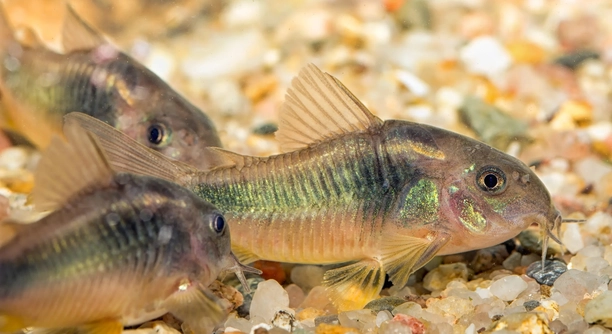
Corydoras catfish are peaceful and social fish, often thriving in the company of their own kind. However, like any pet, they can experience loneliness, which may affect their well-being. Recognizing the signs of loneliness can help ensure they stay happy and healthy.
Corydoras catfish may show signs of loneliness through changes in behavior, such as hiding more often, lack of activity, or unusual aggression. Their need for companionship is crucial, and recognizing these behaviors helps ensure proper care.
Understanding these signs can help create a better environment for your Corydoras catfish. Ensuring they are not lonely will improve their health and behavior. Keep reading to learn how to spot these key signs and how to address them.
Why Corydoras Catfish Need Companionship
Corydoras catfish are social creatures and thrive when they have companions. In the wild, they are often found in schools, swimming together for protection and social interaction. In an aquarium, having at least one other Corydoras can help meet their social needs. Without companionship, they may become stressed, which can lead to health problems such as lowered immune systems or lack of appetite. It’s essential to provide them with a comfortable environment where they feel safe and able to interact with others.
Without a companion, a Corydoras can easily become shy or withdrawn. They will spend more time hiding in the substrate or in the corners of the tank. Social interaction helps them build confidence, keeping them active and healthy.
If you notice your Corydoras becoming more solitary, it’s likely they miss the social connection they would get in the wild. Adding a few more Corydoras to the tank can make a significant difference in their behavior, encouraging playfulness and reducing stress. With company, they will interact with each other, exploring the aquarium and swimming in schools. Ensuring they are not alone is key to their happiness and well-being.
Physical Signs of Loneliness
When your Corydoras catfish is feeling lonely, it may exhibit some physical changes.
The absence of social interaction can lead to a more sedentary lifestyle. Corydoras that are alone often remain in the same spot for extended periods, showing less interest in exploring or swimming. Their appetite might also decline as they become less active.
Hiding More Than Usual
When Corydoras feel lonely, they may retreat into hiding spots more frequently. A tank that has plenty of plants or decorations provides a sense of security. However, if your Corydoras spends all its time hidden, it could be a sign that they are feeling isolated or stressed.
These fish are usually bottom dwellers and love to explore their environment. When lonely, they may hide under rocks, in plants, or behind tank decorations. While they naturally enjoy some solitude, prolonged hiding is a sign that they aren’t comfortable. If this behavior lasts for days, it’s best to consider adding more Corydoras to the tank to ease their stress.
By introducing more Corydoras to the aquarium, you provide them with a social environment where they feel less threatened. These fish are more active and secure when in groups, so they’re likely to come out of hiding and start swimming again. If hiding persists despite these changes, check water quality, as poor conditions could also cause stress.
Reduced Appetite and Eating Habits
Lonely Corydoras may show less interest in food. A decrease in appetite is common in fish that are isolated or stressed. If your Corydoras has always been an eager eater but suddenly refuses food, this could be linked to its loneliness.
Fish that are not mentally stimulated tend to lose interest in eating, and Corydoras are no exception. When they don’t feel safe or connected with others, they may stop eating or only nibble at food. This behavior can lead to nutritional deficiencies if not addressed promptly. Adding tank mates or ensuring their environment is comfortable can help restore their eating habits.
Monitor their eating behavior closely. If the lack of appetite continues for several days, it’s important to consider adding more Corydoras to encourage social interaction. Make sure the water temperature and quality are within the ideal range to avoid any other environmental stressors that could contribute to the issue.
Aggression Toward Tankmates
Lonely Corydoras may start displaying aggression, especially if they feel threatened or stressed. While these fish are usually peaceful, being alone for too long can make them more defensive or territorial. This behavior may also be an attempt to compensate for the lack of social interaction.
Aggression can manifest in the form of chasing or nipping at other fish. If you observe your Corydoras acting aggressively toward its tank mates, it may be an indication that it needs company. Adding a few more Corydoras will often reduce territorial behavior and help restore peaceful interactions in the tank.
Lack of Swimming or Movement
Corydoras are typically active swimmers who explore their tank. However, when they are lonely, they may spend most of their time resting or staying in one spot. This behavior can signal stress and a lack of stimulation.
Adding a companion can encourage them to swim and move around more, restoring their usual playful nature. Observing more active behavior after adding another Corydoras can confirm the fish was simply feeling lonely and disconnected.
Changes in Breathing Patterns
Loneliness in Corydoras can also affect their breathing patterns. Stressed or isolated fish may start to breathe faster or more heavily. This change can be a sign that the fish is under pressure and struggling to adapt to its solitary environment.
Keeping the tank water clean and adding a companion can help ease their stress.
FAQ
How many Corydoras should I keep together?
Corydoras are social fish that thrive in groups. Ideally, you should keep at least three or more Corydoras in a tank. A small school provides the social interaction they need to feel secure and happy. When kept alone, they can become stressed, which can lead to health issues. Larger groups of six or more are even better, as it encourages natural behavior, such as swimming together and foraging. More fish also helps reduce aggression and anxiety.
Can I keep different species of Corydoras together?
Yes, different species of Corydoras can generally coexist well in the same tank. They are peaceful and non-aggressive fish, so mixing species won’t typically cause any issues. However, it’s important to ensure the water conditions meet the needs of all the species you plan to keep. Some Corydoras species might have slightly different preferences, such as water temperature or pH levels, so it’s crucial to create a balanced environment that suits all the species. Keeping at least one species of Corydoras will also help ensure they stay socially active and connected.
Do Corydoras need a specific tank setup?
Corydoras prefer a tank with a soft substrate, such as fine gravel or sand. This allows them to forage naturally without damaging their barbels, which are sensitive. They also need plenty of hiding places, such as plants, rocks, or driftwood, to provide security. While Corydoras are bottom dwellers, they still require space to swim. The tank should have good filtration, as these fish prefer clean water, and they do best in groups. A well-planted tank provides a natural environment that encourages them to interact and remain active.
How can I tell if my Corydoras is stressed?
Signs of stress in Corydoras include hiding more than usual, showing a lack of interest in food, or displaying unusual swimming behavior. If they are stressed due to loneliness, they might swim erratically or seem lethargic. They may also exhibit rapid gill movements or breathe heavily. Stressed Corydoras might also become more aggressive or territorial. If you notice these signs, it’s a good idea to check the water conditions, as poor water quality can also cause stress. Adding more Corydoras to the tank can often help resolve loneliness-related stress.
What is the best water temperature for Corydoras catfish?
Corydoras catfish thrive in water temperatures between 72°F and 78°F (22°C to 26°C). They are tropical fish, so it’s important to maintain a stable temperature within this range. If the temperature fluctuates too much, it can cause stress or affect their health. It’s also essential to monitor water parameters like pH, hardness, and ammonia levels to ensure a healthy environment for your fish. A reliable aquarium heater and thermometer will help maintain the correct temperature.
Do Corydoras need a heater?
Yes, Corydoras need a heater to maintain a stable water temperature. They are tropical fish and prefer warm water to stay healthy and active. Without a heater, the temperature in your tank can drop too low, leading to stress and illness. A heater also helps maintain consistent temperatures, which is crucial for Corydoras, as sudden temperature changes can be harmful. Make sure the heater is properly adjusted and monitor the tank regularly to ensure the water stays within the optimal temperature range.
Can Corydoras live with other species of fish?
Corydoras are peaceful fish that can live with most other species. They generally do well with non-aggressive fish such as tetras, guppies, and peaceful barbs. It’s important to avoid aggressive or territorial species, as these can cause stress or harm to Corydoras. Also, larger fish that might see Corydoras as food should be avoided. Keeping tank mates that are similar in size and temperament is key to creating a harmonious environment. Corydoras do best in a community tank with other calm species, which helps them feel secure.
Why is my Corydoras swimming at the top of the tank?
If your Corydoras is swimming at the top of the tank, it could indicate a problem with the water conditions. Corydoras are bottom dwellers, and spending time at the surface is not typical unless they are struggling to get enough oxygen. This could be a sign of low oxygen levels in the tank or poor water circulation. It may also indicate that the water is too warm or there are high levels of toxins like ammonia or nitrites. Check your filtration system and test the water quality to ensure it’s within the proper range.
How long do Corydoras live?
Corydoras catfish typically live for about 5 to 10 years, although some individuals can live even longer with proper care. Their lifespan depends on factors like water quality, diet, and social conditions. Providing a stable environment with clean water, proper temperature, and the right tank mates can help them live a longer, healthier life. Regular tank maintenance and feeding them a balanced diet are key to maintaining their well-being over the years.
What should I feed my Corydoras?
Corydoras are bottom-feeding fish that eat a variety of foods. In the wild, they feed on small invertebrates, detritus, and plant matter. In an aquarium, you can feed them sinking pellets, algae wafers, and occasionally live or frozen foods like bloodworms or brine shrimp. It’s important to provide a varied diet to ensure they get all the nutrients they need. Make sure the food is suitable for bottom feeders and doesn’t float on the surface, as Corydoras prefer to forage on the tank floor.
Final Thoughts
Corydoras catfish are social creatures that thrive in the company of other fish, and loneliness can significantly affect their well-being. If you notice signs of stress, aggression, or changes in behavior, it’s important to assess whether your Corydoras has the companionship it needs. These fish are bottom dwellers, often spending time foraging or swimming in schools, so their social nature should not be overlooked. Adding a few more Corydoras to the tank can help restore their happiness and health. Ensuring they are not isolated is key to preventing loneliness-related issues and encouraging more natural behavior.
Maintaining a comfortable environment with proper water conditions is equally important. Corydoras are sensitive to water quality, and poor conditions can contribute to stress, making them more vulnerable to illness. Regularly testing the water for pH, ammonia levels, and temperature ensures they remain in optimal conditions. A clean tank with a soft substrate, plants, and hiding spots will provide them with both security and space to interact. Creating a peaceful, natural environment will not only benefit your Corydoras but also contribute to the overall health of your tank.
In the end, Corydoras catfish are relatively easy to care for as long as their social and environmental needs are met. These small, peaceful fish add charm and life to any aquarium, and paying attention to their signs of loneliness will help ensure they live a long, happy life. Whether you’re keeping a single Corydoras or a small group, recognizing when they need companionship and a more stimulating environment is crucial for their well-being. With proper care, Corydoras can thrive in your tank, providing a peaceful and lively presence for many years.

Hello,
If you enjoy the content that we create, please consider saying a "Thank You!" by leaving a tip.
Every little bit helps us continue crafting quality advice that supports the health, happiness, and well-being of pets around the world, for pets of all shapes, sizes, and species.
We really appreciate the kindness and support that you show us!