
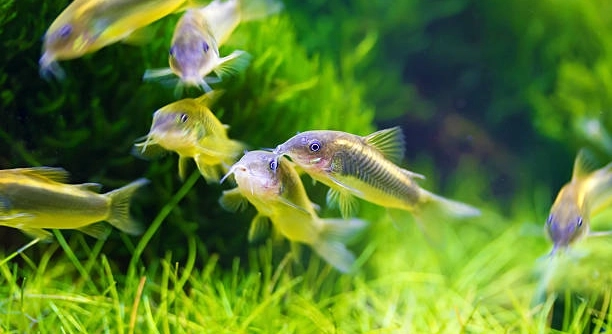
Do you ever find yourself drawn to peaceful, low-maintenance fish that bring life and charm to your home aquarium setup?
Corydoras catfish are ideal for low-tech aquariums because they are hardy, adaptable, and thrive in simple environments without advanced equipment. Their peaceful nature and low bioload also make them excellent companions in community tanks.
These small bottom-dwellers offer more than just utility, adding personality and movement to aquariums that rely on natural balance.
Corydoras Catfish Are Hardy and Low-Maintenance
Corydoras catfish are well-suited for low-tech aquariums because they do not rely on special lighting or CO₂ systems. These fish adapt easily to a wide range of water conditions, making them suitable for beginners and experienced aquarists alike. They thrive in temperatures between 72–78°F and prefer soft to moderately hard water. Regular partial water changes and a good-quality diet are often enough to keep them healthy. Corydoras also tolerate fluctuations better than many other tropical species, which is helpful in simpler setups. Their resistance to common freshwater diseases adds another layer of reliability. With minimal needs, these catfish stay active and healthy without requiring much intervention. Their simple care routine allows aquarists to focus on other aspects of tank maintenance, such as plant care or aquascaping, without being overwhelmed. If you’re looking for an easy-going fish that fits well into uncomplicated tanks, Corydoras make a dependable choice.
They are comfortable in basic setups as long as essential parameters remain stable and the tank is kept clean.
Their ability to stay active and healthy without specialized equipment means you can enjoy a vibrant aquarium without a complicated setup.
Corydoras Help Keep Tanks Clean
These fish naturally clean up leftover food that sinks to the bottom, helping maintain a cleaner tank floor.
Corydoras catfish are bottom-dwellers that sift through the substrate for uneaten food and organic debris. While they are not replacements for regular tank maintenance, their feeding behavior helps reduce buildup in areas that are often missed during manual cleaning. They stir up settled particles, allowing filters to catch more waste. This habit prevents food from decomposing and creating ammonia spikes, which can disrupt water quality in low-tech tanks. Since low-tech setups often have slower filtration, having fish that contribute to cleanliness supports a more stable environment. Corydoras also don’t uproot plants, so they can move around the tank freely without disturbing any aquascaping. Their peaceful nature allows them to coexist with other non-aggressive fish, all while performing this subtle cleaning role. Though small, their impact on tank hygiene can be significant when kept in small groups, which encourages natural and consistent behavior across the tank floor.
Corydoras Are Peaceful and Social
Corydoras catfish are peaceful and rarely cause trouble with tank mates. They prefer to stay in groups, which helps them feel secure and behave more naturally.
Keeping Corydoras in groups of six or more allows them to interact and show schooling behavior. This makes the aquarium feel more active without causing stress to other fish. They do not nip fins or act aggressively, which makes them compatible with a wide variety of small, non-aggressive species. Their calm presence can actually help reduce tension in community tanks. Even during feeding time, they stay gentle, moving calmly along the bottom without competing aggressively. This makes them especially suitable for low-tech tanks where stability is important. When surrounded by their own kind, Corydoras are more confident, which leads to healthier, more active fish. Their social behavior enhances the visual appeal and balance of a peaceful, shared environment.
Their behavior is also predictable, which makes it easier to spot health issues early. If one fish becomes isolated or inactive, it’s usually a sign that something is wrong. Because they thrive best in groups, adding a proper school of Corydoras improves both the appearance and harmony of your tank. Their group dynamics are easy to maintain and enjoyable to watch.
They Don’t Disturb Plants or Substrate
Corydoras gently sift through the substrate without harming rooted plants. Their foraging method doesn’t involve digging or pulling, which protects your tank layout.
In low-tech planted tanks, stability is important, especially when dealing with delicate roots and nutrient-rich substrates. Corydoras have small mouths and light bodies, so they glide along the bottom and gently sift through the upper layer of the substrate without disturbing plants. They don’t exhibit the digging or rearranging behavior seen in other bottom-dwellers like loaches or cichlids. This allows live plants to anchor properly and prevents cloudy water caused by excessive movement. Since low-tech tanks usually rely on plant life for natural filtration and stability, having fish that don’t uproot or damage growth supports a healthier and cleaner environment. Corydoras are also compatible with a wide range of substrates, from sand to fine gravel, without causing layout issues.
These catfish also contribute to preventing dead spots in your tank, especially in tanks with light filtration and dense planting. As they move around, they help shift tiny debris and keep the bottom layer active, reducing areas where waste can build up unnoticed. Their constant, gentle motion across the substrate supports tank balance while maintaining the aesthetics of your setup.
They Eat a Wide Variety of Foods
Corydoras are not picky eaters and do well on basic commercial diets like sinking pellets or wafers. They also enjoy occasional treats like blanched vegetables or frozen bloodworms, making feeding simple and affordable in low-tech setups.
Their flexible diet supports health without needing specialty food. Corydoras eat slowly and peacefully, which works well in calm tanks.
They Don’t Require Special Lighting
Corydoras do not depend on strong lighting to stay healthy or active. In fact, they tend to be more comfortable in dim or shaded areas, which matches the typical lighting used in low-tech tanks. This makes them ideal for setups with low-watt bulbs or natural ambient light.
They Live Long with Basic Care
With clean water, a stable group, and a consistent diet, Corydoras can live five years or more.
FAQ
Do Corydoras catfish need a filter?
Corydoras are quite adaptable and can live in tanks with or without powerful filtration. However, having a filter is beneficial for maintaining water quality, especially in low-tech setups where the tank’s biological filtration is more dependent on plants and natural processes. A gentle filter or sponge filter is often recommended to avoid strong currents that can stress these peaceful fish. Corydoras are bottom-dwellers, so they prefer calm waters where they can move about freely without strong flow disturbing them.
How many Corydoras should be kept together?
Corydoras should be kept in groups of at least six to promote their natural schooling behavior. Keeping them in small groups helps them feel secure and reduces stress. Corydoras are social fish that thrive in groups, and when housed together, they exhibit more natural behavior, such as swimming in formation and foraging together. A small school also reduces the chances of one fish becoming isolated or stressed. Larger groups are even better for their overall health and well-being.
Can Corydoras live with other fish?
Yes, Corydoras are peaceful and get along well with many other species, especially small, non-aggressive fish. They do not tend to compete for food and rarely show aggression. In community tanks, Corydoras usually stay near the bottom, leaving other fish to swim in the middle or top sections of the tank. Avoid keeping them with fin-nipping fish or overly territorial species, as this can cause stress. They are especially good companions for fish like guppies, tetras, and bettas.
What type of substrate is best for Corydoras?
Corydoras prefer soft substrates like sand or fine gravel, as they can comfortably sift through it with their barbels to find food. Rough or sharp substrates can damage their sensitive barbels or cause injury. Sand is often the best option since it allows them to root around naturally without risk. A substrate that allows for some water flow is also helpful to prevent waste from building up in the tank. Avoid substrates that are too large or rough, as they may cause discomfort for the fish.
How often should I feed my Corydoras catfish?
Corydoras should be fed once or twice a day. They have small mouths and typically eat slower than other fish. Overfeeding can lead to water quality issues, as uneaten food may sink and decompose. A balanced diet consisting of sinking pellets, wafers, or a mix of frozen and live foods ensures they get the nutrition they need. They enjoy treats like blanched vegetables, bloodworms, and brine shrimp, but these should be given in moderation.
Can Corydoras live in cold water?
Corydoras are tropical fish and should be kept in warm water, typically between 72–78°F. While they can tolerate slight fluctuations in temperature, prolonged exposure to cold water can stress them and lead to health problems. A reliable heater is recommended to maintain a stable temperature, especially in tanks that do not have a controlled environment. It’s important to avoid drastic temperature changes, which can negatively impact the fish’s immune system and overall well-being.
How long do Corydoras live?
Corydoras catfish have a lifespan of 5 to 7 years, sometimes even longer if given proper care. Their longevity depends on factors such as water quality, diet, tank mates, and general environmental stability. Keeping the tank clean, maintaining consistent water parameters, and providing a well-balanced diet are key to ensuring that your Corydoras live a long, healthy life.
Why do Corydoras sometimes stop swimming?
If your Corydoras stop swimming or appear lethargic, it could be a sign of stress or illness. Common causes include poor water quality, insufficient food, or aggression from other tank mates. If they stop swimming frequently or stay at the bottom of the tank, it is important to check the water parameters and make sure they are within the appropriate range. Sometimes, Corydoras may also rest during the day, but if they seem excessively inactive, it may be a sign that something is wrong.
Do Corydoras need a lot of space?
While Corydoras do not need massive amounts of space, they do benefit from a reasonably sized tank. A 20-gallon tank is a good size for a small group of Corydoras, though larger tanks allow them more freedom to move around. Keeping a group in a well-planted tank with plenty of space helps reduce stress and provides a more natural environment. Overcrowding can lead to aggression, poor water quality, and other health issues.
Are Corydoras sensitive to water changes?
Corydoras are generally hardy fish, but they can be sensitive to drastic changes in water conditions. Sudden temperature shifts, fluctuations in pH, or large water changes can cause stress. It’s important to perform regular, small water changes rather than large ones. Slowly adjusting water parameters, if necessary, will help prevent shock. Make sure to use a good water conditioner and monitor water quality closely to keep your Corydoras healthy and active.
What do I do if my Corydoras gets sick?
If your Corydoras shows signs of illness, such as unusual swimming behavior, loss of appetite, or lesions, isolate the affected fish in a quarantine tank if possible. This helps prevent the spread of disease to other fish. Research common diseases that affect Corydoras, such as external parasites or fungal infections, and treat the fish with appropriate medication. Maintain good water quality, as poor water conditions often contribute to fish diseases. If symptoms persist, consult an aquarium professional for advice.
Can Corydoras breed in a low-tech aquarium?
Yes, Corydoras can breed in low-tech aquariums. The main factors influencing breeding are water quality, temperature, and diet. A stable, clean tank with water temperatures in the mid-70s°F is ideal. Corydoras are egg layers, and they usually lay their eggs on flat surfaces like rocks or leaves. Providing a varied diet with live or frozen foods helps stimulate breeding behavior. When conditions are right, you may see them pairing off and laying eggs.
Final Thoughts
Corydoras catfish are an excellent choice for low-tech aquariums, especially for those looking for a peaceful and easy-to-care-for fish. Their adaptability makes them suitable for a variety of setups, even those with minimal equipment. Whether you’re using a simple filter or relying on live plants for filtration, Corydoras thrive in low-maintenance environments. They don’t require fancy lighting or complex care routines, making them an ideal option for beginners or aquarists who prefer simpler setups.
Another benefit of Corydoras is their peaceful nature. They are community fish that can coexist with a wide range of other species. Their calm demeanor and bottom-dwelling habits make them great companions for other fish, without the worry of territorial disputes. Their social behavior also contributes to the overall health of the aquarium, as they tend to live longer and feel more secure in a group. The ability to add variety to a low-tech tank with minimal effort is an important factor for those who prefer to keep things simple yet thriving.
Corydoras catfish bring more than just beauty to an aquarium. Their natural behaviors, such as scavenging the bottom for food and their gentle interactions with tank mates, add a level of interest that enriches the overall aquarium experience. They are easy to care for and require little more than consistent water quality and proper feeding. By choosing Corydoras, you ensure that your low-tech tank remains peaceful, well-balanced, and enjoyable for years to come. Whether you are a beginner or experienced aquarist, these catfish are a reliable, stress-free addition to any tank.

Hello,
If you enjoy the content that we create, please consider saying a "Thank You!" by leaving a tip.
Every little bit helps us continue crafting quality advice that supports the health, happiness, and well-being of pets around the world, for pets of all shapes, sizes, and species.
We really appreciate the kindness and support that you show us!