
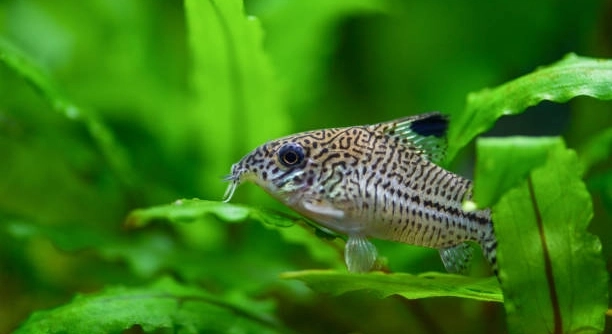
Corydoras catfish are a popular choice for many aquarium owners. These peaceful, hardy fish are known for their adaptability and ability to thrive in low-tech tanks. Their friendly nature and ease of care make them a great addition to any aquarium setup.
Corydoras catfish are ideal for low-tech aquariums due to their resilience in various water conditions, low oxygen environments, and minimal care needs. They help maintain the tank by scavenging waste, ensuring a clean and healthy aquarium ecosystem.
With their peaceful demeanor and useful cleaning habits, Corydoras catfish are a perfect fit for low-tech setups. Their presence contributes to both tank health and a calm, enjoyable aquatic environment.
Low-Maintenance Care for Corydoras Catfish
Corydoras catfish are easy to care for, making them a great option for beginners. They do not require complex equipment or regular water changes, which is a big plus for low-tech aquarium setups. These fish are also hardy, able to tolerate fluctuations in water quality and temperature. As long as they have a stable environment, they will thrive. One of the reasons they are so low-maintenance is their peaceful nature. Unlike some other fish, they do not need constant attention or special care, and they do well in tanks with a variety of other species.
They are not overly demanding, and their simple needs make them ideal for people who want a hassle-free aquarium. The main things to focus on are maintaining clean water, a stable temperature, and occasional feeding.
Their adaptability also means that they can survive in tanks with minimal filtration and lighting. This makes them a popular choice for low-tech setups that don’t require constant monitoring or high-end equipment.
Ideal for Tank Cleanup
Corydoras catfish help keep your aquarium clean. Their scavenging behavior ensures that leftover food, waste, and detritus are cleared from the substrate, preventing excess buildup. They are often referred to as “clean-up crew” for this reason.
These catfish are bottom dwellers, constantly foraging for food that sinks to the bottom of the tank. This natural behavior helps maintain the tank’s ecosystem. They will not only eat leftover food but also consume algae and plant matter that may have fallen to the substrate. This means less manual cleaning is needed.
Additionally, their scavenging helps prevent the accumulation of harmful waste that could degrade water quality. This reduces the need for frequent water changes, making maintenance simpler. Their constant movement around the bottom of the tank also keeps the substrate aerated, promoting a healthier tank environment for all inhabitants.
Peaceful Nature
Corydoras catfish are calm and non-aggressive. Their gentle nature makes them compatible with many other species, reducing stress in the tank. This is an important trait, especially for low-tech aquariums, where harmony among tank mates is key to a healthy environment.
They spend most of their time on the substrate, slowly exploring the bottom. Unlike more active or territorial fish, they are not likely to cause disruptions or fight over space. Their quiet demeanor contributes to a peaceful tank atmosphere. Corydoras are especially suitable for aquariums with other peaceful species like tetras or guppies, creating a balanced, low-stress environment.
Their peacefulness also means they are less likely to disturb plants or decorations, leaving the tank’s aesthetic intact. Their behavior creates a calm atmosphere, ideal for owners who want a stress-free aquatic setup. This makes them an excellent choice for community tanks where other species require minimal disturbance.
Easy to Feed
Corydoras catfish are not picky eaters. They are opportunistic feeders, meaning they will consume a variety of foods. Their diet mainly consists of sinking pellets, algae wafers, and live or frozen food like brine shrimp or bloodworms. This makes feeding them simple and flexible.
Their feeding habits are helpful in a low-tech tank where minimal effort is required for care. You don’t need to worry about special dietary needs or complicated feeding routines. Simply drop food in the tank, and the Corydoras will find it. This also means they won’t overeat, as they naturally consume what’s available without causing a mess.
Their ability to forage for food at the bottom of the tank reduces food waste. If there’s leftover food from other fish, the Corydoras will clean it up. This keeps the tank cleaner and reduces the need for excess feeding.
Adaptable to Different Water Conditions
Corydoras catfish can thrive in a variety of water conditions. They are highly adaptable, tolerating slightly acidic to neutral water, as well as a range of temperatures. This makes them a flexible option for aquariums with varying setups.
These catfish are not picky about water hardness either, making them ideal for most tap water. As long as the water is clean and not excessively hard or soft, Corydoras will remain healthy. Their ability to adjust to different water conditions reduces the need for specialized equipment, which is perfect for low-tech tanks.
Small Size
Corydoras catfish stay relatively small, usually growing to about 2.5 inches in length. Their compact size means they can easily fit into smaller aquariums without taking up much space. This makes them suitable for tanks of all sizes, especially those with limited room.
Their small size also helps maintain a balanced ecosystem in low-tech aquariums. They won’t crowd the tank or outcompete other fish for space. This makes them ideal for community tanks, allowing other species to thrive alongside them without overcrowding.
Easy Breeding
Corydoras catfish are relatively easy to breed in a home aquarium. They do not require elaborate setups and can spawn in low-tech tanks as long as conditions are stable. To encourage breeding, provide a clean tank with a slightly cooler temperature and soft, slightly acidic water.
The process is straightforward. After mating, the female will lay eggs on smooth surfaces like glass or plant leaves. Once fertilized, the eggs will hatch in a few days. While breeding can occur naturally, providing hiding spots like plants or decorations can help protect the eggs from other fish in the tank.
FAQ
How many Corydoras catfish should be kept together?
Corydoras catfish are social fish and prefer to live in groups. It’s recommended to keep at least three to five of them together to ensure they feel secure and comfortable. In a larger group, they are more active and exhibit natural behaviors like schooling. Keeping them in small numbers can lead to stress and a lack of activity. A group of six or more is ideal for the best results in terms of behavior and health.
Do Corydoras catfish need a filter in their tank?
While Corydoras catfish are adaptable, they do benefit from a filtration system. However, they are not as sensitive to water flow as some other species. A gentle filter with low to moderate flow is recommended, as strong currents can be stressful for these bottom-dwellers. A sponge filter is often a good option for Corydoras catfish, as it provides filtration without disturbing the tank too much.
Can Corydoras catfish live with shrimp or snails?
Yes, Corydoras catfish can live peacefully with shrimp and snails. They are non-aggressive and won’t harm smaller tank mates. In fact, Corydoras can help keep the tank cleaner by scavenging food and waste that shrimp or snails might miss. As always, make sure the tank is large enough to accommodate all species, and monitor the interactions for any signs of aggression.
What do Corydoras catfish eat?
Corydoras catfish are omnivores and eat a variety of foods, including sinking pellets, algae wafers, and frozen or live foods like bloodworms, brine shrimp, and daphnia. They are excellent scavengers and will often consume leftover food from other fish. Ensure that their diet is varied to keep them healthy and active.
How often should I feed my Corydoras catfish?
Feed your Corydoras catfish once or twice a day, depending on the size and number of fish in your tank. Offer small portions of food to avoid overfeeding, as they are bottom-feeders and may not consume food right away. It’s important to remove any uneaten food to prevent water contamination.
Are Corydoras catfish sensitive to water changes?
Corydoras catfish are hardy, but sudden changes in water parameters can cause stress. It’s best to perform gradual water changes to avoid shocking the fish. Aim for a 20-25% water change every week, ensuring the new water matches the temperature and pH of the existing tank water to minimize stress on the catfish.
Can Corydoras catfish live in cold water?
Corydoras catfish are better suited to slightly warmer water, typically in the range of 72 to 78°F (22 to 26°C). While they can tolerate brief temperature drops, long-term exposure to cold water can cause stress and health problems. For the best results, keep the tank in a warm, stable environment.
How long do Corydoras catfish live?
Corydoras catfish can live up to 5-7 years with proper care. Their lifespan depends on the quality of water, diet, and tank conditions. Ensuring a clean, stable environment will contribute to their longevity. Regular water testing and maintenance can help you provide the best possible living conditions for your catfish.
Do Corydoras catfish need a lid on their tank?
Corydoras catfish are not known for jumping, but it’s still a good idea to have a lid or cover on your tank. While they may not leap out like some other species, having a lid prevents dust or debris from falling into the tank and helps maintain a stable environment. It also keeps other fish from jumping out.
Can Corydoras catfish breed in a low-tech aquarium?
Yes, Corydoras catfish can breed in low-tech aquariums. They do not require a lot of special equipment, but conditions must be stable. To encourage breeding, maintain clean water, a slightly cooler temperature, and ensure the tank has plenty of hiding places. While breeding can happen naturally, providing a separate breeding tank can help protect the eggs from other fish.
What is the ideal tank size for Corydoras catfish?
The ideal tank size for a group of Corydoras catfish is at least 20 gallons. A larger tank allows for more swimming space and better water quality. It’s important to give them enough space to move around freely and to maintain a clean environment. Overcrowding can lead to stress and health problems, so aim for adequate space for the number of fish in your tank.
Can Corydoras catfish live with other fish?
Corydoras catfish are peaceful and can live with a variety of other fish. They do well with species like tetras, guppies, and small peaceful fish. Avoid keeping them with aggressive or large fish that may view them as food or outcompete them for space and food. Proper tank setup and monitoring are essential to ensure compatibility.
Final Thoughts
Corydoras catfish are a great choice for low-tech aquariums due to their adaptability, peaceful nature, and easy care requirements. Their ability to thrive in a wide range of water conditions makes them a suitable option for many aquarium setups. Whether you are a beginner or an experienced aquarist, these catfish provide a stress-free addition to your tank. They require minimal equipment and can live in tanks with various fish species, making them a versatile and low-maintenance option for any aquarium.
Their small size and friendly behavior make Corydoras an excellent choice for community tanks. They are non-aggressive and spend most of their time at the bottom of the tank, helping to clean up leftover food and waste. Their peaceful nature ensures that they do not disrupt other tank members, allowing for a harmonious environment. With the proper care, Corydoras catfish can live for several years, providing long-term enjoyment and ease of care.
In conclusion, Corydoras catfish are a perfect fit for those looking for low-maintenance, adaptable, and easy-to-care-for fish. Their small size, social behavior, and ability to tolerate a variety of water conditions make them a top choice for beginners and experienced hobbyists alike. By offering them a clean environment, proper diet, and a group of their own kind, you can enjoy these delightful fish for many years. Whether you’re just starting out with aquariums or looking to add another species to your setup, Corydoras catfish are a reliable and charming addition to any low-tech aquarium.

Hello,
If you enjoy the content that we create, please consider saying a "Thank You!" by leaving a tip.
Every little bit helps us continue crafting quality advice that supports the health, happiness, and well-being of pets around the world, for pets of all shapes, sizes, and species.
We really appreciate the kindness and support that you show us!