
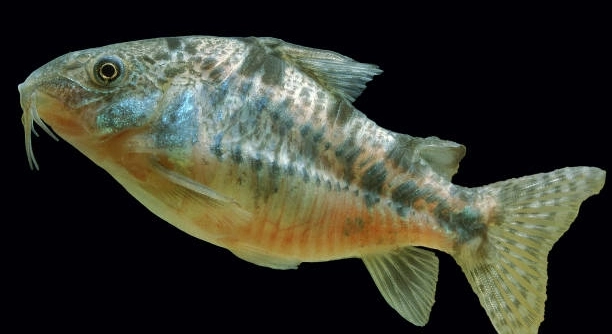
Corydoras catfish are popular in aquariums due to their calm nature and cleaning habits. However, they can be sensitive to water quality changes. Poor water conditions can impact their health in various ways.
Corydoras catfish show clear signs of stress when exposed to poor water quality. These signs can include erratic swimming, loss of appetite, unusual breathing patterns, and visible physical damage like torn fins or discoloration.
Understanding these signs will help you provide a healthier environment for your corydoras. Addressing water quality issues early can ensure their well-being and longevity in your aquarium.
Swimming Behavior Changes
One of the first things to notice when your corydoras catfish are affected by poor water quality is their swimming behavior. Normally, they are active swimmers that like to explore and scavenge. However, if the water is contaminated or imbalanced, you might see them swimming erratically or staying at the water’s surface more often than usual. Sometimes, they may even hover near the bottom of the tank, struggling to move properly. This behavior often indicates a lack of oxygen or harmful toxins in the water that are making it difficult for them to swim comfortably.
Water quality directly affects their gill function, which impacts their ability to breathe and move. Low oxygen levels can cause them to swim with more effort, and they may even gasp for air at the surface. This behavior is an urgent sign that the water needs attention.
If you notice any changes in your corydoras’ swimming patterns, it’s essential to test your tank’s water immediately. By acting fast, you can prevent further stress and improve the overall health of your fish.
Decreased Appetite
Poor water quality can cause your corydoras to lose their appetite. When the water is not ideal, they often don’t feel comfortable enough to eat, and you may find that they aren’t showing interest in food. This lack of appetite can be a direct result of high levels of ammonia, nitrites, or other harmful substances in the water.
Fish, especially corydoras, rely on clean water to stay healthy and maintain a proper feeding schedule. If they stop eating, it’s usually because they are stressed or their environment isn’t suitable for their well-being. When this happens, they may begin to lose weight and become more vulnerable to illness.
It’s crucial to maintain a stable and clean tank environment to ensure they are getting the nutrients they need. Regular water changes and proper filtration are simple but effective ways to keep your fish in good health.
Gasping at the Surface
When corydoras catfish are exposed to poor water quality, you may notice them gasping at the surface. This usually happens when there is a lack of oxygen in the tank. Corydoras need a well-oxygenated environment to thrive, and when the water quality suffers, they may struggle to get enough oxygen from the water.
If your corydoras are frequently at the top, taking short breaths or gasping, it’s a clear indication that the oxygen levels in the tank are too low. This could be due to an inefficient filtration system or overstocking the tank. Low oxygen levels can cause stress and even lead to more severe health problems over time.
You can address this by increasing water circulation or adding an air pump to improve oxygen flow. Regular water changes can also help in maintaining optimal oxygen levels. A healthy, balanced aquarium will keep your corydoras comfortable and thriving.
Physical Damage
Visible physical damage such as torn fins or changes in their skin color can signal poor water quality. Corydoras catfish are delicate creatures, and water conditions affect their skin and fins. High levels of toxins or pollutants can irritate their skin, causing damage.
Fish exposed to poor water quality may develop lesions, discoloration, or fins that appear ragged and torn. The damage is usually a sign that the fish’s immune system is compromised due to the stress of living in unhealthy water. These injuries can become infected, making the situation worse.
Regularly check for physical signs of distress. If you notice any damage, it’s important to address water quality issues quickly. A good filtration system, proper water changes, and keeping the tank clean will help your corydoras recover and prevent further harm.
Discoloration of the Skin
Discoloration is another sign your corydoras catfish might be reacting to poor water quality. A shift in their natural color, such as becoming pale or developing darker patches, can indicate that they are stressed or suffering from toxins in the water.
If your corydoras appear to lose their vibrant color, it’s a strong sign that something is wrong with the water conditions. High levels of ammonia, nitrites, or changes in pH can affect their pigmentation. The stress from poor water quality can also cause them to become less active, further contributing to the discoloration.
To prevent this, ensure that the water parameters are stable and regularly check for toxic substances. A healthy environment is essential to keep your fish looking their best.
Strange Breathing Patterns
When corydoras begin showing unusual breathing patterns, it’s a direct sign of water problems. Rapid breathing or open-mouth gasping can indicate a lack of oxygen, while shallow breathing can signal stress due to contaminants.
Poor water quality often affects the gills, making it harder for fish to absorb oxygen properly. If their breathing becomes noticeably labored, it’s time to test the water and address the issue immediately. Keeping your tank clean and maintaining proper filtration can help prevent these breathing issues from developing.
Reduced Activity Levels
If your corydoras catfish suddenly become less active, it could be a result of poor water quality. A decrease in movement is often linked to discomfort, which can happen when the water conditions aren’t ideal.
When your corydoras are struggling with their environment, they will often stay at the bottom of the tank, barely moving. This lack of activity can be distressing and should be addressed quickly by improving the water quality. Proper filtration and regular maintenance are essential to keeping your fish healthy and active.
FAQ
What should I do if my corydoras are gasping for air?
If your corydoras are gasping for air, it usually means the water has low oxygen levels. The first step is to check the filtration system and ensure it is functioning properly. If the water flow is weak, consider increasing it with an additional filter or an air pump. You should also perform a partial water change to reduce toxins like ammonia or nitrites, which can also affect oxygen levels. Regular maintenance is key to maintaining optimal oxygen in your tank.
How often should I change the water for my corydoras?
Corydoras catfish are sensitive to water quality, so it’s important to maintain a regular water change schedule. A 25-30% water change once a week is ideal for keeping the tank clean and healthy. If the tank is heavily stocked, or if you notice signs of poor water quality, you may need to increase the frequency of water changes. Make sure the replacement water is treated to remove chlorine and other chemicals, and check that the temperature matches the tank’s conditions.
Can poor water quality lead to diseases in corydoras catfish?
Yes, poor water quality can weaken your corydoras’ immune system, making them more vulnerable to diseases and infections. Toxins like ammonia and nitrites stress the fish, reducing their ability to fight off illnesses. Additionally, low oxygen levels and high nitrate concentrations can make your fish more susceptible to fungal infections, parasites, and other health problems. Regular water testing and proper filtration can help prevent these issues by maintaining a stable environment.
How can I tell if my corydoras are stressed due to water conditions?
There are several signs that your corydoras may be stressed due to poor water conditions. These include erratic swimming, gasping for air, loss of appetite, and unusual skin discoloration. If they appear to be spending more time near the surface or hovering in one spot, it’s an indication of stress. Additionally, if you notice physical damage like torn fins or lesions, it may be related to poor water quality. Regularly testing the water and monitoring their behavior can help you spot these issues early.
Is it safe to add chemicals to improve water quality for my corydoras?
While there are water conditioners and treatments available to improve water quality, it’s essential to be cautious when using them. Some chemicals can be harmful to fish if used incorrectly. If you are using a water conditioner, always follow the manufacturer’s instructions and be sure to monitor your fish closely afterward. In most cases, maintaining a proper filtration system, performing regular water changes, and adjusting the tank’s water parameters naturally are safer and more effective in the long run.
Can corydoras survive in uncycled tanks?
Corydoras catfish can survive in an uncycled tank for a short period, but it’s not ideal. An uncycled tank has high levels of harmful toxins like ammonia and nitrites, which can cause severe stress and illness to your fish. It’s essential to cycle the tank before adding any fish. The process of cycling helps establish beneficial bacteria that break down these toxins into less harmful substances. During this process, you should monitor the water parameters and make sure they are safe for your corydoras.
How can I improve the water quality in my tank without stressing my corydoras?
Improving water quality without stressing your corydoras involves a gradual approach. Start by performing small water changes to lower toxins like ammonia, nitrites, and nitrates. Avoid making drastic changes all at once, as this can shock the fish. Also, ensure that your filtration system is appropriate for the size of the tank. Adding live plants can help improve water quality by absorbing excess nutrients. It’s also important to avoid overfeeding, as uneaten food can pollute the water.
What is the ideal temperature for corydoras catfish?
Corydoras catfish thrive in water temperatures between 72°F and 78°F (22°C to 25°C). If the water temperature is too high or too low, it can stress the fish and make them more vulnerable to disease. Regularly monitor the tank temperature to ensure it stays within this range. In addition, sudden temperature fluctuations should be avoided, as they can be harmful to your fish. A reliable aquarium heater can help maintain a stable temperature.
Can I keep corydoras with other types of fish in the same tank?
Yes, corydoras catfish are peaceful and typically do well with other community fish. However, they may not do well with aggressive species or fish that could outcompete them for food. It’s important to choose tankmates that share similar water quality needs, temperature preferences, and behavior. Avoid large, predatory fish that might harass your corydoras. Small, peaceful species such as tetras, guppies, and other bottom-dwelling fish are usually good tankmates.
How can I prevent water quality issues from affecting my corydoras long-term?
Preventing water quality issues starts with proper tank maintenance. Regular water changes, proper filtration, and routine water testing are essential to maintaining a healthy environment for your corydoras. Make sure to clean the tank regularly to remove waste, uneaten food, and debris. Keep an eye on your fish’s behavior and appearance to detect any early signs of stress or illness. Additionally, avoid overstocking the tank, as too many fish can cause water quality to degrade quickly.
Final Thoughts
Corydoras catfish are hardy fish that can thrive in a well-maintained aquarium, but they are sensitive to water quality. When their environment isn’t right, they can show signs of stress or even become ill. Monitoring the water conditions regularly is crucial to keeping your fish healthy and happy. A few small adjustments, such as improving oxygen flow, maintaining a proper filtration system, and doing regular water changes, can make a significant difference in their well-being. It’s also important to test the water often to ensure that harmful substances like ammonia and nitrites remain at safe levels.
Understanding the signs that your corydoras are stressed or affected by poor water quality is key to addressing problems early. From changes in swimming behavior to physical damage or loss of appetite, these indicators can help you recognize when something is wrong. The quicker you can act, the better the chances of preventing more serious health issues. By being attentive to these signs, you can ensure that your corydoras stay in good health for years to come.
In the end, maintaining a healthy aquarium environment for your corydoras doesn’t require complicated equipment or constant monitoring. With regular upkeep, proper filtration, and a bit of attention to their behavior, you can create a thriving space for these charming fish. By providing the right water conditions, you not only ensure your fish’s health but also create a peaceful and balanced tank. Keeping water quality in check is the foundation of a successful aquarium that both you and your corydoras can enjoy.

Hello,
If you enjoy the content that we create, please consider saying a "Thank You!" by leaving a tip.
Every little bit helps us continue crafting quality advice that supports the health, happiness, and well-being of pets around the world, for pets of all shapes, sizes, and species.
We really appreciate the kindness and support that you show us!