
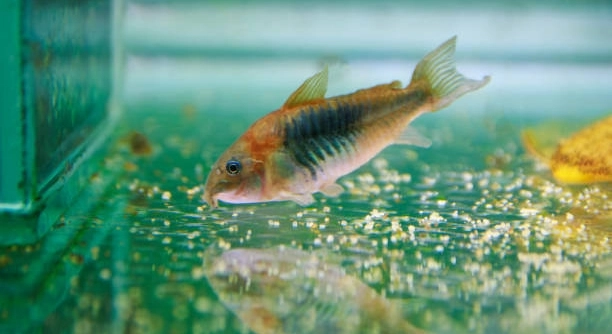
Corydoras catfish are generally active, but when they start hiding more than usual, it may be a sign of something off in their environment. Understanding why this behavior happens can help ensure your fish’s well-being.
Corydoras catfish tend to hide when stressed due to changes in water conditions, illness, or fear. Factors like improper water temperature, poor water quality, or tankmates can all cause them to seek shelter more frequently.
There are several reasons your Corydoras catfish may be hiding more often than usual. Understanding these causes will help you address the issue and ensure a happier, healthier aquarium environment for your fish.
Water Quality Issues
Water quality plays a huge role in the behavior of your Corydoras catfish. If the water is too dirty or improperly maintained, your fish will feel stressed and will hide more. Ammonia, nitrites, or nitrates can quickly build up in an aquarium, especially if you haven’t done regular water changes. High levels of these toxins are harmful to fish, making them retreat to hidden areas for safety.
Changing the water frequently and checking the parameters can keep things stable. Water temperature should also be monitored carefully. Corydoras are sensitive to rapid changes in their environment, and poor water conditions will drive them into hiding.
To keep your catfish healthy, make sure to regularly clean your tank and use a quality filtration system. Invest in a good water testing kit to ensure everything is within the appropriate range for your fish. Healthy water helps keep them active and visible, reducing their tendency to hide.
Tank Mates
Tank mates can play a significant role in how comfortable your Corydoras catfish feel. If there are aggressive or overly curious fish in the tank, your Corydoras may retreat to the bottom or hidden spots to avoid stress. Corydoras are peaceful and typically prefer calm, gentle companions.
If you notice frequent hiding, consider evaluating the behavior of other tank mates. Smaller fish, such as bettas, or larger, more territorial fish, like cichlids, may intimidate them. Corydoras thrive best in peaceful setups with other docile species.
If you suspect an issue with tank mates, consider rehoming aggressive or dominant species. By ensuring that your fish live with compatible companions, you can encourage your Corydoras catfish to feel safe and return to a more active state.
Water Temperature Fluctuations
Corydoras catfish are sensitive to sudden changes in water temperature. If the water is too cold or fluctuates drastically, your fish will become stressed and seek out hiding spots. They prefer a stable, warm environment, usually between 72°F and 78°F.
Consistent water temperature is crucial for your fish’s health. If your tank is near a window or air conditioning vent, temperature fluctuations can occur. Even slight drops or rises can cause stress, making your catfish less active and more likely to hide.
Using a reliable heater and thermometer can help maintain a consistent temperature range. If you notice rapid temperature changes, consider adjusting the heater or relocating the tank. Ensuring a stable, comfortable environment will reduce hiding behavior and improve your catfish’s overall well-being.
Illness or Injury
A sick or injured Corydoras catfish is more likely to hide. If your fish is unwell or hurt, it may look for a secluded spot to avoid predators and recover in peace. Common signs of illness include faded colors, irregular swimming, or loss of appetite.
Pay close attention to any behavioral changes or physical symptoms in your fish. Illnesses such as fin rot or parasites can cause significant distress, leading your Corydoras to retreat. Early detection of health issues can make a big difference in recovery.
If you notice unusual symptoms, isolate the affected fish in a quarantine tank to prevent the spread of any potential diseases. Ensuring the water quality and temperature are optimal will also help speed up the recovery process. Keep your tank clean, monitor closely, and provide proper care to help them recover faster.
Overcrowding
Overcrowding in your aquarium can be a major cause of stress for Corydoras catfish. If the tank is too crowded, your fish will feel cramped and may retreat to hidden areas. A lack of space creates tension and discomfort, leading to more hiding.
Corydoras need ample room to swim and explore. A crowded tank limits their ability to move freely and can result in aggressive interactions. If the fish feel threatened by the number of tank mates, they will seek shelter in plants, caves, or other hiding spots to avoid conflict.
To avoid overcrowding, follow proper stocking guidelines based on your tank size. This ensures that your fish have enough space to move around and reduces the risk of stress. A spacious, peaceful tank will help your Corydoras feel more secure and visible.
Tank Setup
The setup of your tank can significantly impact the behavior of your Corydoras. If there aren’t enough hiding places or the substrate is uncomfortable, your fish may feel exposed and will hide more. Corydoras prefer a well-planted tank with smooth gravel or sand.
Make sure your tank has sufficient plants, rocks, and decorations that provide hiding spots and cover. Smooth substrate is important because rough gravel can hurt your fish’s barbels. Additionally, providing places to hide gives your catfish a sense of security, reducing the need to hide out of stress.
Take time to create a well-balanced environment for your fish. A good tank setup that includes a variety of hiding spots encourages natural behavior, reduces stress, and helps your fish feel safe and comfortable in their space.
Lighting
Bright lighting can stress Corydoras, making them hide more frequently. They are naturally nocturnal creatures and prefer dimmer lighting that mimics their natural habitat. Intense lights can disrupt their comfort and make them seek shelter.
Reducing light intensity or using dimmer lights will help your catfish feel more at ease. If you are using bright lights, consider providing shaded areas or using plants to diffuse the light. Avoid sudden changes in light, as these can startle your fish and cause them to hide.
FAQ
Why is my Corydoras catfish hiding more than usual?
Your Corydoras catfish may hide more than usual due to several reasons such as poor water quality, stress from tankmates, or changes in temperature. They seek hiding spots when they feel unsafe, sick, or uncomfortable. It’s important to check the water parameters, observe tankmates for aggressive behavior, and ensure that the temperature is consistent with their needs.
Can Corydoras hide due to illness?
Yes, Corydoras can hide when they are ill. If your catfish is showing signs of illness, such as fading color, abnormal swimming, or reduced appetite, it may retreat to secluded spots to avoid being seen and to recover. It’s crucial to monitor them closely for any changes in behavior or appearance.
How can I improve the water quality for my Corydoras?
To improve water quality, perform regular water changes, maintain a reliable filtration system, and test the water for ammonia, nitrites, and nitrates. Keeping the water clean and within the ideal pH range for Corydoras (6.5 to 7.5) will reduce stress and prevent hiding. Make sure your filtration system is strong enough to handle the bio-load in the tank.
Are Corydoras sensitive to tankmates?
Yes, Corydoras can be stressed by aggressive or overly active tankmates. They thrive in peaceful aquariums with other non-aggressive species. If your tank has fish that chase or harass your Corydoras, this could lead to more hiding. Ensure that all tankmates are compatible with the peaceful nature of Corydoras catfish.
How can I prevent overcrowding in my aquarium?
To avoid overcrowding, calculate the number of fish your tank can accommodate based on its size. A general rule is one inch of fish per gallon of water. Overcrowding leads to higher levels of ammonia and nitrites, making the water toxic for your fish and encouraging them to hide more often. Always provide enough space for each fish to feel comfortable.
What is the ideal water temperature for Corydoras catfish?
Corydoras catfish prefer a stable water temperature between 72°F and 78°F. Rapid changes in temperature can cause stress, which will make your catfish more prone to hiding. Use a reliable heater to maintain a consistent temperature, especially if your aquarium is in a location with fluctuating room temperatures.
How does the tank setup affect Corydoras’ behavior?
The tank setup plays a significant role in the behavior of Corydoras catfish. They prefer a well-planted tank with smooth gravel or sand substrate. Providing hiding spots like plants, caves, and rocks can help reduce stress and give your catfish the security they need to feel comfortable. A cluttered or poorly designed tank can lead to increased hiding behavior.
Why is my Corydoras hiding at the bottom of the tank?
Corydoras are bottom-dwelling fish, so it’s normal for them to spend a lot of time at the bottom. However, if they are hiding there more than usual, it could be due to stress, illness, or unfavorable tank conditions. Check the water quality, temperature, and tankmates to ensure everything is in order.
Can lighting affect my Corydoras catfish?
Yes, Corydoras are sensitive to bright lights and prefer dimmer lighting similar to their natural habitat. Bright lights can cause stress, leading them to hide. Consider using low-intensity lights or providing shaded areas with plants or decorations to help your fish feel secure. Avoid sudden changes in lighting as this can also stress them.
How often should I perform water changes for my Corydoras?
Water changes should be done regularly to maintain a healthy environment for your Corydoras. A 20-30% water change once a week is generally recommended for a well-stocked tank. This helps to keep ammonia and nitrate levels in check and ensures that your catfish aren’t exposed to harmful toxins.
Are Corydoras prone to any specific diseases?
Corydoras catfish are susceptible to common fish diseases like ich, fin rot, and parasitic infections. If your Corydoras is hiding more than usual and showing signs of illness, it’s essential to address any potential diseases immediately. Quarantine any sick fish to prevent the spread of illness, and treat the affected fish with the appropriate medication.
How can I tell if my Corydoras is stressed?
Signs of stress in Corydoras include hiding more often, loss of appetite, and changes in behavior like rapid breathing or erratic swimming. Stress can be caused by poor water quality, incompatible tankmates, or sudden changes in the environment. Monitoring water parameters and creating a peaceful, stable tank setup will help prevent stress.
What kind of tank setup do Corydoras prefer?
Corydoras catfish prefer tanks with soft, smooth substrate, such as sand or fine gravel. They also enjoy having plenty of hiding spots like plants, caves, or driftwood. A well-planted tank provides both cover and a more natural environment, reducing stress and making your catfish feel more secure.
How do I know if my Corydoras is happy?
Happy Corydoras will be active, swimming in groups, and exploring their environment. They should not spend too much time hiding or isolated in corners. A healthy, happy Corydoras will also be eating regularly and not showing signs of illness or stress. If they are hiding too often, it could indicate an issue with their environment.
What should I do if my Corydoras is not eating?
If your Corydoras isn’t eating, check the water quality, temperature, and tankmates for potential stressors. Sometimes Corydoras will stop eating if they are sick or feel threatened. Try offering different foods, like sinking pellets or live food, to encourage eating. If the issue persists, consider isolating the fish for further observation.
Final Thoughts
Understanding why your Corydoras catfish may be hiding more than usual is essential for creating a healthy and stress-free environment for them. While Corydoras are naturally shy and bottom-dwelling, frequent hiding can be a sign that something is not right in their tank. Whether it’s due to poor water quality, inappropriate tankmates, or environmental stress, identifying the cause is the first step to helping your fish feel comfortable again. Monitoring water conditions and providing ample hiding spots in the tank are basic but effective ways to reduce their stress and encourage them to explore.
Another important factor to consider is the overall setup of the tank. Corydoras thrive in environments that mimic their natural habitat, so it’s essential to ensure that your tank has soft, smooth substrate and plenty of plants or decorations for hiding. Creating a peaceful community with compatible fish also helps keep your Corydoras at ease. A proper tank setup not only reduces stress but also helps your catfish feel secure enough to swim and interact more with the rest of the tank. When all these factors are aligned, you should notice a reduction in your Corydoras’ hiding behavior.
Lastly, remember that each Corydoras catfish is different, and some may be naturally more timid than others. It’s important to be patient and attentive to their needs. Regular water changes, maintaining consistent water temperature, and keeping the tank clean are all simple but crucial practices that will improve the overall well-being of your Corydoras. If your catfish continues to hide despite these changes, consider observing them more closely for signs of illness or stress. With a little attention and care, your Corydoras will likely return to their usual active selves, enjoying a happy and healthy life in your aquarium.

Hello,
If you enjoy the content that we create, please consider saying a "Thank You!" by leaving a tip.
Every little bit helps us continue crafting quality advice that supports the health, happiness, and well-being of pets around the world, for pets of all shapes, sizes, and species.
We really appreciate the kindness and support that you show us!